Vet-assistant tips for mild dog stomach upset: when it’s an emergency, how to hydrate, the best bland foods (chicken, rice, pumpkin), what to avoid, and ho...
Article
•
Designer Mixes
Upset Stomach in Dogs: Handy Tips

Shari Shidate
Designer Mixes contributor
As a veterinary assistant where I work in Frisco, Texas, I can tell you this: an upset stomach is a very common reason pet parents call the clinic. The good news is that many mild cases improve quickly with simple, safe steps at home. The key is knowing when it is okay to watch and wait and when your dog needs veterinary care.
Medical note: This article is general education and does not replace an exam or diagnosis. If you think your dog may be in danger or is worsening, contact your veterinarian or an emergency clinic right away.
Common causes
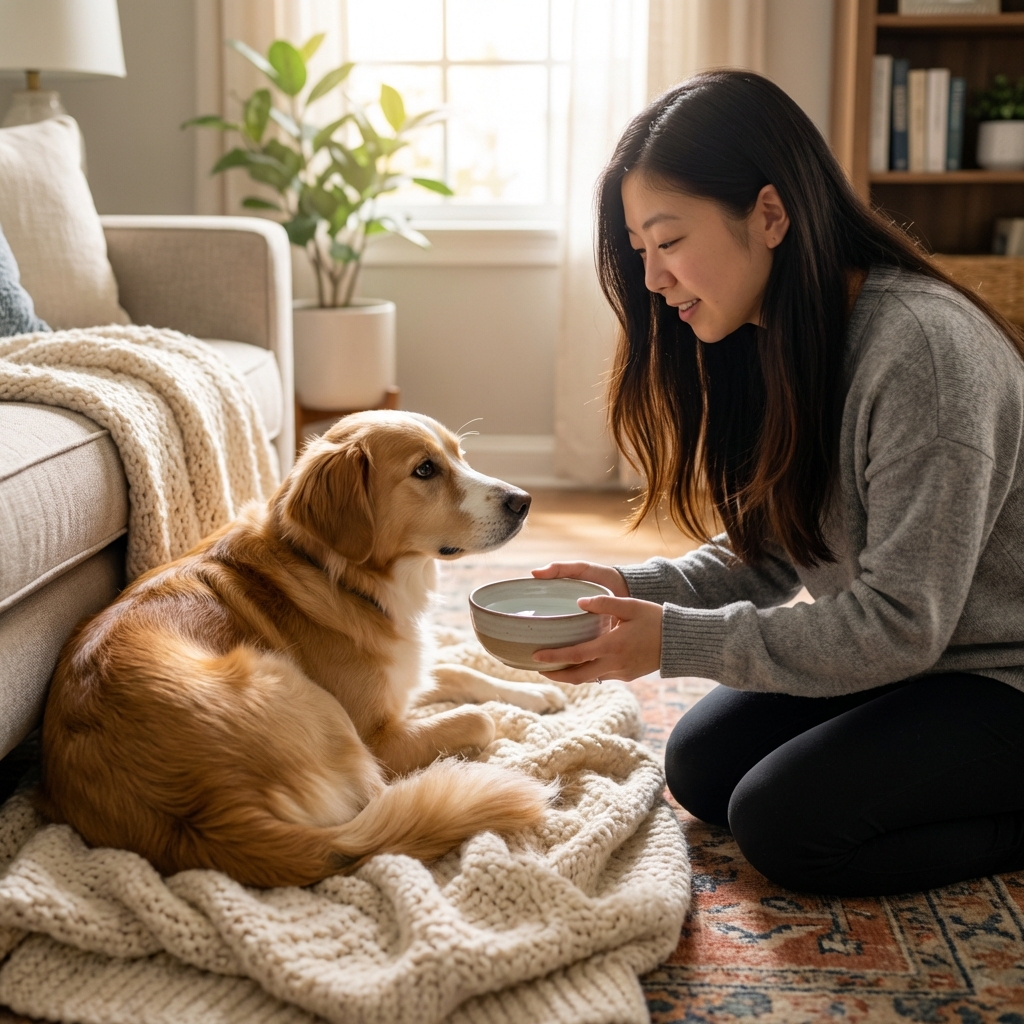
Dogs have curious noses and fast mouths, so stomach trouble often starts with something they ate or licked. Some of the most common triggers include:
- Dietary indiscretion: garbage, table scraps, rich or fatty foods, new treats, or chews
- Sudden diet changes: switching foods too quickly
- Stress: boarding, travel, visitors, storms, schedule changes
- Parasites: especially in puppies or dogs with unknown prevention history
- Infections: viral or bacterial gastroenteritis
- Food sensitivity: certain proteins, dairy, or additives
- Toxins and foreign material: medications, plants, toys, socks, bones
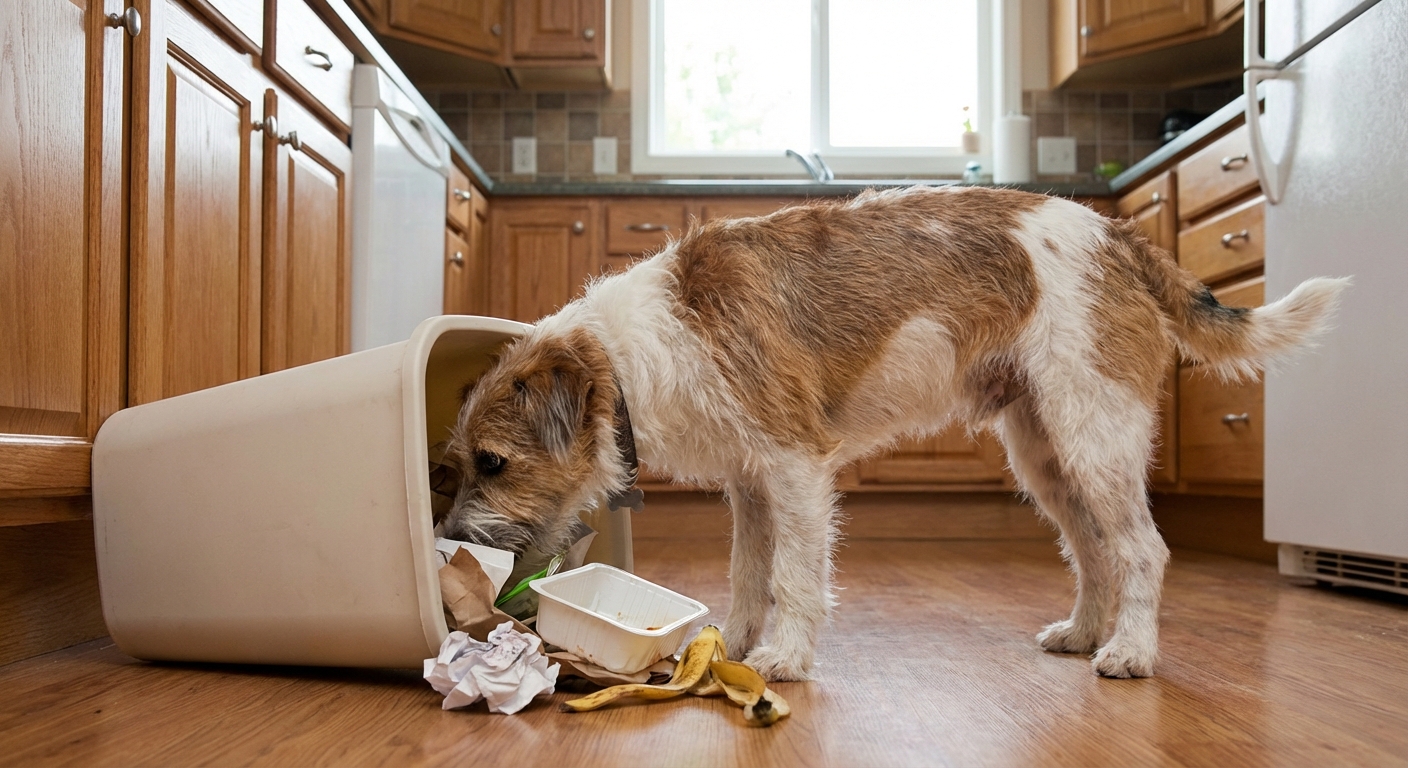
If your dog’s upset stomach started right after a new food, treat, chew, or a scavenging incident, that is an important clue. Make a note of what they got into and when.
Check red flags first
Before you try home care, do a quick safety screen. Call your veterinarian or an emergency clinic now if you notice any of the following:
- Repeated vomiting or retching, especially if nothing comes up
- Blood in vomit or stool, or stool that looks black and tarry
- Swollen or painful abdomen, hunched posture, or crying when picked up
- Severe lethargy, collapse, weakness, or pale gums
- Signs of dehydration (dry or tacky gums, sunken eyes, skin stays tented)
- Vomiting and diarrhea together that is frequent or explosive
- Known or suspected ingestion of toxins (xylitol, grapes or raisins, human meds, THC, rodent bait, antifreeze)
- A puppy, senior dog, or dog with chronic illness (kidney disease, diabetes, Addison’s disease, pancreatitis history)
- A dog that may have swallowed a foreign object (toy pieces, corn cob, sock, bone)
- Symptoms lasting more than 24 hours, or getting worse
If you are unsure, trust your instincts and call. It is always okay to ask.
Home care for mild cases
What “mild” looks like: one or two episodes of vomiting, mild nausea, normal gum color, still interested in you, willing to drink, and no painful belly or bloating.
If your dog is otherwise bright and stable, these steps can help. The goal is to rest the gut, maintain hydration, and reintroduce food gently.
1) Hydration first
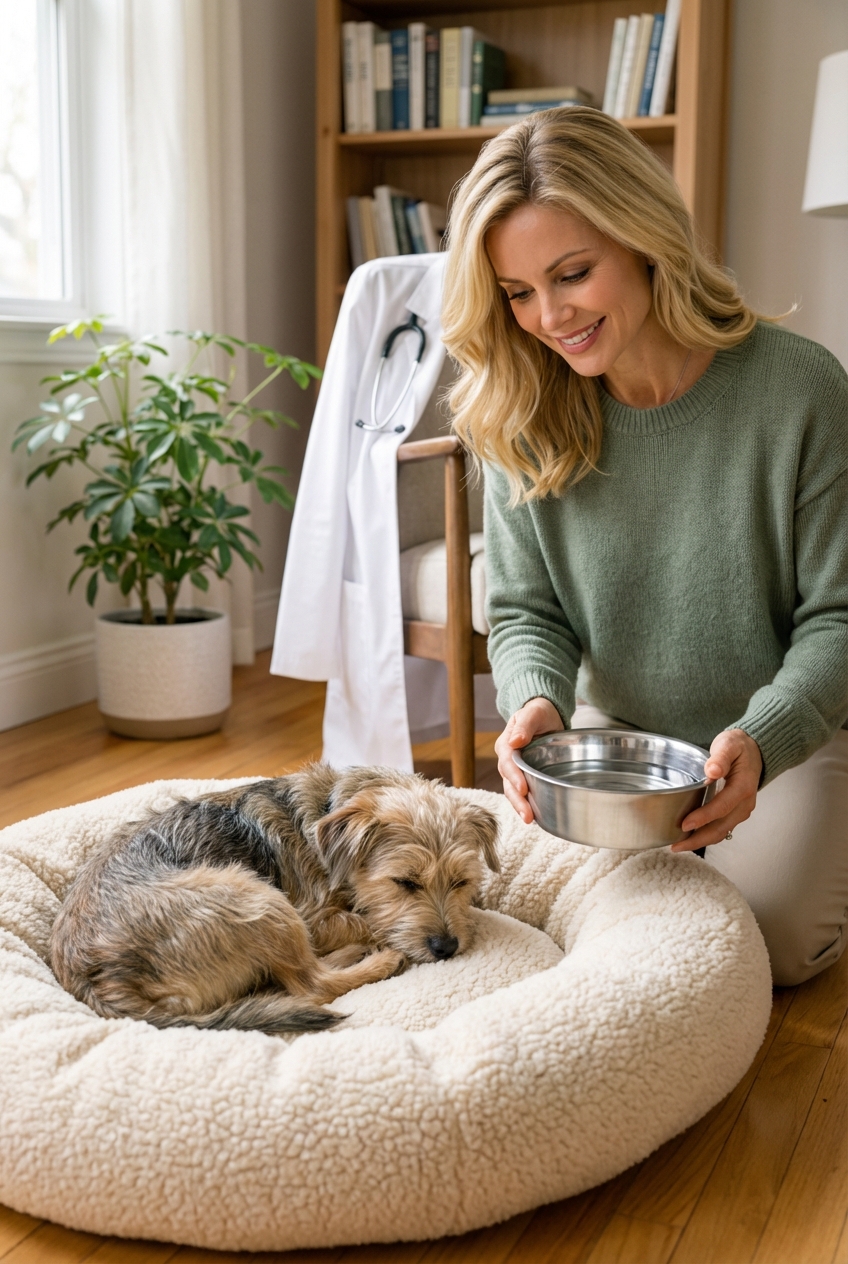
Offer small amounts of water frequently. If your dog gulps and vomits, remove the bowl and try again in 20 to 30 minutes with just a few sips.
- You can offer ice chips or a few teaspoons of water at a time.
- Unflavored pediatric electrolyte solution may be used in small amounts for some dogs, but do not offer large volumes. These products can be high in sodium and sugar, and they are not ideal for every pet. If your dog has heart disease, kidney disease, diabetes, Addison’s disease, or is on a sodium-restricted diet, check with your veterinarian first and ask about a safe amount.
2) Short food break (only if appropriate)
For some healthy adult dogs with mild vomiting, a short break from food can help. In many cases, a pause of 6 to 12 hours may be reasonable, but fasting is not appropriate for every dog.
- Do not fast puppies, toy breeds, or very small dogs for long periods. They can become hypoglycemic.
- Use extra caution and call your veterinarian first if your dog is a diabetic, is a senior, has a history of pancreatitis, is on multiple medications, or tends to get weak when they skip meals.
3) Bland diet, small portions
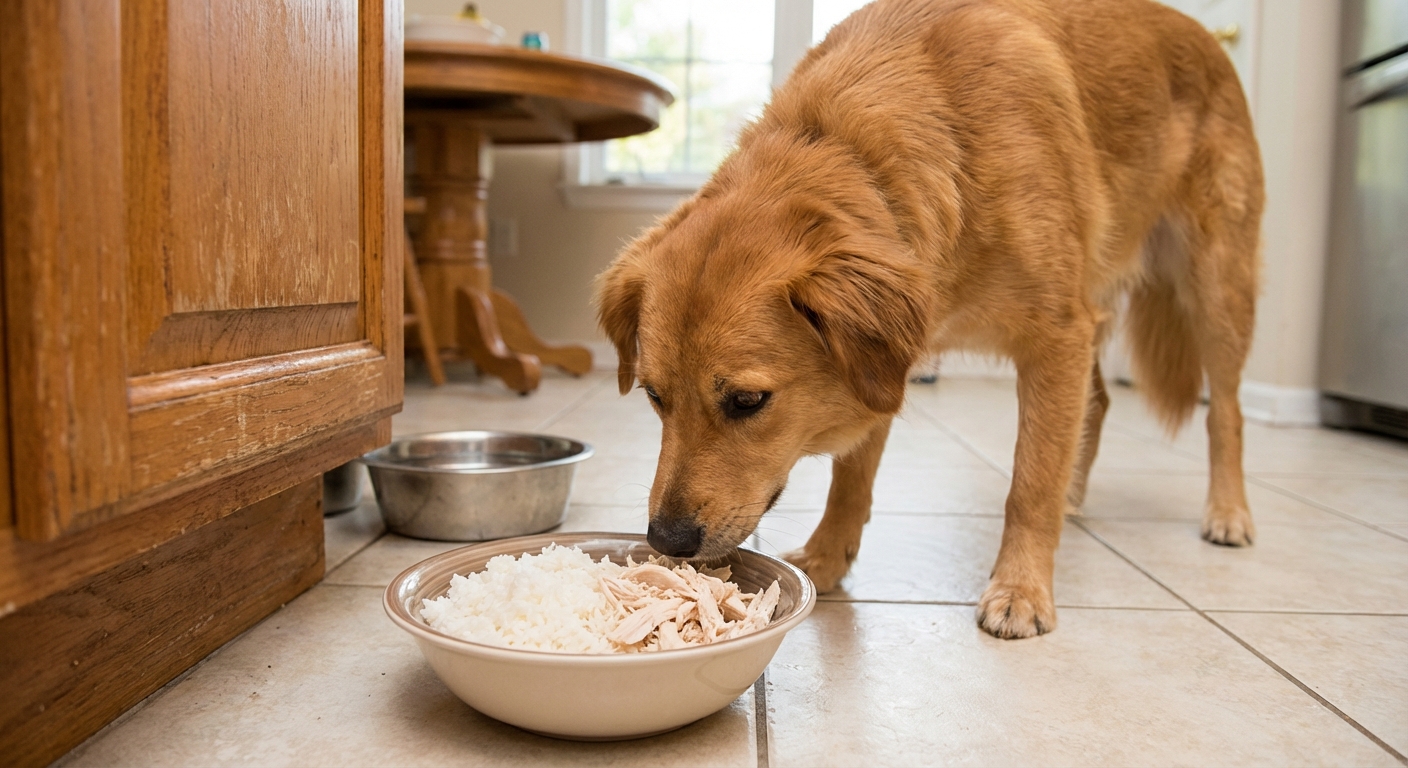
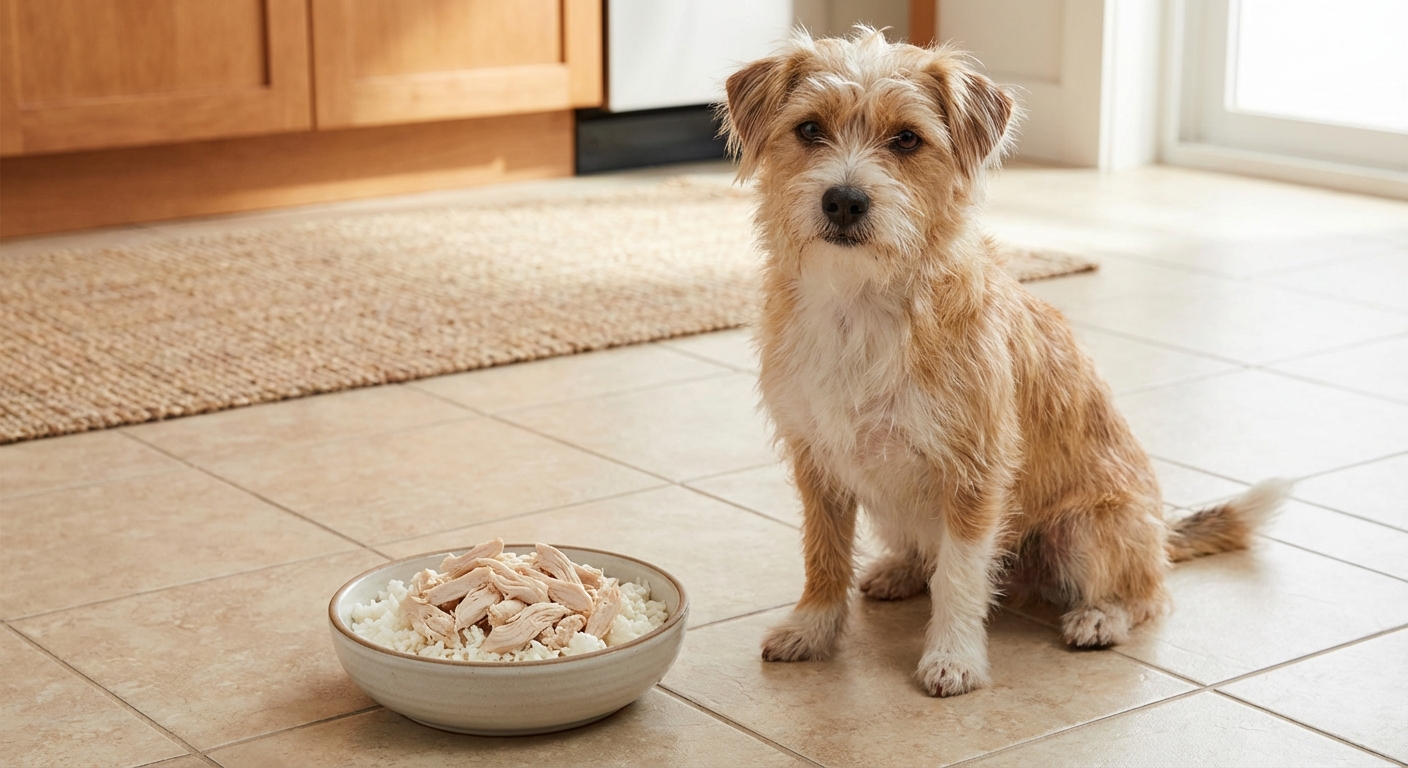
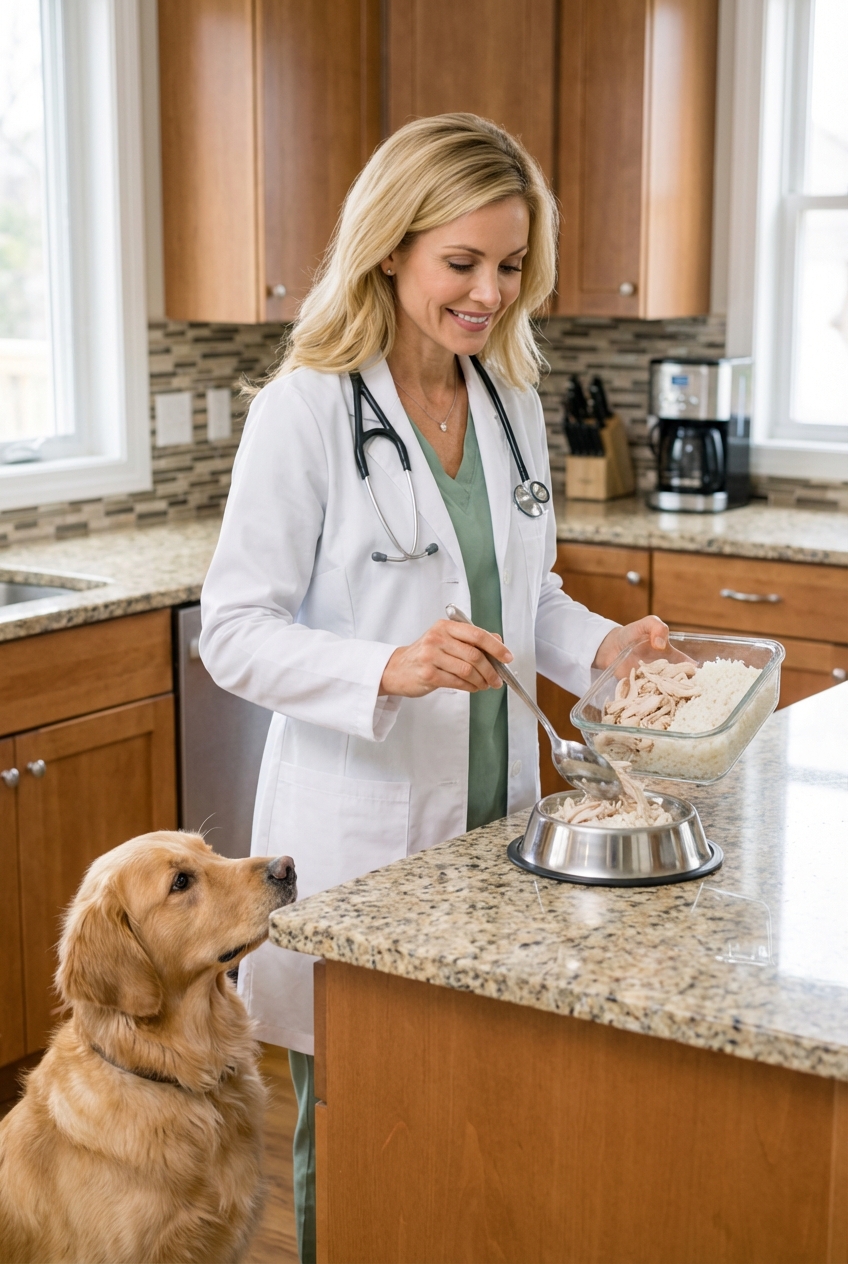
Once vomiting has settled and your dog is interested in eating, offer a bland meal in small portions every 4 to 6 hours. Portion size should match your dog’s size and what they can comfortably keep down.
- Lean protein: boiled skinless chicken breast or lean turkey
- Gentle carb: plain white rice
A common starting point is 1 part protein to 2 parts rice for a day or two, then gradually shift back to normal food.
Very rough portion guide to start (then adjust based on tolerance):
- Small dogs: 1 to 2 tablespoons per meal
- Medium dogs: 1/4 to 1/2 cup per meal
- Large dogs: 1/2 to 1 cup per meal
If diarrhea is the main issue, some dogs do better with a slightly higher portion of lean protein, but go slow and watch stool quality.
4) Slow transition back to normal food
After 24 to 48 hours of improvement, start mixing your dog’s regular diet back in over 2 to 4 days:
- Day 1: 75% bland, 25% regular
- Day 2: 50% bland, 50% regular
- Day 3: 25% bland, 75% regular
- Day 4: 100% regular (if still doing well)
If symptoms return during the transition, step back to the last tolerated ratio and contact your veterinarian.
Add-ons that may help
Some supportive options are commonly recommended in veterinary settings, but they should be used thoughtfully and with your dog’s health history in mind.
Probiotics
Veterinary probiotics can support the gut microbiome and are often used for stress diarrhea or mild GI upset. Choose a product formulated for dogs and follow label dosing. If your dog is immunocompromised or seriously ill, ask your veterinarian first.
Fiber (pumpkin)
Plain canned pumpkin (not pie filling) can help some dogs with mild diarrhea or constipation. Typical amounts are small, such as 1 to 2 teaspoons for small dogs and 1 to 2 tablespoons for medium to large dogs. Too much can worsen gas or diarrhea, and some dogs simply do not do well with added fiber, so start low.
Pumpkin is supportive care only. It is not a substitute for parasite testing, deworming, or diagnostics if your dog is not improving.
Prescription GI diets
If your dog has a sensitive stomach or frequent flare-ups, your veterinarian may recommend a highly digestible prescription diet for a short period. These diets are designed to be gentle and consistent, and they can be very helpful during recovery.
What not to do
These are common mistakes I see, and they can accidentally make things worse:
- Do not give human medications like Pepto-Bismol, Imodium, aspirin, ibuprofen, or acetaminophen unless your veterinarian specifically instructs you. Dogs vary widely, and some of these can be dangerous or mask serious disease. Bismuth products can also darken stool and make it harder to tell if there is bleeding. Loperamide (Imodium) can be risky in certain dogs, including some herding breeds with MDR1 sensitivity, and it may be unsafe if infectious diarrhea is suspected.
- Do not use leftover prescriptions (anti-nausea meds, antibiotics, pain meds) without checking with your veterinarian first. The right medication and dose depends on the cause.
- Avoid fatty foods like bacon, sausage, greasy leftovers, or high-fat treats. Fat can trigger pancreatitis in susceptible dogs.
- Do not offer bones to “settle the stomach.” They can cause constipation, GI injury, or obstruction.
- Do not switch foods repeatedly during a flare-up. Consistency helps the gut calm down.
Foreign object warning signs
Foreign body issues can look like a simple upset stomach at first, but they can become dangerous quickly. Contact your veterinarian promptly if you notice:
- Repeated unproductive retching or trying to vomit with little coming up
- Drooling, lip smacking, or repeated swallowing
- Sudden refusal to eat, especially after chewing on toys or bones
- Bloating, belly pain, or a tense abdomen
- String-like material (yarn, ribbon, dental floss) hanging from the mouth or rear end
Important: If you see string, do not pull it. Keep your dog from chewing it and contact your veterinarian.
How to monitor at home
If you are doing home care, track a few simple things. This helps you spot trouble early and gives your veterinarian useful information if you need to call.
- Vomiting: how many times, what it looks like (food, foam, yellow bile), and whether your dog can keep water down
- Stool: frequency, any blood, black or tarry appearance, or mucus
- Hydration: drinking normally, gum moisture, and urination
- Energy and comfort: normal interest in walks and family, or acting painful or withdrawn
- Appetite: willing to eat small bland meals without vomiting
Stop home care and contact your veterinarian if symptoms worsen, new red flags appear, or there is no clear improvement within the timeframes below.
Special situations
Puppies
Puppies can dehydrate quickly and are more vulnerable to parasites and infectious causes. If a puppy is vomiting, has diarrhea, or is not acting normal, call your veterinarian sooner rather than later.
Senior dogs
Older dogs may have underlying issues like kidney disease, liver disease, or tumors that can show up as “just an upset stomach.” A new GI sign in a senior is worth a call.
Pancreatitis-prone dogs
If your dog has had pancreatitis before, treat any vomiting, belly pain, or refusal to eat as a higher-risk situation. Avoid fats and contact your veterinarian promptly.
When to schedule a visit
Schedule an appointment if:
- Symptoms last longer than 24 hours
- Diarrhea continues beyond 48 hours
- Your dog is drinking but cannot keep water down
- Your dog has repeated episodes every few weeks
- You suspect parasites or your dog is not on consistent prevention
- There is weight loss, poor appetite, or chronic soft stool
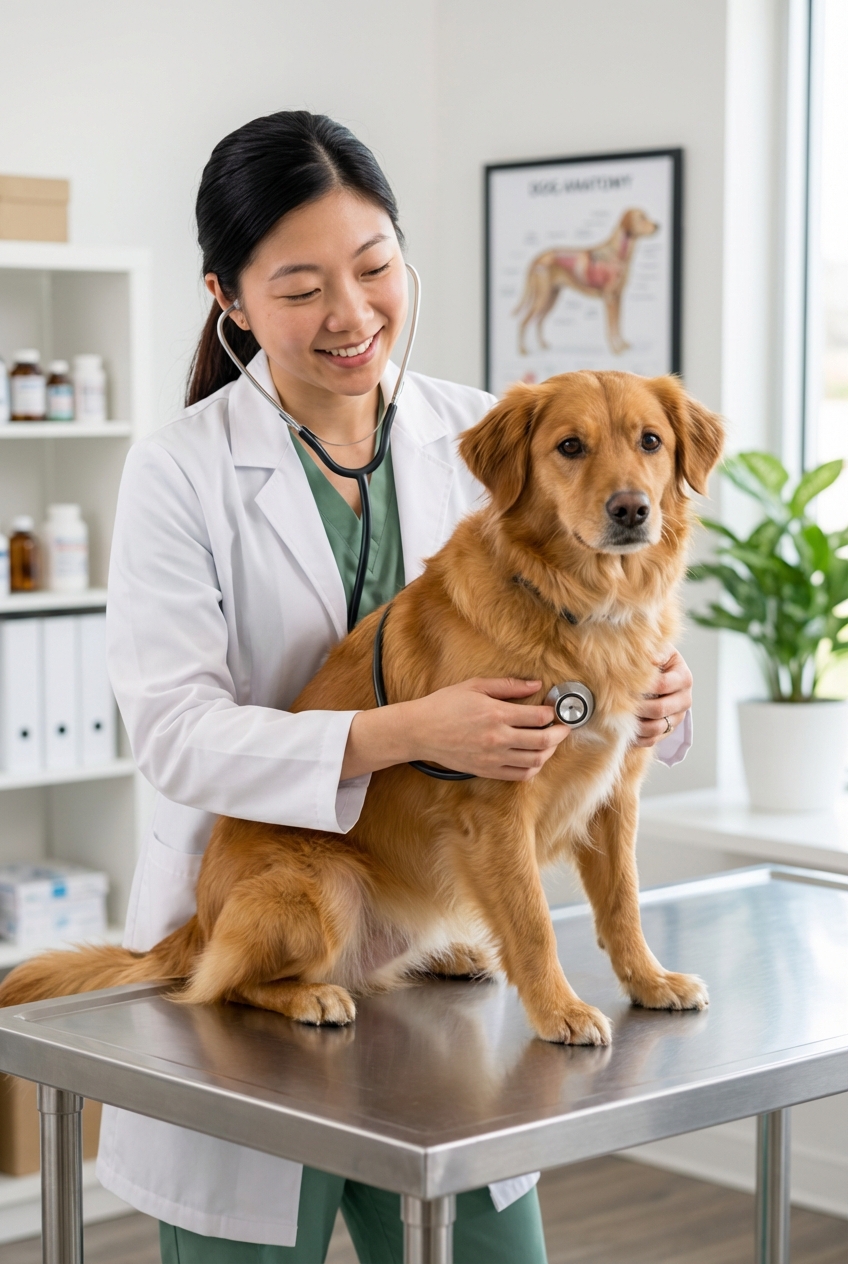
Your veterinarian may recommend a fecal test, bloodwork, x-rays, or an ultrasound, depending on symptoms and history. Some dogs also need prescription anti-nausea medication or GI protectants, which can make recovery faster and safer when home care is not enough.
Simple comfort plan
If your dog is stable and your veterinarian agrees home care is reasonable, this is an easy plan many families can follow:
- Step 1: Offer small sips of water frequently.
- Step 2: If vomiting stops, offer a small bland meal.
- Step 3: Feed small portions throughout the day.
- Step 4: Consider a canine probiotic if appropriate.
- Step 5: Transition slowly back to normal food.
- Step 6: If anything worsens or does not improve on schedule, contact your veterinarian.
Warm reminder: you do not have to guess your way through this. A quick call to your veterinary team can save time, money, and stress, and it can keep a mild upset stomach from turning into a bigger problem.