Step-by-step home care for mild dog diarrhea and vomiting: short food break, small sips of water, bland diet, pumpkin, probiotics, dehydration checks, and ur...
Article
•
Designer Mixes
Upset Stomach in Dogs: Care Guide

Shari Shidate
Designer Mixes contributor
Few things worry a dog parent faster than vomiting, diarrhea, or that sad, “my tummy feels weird” look. The good news is that many mild upset stomachs in dogs resolve with simple, safe at-home care. The important part is knowing when to watch and support and when to call your veterinarian right away.
Quick note: This article is for general education and is not a substitute for veterinary diagnosis or treatment. If your dog seems very unwell or you are unsure, call your veterinarian.
What counts as an upset stomach?
“Upset stomach” is a general phrase we use for common digestive signs such as:
- Vomiting (food, foam, bile)
- Diarrhea (soft stool, watery stool, mucus)
- Gassiness or belly gurgling
- Loss of appetite or eating grass
- Nausea signs like drooling, lip-licking, swallowing repeatedly
- Abdominal discomfort (restless, stretching, “prayer position”)
A single episode of vomiting or a day of softer stool can happen to even healthy dogs, but it depends on the dog and the details. Size, age, what they vomited, and how they are acting matter. Repeated retching, blood, possible toxin or foreign object exposure, or a dog who seems painful or “off” should override any “watch and wait” plan.
Share Your Experience
Common causes (and why they matter)
I see the same themes again and again. Upset stomach is a symptom, not a diagnosis, so the cause is what guides the right care.
Diet-related causes
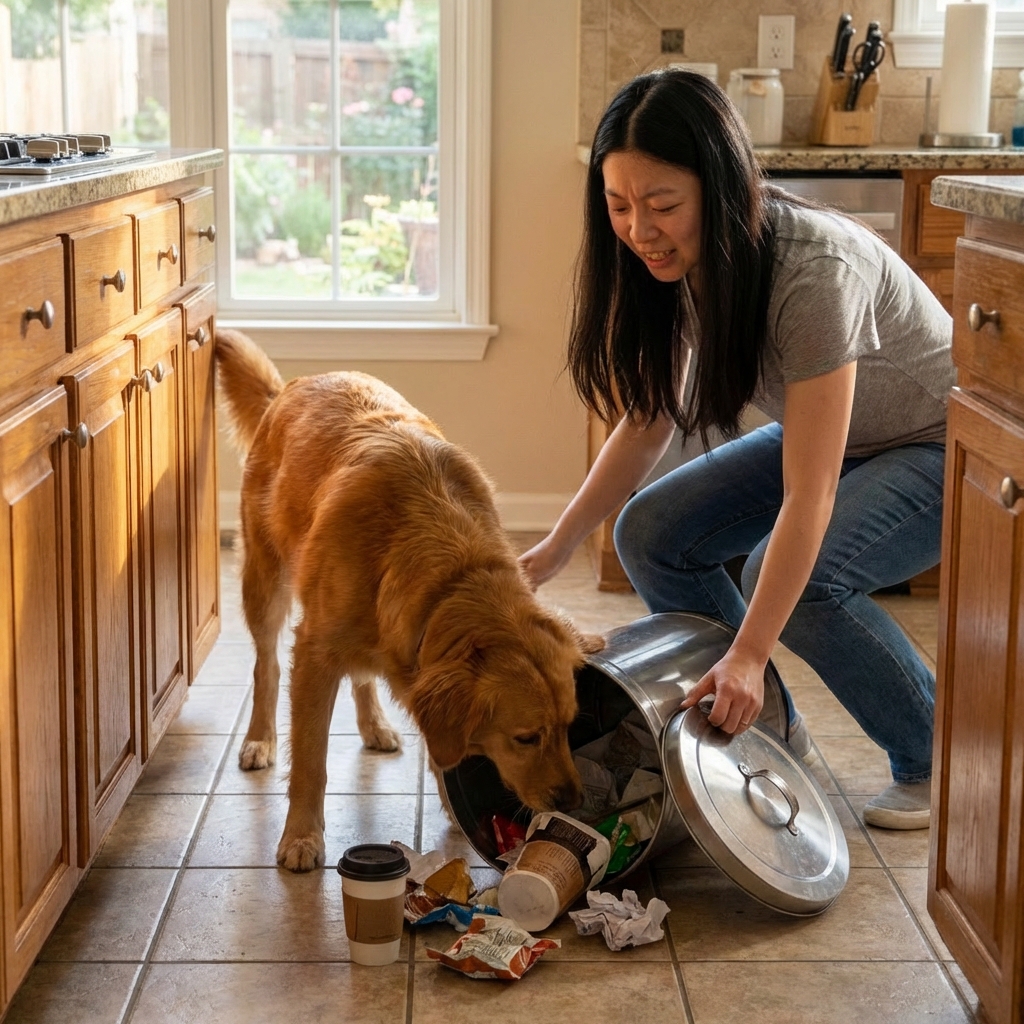
- Dietary indiscretion: trash, table scraps, greasy foods, bones, toys, socks
- Sudden diet change: switching foods too quickly can trigger diarrhea
- Food intolerance: recurrent soft stool, gas, itching, or ear issues sometimes travel together
Infectious or parasite causes
- Parasites (giardia, roundworms, hookworms): especially in puppies or dog-park regulars
- Infectious gastroenteritis: some viral or bacterial causes can spread between dogs in close contact, especially in higher-density settings (daycare, boarding)
Medical causes
- Pancreatitis: often associated with fatty foods and can be serious and painful (not every dog who eats fat gets pancreatitis, but it raises risk in susceptible dogs)
- Inflammatory bowel disease or chronic enteropathies: longer-term patterns
- Medication side effects: some antibiotics, NSAIDs, and supplements can irritate the stomach
- Toxin exposure: xylitol, chocolate, grapes/raisins, certain mushrooms, some human meds
Emergency causes
- Foreign body obstruction: vomiting plus lethargy, loss of appetite, abdominal pain, no stool or only small amounts
- Bloat (GDV): unproductive retching, distended abdomen, pacing, drooling, collapse
When to call the vet now
If any of the following are happening, it is safest to contact your veterinarian or an emergency clinic now. These are the situations where waiting can make things harder and more expensive.
- Repeated vomiting (more than 2 episodes in 24 hours, or any unproductive retching) or cannot keep water down
- Blood in vomit or stool, or stool that looks black and tarry
- Severe lethargy, weakness, collapse, or pale gums
- Abdominal pain, a bloated belly, or unproductive retching
- Suspected toxin exposure (xylitol, chocolate, grapes/raisins, human meds, rodent bait)
- Puppies, seniors, or dogs with chronic disease (kidney, liver, diabetes, Addison’s)
- Dehydration signs: tacky gums, sunken eyes, skin that “tents,” very low energy
- Diarrhea lasting more than 24 hours (or sooner if watery, profuse, or worsening)
- Possible foreign body: dog chewed a toy, cloth, bone, corn cob, etc.
Tip: If you are unsure, it is okay to call. A quick conversation can help you decide what is safe at home and what needs an exam.
At-home care for mild cases
If your dog is bright, alert, drinking, and only has mild symptoms, these supportive steps are commonly recommended by veterinarians. When in doubt, ask your clinic what is best for your dog’s age and health history.
Step 1: Give the gut a gentle break
For some healthy adult dogs after vomiting, your vet may recommend a brief rest from food. In other cases, vets prefer early, small bland meals instead of fasting. This is not appropriate for very young puppies, tiny breeds prone to low blood sugar, or dogs with certain medical conditions. If you are not sure which approach fits your dog, call your clinic.
Step 2: Focus on hydration
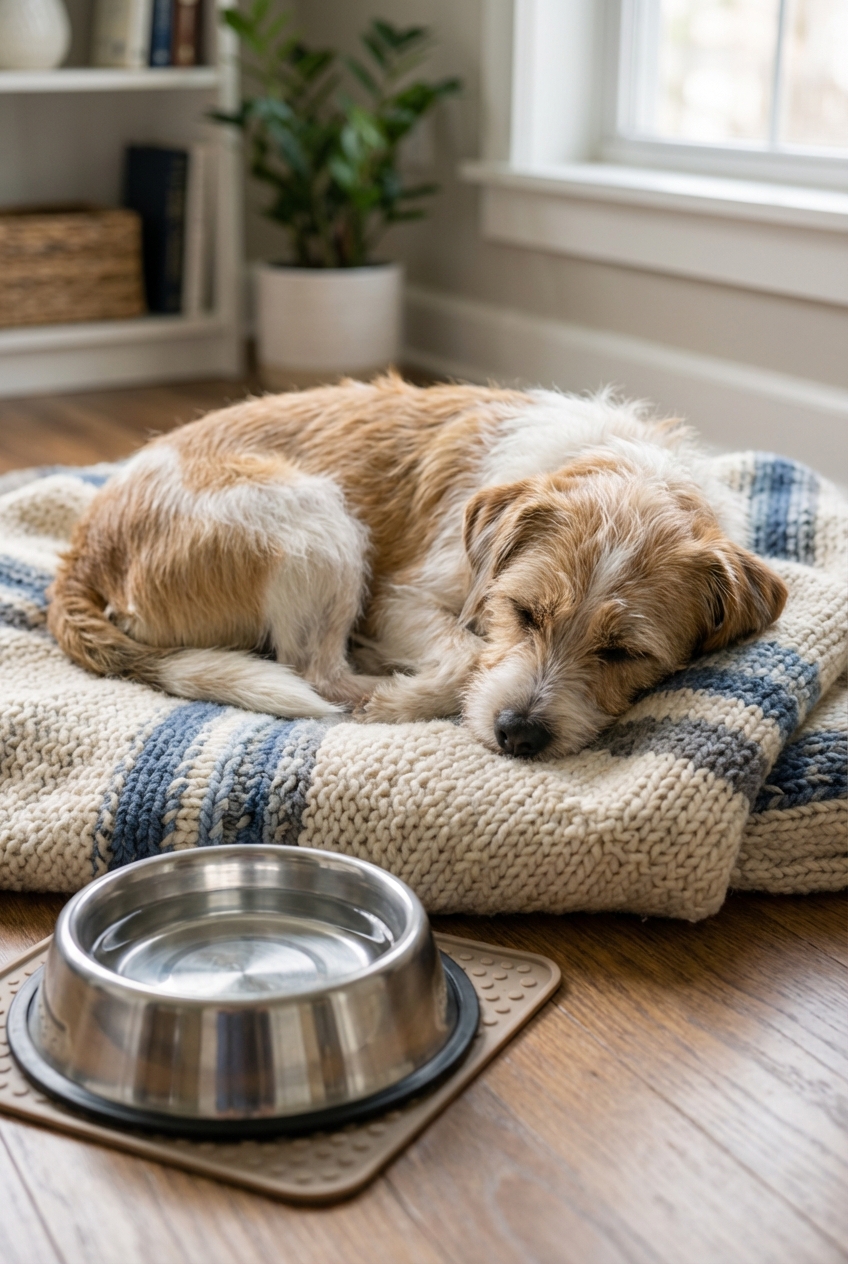
- Offer small, frequent sips of water.
- If your dog gulps and vomits, try ice chips or a tablespoon of water every 15 to 30 minutes.
- Ask your vet about an electrolyte solution that is safe for pets. Avoid sweetened sports drinks.
Step 3: Feed a bland diet in small portions
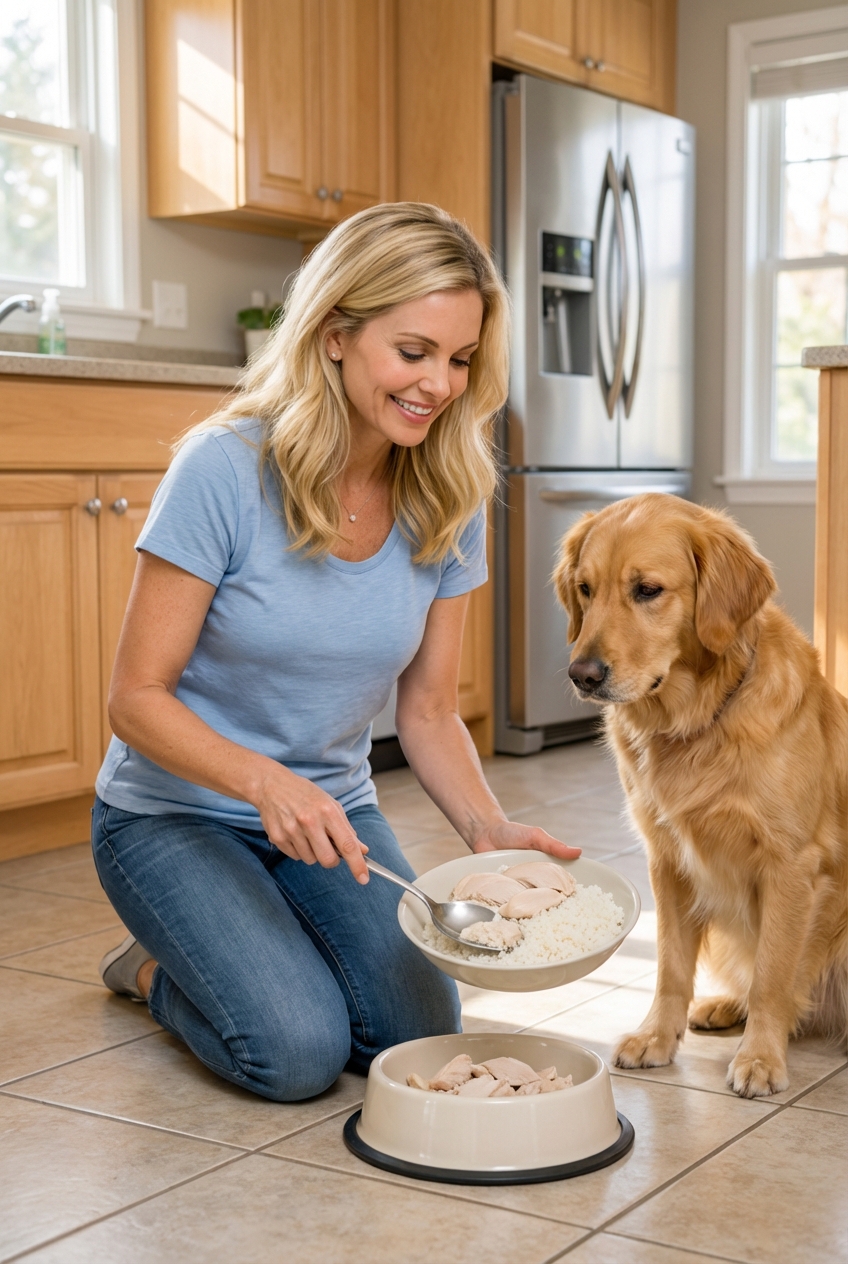
Once vomiting has stopped and water stays down, offer small meals of bland food for 1 to 3 days, then gradually transition back to normal food.
- Boiled skinless chicken breast plus plain white rice
- Lean ground turkey (cooked, drained) plus rice
- Plain pumpkin (100% pumpkin, not pie filling) may help stool quality for some dogs. Use a small amount, and skip it if your dog worsens with added fiber.
Start with a small portion and feed 3 to 6 small meals per day. If a small meal stays down for a few hours, you can offer another small portion. The goal is “easy on the stomach,” not a big meal.
If the vomiting has stopped but diarrhea continues, stick with bland, small meals and hydration support. If diarrhea is watery, frequent, or not improving by 24 hours, check in with your veterinarian.
During recovery, skip rich treats and avoid chew items like bones, antlers, and rawhides, which can irritate the gut and increase obstruction risk.
Step 4: Consider vet-approved support
Many clinics recommend:
- Probiotics formulated for dogs to support the gut microbiome
- Prescription gastrointestinal diets for dogs that flare easily
Please do not give human medications like Pepto-Bismol, Imodium, or acid reducers unless your veterinarian specifically directs you. Some can be risky or complicate the picture. For example, bismuth products can interfere with assessing bleeding, loperamide can cause serious side effects in certain dogs (including some herding breeds with MDR1 sensitivity), and acid reducers have dosing and safety considerations that should be tailored to your dog.
Step 5: Watch the poop and the whole dog
I always tell families: monitor the whole picture. Keep notes for 24 hours.
- Energy level and appetite
- Number of vomit or diarrhea episodes
- Any blood or mucus
- Ability to drink and keep fluids down
- Possible exposure (trash, new treats, dog park, chewed items)
What not to do
- Do not switch foods repeatedly in one day. Frequent changes can worsen diarrhea.
- Do not offer fatty foods “to tempt them.” Fat is a common trigger for stomach upset and is a known risk factor for pancreatitis in susceptible dogs.
- Do not force exercise. Rest helps recovery.
- Do not wait multiple days if symptoms persist. Dehydration can sneak up quickly.
What to tell your vet
If you call or go in, a few details can save time and help your vet triage safely:
- How many times your dog vomited or had diarrhea, and over what timeframe
- What it looked like (foam, bile, food, blood, black stool). Photos can help.
- Ability to keep water down
- Any possible exposures (trash, new treats, chewed items, toxins, dog park, boarding)
- Current medications and supplements
- Diet history (recent food change, new chews, table scraps)
- Age, weight, and vaccine status, especially for puppies
How vets diagnose an upset stomach
If you head to the clinic, your veterinarian may recommend tests based on your dog’s symptoms, age, and risk factors:
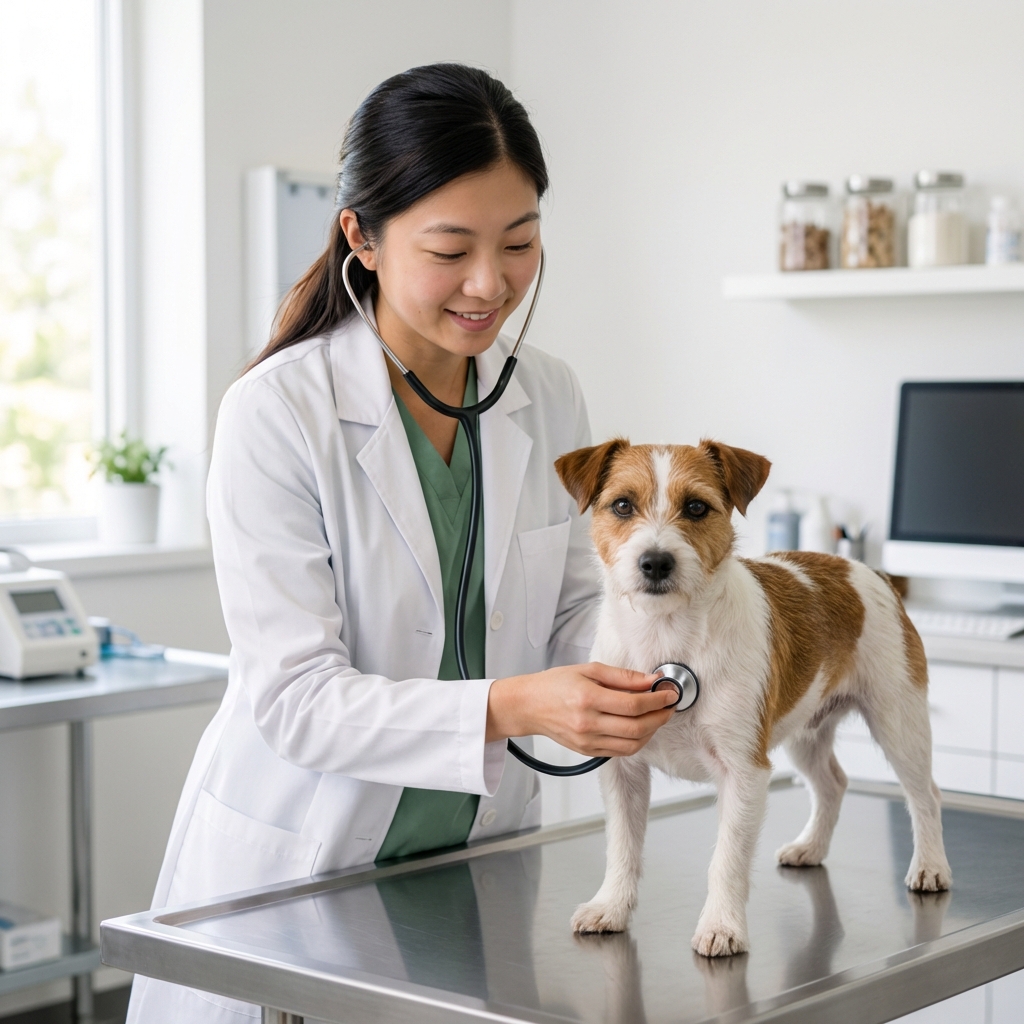
- Physical exam and abdominal palpation
- Fecal testing for parasites and giardia
- Parvo test for puppies with diarrhea and vomiting
- Bloodwork to check hydration and organ function
- X-rays or ultrasound if obstruction, pancreatitis, or other disease is suspected
Treatment can include anti-nausea medication, fluids (under the skin or IV), deworming, antibiotics when appropriate, pain control, and a therapeutic diet.
Prevention
You cannot prevent every stomach upset, but you can reduce the odds.
- Transition food slowly over 7 to 10 days.
- Keep trash secured and supervise chewers, especially puppies.
- Use parasite prevention recommended by your veterinarian, and do routine fecal checks.
- Choose treats wisely: avoid rich, greasy treats and keep new treats small at first.
- Consider a consistent approach if your dog is sensitive. Many dogs do better with simple ingredients and fewer surprises.
Most mild stomach upsets improve quickly with rest, hydration, and a gentle diet. The most important skill is recognizing when it is no longer “mild.”
Quick checklist
- Is my dog bright and responsive?
- Can they keep water down?
- Any blood, black stool, or severe belly pain?
- Puppy, senior, or chronic illness?
- Possible toxin or foreign object?
If any answers worry you, call your vet. You are not overreacting. You are being a good advocate for your dog.