Choosing a girl puppy name? Use these pet-friendly, trainer-backed tips plus cute name lists by style—classic, nature, sweet, bold, and mix-friendly—plus...
Article
•
Designer Mixes
Unique Female Dog Names and Care Tips

Shari Shidate
Designer Mixes contributor
Picking a unique female dog name is fun, but the real win is choosing one that supports your dog’s day-to-day care, training, and confidence. As a veterinary assistant in Frisco, Texas, I’ve seen it firsthand: the “right” name is the one your pup can recognize quickly, your family can say consistently, and your vet team can document clearly.
This guide walks you through how to choose a one-of-a-kind girl dog name without sacrificing clarity, safety, or good manners.
Start with your dog’s needs
A name is more than a label. It becomes a training cue, a safety tool, and a social signal at the park.
- Training: A clear name helps your dog focus faster, especially during the first weeks at home.
- Safety: In an emergency, you want a name you can say loudly and clearly without hesitation.
- Healthcare: A distinct name can help reduce mix-ups in boarding, grooming, and veterinary records.
At the clinic, I see the same handful of names every day. That is not “bad,” but it does mean staff often double-check last names, breeds, and spelling. A unique, easy-to-pronounce name makes check-in and recordkeeping smoother for everyone.
My best advice is to choose a name that feels special to you, while also being easy for your dog to learn and for others to understand.
What makes a good unique name?
1) Easy to say, easy to hear
Many trainers and behavior pros recommend short, crisp names because they are easier to deliver consistently and they tend to cut through background noise. Dogs also learn patterns fast when we keep cues clear and repeatable.
- Ideal length: 1 to 2 syllables (or a 3-syllable name with a 1 to 2 syllable nickname).
- Clear consonants: Names with sounds like K, T, P, or B often feel “punchier” when spoken.
- End sound: Many dogs seem to notice vowel endings (like “a” or “ee”), but it is not required.
Also, any name can work if you condition it well. The goal is to pick one you will say the same way, every time.
2) Not easily confused with cues
Try to avoid names that sound too similar to training words you will use a lot. It is not that the name is “wrong,” it just may slow learning early on.
- Sounds like “sit”: “Kit,” “Sid,” “Syd”
- Sounds like “stay”: “Faye,” “Mae”
- Starts like “no”: “Noa,” “Noni” (test out loud in your accent)
- Sounds like “heel”: “Hildy,” “Heli”
If you already love a name that overlaps, you can often solve it by adjusting your cue word. For example, use “wait” instead of “stay,” or “with me” instead of “heel.”
One more practical tip: also test for mix-ups with household words like “treat,” “walk,” “crate,” “car,” and other pets’ names.
3) Comfortable to call out
Say it like you’re calling her back from a squirrel chase. If you feel awkward, you will hesitate, and that hesitation matters in real life.
4) Works for everyone at home
Unique names are great, but consistency is what teaches your dog. If your family will naturally shorten it into five different nicknames, it may slow recognition in the beginning.
If your household is bilingual, say the name in both languages and at different volumes. You want something that stays clear no matter who is calling her.
How to test a name
Here’s a simple, low-stress “name test” I recommend to new dog parents:
- The 10-call test: Say the name 10 times in a happy tone. Does it still feel natural?
- The distraction test: Say it while the TV is on or while you’re outside. Does it carry?
- The vet front desk test: Imagine checking in: “Hi, I’m here with ____.” Is it easy to spell and repeat?
- The cue test: Pair it with common cues: “____, come.” “____, leave it.” If it feels clunky, tweak it.
If you are torn between two names, try your top choice for 48 hours at home. If it still feels easy and your dog is responding, you have your answer.
Unique girl dog names by vibe
If you want a name that stands out but still feels usable day to day, start with your dog’s energy, expression, and habits. These options are distinctive without being hard to live with.
Sweet and gentle
- Lumi
- Dove
- Mira
- Honey
- Mila
- Suri
- Wren
Spunky and confident
- Ziva
- Kiki
- Juno
- Roxy
- Trixie
- Nyx
- Veda
Classic, not overused
- Cleo
- Iris
- Selah
- Esme
- Thea
- Simone
Nature-inspired
- Maple
- Saffron
- Juniper (nickname: Juni)
- River
- Marigold (nickname: Mari)
- Azure
Food-inspired
- Mochi
- Olive
- Peaches
- Chai
- Pippa
- Berry
- Cocoa
Truly uncommon picks
- Oona
- Brisa
- Eira
- Kova
- Solvi
- Tamsin
- Calyx
- Iskra
- Vesper
- Quilla
One quick note on “unique”: some names trend fast. If you love something like Olive or Juniper, you can still use it, just know you might meet another one at daycare.
Naming mistakes to avoid
Too long without a nickname
Long names can work, but only if you naturally use a short version every day. “Marigold” becomes “Mari.” “Seraphina” becomes “Sera.” Your dog will learn the word you actually say most.
Too similar to another pet or person
In multi-pet homes, sound-alike names create daily confusion. “Mila” and “Lila” are adorable, but you will spend months repeating yourself.
Inviting the wrong kind of attention
Some names can invite too much interaction from strangers, which is not ideal for shy dogs. If your pup is timid, choose a calm, simple name and advocate for her space.
Changing it repeatedly
If your rescue came with a name, you can change it, but do it once and then stick with it. Most dogs adjust within days to a few weeks when the new name is paired with positive reinforcement and consistency.
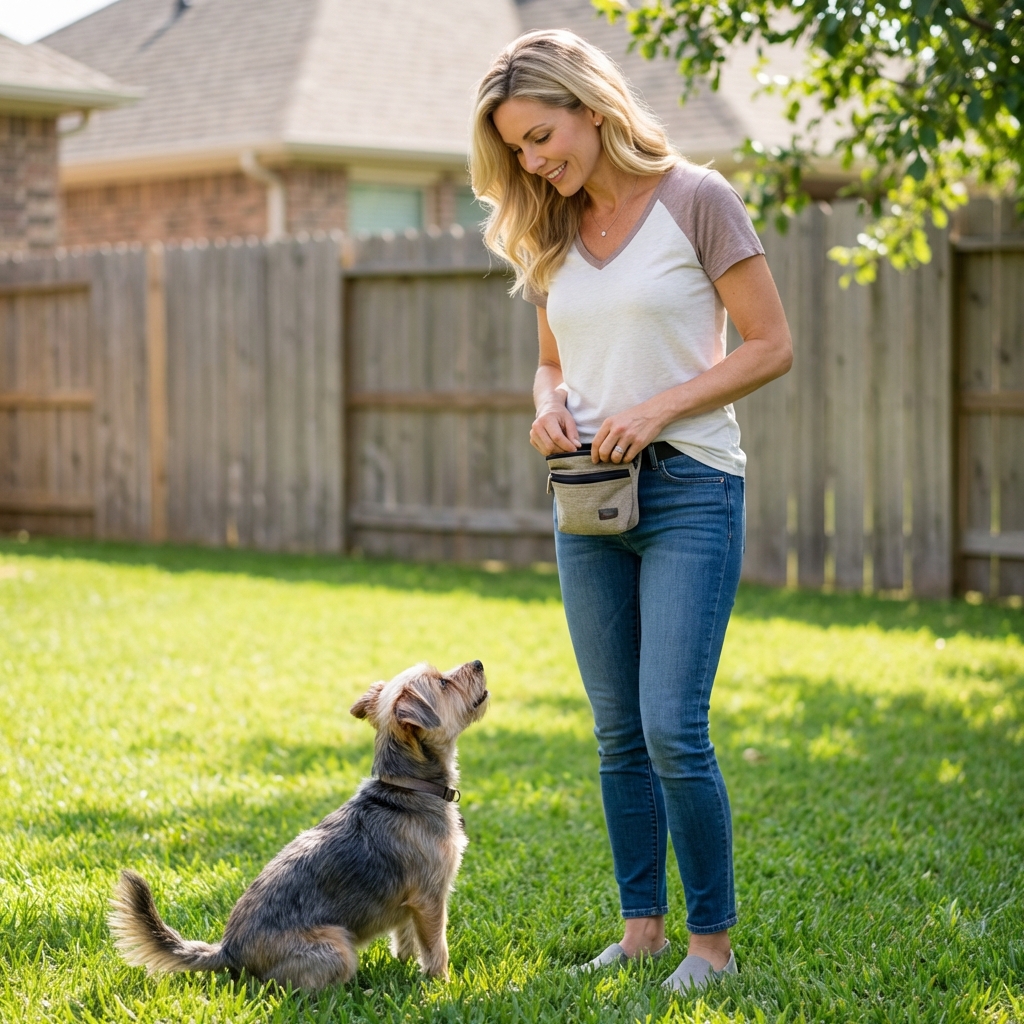
Teach her name fast
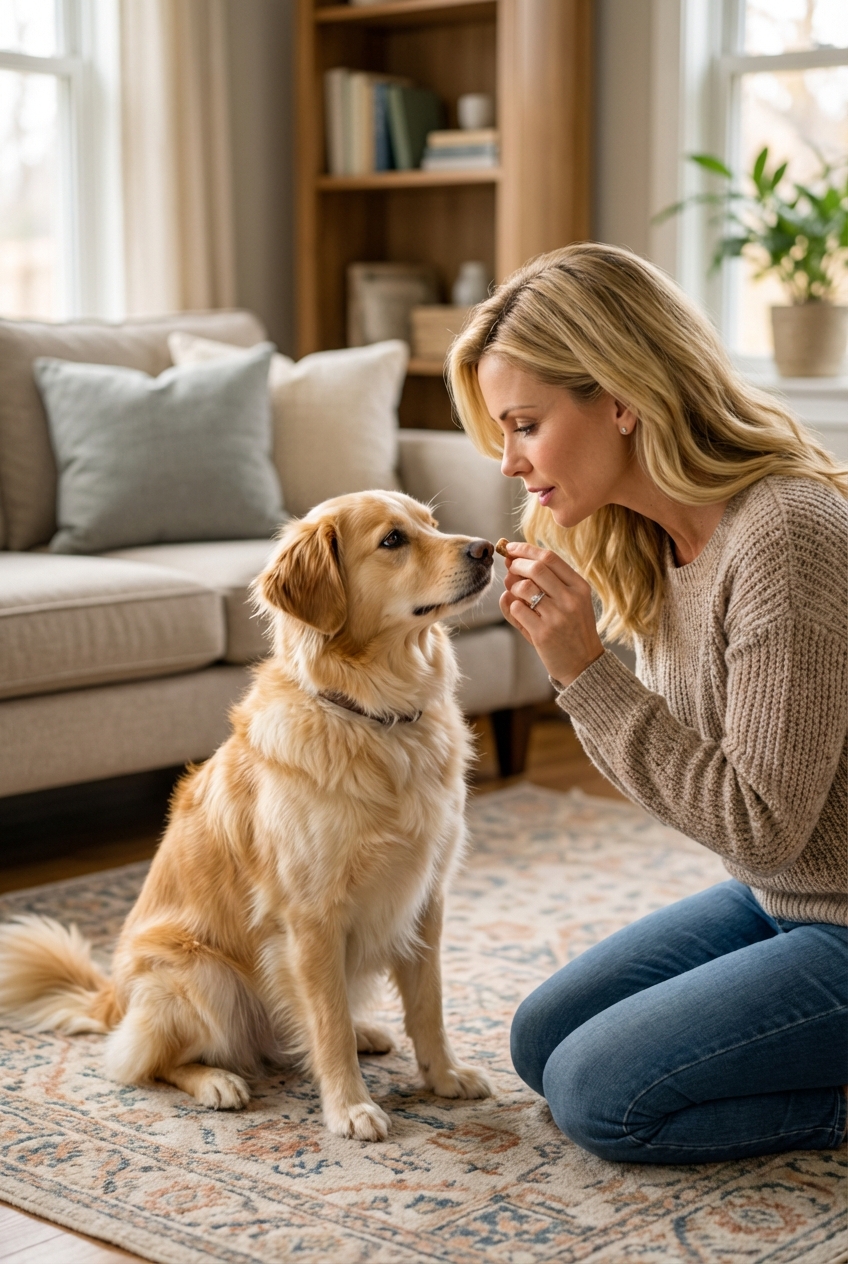
Name recognition is one of the easiest wins you can get in the first week. Keep it upbeat and short.
Simple 3-step method
- Say her name once in a warm tone.
- Mark and reward the moment she looks at you (a treat, praise, or a quick game).
- Repeat for 30 to 60 seconds, then stop.
Do 2 to 3 mini sessions per day. You’re building a reflex: “When I hear that sound, good things happen.”
Your dog’s name should never be the warning before something scary. Try not to pair her name with punishment. Use it as an attention cue, then give a clear instruction.
In group classes or busy parks, this matters even more. If your name sounds like a common cue other owners are using, your dog may look up at the “wrong” times. A distinct name helps your dog know you mean her.
Make a name feel unique
If you love a popular name but want something more original, you can personalize it without making it complicated.
- Add a twist: “Bella” becomes “Bellamy” or “Bela.”
- Use a meaningful place: A street name, park, or city that matters to your family.
- Honor her coat or markings: “Freckle,” “Smudge,” “Dottie,” “Sable.”
- Pull from your interests: Books, astronomy, music, or mythology, as long as it stays easy to say.
And remember, your dog will make the name her own. The most “perfect” name becomes even better once it’s attached to her personality and your routines together.
Quick checklist
- Is it easy to say clearly and quickly?
- Does it sound different from common cues like “sit,” “stay,” and “no”?
- Will everyone in your household use the same name?
- Can you imagine saying it at the vet, groomer, or daycare?
- Does it feel like her?
If you can say yes to most of these, you’re in a great place. Choose the name, celebrate it, and start building that bond one happy repetition at a time.