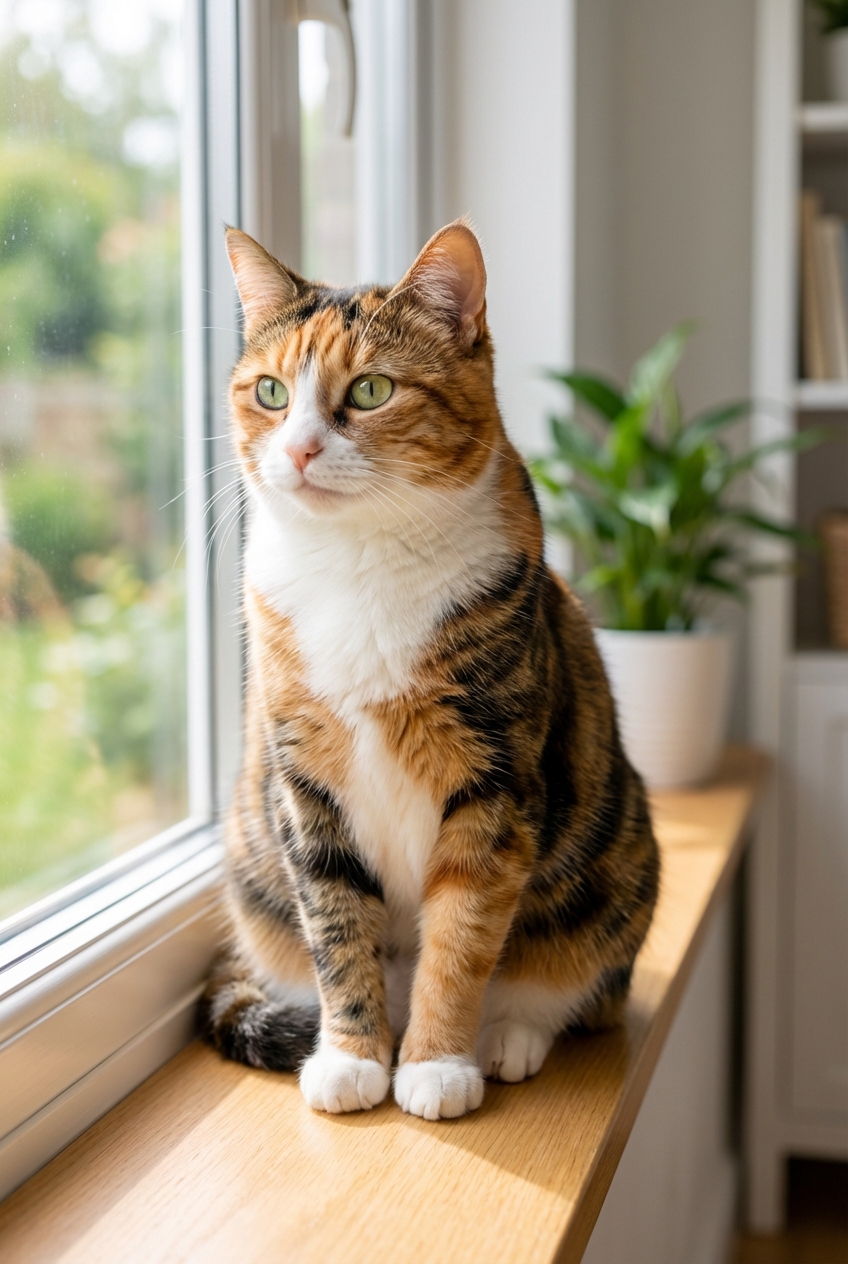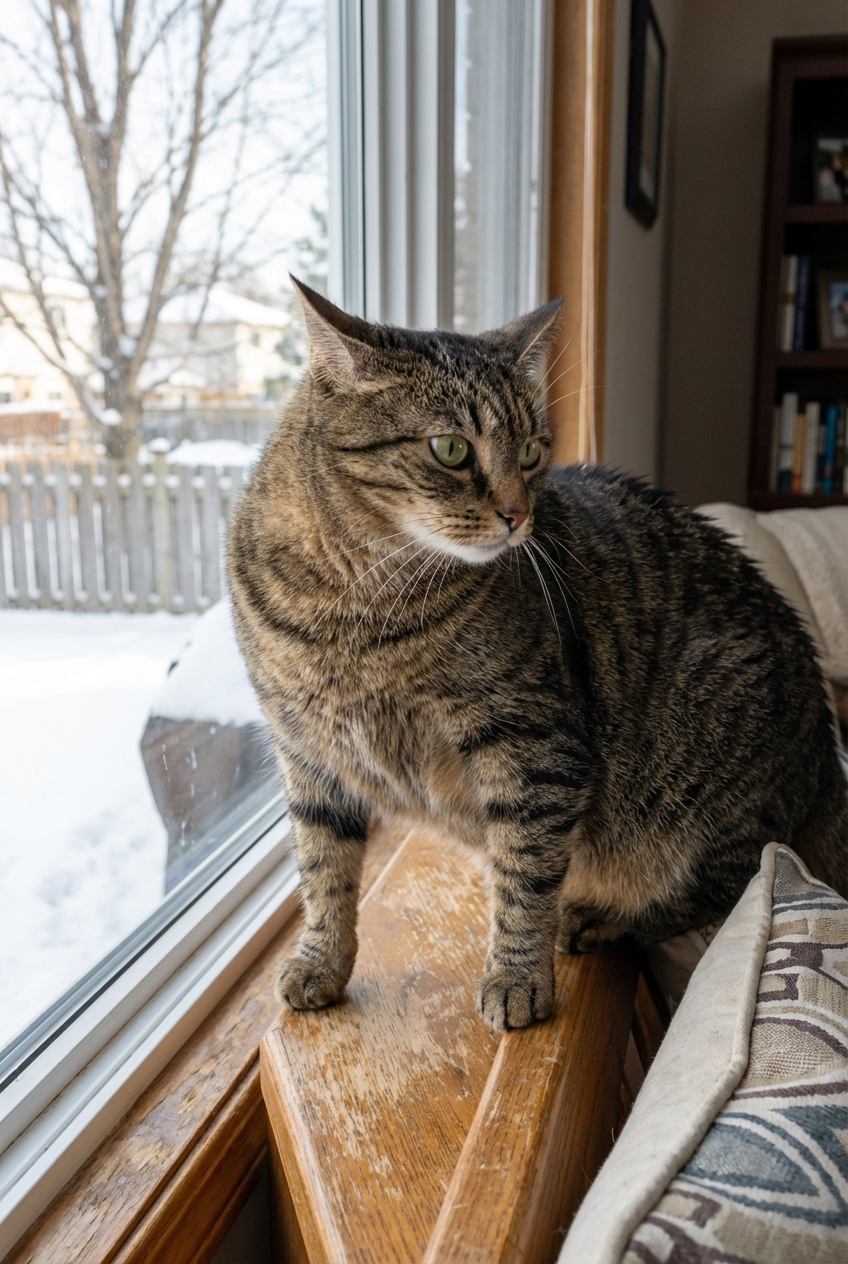
Wondering how long cat heat lasts? Most heats run 4–10 days and can repeat every 2–3 weeks. Learn the stages, common signs, calming tips, and when to cal...
Article
•
Designer Mixes
Understanding the Feline Heat Cycle

Shari Shidate
Designer Mixes contributor
If you have an unspayed female cat (a queen), you may be surprised by how often she seems “in heat.” From the outside it can look like nonstop yowling, restlessness, and intense affection. But there is real biology behind it, and once you understand the feline heat cycle, it becomes much easier to manage your cat’s comfort and your household stress.
As a veterinary assistant, I always tell families this: cats are seasonal breeders, and heat cycles can repeat quickly when a cat does not become pregnant. That is why it can feel like it never ends, especially during peak season or in indoor cats exposed to long hours of light.
Note: This article is general education and not a substitute for veterinary advice for your specific cat.
What “heat” means in cats
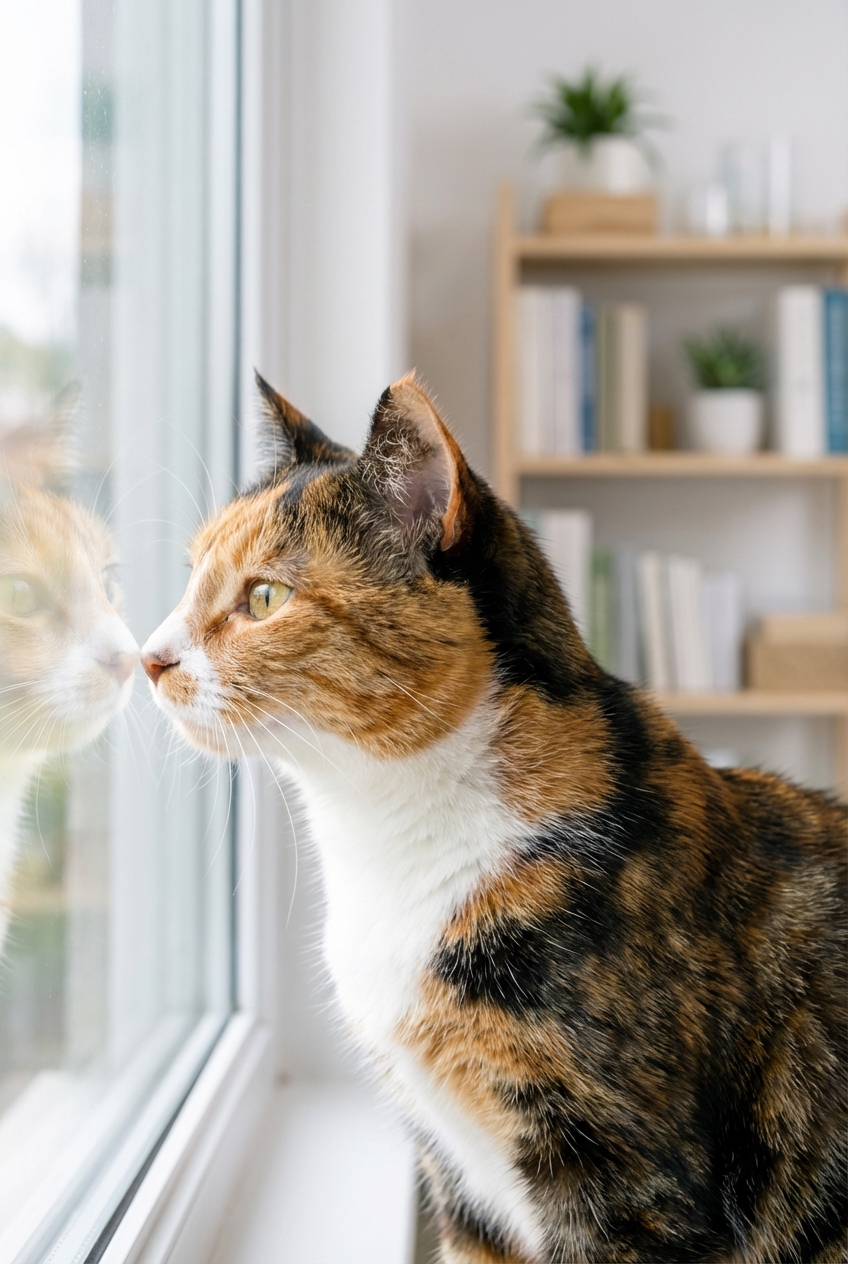
“Heat” is the common term for estrus , the time in a female cat’s reproductive cycle when she is fertile and actively seeking to mate. During estrus, hormones drive behaviors meant to attract male cats, even if your cat lives fully indoors.
Cats are different from dogs in a few important ways:
- Cats are induced ovulators. Most queens ovulate after mating, not on a predictable day of the cycle.
- Heat cycles can repeat often. If a queen does not ovulate and become pregnant, she may return to heat again soon.
- Season matters. Daylight length influences cycling, so many cats have more frequent heats in brighter months. Indoor lighting can stretch this out.
How often do cats go into heat?
During the breeding season, many intact cats go into heat about every 2 to 3 weeks if they do not become pregnant. Some cats cycle even more frequently during peak season.
Each heat episode (estrus) most often lasts about 3 to 14 days , with many cats falling in the 4 to 10 day range.
That timing is exactly why it can feel constant: days of heat, a short break, then right back into it.
When is the breeding season?
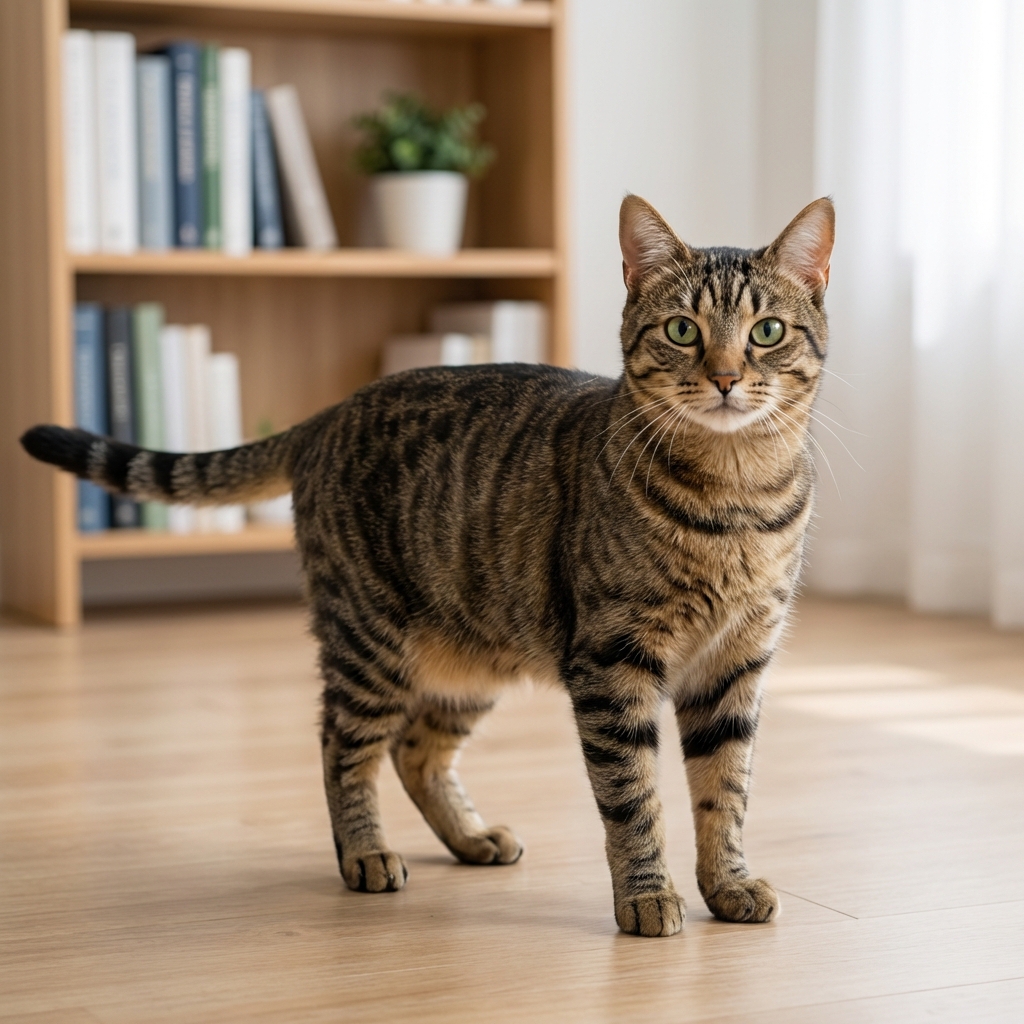
In many areas, breeding season is tied to daylight and often runs from late winter through early fall. Indoor cats exposed to artificial lighting can cycle more broadly across the year, and some may seem to have heats on and off in most months.
How soon after one heat will another happen?
If a cat does not ovulate, she may return to heat after a short “off” period, often in about 1 to 3 weeks. Individual cats vary, and some queens have back-to-back cycles with very short breaks during peak breeding season.
When do cats start going into heat?
Most cats reach puberty and can have their first heat around 5 to 9 months of age, but some can start as early as about 4 months. Others may start later.
Factors that can influence timing include:
- Breed and genetics
- Body condition (very underweight cats may mature later)
- Daylight exposure and season
Heat cycle stages (simple)
You do not need to memorize the science, but knowing the general stages can help you understand why the behavior comes and goes.
Proestrus
This early stage may last a day or two. Your cat may be more affectionate or restless, but she usually will not fully “present” for mating yet.
Estrus (heat)
This is the active heat stage. It often lasts 3 to 14 days. This is when most owners notice the biggest behavior changes.
Interestrus
If she does not ovulate, she may have a short “off” period before returning to estrus again.
Anestrus
This is a resting period when cycling slows or stops, often during shorter daylight months. Indoor lighting can make this resting phase less obvious.
Signs your cat is in heat
Many people expect bleeding like a dog in heat, but cats usually do not have noticeable bleeding . What you will see is behavior.
- Loud vocalizing (often yowling, especially at night)
- Increased affection and rubbing on people or furniture
- Rolling on the floor
- “Presenting” posture (lordosis) with chest down, rear raised, tail to the side
- Restlessness and pacing
- Trying to escape through doors or windows
- Decreased appetite in some cats
One important note: these behaviors can be dramatic, but they are not your cat “being bad.” She is responding to powerful reproductive hormones.
Can an indoor cat go into heat?
Yes. Indoor cats can and do go into heat. Even without contact with male cats, the hormonal cycle still occurs. In fact, indoor cats may cycle more persistently if they are exposed to long hours of indoor lighting.
If you have an intact female, be extra careful around doors, patio time, and window screens. A determined queen in heat can slip out quickly, and male cats can show up from surprising distances.
Pregnancy risk (it can happen fast)
Queens can mate multiple times during a single heat, and it can take only one brief escape for pregnancy to occur. It is also possible for kittens in the same litter to have different fathers if she mates with more than one male.
How to help a cat in heat
There is no safe at-home way to “stop” heat immediately without veterinary care. Prescription hormone medications exist, but they are not do-it-yourself options and they come with potential risks, so they should only be discussed and used under a veterinarian’s guidance.
What you can do at home is reduce stress and prevent escapes:
- Keep her strictly indoors, and double-check screens, doors, and garage access.
- Add enrichment like food puzzles, extra play sessions, and a predictable routine.
- Offer cozy resting spots in quiet areas to help her settle between activity spikes.
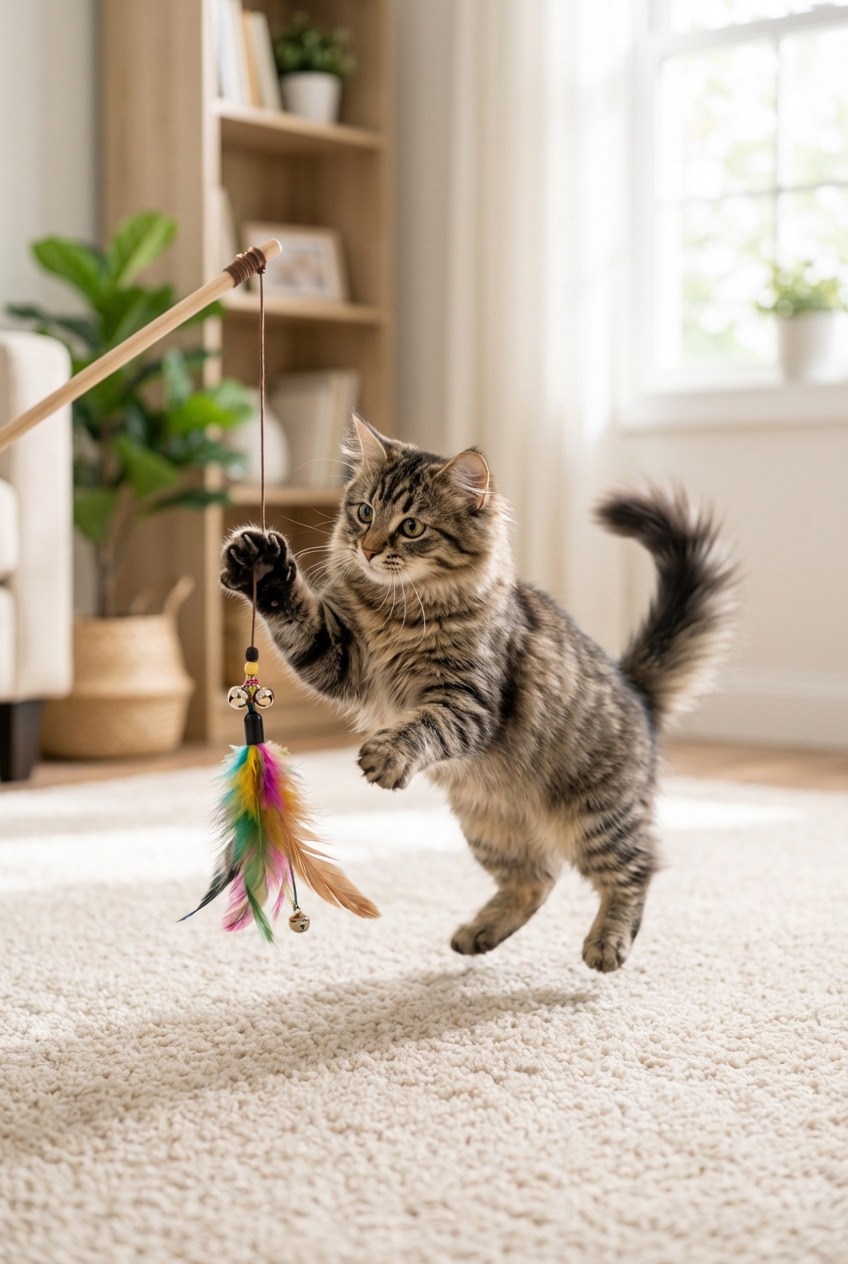
- Use gentle distraction such as wand toys or short training sessions for treats.
- Reduce triggers by limiting open windows if neighborhood cats are nearby and your cat becomes more agitated.
- Reduce outside attention by keeping curtains/blinds closed at night and discouraging visiting tomcats outside (for example, motion-activated lights or sprinklers if appropriate for your space).
What not to do
- Do not give human medications for pain, anxiety, or sleep. Many are dangerous to cats.
- Do not use unprescribed hormones or “heat stops.” If a product claims to stop heat, talk to your veterinarian before using it.
If the behaviors are intense or your cat seems distressed, call your veterinarian. They can discuss timing for spay surgery and whether any medical options are appropriate in your situation.
Spaying and heat cycles
Spaying (ovariohysterectomy or ovariectomy) is the most effective way to prevent heat cycles and avoid unplanned litters. It also reduces the risk of several health problems, including uterine infection (pyometra), and it lowers the risk of mammary cancer.
The protective effect against mammary cancer is strongest when spaying is done before the first heat, and it remains beneficial when done before subsequent heats compared with leaving a cat intact.
Many veterinarians recommend spaying before the first heat when possible, but the best timing depends on your cat’s health, age, and your veterinarian’s protocols. If your cat is currently in heat, clinics vary. Some will spay during heat, while others prefer to schedule after signs resolve because blood flow to reproductive organs can be increased during estrus.
If you are unsure what to do next, a quick call to your vet’s team can help you plan the safest, smoothest timeline.
When it might be something else
Occasionally, behaviors that look like heat are caused by other issues. Contact your veterinarian promptly if you notice:
- Vaginal discharge (especially pus-like, foul-smelling, or bloody)
- Lethargy, fever, vomiting, or your cat seems generally unwell
- Straining to urinate or frequent trips to the litter box
- Sudden behavior change paired with weight loss or increased thirst
Trust your instincts. If something feels “off” beyond typical heat behaviors, it is always worth a professional check.
Quick answers
How often do cats go into heat?
Commonly every 2 to 3 weeks during breeding season if they do not become pregnant, but some cycle more frequently.
How long does a heat last?
Often 3 to 14 days, with many cats in the 4 to 10 day range.
Do cats bleed when in heat?
Usually no. Bleeding or discharge should be discussed with your veterinarian.
Can my cat get pregnant the first time she goes into heat?
Yes. Cats can become pregnant very early once they reach sexual maturity.
Will this happen nonstop?
It can feel nonstop because the cycle may repeat quickly. Some cats appear to cycle almost continuously during peak season or under long indoor light exposure.
A gentle takeaway
If you are living with an unspayed female, frequent heat cycles are normal and can repeat fast. The most humane, long-term solution for your cat’s comfort and your peace of mind is usually scheduling a spay with your veterinarian when appropriate. Until then, keep her secure indoors, give her extra enrichment, and do not hesitate to reach out to your vet team for help.