Learn vet-approved crate training that feels like a safe bedroom, not confinement. Get a gentle 7-day plan, setup tips, nighttime guidance, and how to handle...
Article
•
Designer Mixes
Understanding FIV in Cats

Shari Shidate
Designer Mixes contributor
If your cat has been diagnosed with Feline Immunodeficiency Virus (FIV), it is completely normal to feel worried. I want you to take a slow breath with me: many FIV-positive cats live long, comfortable, loving lives. The key is understanding what FIV is, what it is not, and how to protect your cat’s health and lower infection risk with smart everyday care.

What FIV is (and what it is not)
FIV is a viral infection that affects a cat’s immune system. Over time, it can make some cats more vulnerable to secondary infections like dental disease, skin infections, or respiratory illness. But FIV itself is not a death sentence, and many cats never develop serious complications.
FIV is sometimes called “the cat version of HIV,” but it is species-specific. That means:
- Humans cannot catch FIV from cats.
- Dogs cannot catch FIV from cats.
- It is spread cat to cat under certain circumstances.
Good to know: while humans cannot catch FIV, basic hygiene is still wise around any pet. Wash hands after cleaning litter boxes, and be extra careful with scratches or bites, especially if someone in the home is immunocompromised.
FIV also is not the same as FeLV (Feline Leukemia Virus). FeLV is generally more easily transmitted through close social contact like shared bowls and grooming. FIV transmission is different, and understanding that difference helps you make calmer, safer decisions at home.
How FIV spreads
The most common route of transmission is deep bite wounds, where infected saliva enters tissue. This is why FIV is diagnosed more often in intact male cats that have been outdoors and involved in fights.
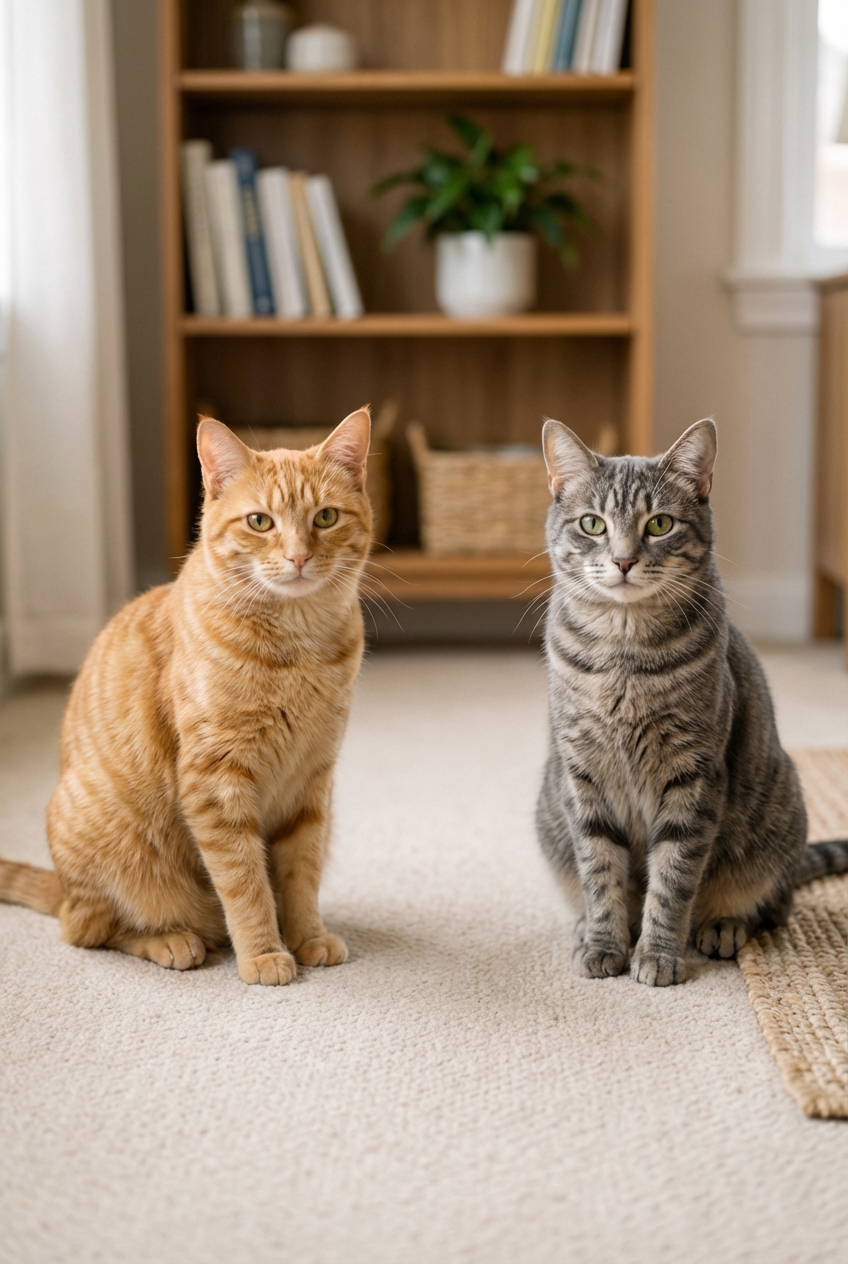
Casual household contact is much lower risk. In many stable, peaceful homes, FIV-positive and FIV-negative cats can coexist safely, especially when everyone is spayed or neutered and personalities are a good match.
Shared bowls and litter boxes
In general, FIV is not efficiently spread through shared food bowls, water bowls, or litter boxes. The big concern is fighting with bites. If your cats are bonded, non-aggressive, and well-managed, many veterinarians consider cohabitation reasonable. If there is tension, bullying, or past fights, the risk goes up.
Kittens and mother cats
Transmission from a mother cat to kittens is possible (during pregnancy, birth, or nursing), but it is considered less common than bite-wound transmission. There is also an important testing wrinkle: kittens can test false positive for a period of time due to maternal antibodies.
Your veterinarian will guide you on timing, but many clinics plan repeat testing as kittens grow, often with a final retest around 6 months of age to clarify true infection status.
Signs to watch for
Some FIV-positive cats look perfectly healthy for years. Others may develop recurring or stubborn infections. Call your veterinarian if you notice:
- Bad breath, drooling, red gums, or difficulty eating (dental disease is very common)
- Weight loss or decreased appetite
- Chronic sneezing, nasal discharge, or eye discharge
- Skin sores, recurrent abscesses, or poor wound healing
- Persistent diarrhea or vomiting
- Fever, lethargy, or “just not acting right” for more than a day
A simple rule I share with families is this: do not wait on “small” symptoms. With FIV, early treatment of secondary issues can prevent a minor problem from turning into a big one.
If you see severe symptoms like trouble breathing, collapse, or a rapidly worsening wound, skip the wait and seek urgent care. (There is a quick list near the end.)
Diagnosis and test basics
Most cats are screened using a quick in-clinic blood test that detects antibodies to FIV. A positive result is meaningful, but there are times your veterinarian may recommend confirmation testing, especially if:
- Your cat is a kitten
- Your cat has a low risk history and no symptoms
- The result is unexpected and life decisions depend on it
Confirmation options vary by region and lab and may include a different antibody test, PCR testing, or other reference-lab methods. No single test is perfect in every scenario, so interpretation should consider age, history, and risk.
One more nuance: an older FIV vaccine existed in some places and could cause a cat to test antibody-positive. It has been discontinued in many regions, but if your cat has an unknown history or came from a shelter, confirmation testing may be especially helpful.
Daily care that helps
There is no one “magic supplement” that replaces solid preventive care. The good news is that the most effective steps are also the most doable.
Keep your cat indoors
Indoor life reduces exposure to infectious diseases, parasites, and injuries. It also prevents your cat from getting into fights that could spread FIV to other cats.
Spay or neuter
Spaying and neutering reduces roaming, mating behaviors, and fighting. In other words, it lowers the chance of bite wounds and the infections that can follow.
Prioritize dental health
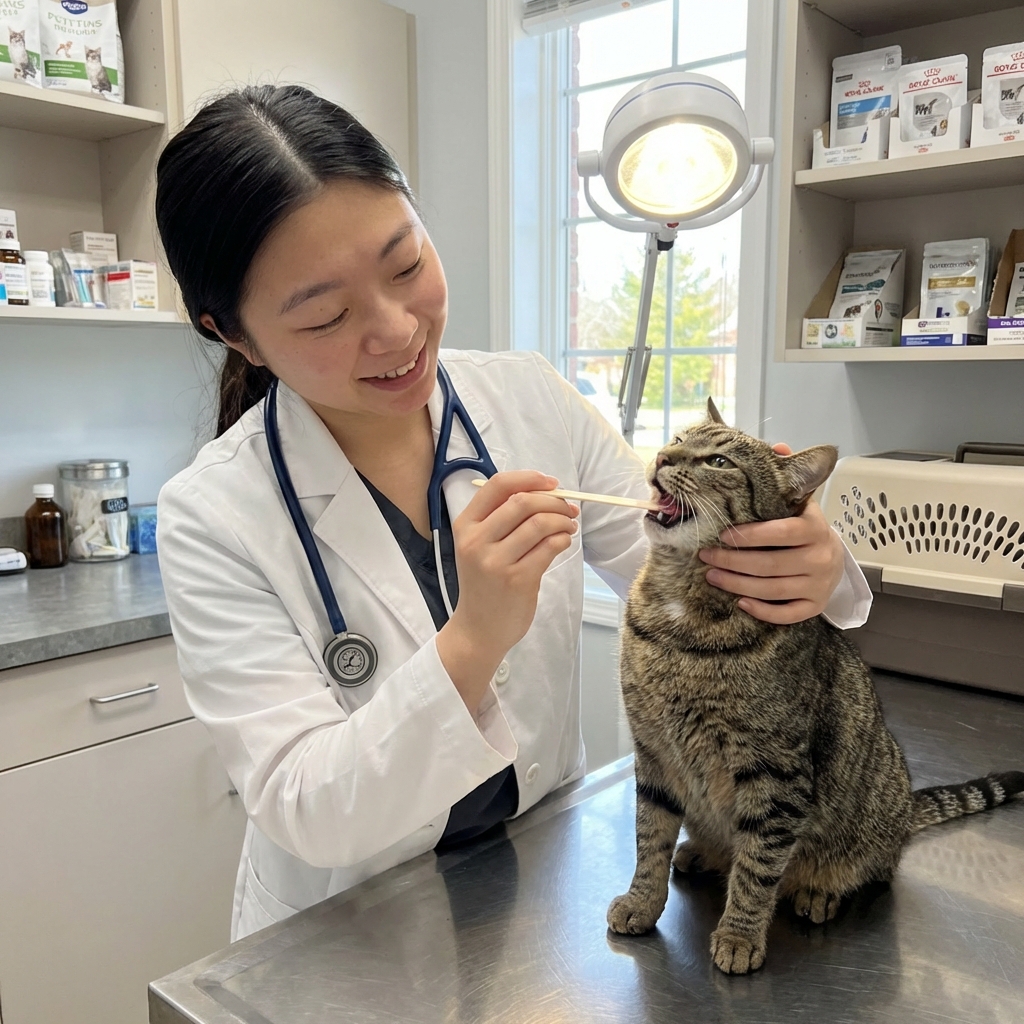
Dental disease and gum inflammation are frequent in FIV-positive cats. Work with your vet on:
- Regular oral exams
- Professional cleanings when needed
- At-home dental support your cat will actually tolerate (brushing, dental treats approved by your vet, or dental gels)
Feed a steady, high-quality diet
Nutrition is one of your best tools for overall immune support. Choose a complete and balanced diet that your cat digests well and maintains a healthy weight on. If you are curious about fresh or homemade-style feeding, do it with guidance so your cat still gets essential nutrients like taurine, vitamin A, and balanced minerals.
Also important: most veterinarians recommend avoiding raw or undercooked animal products for immunocompromised cats because of the higher risk of foodborne bacteria and parasites. Food safety matters for everyone in the household, too.
Reduce stress
Stress affects immune function in all animals, including cats. Simple changes can make a big difference:
- Predictable routines for meals and play
- Enough litter boxes (often one per cat, plus one extra)
- Safe hiding spots and vertical spaces
- Slow introductions for any new pets
Parasite prevention
Fleas, ticks, and intestinal parasites can trigger skin issues, anemia, and ongoing inflammation. Ask your veterinarian about safe, consistent parasite prevention for your cat’s lifestyle, even if your cat lives indoors.
Vaccines and checkups
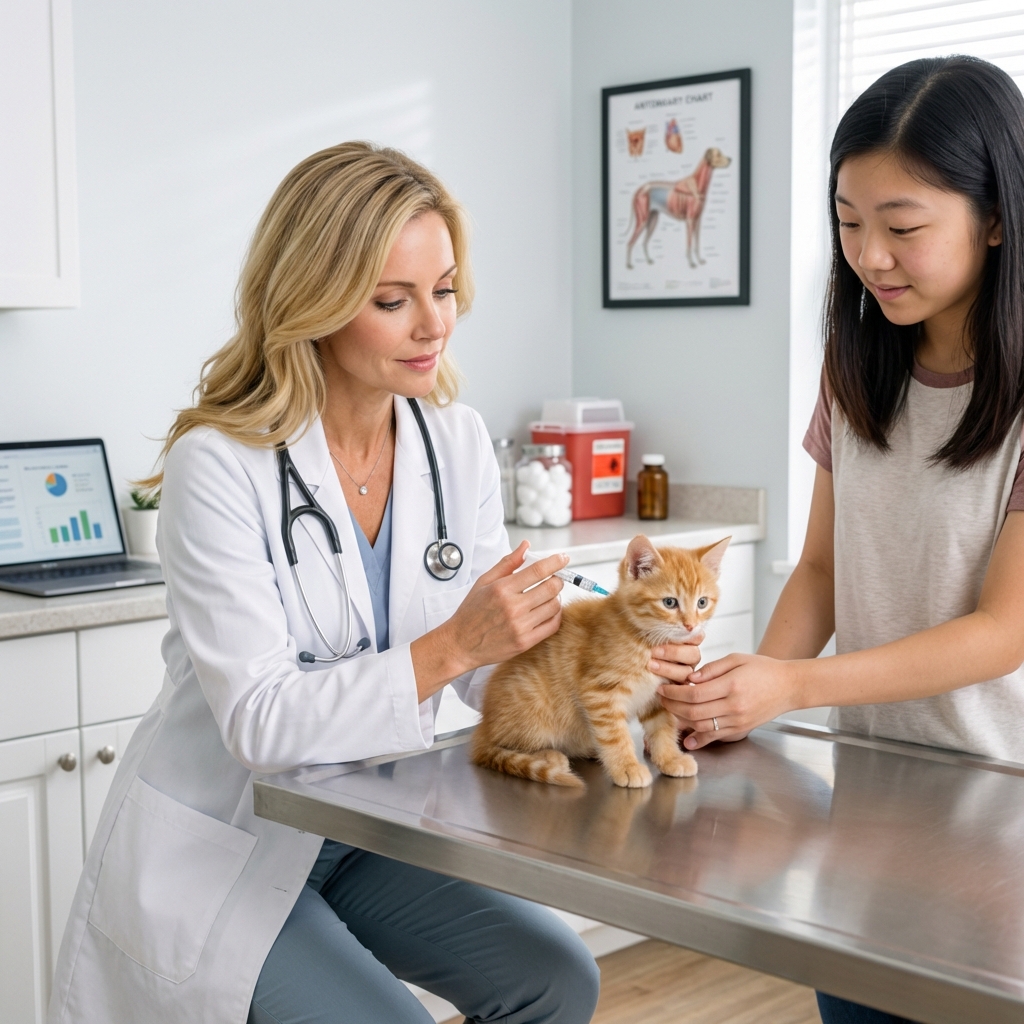
Work with your veterinarian on a vaccination plan tailored to your cat’s lifestyle and overall health. Many FIV-positive cats still benefit from core vaccines, but the goal is to give what is indicated and avoid unnecessary vaccines. Your vet may adjust timing based on age, indoor status, and immune health.
Yearly or twice-yearly wellness exams can be especially helpful, because subtle issues are easier to treat early.
Living with other cats
One of the most emotional questions I hear is, “Do I have to separate my cats forever?” The honest answer is: it depends on behavior and household dynamics.
Many FIV-positive cats live safely with FIV-negative cats when:
- All cats are spayed or neutered
- The group is stable and non-aggressive
- There is no biting or serious fighting
- Resources are plentiful (food stations, litter boxes, resting spots)
If your home has frequent conflict, talk to your vet and consider a behavior consult. Sometimes managing the environment can prevent fights and lower risk dramatically.
Outlook
Many cats with FIV can have a near-normal lifespan, especially when they are protected from major stressors, kept indoors, and receive prompt veterinary care for infections or dental problems. Individual outcomes vary based on factors like overall health, age, and other medical conditions.
FIV does not define your cat. Your cat is still the same companion, with the same personality, the same purr, and the same need for safety and love.
It can help to think of FIV as a condition you manage, not a crisis you live in every day. Your job is to stay observant, keep preventive care strong, and partner closely with your veterinarian.
When to see the vet fast
Seek veterinary care promptly if your cat has:
- Not eaten for 24 hours (or significantly decreased appetite for more than a day)
- Labored breathing or open-mouth breathing
- Sudden weakness, collapse, or severe lethargy
- Repeated vomiting or diarrhea, especially with dehydration
- A bite wound, swelling, or abscess
- Signs of mouth pain (pawing at the mouth, dropping food, crying while eating)
Fast action is one of the most powerful ways you can protect an FIV-positive cat.