Cats are obligate carnivores. Learn how protein, fat, and moisture affect weight, skin and coat, digestion, and urinary health—plus label tips and wet vs d...
Article
•
Designer Mixes
Turkish Van Cat Personality, Help & Care

Shari Shidate
Designer Mixes contributor
The Turkish Van is the kind of cat people talk about for years after meeting one. Athletic, smart, and affectionate on their own terms, they are also known for a frequent curiosity about water. If you are drawn to an interactive, busy companion who wants to be part of your daily life, the Van can be a wonderful match. If you want a quiet lap cat who goes with the flow, this breed can feel like a lot.
As a veterinary assistant, I always tell families: the best care starts with understanding what behavior is normal for the breed. When you know what to expect, it is easier to prevent problems and set your cat up for a healthy, confident life.
Quick Turkish Van personality snapshot
- People-focused: Often bonds strongly with their favorite humans and follows them room to room.
- High energy: Built for jumping, climbing, and sprinting. Many act kitten-like well into adulthood.
- Confident and curious: Usually the first to investigate a new bag, visitor, or noise.
- Affectionate but not clingy: Many enjoy being near you more than being held for long stretches.
- Play-driven hunter: Loves interactive games and may “stalk” toys like prey.
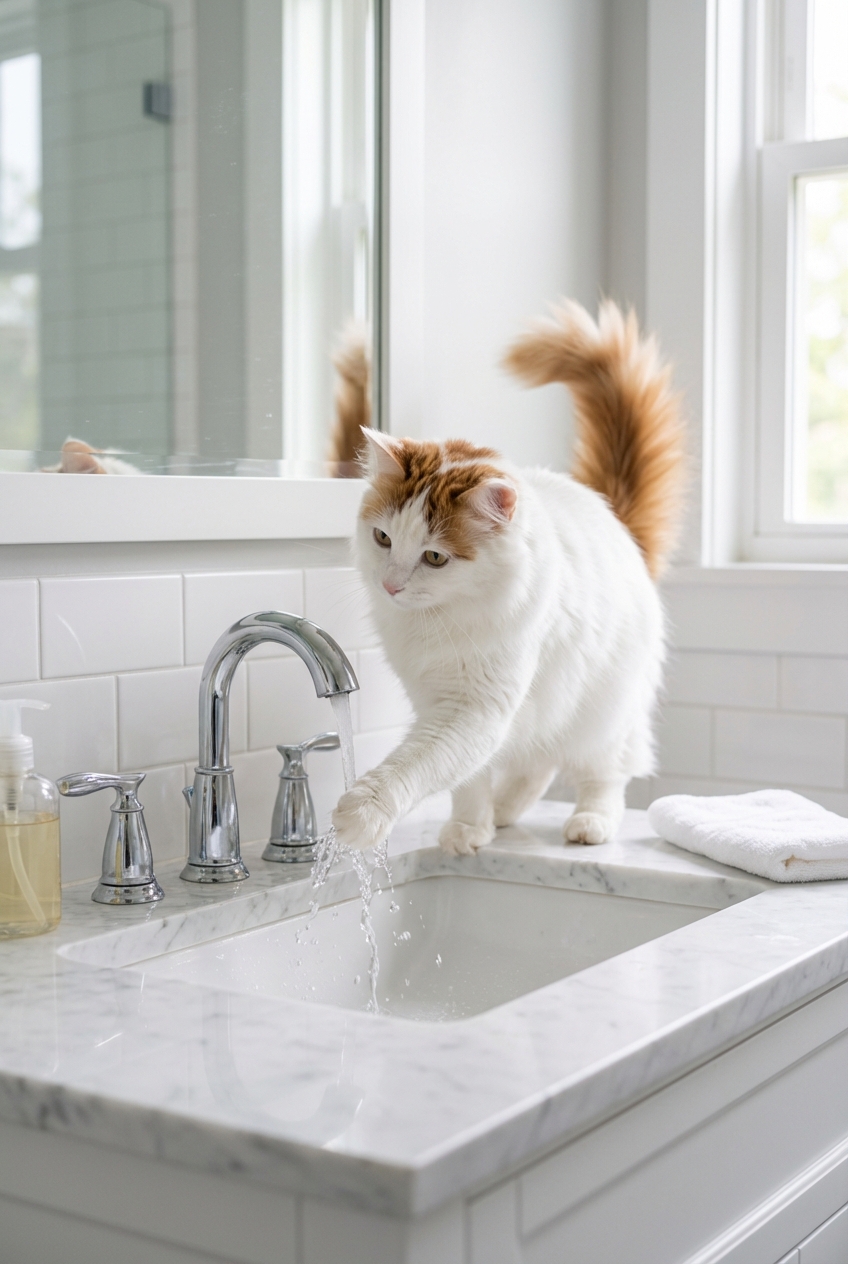
- Often interested in water: Some will paw at faucets, play in bowls, or supervise showers.
Individual personality still matters. Two Turkish Vans can be very different depending on early socialization, home environment, and whether they are the only pet. Water fascination is a common theme, not a guarantee.
What makes the Turkish Van unique
Van pattern and coat
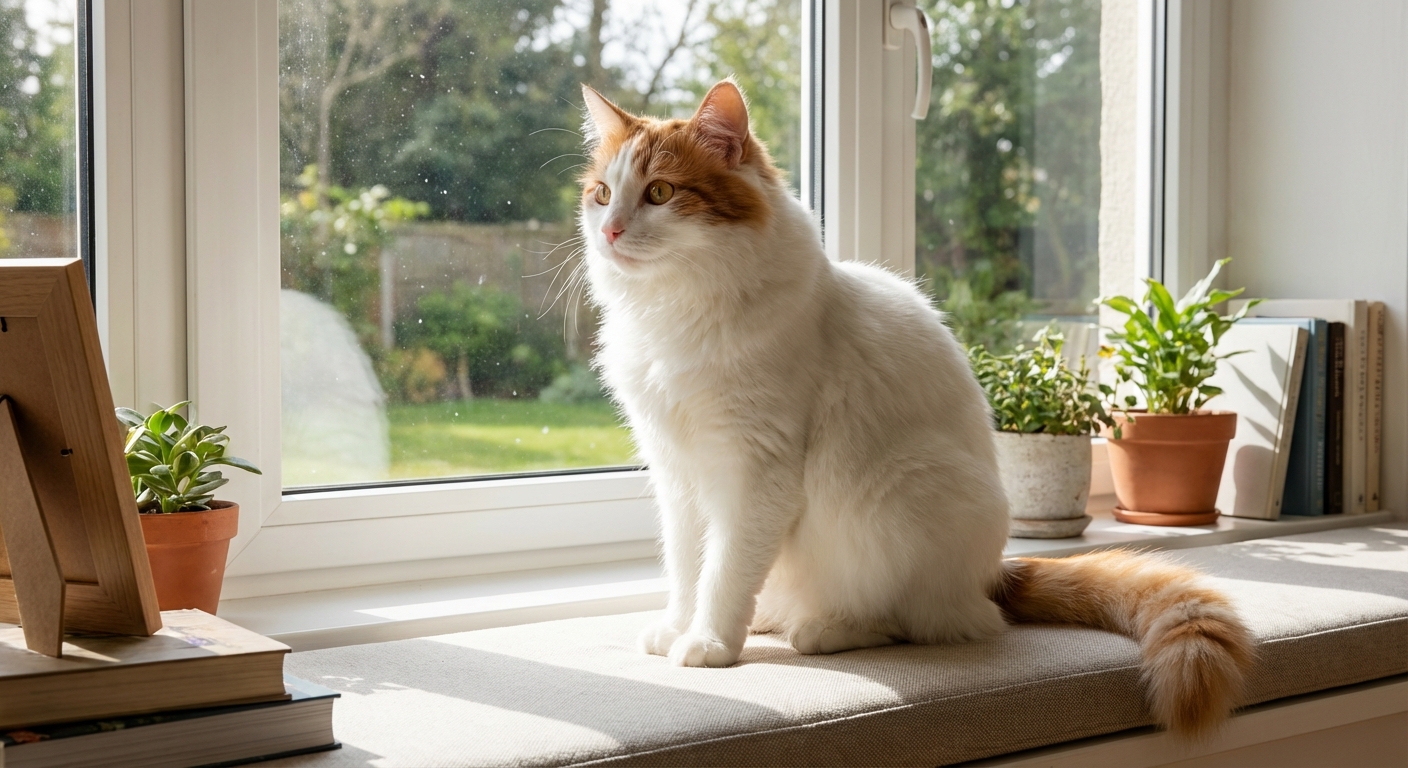
Many Turkish Vans have a mostly white body with color concentrated on the head and tail, often called a Van pattern. One important clarification: a cat can have Van pattern markings without being a Turkish Van. Breed is about ancestry and type, not coat pattern alone.
Their coat is typically semi-long and silky. Many Turkish Vans are described as having a less dense undercoat than some other long-haired breeds, which can mean less matting, but shedding still varies by individual and season. They still need routine grooming, but it is usually manageable with consistency.
Big, athletic body
These cats are powerful jumpers with strong shoulders and back legs. That matters for your home setup. A Turkish Van without appropriate climbing options will make their own options, like the top of your fridge or the curtain rod.
Water curiosity
Not every Van loves swimming, but many are fascinated by running water. This is cute until it becomes constant requests for the faucet to be turned on or enthusiastic bowl splashing. The good news is you can redirect that curiosity with safe, planned enrichment.
Living with a Turkish Van
You are part of the fun
Turkish Vans are social and interactive. They often want you involved in play, exploration, and routines. If you work long hours and your home is quiet, plan on building a strong enrichment system, and consider whether a compatible second pet makes sense for your household.
They may not love being held
This is common and not a sign of a “mean” cat. Many prefer to cuddle next to you or at your feet. Teach kids and guests to let the cat choose contact. You will typically get more affection when you respect their boundaries.
They can get chatty when bored
A Van who vocalizes frequently is often asking for engagement. Before assuming something is wrong, check the basics: food, water, litter box cleanliness. Then offer play or a food puzzle. If vocalizing is new or intense, it is worth a vet visit to rule out pain or medical changes.
Care essentials
Grooming and coat care
- Brush 1 to 3 times per week for most Turkish Vans, more during seasonal shedding.
- Focus on friction areas like behind the front legs and under the collar area where mats can form.
- Introduce grooming early with short sessions and high-value treats so it stays low-stress.
If you see tight mats close to the skin, do not try to cut them with scissors. This is a common way cats get skin lacerations. Ask your vet team or a cat-experienced groomer for help.
Nutrition and healthy weight
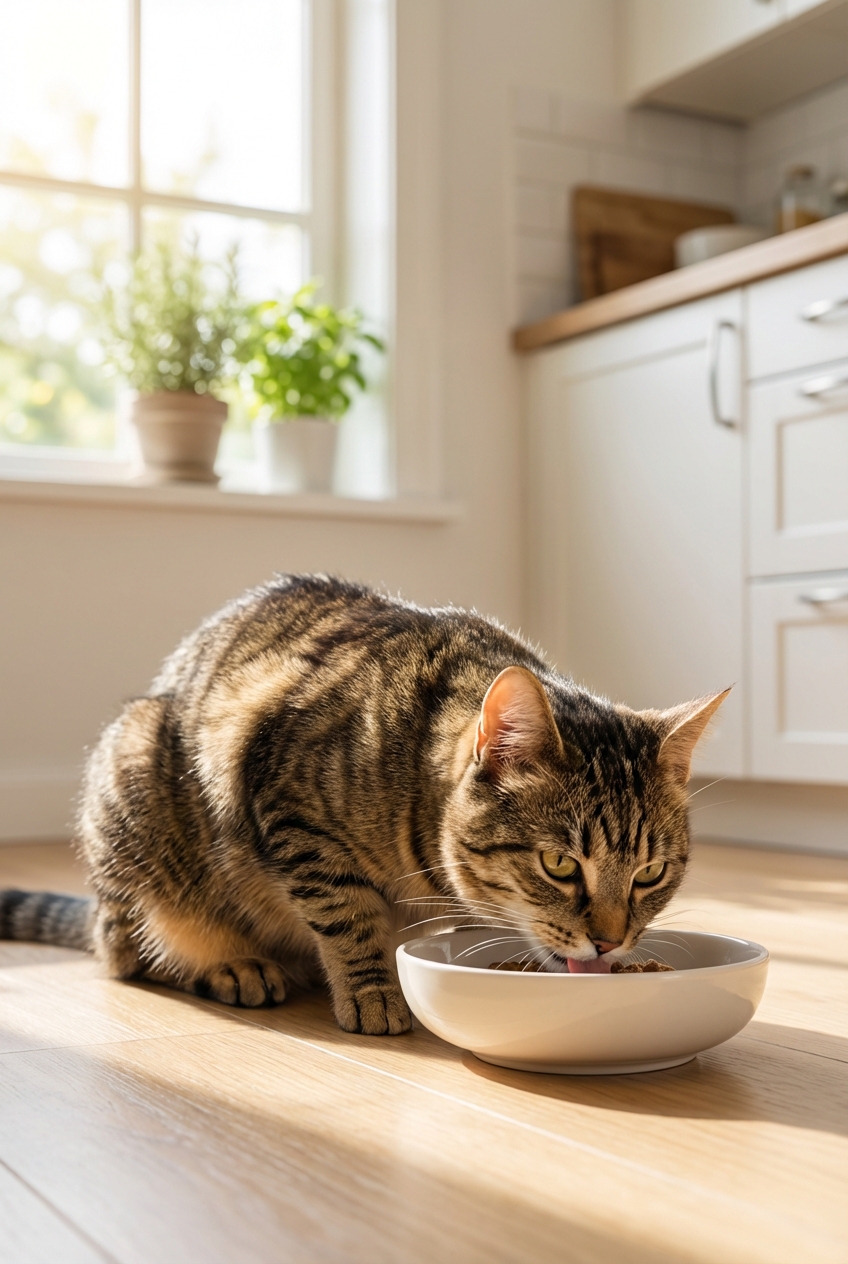
Turkish Vans are active, but any indoor cat can gain weight quickly with free-feeding. A little extra weight can increase risk for arthritis, diabetes, and urinary issues over time.
- Prioritize protein-forward diets made for cats, since they are obligate carnivores.
- Measure meals rather than leaving a full bowl out all day.
- Use food puzzles to slow eating and add enrichment.
- Monitor body condition monthly, not just the number on a scale.
For individualized feeding guidance, your veterinarian can calculate a calorie target based on age, body condition, and activity level.
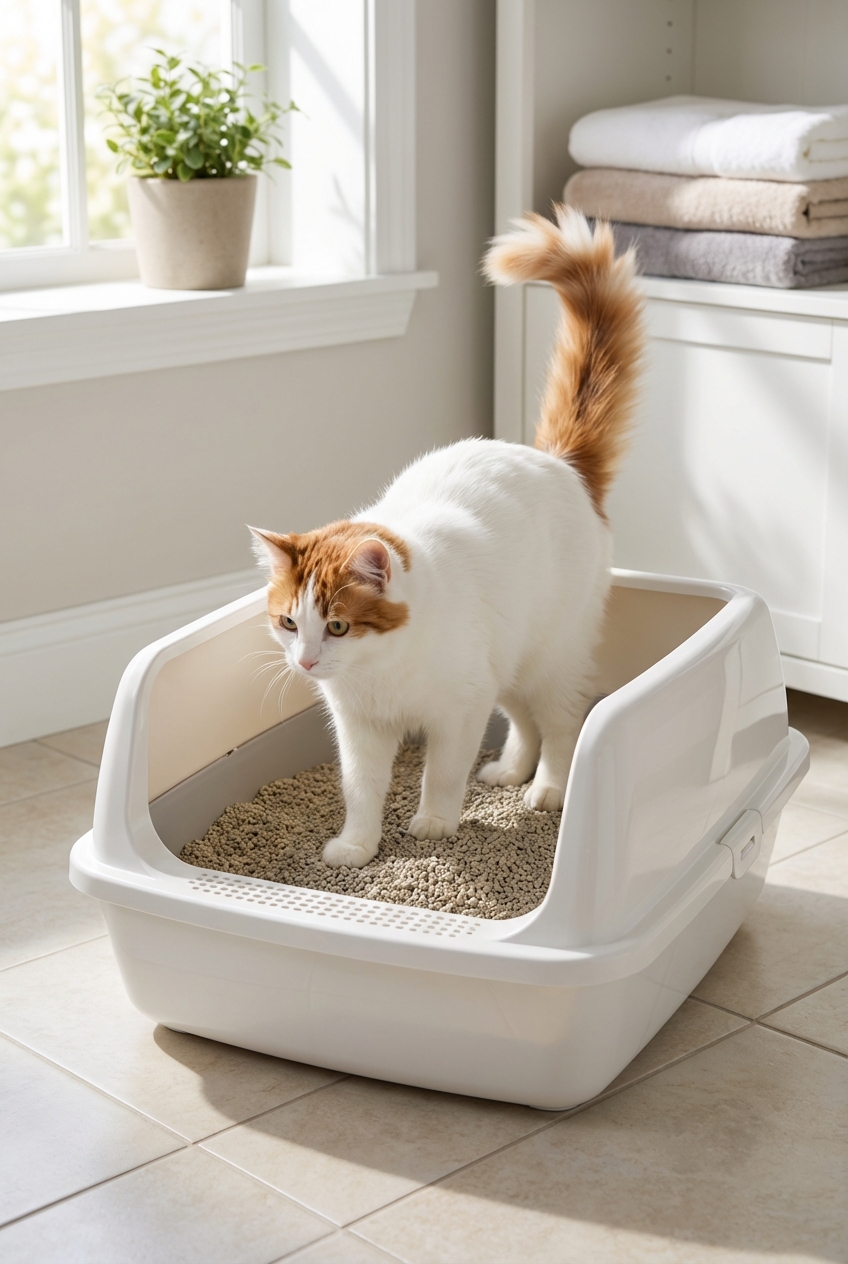
Litter box setup for an active cat
- Provide enough boxes: a common guideline is one per cat plus one extra.
- Choose a stable, roomy box that will not wobble when your cat jumps in.
- Scoop daily and fully refresh litter regularly to reduce aversion.
- Place boxes in calm, accessible areas away from loud appliances.
Enrichment that works
Structured play pays off
Many behavior issues improve when a high-energy cat gets consistent, structured play. Aim for two short sessions daily, about 10 to 15 minutes each, tailored to your cat’s stamina.
- Wand toys that mimic prey movement, low and skittering, then a “catch” at the end.
- Fetch-style games with soft balls or toy mice, since many Vans enjoy retrieval.
- Climbing routes using cat trees, wall shelves, or window perches.
- Food puzzles to keep the brain engaged.
Safe water fun
If your Turkish Van is water-obsessed, you can channel it safely.
- Offer a cat fountain to satisfy the desire for moving water.
- Use a shallow tray with floating toys for supervised play.
- Keep toilet lids closed and avoid leaving deep tubs full of water.
Common behavior questions
“My Turkish Van bites during play”
Play biting usually means excitement or overstimulation. Use toys, not hands, and stop play for 30 to 60 seconds the moment teeth touch skin. Reward calm play. If biting seems sudden, intense, or associated with petting, consider pain or sensitivity and talk with your veterinarian.
“They climb everything”
Climbing is normal, so the goal is to give better options. Place a tall, sturdy cat tree near a window, add a shelf route, and reward your cat for using approved spots. Block unsafe areas with double-sided tape, deterrent mats, or closed doors, and keep breakables out of jump paths.
“My cat is jealous of other pets”
Turkish Vans often bond strongly and can be possessive of attention. Use slow introductions, separate resources like food bowls and litter boxes, and structured one-on-one time with each pet. If tension is escalating, a veterinary behavior consult can make a huge difference.
Kitten vs adult
Kittens are often intense: nonstop climbing, frequent “helping,” and lots of learning through their mouths. Early training, gentle handling practice, and daily play routines make a big difference.
Adults are usually more predictable, but many Turkish Vans stay playful for years. Adult adoption can be a great choice if you want the breed vibe with a clearer read on energy level and cuddling preferences.
Finding one responsibly
If you are set on a Turkish Van, consider reputable rescues and shelters first, then ethical breeders who prioritize health and temperament.
- Ask about health screening and what issues their lines are monitored for.
- Ask how kittens are raised, including handling, exposure to household life, and early enrichment.
- Look for transparency about veterinary care, contracts, and lifelong take-back policies.
Health notes
No breed is immune to health problems. Turkish Vans are often considered generally robust, but every cat should have preventive care and routine monitoring.
- Annual or twice-yearly wellness exams help catch dental disease, weight changes, and early illness.
- Dental care matters. Periodontal disease has been associated with inflammation that can affect whole-body health, and it can seriously impact comfort.
- Spay or neuter can reduce the risk of certain reproductive cancers and infections, and it often reduces roaming, fighting, spraying, and stress-driven behaviors.
- Vaccines and parasite prevention should be customized to lifestyle, including indoor-only cats.
If your cat has any sudden changes in appetite, drinking, urination, breathing, or mobility, it is always safest to call your vet promptly. Cats are masters at hiding pain.
Is a Turkish Van right for you?
A Turkish Van is a great fit if you want a confident, playful cat who interacts like a teammate. They tend to do best in homes that welcome activity and provide structure, enrichment, and consistent routines.
If you are ready for that, your reward is a bright, affectionate companion with a personality you will never call boring.