Dog UTI symptoms can mimic stones or other issues. Learn the full treatment plan: urinalysis and culture, correct antibiotics, pain control, hydration, home ...
Article
•
Designer Mixes
Trusted UTI in Dogs Insights & Advice

Shari Shidate
Designer Mixes contributor
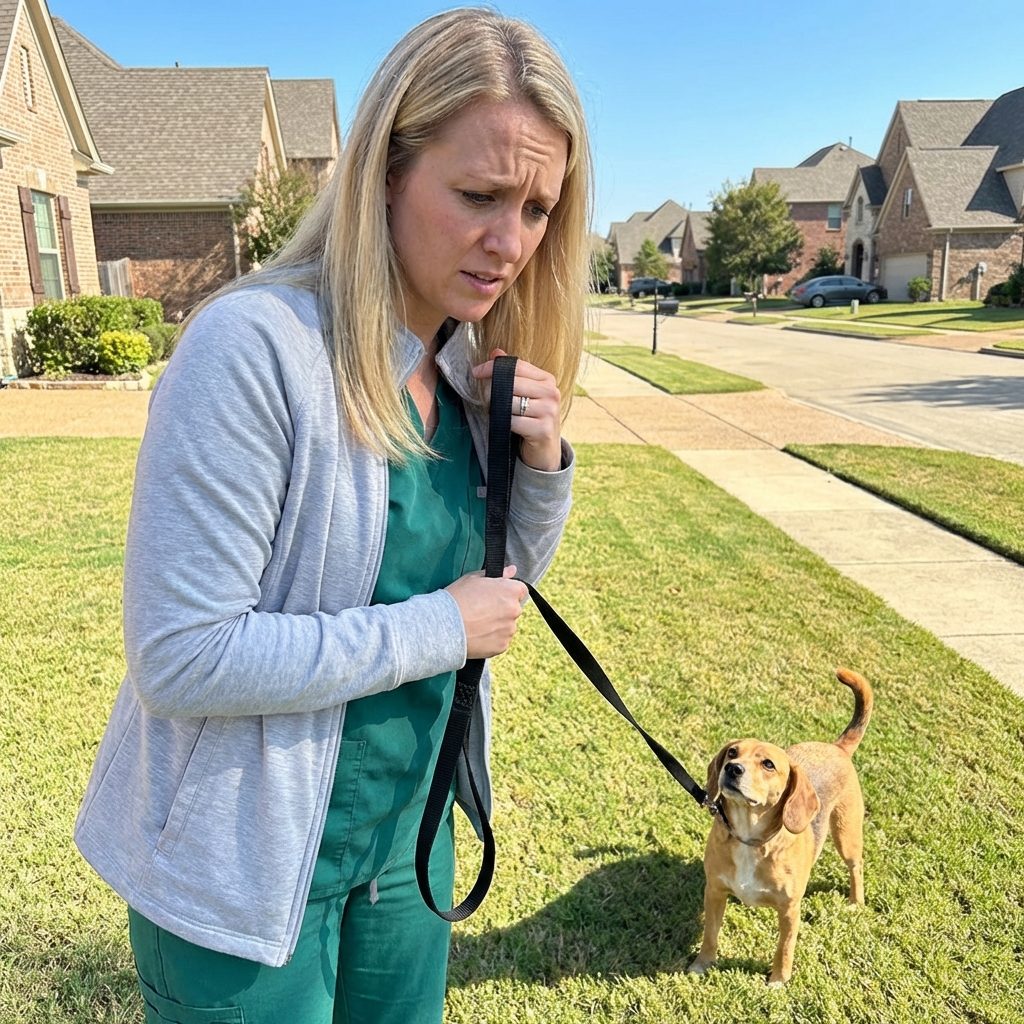
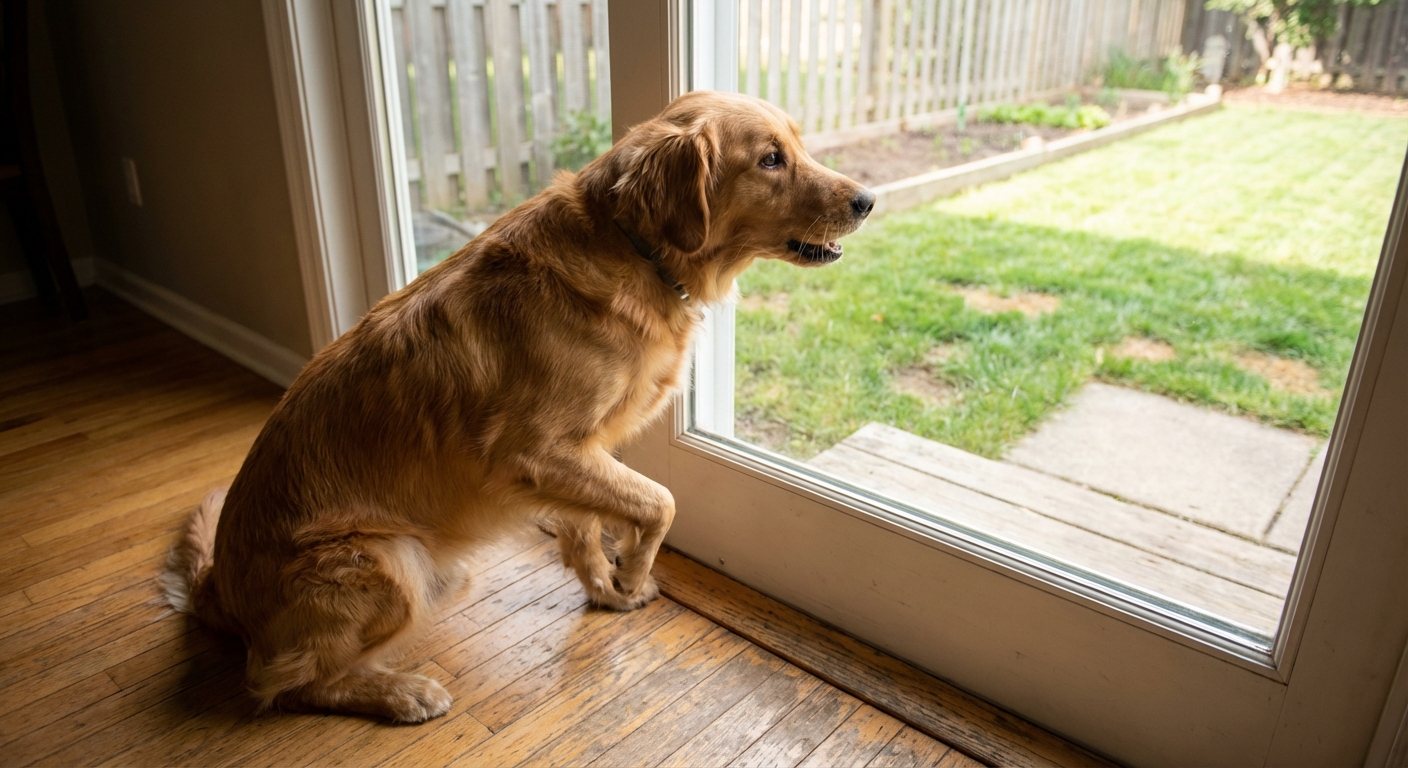
As a veterinary assistant here in Frisco, Texas, I meet a lot of worried pet parents who say the same thing: “My dog keeps asking to go out, but nothing happens.” When urinary tract issues show up, they can feel scary and urgent. The good news is that many UTIs in dogs are very treatable, and there are smart steps you can take at home while you work with your veterinarian.
Let’s walk through what a UTI is, what looks like a UTI but is not, when it is an emergency, and how to support your dog through treatment and prevention in a safe, evidence-based way.
What a UTI is (and what it is not)
A urinary tract infection (UTI) usually means bacteria have moved up into the bladder and caused inflammation. In dogs, most symptomatic bacterial UTIs involve the bladder (cystitis).
Here’s the important nuance: many urinary signs look like a UTI, but have different causes. A dog may have:
- Bladder stones (can mimic UTIs and also cause recurrent infections)
- Inflammation without bacteria (sometimes called “sterile cystitis,” but in dogs this is less common than many people think and often points to stones, irritation, polyps, or another underlying issue that still needs a workup)
- Prostate disease in intact male dogs
- Vaginitis or vulvar irritation in females
- Kidney infection (more serious, often with fever and lethargy)
- Hormonal or metabolic issues like diabetes or Cushing’s disease that increase risk
- Tumors or polyps (more common in older dogs and can cause blood in urine or straining)
- Urinary incontinence or marking (different from a UTI and easy to mix up, especially in seniors)
That is why getting a real diagnosis matters. Treating “like it’s a UTI” without testing can miss the true problem and can contribute to antibiotic resistance.
This article is focused on dogs, since urinary issues can look a little different in cats.
Common signs of a UTI in dogs
UTI symptoms can range from mild to obvious. Watch for:
- Frequent urination or asking to go outside more often
- Straining to urinate, or producing only small amounts
- Accidents in a previously house-trained dog
- Blood in urine (pink, red, or rusty tint)
- Strong or unusual urine odor
- Licking the genital area more than normal
- Discomfort like whining, pacing, restlessness, or seeming “off”
Some dogs, especially seniors, can have a UTI with subtle signs like decreased appetite or just seeming tired.
Quick clarity: UTIs often cause frequent attempts and discomfort. Incontinence is more like leaking urine while resting or sleeping. Marking is often small amounts, typically in specific spots, and may come with other behavior changes. If you are unsure, your vet can help sort it out quickly with a urine test.
When urinary symptoms are an emergency
Please seek emergency care right away if you notice any of the following:
- Your dog cannot pass urine at all, or only dribbles despite repeated attempts
- Swollen or painful belly
- Vomiting, collapse, severe weakness
- High fever, shaking, or profound lethargy
Urinary obstruction is far more common in male dogs, but it can happen in females too (it is just rarer). Do not wait and see.
How vets confirm a UTI
A good UTI plan is built on urine testing. At your visit, your veterinarian may recommend:
- Urinalysis to look for white blood cells, blood, bacteria, crystals, and urine concentration
- Urine culture and sensitivity to confirm bacteria and choose the most effective antibiotic
- Imaging such as X-rays or ultrasound if stones, masses, or anatomical issues are suspected
- Bloodwork if your dog is sick, older, or has recurring infections
Culture is especially valuable for recurrent UTIs, UTIs that do not improve quickly, and dogs with other medical conditions. It helps your vet target the infection instead of guessing.
Tip from the clinic: if you can, bring a fresh urine sample collected the same day. Keep it in a clean container, refrigerate it if you cannot get to the clinic right away, and deliver it as soon as you can. Also know that “free-catch” samples can be contaminated, so for the most accurate culture results your vet may recommend collecting urine in-clinic (often via cystocentesis).
Treatment: what to expect
Antibiotics
For uncomplicated UTIs, antibiotics are commonly prescribed. The exact medication and length of treatment should be guided by your veterinarian and, ideally, by culture results.
- Give the medication exactly as directed and finish the full course, even if your dog seems better.
- Ask your vet what side effects to watch for, such as vomiting, diarrhea, or reduced appetite.
Pain relief and comfort
Some dogs need additional medication to reduce bladder discomfort or inflammation. Do not give human pain relievers. Many are toxic to dogs.
When you should see improvement
Many dogs start to feel more comfortable within 24 to 48 hours of starting the right treatment, but full resolution can vary. If your dog is not improving, seems worse, or stops being able to pass urine, call your veterinarian or go to an emergency clinic.
Follow-up testing
Your veterinarian may recommend a recheck urinalysis or culture, especially if:
- Signs return soon after finishing antibiotics
- Your dog has had more than one UTI
- There is a history of stones, diabetes, or kidney disease
Safe, supportive care at home
Home care does not replace veterinary treatment, but it can make your dog more comfortable and help recovery.
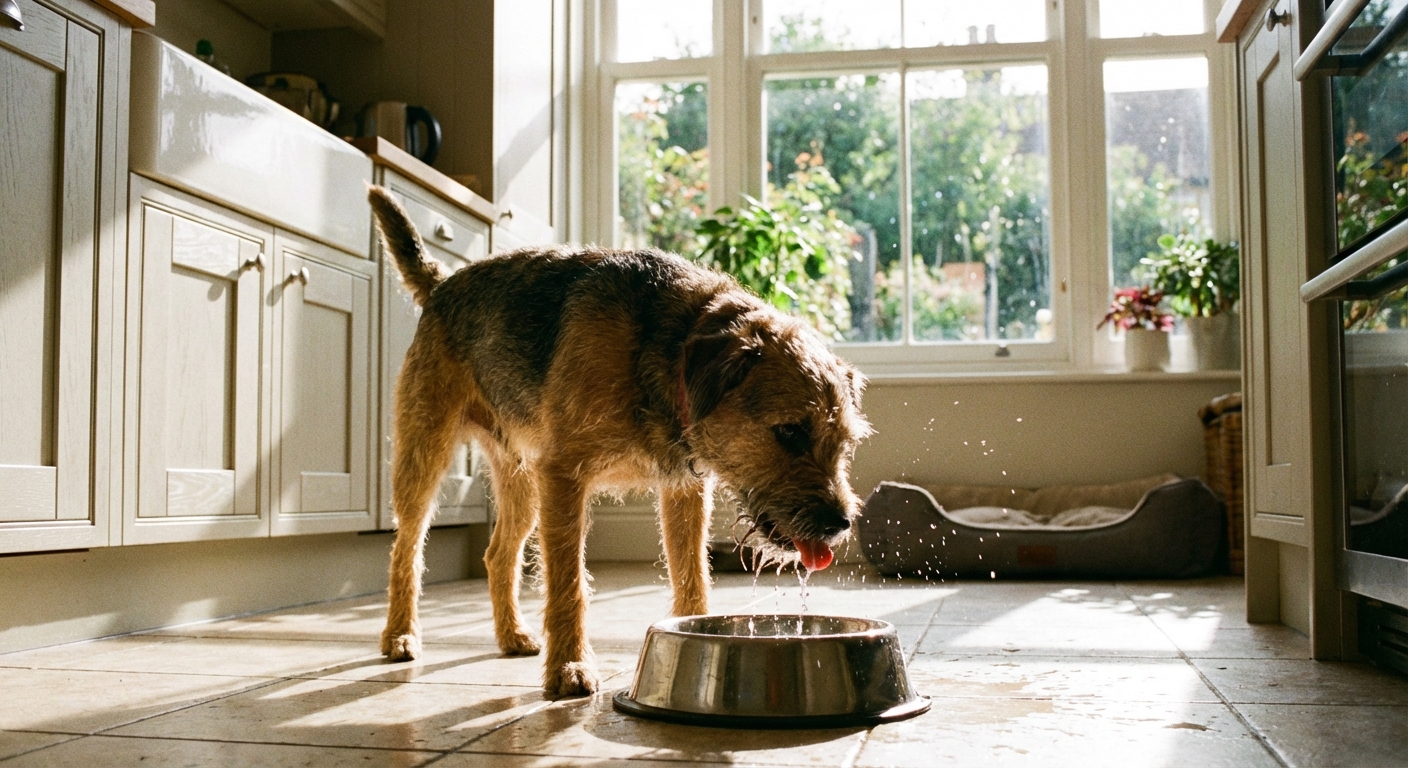
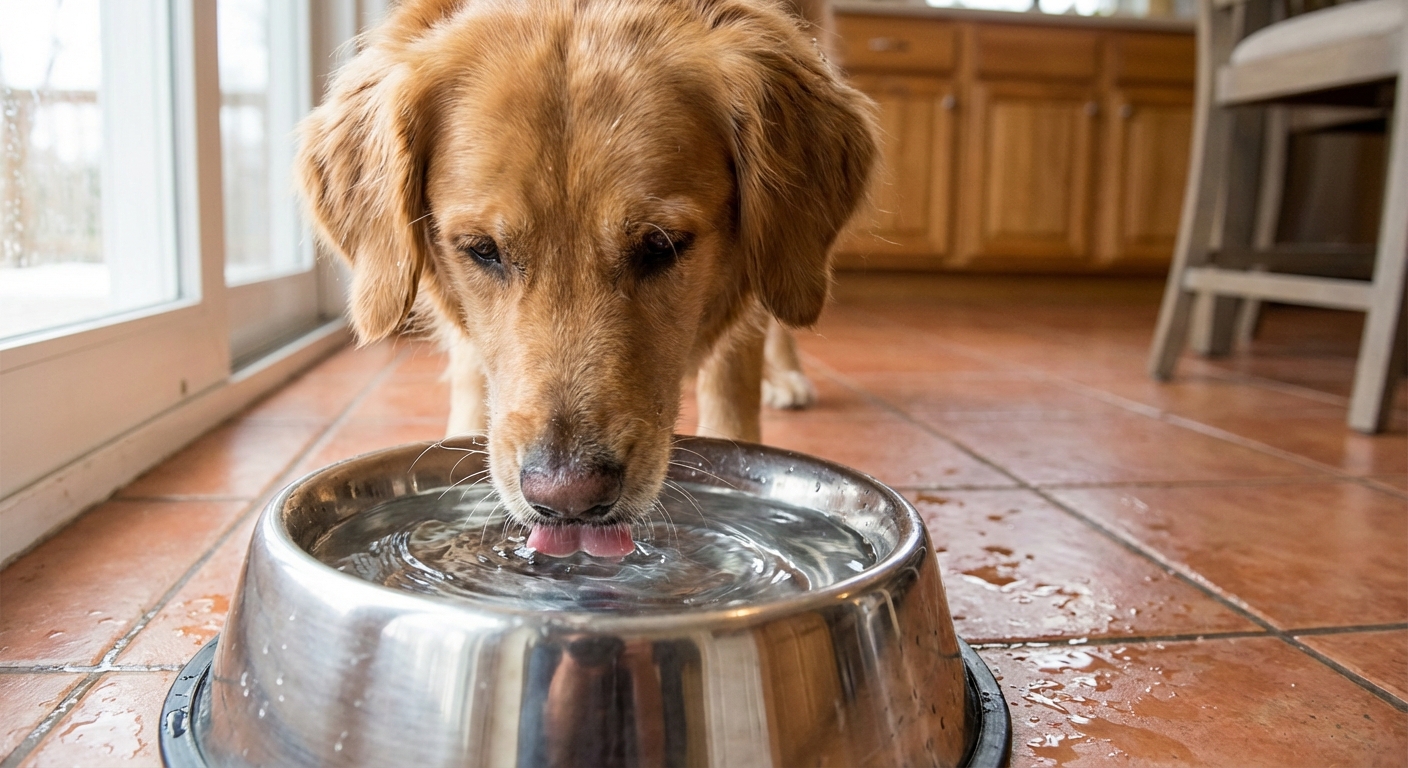
1) Increase water intake (gently)
Hydration helps dilute urine and encourages more frequent flushing of the bladder. Try:
- Offering multiple clean water bowls around the house
- Using a pet water fountain if your dog prefers moving water
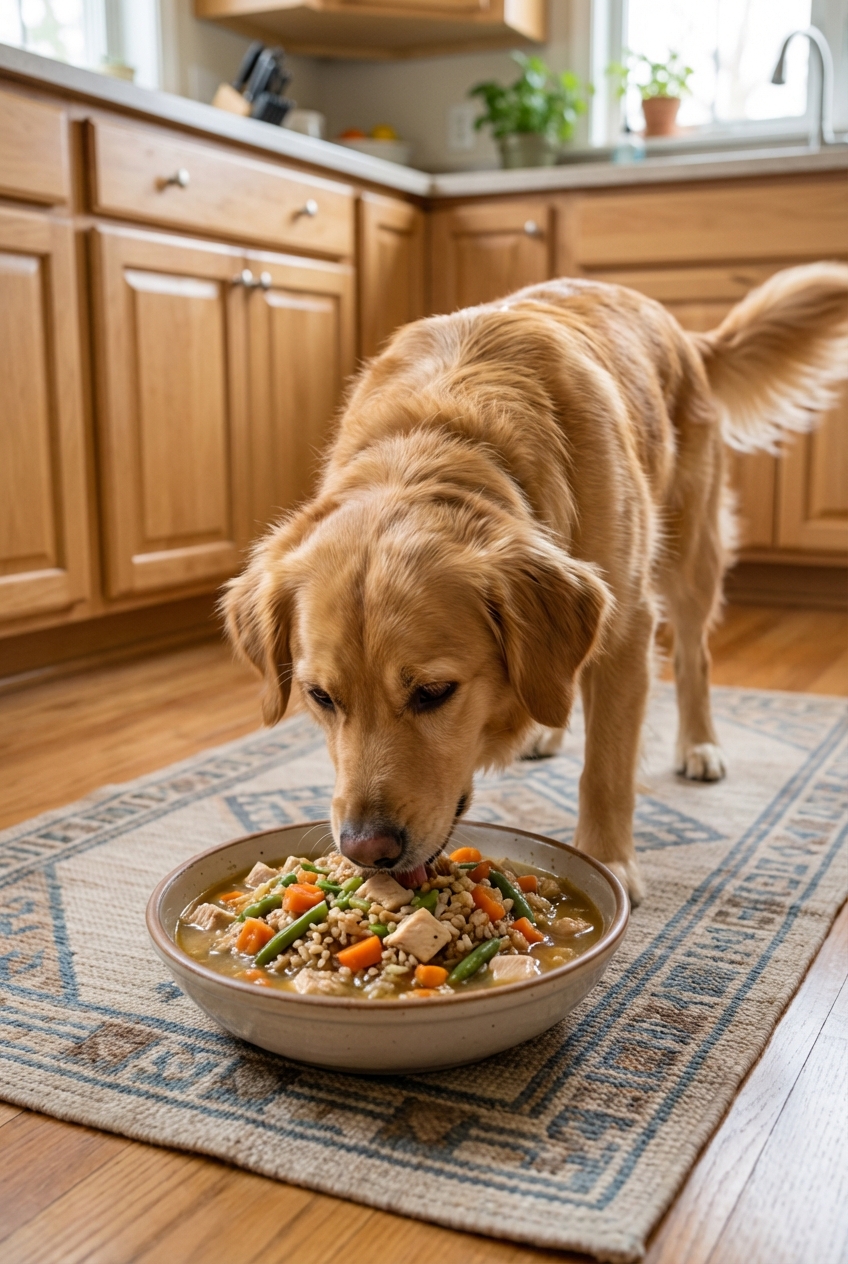
- Adding water or low-sodium broth to meals (confirm with your vet if your dog has heart or kidney disease)
2) More potty breaks
Let your dog out more often so urine does not sit in the bladder for long stretches. This is especially helpful during recovery.
3) Keep the area clean
For female dogs, gently wiping the vulvar area after potty breaks can reduce irritation and help keep bacteria from lingering. Use a soft, damp cloth or pet-safe wipes and keep it simple.
4) Nutrition that supports urinary health
Food matters, but the “best” choice depends on the underlying cause. For example, bladder stones require very specific nutrition plans. If your dog has recurring UTIs, ask your vet whether diet, urine pH, or crystals are part of the picture.
If you feed homemade or fresh foods, focus on:
- Moisture (soupy meals can help hydration)
- Balanced nutrition (work with your vet or a veterinary nutritionist for long-term homemade feeding)
- Avoiding unnecessary high-salt add-ins
Cranberry, probiotics, and supplements
This is one of the most common questions I hear. Here is the evidence-based, practical take.
Cranberry
Cranberry products may help reduce bacterial attachment in the bladder in some cases, but results are mixed and it is not a substitute for antibiotics when an infection is present. If you want to use cranberry as a prevention support, talk with your veterinarian about:
- Appropriate dosing for your dog’s size
- Choosing a dog-specific product without added xylitol (toxic) or excess sugar
- Whether cranberry is appropriate if your dog forms certain types of crystals or stones
Probiotics
Veterinary probiotics can be helpful, especially if your dog is on antibiotics and prone to digestive upset. While probiotics are not a UTI cure, a healthy gut and immune system support overall resilience.
D-mannose
D-mannose is sometimes discussed for urinary support (especially in humans). In dogs, the evidence is still limited. It may be considered in select situations under veterinary guidance, but it should not delay testing and treatment.
If your dog is immunocompromised, pregnant, very young, or has kidney disease, always run supplements by your vet first.
Why UTIs keep coming back
Recurrent UTIs are frustrating, but they are also a clue. Common reasons include:
- Bladder stones or crystals irritating the bladder
- Inadequate antibiotic choice if culture was not performed
- Not completing medication or vomiting doses
- Anatomy and conformational factors (for example, recessed vulva)
- Underlying disease such as diabetes, Cushing’s, kidney disease
- Chronic inflammation that makes the bladder more vulnerable
If your dog has more than one UTI in a year, ask your vet about a deeper workup. Getting to the root cause is the kindest, most cost-effective path long-term.
Prevention that helps
These habits are simple, but they make a real difference for many dogs:
- Hydration first: prioritize moisture and easy access to water.
- Regular potty opportunities: avoid long “holds,” especially overnight.
- Healthy weight: keeping a healthy weight may help overall inflammation and often improves mobility and hygiene.
- Gentle grooming: keep hair trimmed around the genital area, especially in long-coated mixes.
- Address allergies and skin issues: chronic licking can increase irritation and bacterial transfer.
- Follow-up when needed: a recheck urine test can prevent a smoldering infection from becoming a recurring cycle.
Questions to ask your veterinarian
If you are sitting in the exam room wondering what to do next, here are helpful questions that keep the plan clear:
- Was a urinalysis done, and what did it show (bacteria, white blood cells, crystals, urine concentration)?
- Do we need a culture and sensitivity, especially if this is not the first UTI?
- Could stones, polyps, or a mass be involved, and do we need imaging?
- How soon should we see improvement after starting treatment (and when should I call if we do not)?
- Do you recommend a recheck urine test after antibiotics?
- Are there diet or supplement changes that make sense for my dog’s specific situation?
The bottom line
UTI signs are your dog’s way of saying, “Something feels wrong.” Trust that signal, get the urine checked, and partner with your veterinarian for a targeted plan. With the right testing, the right treatment, and supportive home habits like hydration and more frequent potty breaks, most dogs feel better quickly and stay better.