If your dog chews everything, this quick guide explains the most common causes, how to make your home safer, choose the right chew, and use training and enri...
Article
•
Designer Mixes
Trusted Stop Dog Chewing Care Tips

Shari Shidate
Designer Mixes contributor
Chewing is normal dog behavior, but when your pup starts targeting shoes, baseboards, furniture legs, or their own skin, it can quickly become stressful for everyone. The good news is that most problem chewing improves with a simple plan: rule out pain or illness, manage access, and teach your dog what to chew, on purpose.
As a veterinary assistant, I always remind families that chewing is a form of communication. Dogs chew to explore, to relieve teething discomfort, to cope with anxiety, and sometimes because a medical issue is making them itchy or uncomfortable. Let’s walk through trusted, evidence-based ways to stop destructive chewing while still meeting your dog’s needs.
Why dogs chew (and red flags)
Before you buy another spray or scold your dog, it helps to identify the “why.” Chewing solutions work best when they match the underlying cause.
Common, normal reasons
- Puppy teething: Chewing often starts early (around 8 to 12 weeks) and commonly peaks during tooth changes around 3 to 6 months. Most adult teeth finish erupting closer to 6 to 7 months.
- Boredom or under-exercise: Chewing becomes a self-made job.
- Stress or separation-related distress: Chewing can be a coping strategy when you leave.
- Natural enrichment: Some breeds and mixes are simply enthusiastic chewers.
Vet-check red flags
- Chewing paws, tail, or skin (especially with redness, odor, or hair loss)
- Sudden new destructive chewing in an adult or senior dog
- Drooling, dropping food, pawing at the mouth, or bad breath (possible dental pain)
- Vomiting, diarrhea, or reduced appetite (possible GI upset or dietary intolerance)
- Chewing walls, rocks, or non-food items (possible pica, which can be behavioral or medical)
If any of these sound familiar, it is worth booking a vet visit. Pain, itch, and digestive discomfort are common “hidden” causes of chewing and licking. In seniors, sudden chewing can also connect to arthritis, dental disease, vision or hearing changes, or cognitive dysfunction.
Step 1: Chew-proof the space
Management is not “giving in.” It is how you prevent your dog from practicing the unwanted behavior while you teach better habits. Once chewing is prevented, training and enrichment actually have a chance to stick.
- Use gates and closed doors: Restrict access to tempting rooms when you cannot supervise.
- Crate or playpen train kindly: A safe, cozy confinement area prevents destructive chewing and reduces risk of foreign-body obstruction. Only use a crate if your dog is truly comfortable in it. For some dogs with panic or separation anxiety, crating can make things worse.
- Pick up high-value temptations: Shoes, kids’ toys, remote controls, and socks should live in bins or closets.
- Protect furniture: Use cord covers for cables and consider temporary barriers around problem areas.
Safety note: If your dog swallows items, destructive chewing can turn into an emergency. Intestinal blockages are serious, painful, and expensive. Management is prevention.
What not to do: Avoid punishment, especially after the fact. Dogs do not connect a later scolding with what they chewed earlier, and it can increase anxiety. Also avoid chasing your dog for stolen items, since it can turn into a game.
Step 2: Offer better chews
Dogs do not stop chewing. They stop chewing your stuff when their needs are met and they have clear, rewarding alternatives. Once management is in place, set your dog up with “yes” options they actually want.
Recommended chew options
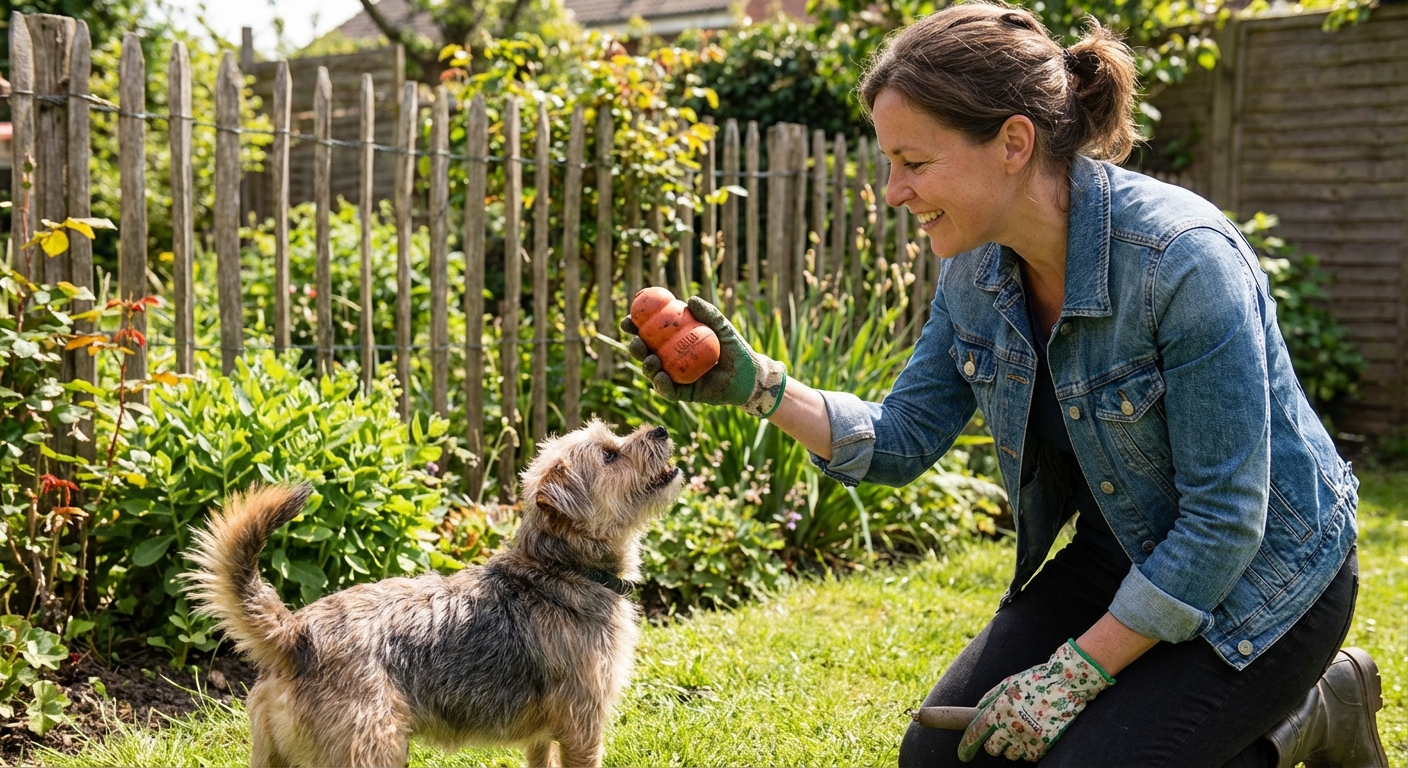
- Rubber food-stuffable toys: Great for busy minds. Freeze with canned dog food or a vet-approved filling for longer sessions.
- Durable chew toys: Choose the right size and match them to your dog’s chewing strength.
- Edible chews: Options vary widely, so choose carefully and supervise. Your vet can help you pick safer choices for your dog’s age and dental health.
Chew safety rules of thumb
- If you can dent it with a fingernail, it is often gentler on teeth, but it is not a guarantee.
- If it is rock-hard (and you cannot indent it), it may increase the risk of tooth fractures for some dogs.
- If chunks break off easily, it can be a choking hazard or an obstruction risk.
- Choose a size and shape your dog cannot swallow whole. Discard chews when they become small enough to fit fully in the mouth.
High-risk items to avoid or discuss with your vet
- Cooked bones (splinter risk)
- Antlers, hooves, and very hard chews (fracture risk)
- Corn cobs (high obstruction risk)
- Socks, underwear, stringy rope toys, and plush stuffing (high obstruction risk if swallowed)
Always supervise new chews, especially if your dog is a power chewer or tends to swallow pieces. Also, avoid leaving your dog unsupervised with any chew that can be broken into chunks.
Step 3: Teach what to do instead
Training works best when it is calm, consistent, and rewarding. You are not trying to “win.” You are teaching a new habit. With management reducing the opportunities to chew the wrong thing, training becomes much easier.
Use the redirect and reward routine
- Catch your dog chewing something inappropriate.
- Stay neutral. No yelling, no chasing.
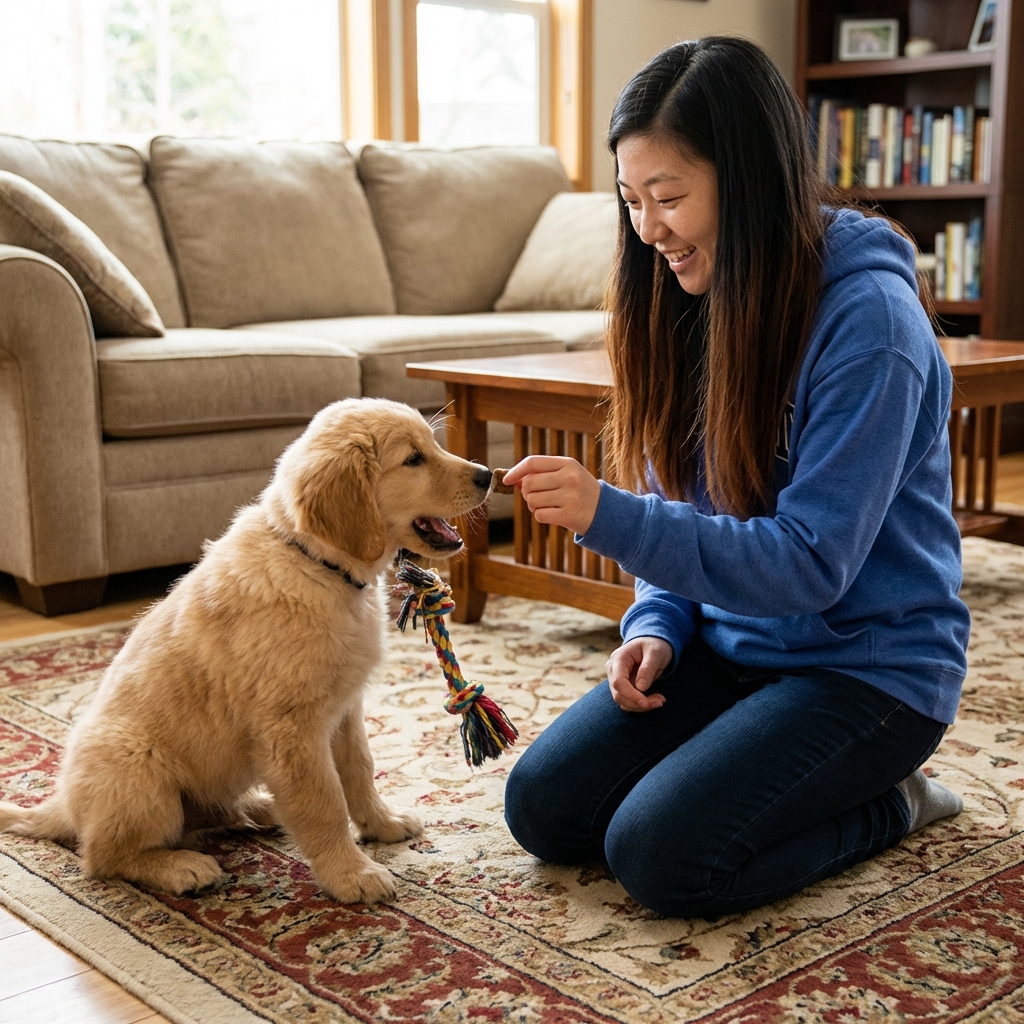
- Offer an approved chew toy.
- When they take it, praise and calmly reward.
This builds the pattern: chewing the right thing gets attention and good feelings.
Teach a reliable “Drop it”
A solid “Drop it” keeps your dog safe and prevents tug-of-war around dangerous items.
- Offer a low-value toy.
- Show a high-value treat near the nose.
- When the toy drops, say “Drop it,” then give the treat.
- Give the toy back sometimes so your dog learns that “drop it” does not always end the fun.
Practice for 1 to 2 minutes a day. Short sessions beat long ones.
Important: If your dog stiffens, freezes, growls, snaps, or you feel unsafe when taking items away, stop and reach out to your veterinarian and a credentialed trainer or veterinary behaviorist. Resource guarding is treatable, and getting help early matters.
Step 4: Meet the real need
Most destructive chewers are either under-stimulated, stressed, or uncomfortable. Addressing the root need is where lasting change happens.
For boredom and high energy
- Daily sniff walks: Letting dogs sniff is real mental work and can be more satisfying than a fast walk.
- Food puzzles: Feed part of meals in puzzle toys or scatter kibble in the yard (supervised).
- Training games: Five minutes of “sit,” “touch,” and “place” can reduce restless behavior.
For anxiety and alone-time chewing
- Create a predictable departure routine: Calm exits and returns help.
- Use a special chew only for alone time: It builds a positive association with you leaving.
- Get professional support when needed: True separation anxiety is a clinical behavior problem, not stubbornness. Talk with your veterinarian about a structured plan and consider a credentialed trainer or veterinary behaviorist.
For teething puppies
- Provide multiple textures: rubber, softer nylon, and puppy-safe edible chews.
- Use chilled (not rock-hard) options to soothe gums.
- Expect setbacks during growth spurts and tooth changes.
Bitter sprays: do they work?
Bitter sprays can help in some cases, especially for furniture edges, cords, and baseboards, but they are not a complete solution. Think of them as a temporary support while training and management do the real work.
- Test on a small hidden area first to avoid staining.
- Reapply as directed. Most products wear off.
- Do not spray directly into your dog’s mouth.
If your dog continues chewing despite deterrents, it usually means the dog still needs a better outlet, more supervision, or a medical evaluation.
When chewing is medical
In clinic, chewing and licking often connect to a few frequent health concerns. Here are some possibilities to discuss with your veterinarian.
- Dental pain: Broken teeth, gum inflammation, or retained baby teeth can drive chewing and mouth discomfort.
- Allergies: Environmental and food allergies can cause itchy paws and skin chewing.
- GI disease or upset: Some dogs may chew or eat odd items when they feel nauseated, but persistent pica or repeated GI signs deserve a workup.
- Arthritis or injury: Dogs may chew at painful joints or areas of inflammation.
- Parasites, endocrine disease, or anemia: Less common, but important considerations when pica or licking is persistent.
If you suspect discomfort, take a quick video of the behavior and bring it to your appointment. That small detail can be surprisingly helpful.
When to seek urgent care
If you suspect your dog swallowed something (or a chew is missing), contact your veterinarian or an emergency clinic right away, especially if you see:
- Repeated vomiting or retching
- Swollen or painful belly
- Choking, gagging, or trouble breathing
- Refusing food or water, or cannot keep food down
- Sudden lethargy, weakness, or obvious pain
A simple 7-day plan
If you want a clear starting point, try this for one week and adjust based on what you notice.
- Day 1: Remove temptations. Set up gates, crate, or playpen. Put 3 to 5 chew options in rotation.
- Day 2: Start “drop it” practice. 2 mini-sessions.
- Day 3: Add one food puzzle meal or frozen stuffed toy.
- Day 4: Increase enrichment with a sniff walk or scatter feeding.
- Day 5: Identify the hardest time of day and plan supervision for it.
- Day 6: Replace any chew that is too hard, too small, or breaking into chunks.
- Day 7: Reassess. If chewing is unchanged or worse, schedule a vet check and discuss anxiety, pain, allergy, or pica possibilities.
Progress is often fastest when you focus on consistency, not perfection.
Bottom line
You do not need to fight your dog’s chewing instinct. You just need to guide it. When you combine safe management, satisfying chew choices, gentle training, and a quick medical check when needed, most dogs learn the new rules quickly.
Chewing is a need. Your job is to make the “yes” options easy, safe, and rewarding.
If you want, share your dog’s age, breed mix, and what they are chewing most, and I can help you narrow down the most likely cause and the best next step.