Understand proestrus vs estrus, common heat signs like swelling, spotting, and behavior changes, how long heat lasts, and practical tips to prevent pregnancy...
Article
•
Designer Mixes
Trusted Signs of a Dog in Heat

Shari Shidate
Designer Mixes contributor
If you have an unspayed female dog, her heat cycle can feel confusing at first. I see it a lot here in Frisco: families notice a little swelling, a few drops of blood, or a sudden change in behavior and wonder, “Is she in heat?” The good news is that canine heat cycles follow a fairly predictable pattern, and there are several trusted signs you can watch for at home.
This guide walks you through what a heat cycle looks like, the most reliable signs, how long it usually lasts, and what to do next to keep your pup safe, comfortable, and to help prevent an unplanned pregnancy.

What “in heat” means
“In heat” means your dog is in her estrous cycle, the time when she is reproductively active and can become pregnant. Most dogs have their first heat between about 6 and 18 months of age, although small breeds often start earlier and large breeds may start later.
Many adult dogs cycle roughly every 6 to 7 months, but it varies by breed, age, and individual. Some dogs cycle closer to once a year (Basenjis are a classic example), and very young dogs, newly postpartum dogs, or dogs dealing with illness can be irregular.
The heat cycle in plain language
Stage 1: Proestrus
This is when most owners first notice signs. Hormones rise, the vulva swells, and you may see bloody discharge. Males become very interested, but many females are not ready to mate yet.
Stage 2: Estrus
This is the fertile window. Discharge often becomes lighter in color, sometimes pink or straw-colored. Many females will “flag” their tail to the side when touched near the hind end and may stand to be bred.
Stage 3: Diestrus
Hormones shift again and fertility ends. Swelling and discharge gradually resolve. Some dogs have a false pregnancy during this stage.
Stage 4: Anestrus
This is the quiet period between cycles.
In real life, these stages blend together a bit. That is why focusing on the most consistent signs and safety steps matters more than trying to label each day perfectly.
Trusted signs your dog is in heat
These are the most reliable things I tell pet parents to watch for. Your dog may not show every sign, and first heats can be subtle.
- Vulvar swelling: Often one of the earliest and most consistent signs. The vulva looks enlarged or puffy.
- Vaginal discharge: Classically bloody during the early phase, then lighter later. Some dogs are very tidy and you may notice licking instead of spotting.
- Increased licking of the rear end: This is common and can be frequent enough to cause skin irritation in some dogs.
- Male dogs suddenly appear everywhere: Neighborhood males may linger near your yard, and males on walks may fixate on her. This happens because scent can attract intact males from surprisingly far away.
- Behavior changes: Clinginess, restlessness, moodiness, reduced appetite, or extra affection are all common. Some dogs become more reactive or more distractible.
- Frequent urination or marking: Many females urinate more often to spread pheromones.
- Tail flagging and standing: During the fertile window, she may move her tail to the side and stand still when approached.
Important: Bleeding is common but not required. Some dogs have minimal discharge, and some have a “silent heat,” meaning outward signs are easy to miss. In some cases, cycles can also be abnormal or not ovulate. If you are unsure, your veterinarian can help confirm what is going on.
How long does a heat cycle last?
Most heat cycles last about 2 to 4 weeks from start to finish. The most fertile days are often around the middle of the cycle, but timing varies from dog to dog.
From a safety standpoint, I advise families to treat their dog as potentially fertile for at least 3 weeks after you first notice discharge or swelling. Many dogs ovulate later than owners expect, and pregnancy can still happen when the discharge has lightened. If you cannot reliably prevent contact with intact males, extend that to 4 weeks to be safe.
At-home heat checklist
If you want a simple system, track a few details daily. This helps you predict future cycles and gives your veterinarian useful information.
- Day 1: The first day you notice discharge or significant vulvar swelling (this is typically the start of proestrus, not ovulation).
- Discharge: Color (red, pink, straw), amount (spotting vs heavier), and whether she is licking more.
- Behavior: Restlessness, appetite changes, increased affection, or guarding.
- Male attention: Increased sniffing, mounting attempts, dogs waiting near doors or fences.
- Receptivity: Tail flagging, standing, or seeking out male dogs.
If anything seems off, like a foul odor, pus-like discharge, fever, vomiting, or lethargy, call your veterinarian. Those are not normal heat signs.
How to care for a dog in heat
Prevent pregnancy first
- No off-leash time: Not even “just for a minute” in the yard. Males can clear fences and doors open fast.
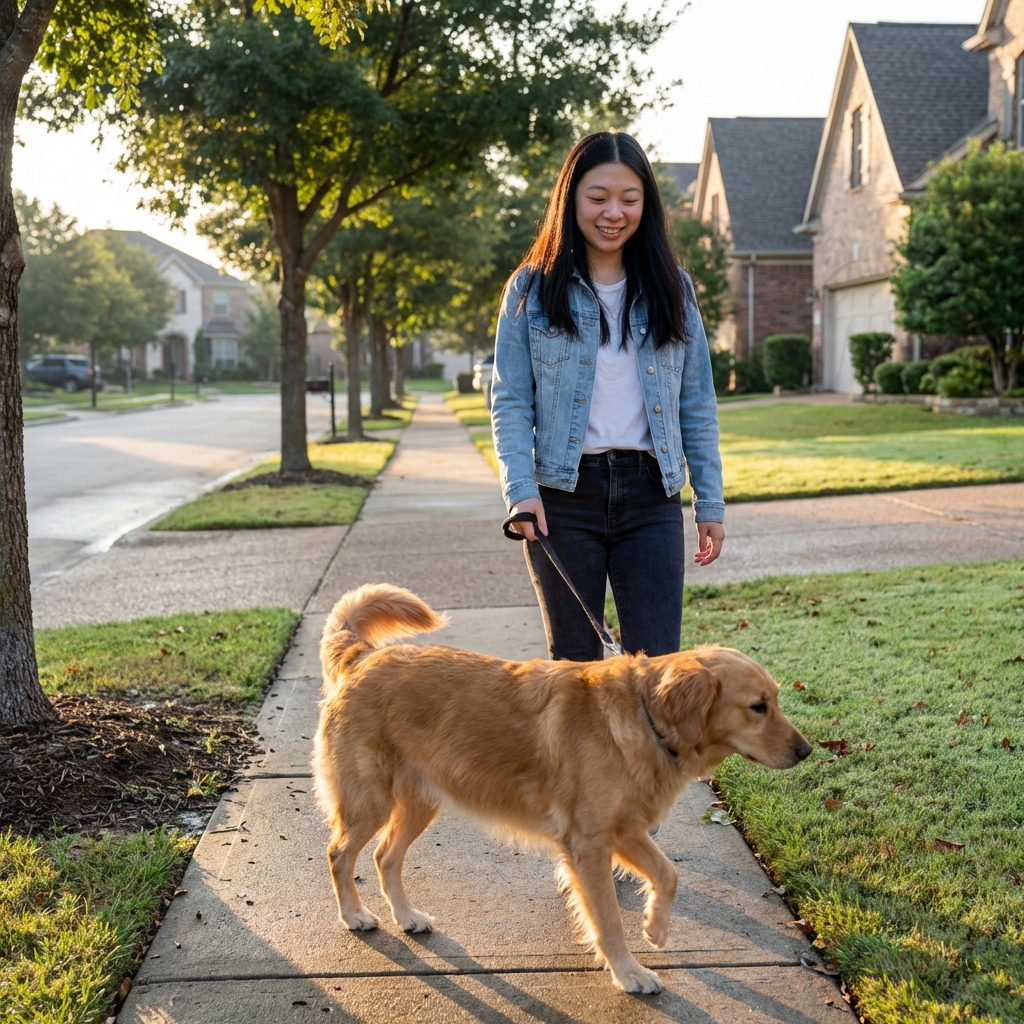
- Leash walks only: Choose quieter routes and avoid dog parks.
- Supervise outdoor potty breaks: Keep her close and bring her back inside promptly.
- Separate from intact males: If you have an intact male at home, physical separation and secure barriers are essential. Scent alone can trigger intense behavior.
Keep her comfortable and your home clean
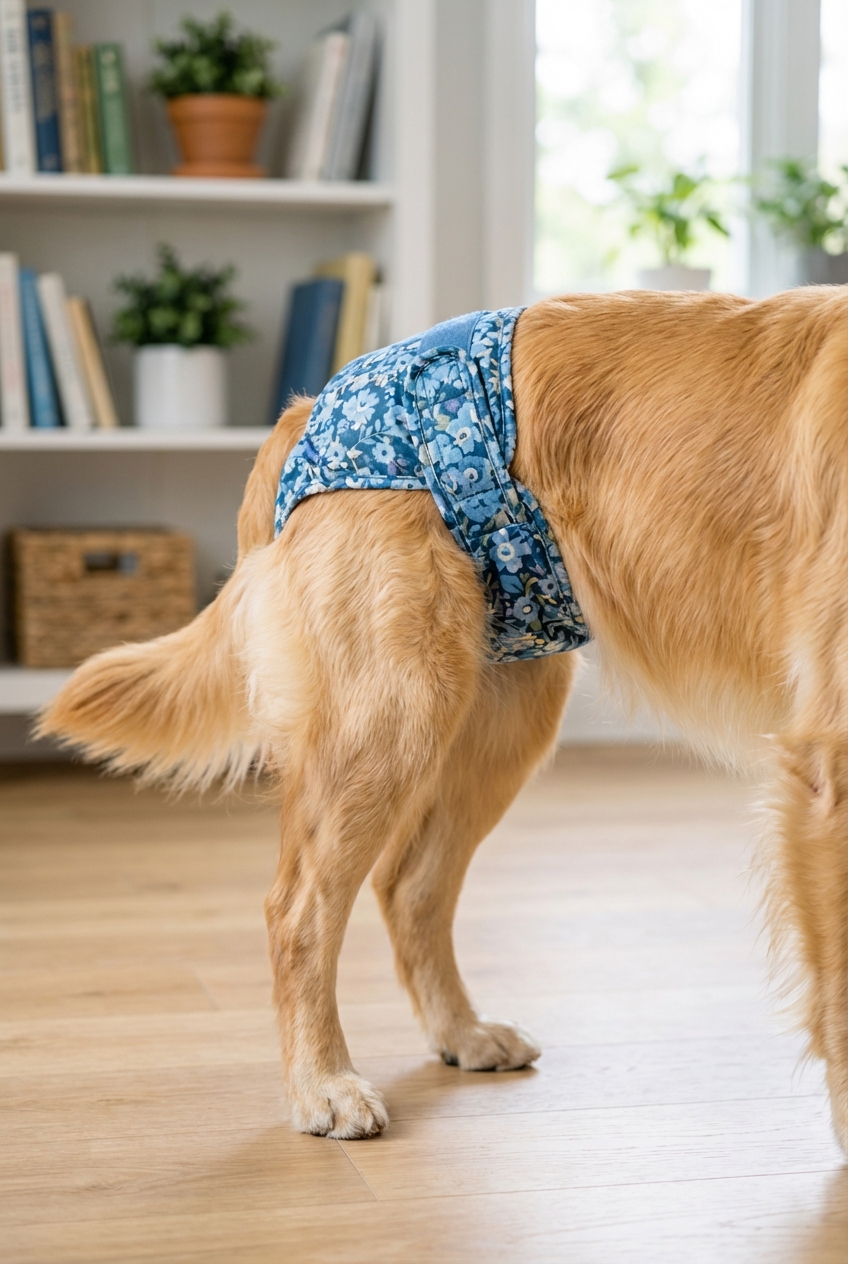
- Use a dog heat diaper for indoor mess control, but remove it for potty breaks and change it often. A diaper helps with spotting, but it does not prevent mating.
- Wipe the vulva gently with a damp cloth if needed, and keep the skin dry to prevent irritation.
- Offer calm enrichment like food puzzles, sniffy walks, and training games to reduce restlessness.
- Maintain routine with regular meals, sleep, and short training sessions. Predictability helps.
Plan around other dogs
- Daycare, boarding, and grooming: Many facilities will not accept dogs in heat. Call ahead and reschedule if needed.
- At home: Keep windows and doors secured, and supervise any time she is outside. Intact males may show up at your fence or door.
Normal vs not normal
Usually normal
- Swelling of the vulva
- Bloody discharge that gradually lightens
- Increased licking
- Extra clinginess or restlessness
- Male dogs showing strong interest
Call your veterinarian promptly
- Foul-smelling discharge, green or yellow pus-like discharge, or discharge that suddenly becomes heavy
- Lethargy, vomiting, fever, or refusing food and water
- Excessive drinking and urination with other illness signs
- Swollen abdomen or signs of pain
- Bleeding that seems extreme or persists longer than about 4 weeks
One reason we take these signs seriously is that intact females are at risk for pyometra, a life-threatening uterine infection that often occurs weeks after a heat cycle. Pyometra is an emergency.
Confirming heat or fertility
If you need more certainty (for breeding plans, irregular cycles, or an accidental mating scare), your veterinarian can confirm heat stage and fertility timing. Common tools include:
- Vaginal cytology: A simple microscope check of vaginal cells that helps estimate the cycle stage.
- Progesterone testing: A blood test used to pinpoint ovulation timing more precisely.
If an intact male tied with your female, call your veterinarian as soon as possible. There may be time-sensitive options depending on your situation.
When to consider spaying
Spaying prevents pregnancy and eliminates heat cycles. It also significantly reduces the risk of pyometra. Spaying can also reduce the risk of mammary tumors, especially when done before early heat cycles, but timing decisions are more nuanced than they used to be and may depend on breed, size, and overall health. This is a great conversation to have with your veterinarian.
If your dog is currently in heat, most clinics prefer to wait until the cycle is over to spay because tissues are more vascular during heat, which can increase surgical bleeding risk. Your veterinarian can advise on the safest schedule for your individual dog.
Quick FAQ
Do dogs have periods like humans?
Not exactly. Dogs can have bloody discharge during heat, but they do not menstruate the way humans do. The bleeding is mainly due to hormone-driven changes in the reproductive tract and leaky small blood vessels, not the shedding of a thick uterine lining like in human periods.
Can my dog get pregnant if she stops bleeding?
Yes. Many dogs are most fertile when discharge becomes lighter, not when it is bright red. Assume she can become pregnant for several weeks.
Will she be in pain?
Most dogs are not in pain during heat, but they can feel uncomfortable, restless, or sensitive. If you see signs of pain or illness, contact your veterinarian.
Bottom line
The most trusted signs of a dog in heat are vulvar swelling, discharge, increased licking, behavioral changes, increased urination or marking, and intense attention from male dogs. Once you notice the first sign, your top priorities are pregnancy prevention, supervision, and keeping your dog calm and comfortable.
If you are unsure whether what you are seeing is normal heat behavior or something more serious, trust your instincts and call your veterinarian. Getting clarity early can prevent emergencies later.