Hairballs can be normal—but frequent gagging or vomiting may signal a bigger issue. Get vet-approved tips on brushing, hydration, fiber, diet, gels, and wh...
Article
•
Designer Mixes
Trusted Homemade Hairball Remedy For Cats

Shari Shidate
Designer Mixes contributor
Hairballs are one of those “normal” cat things that can still be stressful. You hear the coughing, gagging, or retching, and you immediately wonder if your cat is okay. The good news is that many mild hairball issues improve with simple, vet-common home care habits that support hydration, digestion, and regular grooming.
As a veterinary assistant, I always like to start with a simple truth: the goal is not to stop your cat from grooming. It is to help swallowed hair move through the GI tract smoothly instead of forming a plug that comes back up.
Why cats get hairballs
Cats swallow loose hair during grooming. Most of that hair should pass through the intestines and leave in the stool. Hairballs happen when hair collects in the stomach and forms a wad, especially when a cat is shedding heavily, grooming more than usual, or when digestion is slower than ideal.
Common risk factors
- Long or thick coats and seasonal shedding
- Overgrooming from stress, allergies, fleas, pain, or skin irritation
- Low water intake and dry stool
- Lower fiber intake or slower GI motility that may contribute
- Obesity or inactivity
Hairball or coughing?
A big reason hairballs feel confusing is that cats can look like they are “trying to bring one up” when they are actually coughing. Coughing can be related to asthma or airway irritation and often produces no hairball.
Quick way to tell
- Retching (hairball or vomiting): belly heaves, swallowing, drooling, then a hairball or liquid/food may come up.
- Coughing (airway): more chest-based, sometimes low and repetitive, often no hairball is produced, and your cat may crouch with neck extended.
When a “hairball” might be something else
Not every gagging episode is a hairball. Cats can cough from asthma, upper respiratory irritation, or nausea. Less commonly, heart disease can cause breathing changes that owners mistake for gagging or coughing.
Call your vet promptly if you notice:
- Repeated retching with no hairball produced, especially multiple episodes in a day or lasting more than a day
- Loss of appetite, lethargy, hiding, or a painful belly
- Constipation, diarrhea, or no stool
- Breathing difficulty or open-mouth breathing
- Hairball-like coughing that sounds deep in the chest, happens frequently, and no hairball is produced
- Known string, ribbon, or foreign object exposure
Important: A true intestinal blockage can be life-threatening. If your cat is straining, vomiting repeatedly, cannot keep water down, or is not eating, skip home remedies and get veterinary care.
A safe home care plan
“Homemade remedy” does not have to mean guessing or using trendy ingredients. The most reliable at-home plan is simple: add moisture, consider gentle fiber if appropriate, reduce loose hair, and support calm, consistent routines.
Before you add anything new: If your cat is a kitten, a senior, on a prescription diet, or has chronic GI disease (like IBD), constipation history, kidney disease, diabetes, or pancreatitis concerns, check with your vet first. The “right” fiber or fat choice can be different for those cats.
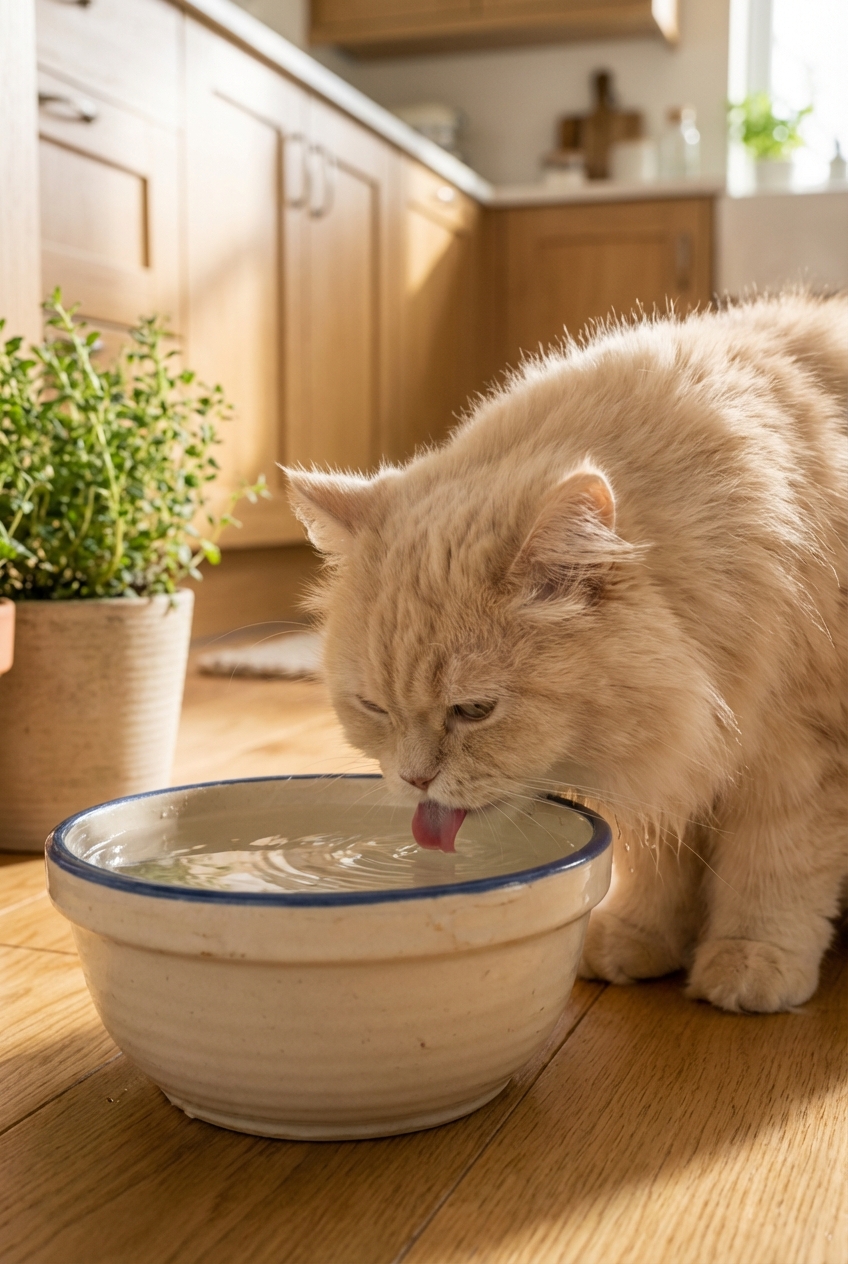
1) Hydration first
Moisture helps keep stool softer and supports healthy gut movement, which helps hair pass naturally.
- Switch part or all of the diet to wet food if possible.
- Add water or low-sodium broth to meals. Start with 1 to 2 teaspoons and increase slowly if your cat accepts it. Broth safety note: only use broth that contains no onions or garlic (both are toxic to cats and are common in store-bought broths, even low-sodium ones).
- Use a cat water fountain. Many cats drink more from moving water.
2) Gentle fiber with plain pumpkin
Plain canned pumpkin can help some cats by adding soluble fiber, which supports regular stool and can help hair move along. It does not work for every cat, and some cats with sensitive GI tracts do worse with added fiber, so go slowly and watch the litter box.
How to use:
- Choose plain pumpkin only, not pumpkin pie filling.
- Start with 1/2 teaspoon once daily mixed into wet food.
- For larger cats, you can slowly work up to 1 teaspoon once daily if stools remain normal.
Watch for: loose stool, gas, or worsening diarrhea. If that happens, reduce the amount or stop. If your cat has chronic diarrhea, IBD, or frequent vomiting, talk with your vet before adding fiber.
3) Oils: optional and vet-guided
Some owners use small amounts of fats in an attempt to help hair move along. In practice, oils are not my first choice because they can trigger GI upset, and some cats (especially those with a pancreatitis history or very sensitive stomachs) do not tolerate added fat well. If you want to try an oil, it is best to do it with your vet’s guidance.
- Fish oil: may support skin and coat health over time, which can reduce shedding. Use a pet-specific product and dose based on your veterinarian’s advice or label guidance for your cat’s weight.
- Olive oil: if your vet says it is appropriate, use only a very small amount occasionally mixed into food. If your cat vomits after oil, stop.
Avoid giving mineral oil at home due to aspiration risk. And do not give human laxatives or OTC meds unless your veterinarian tells you to.
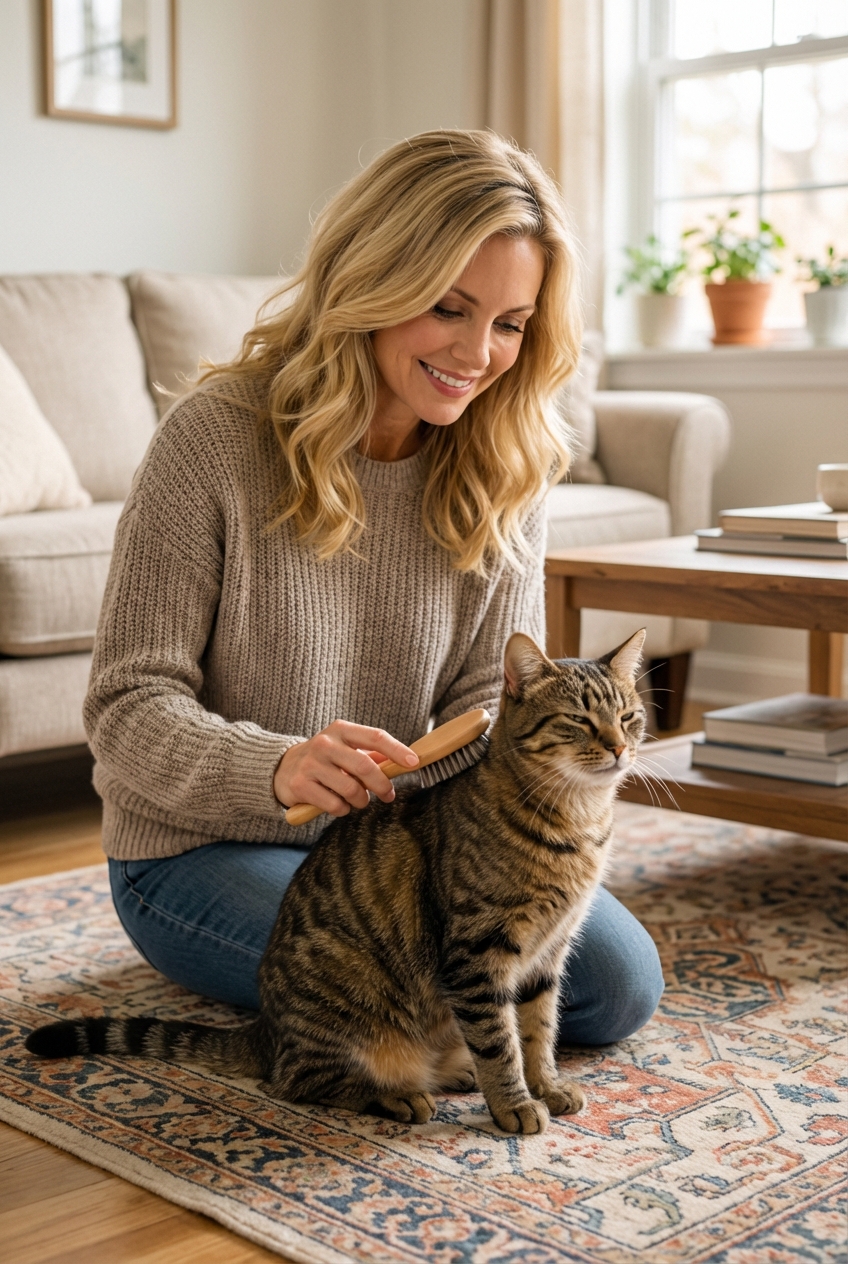
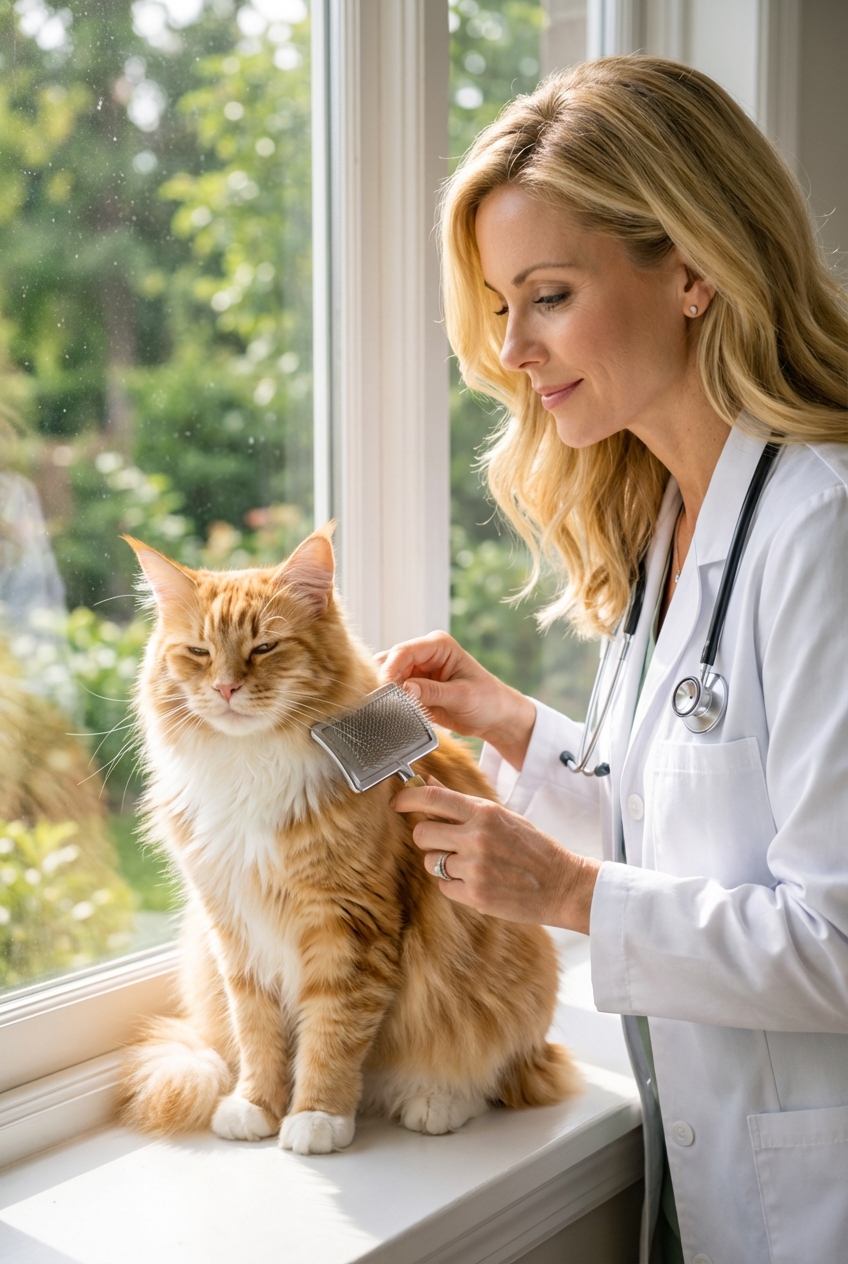
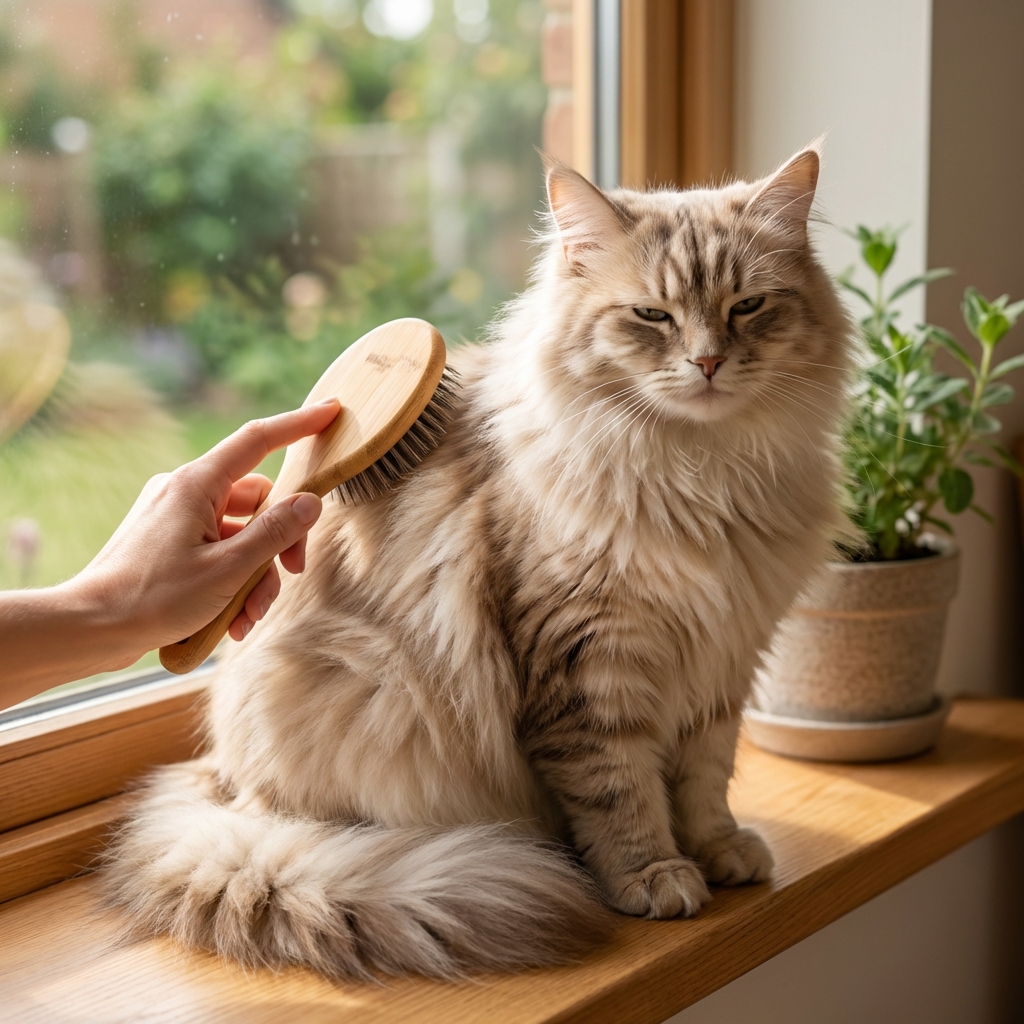
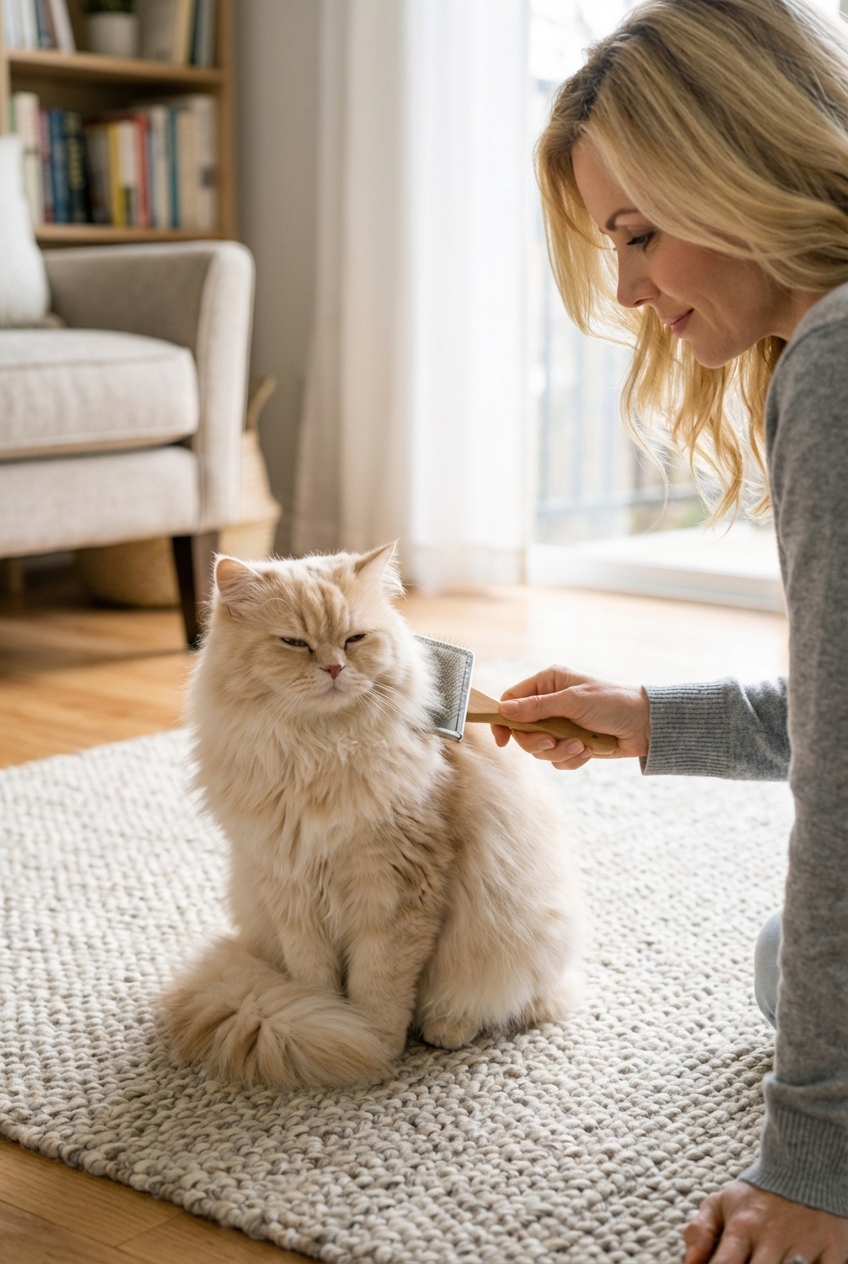
4) Brush like it matters
If you remove hair before your cat swallows it, you often prevent the problem at the source.
- Short-haired cats: aim for 2 to 3 times per week.
- Long-haired cats: aim for daily during heavy shedding seasons.
- Pair brushing with a treat to keep it positive.

Step-by-step: 7-day plan
If your cat is otherwise acting normal, here is a gentle plan you can try at home.
Days 1 to 3
- Add wet food or add water to meals.
- Brush daily for a few minutes.
- Try 1/2 teaspoon plain pumpkin once daily, if your cat has no history of chronic GI upset and your vet has no concerns.
Days 4 to 7
- Continue hydration and brushing.
- If stools are normal and your cat tolerates pumpkin well, adjust up to 1 teaspoon daily if needed.
- If your cat is still hacking frequently, consider a vet-approved commercial hairball gel or a hairball diet. Many hairball diets use specific fiber sources (like cellulose or psyllium) that work well for some cats.
Track two things: how often you hear gagging or coughing, and what the litter box looks like. That information is incredibly helpful if you end up needing a vet visit.
Common questions
Is pumpkin safe for cats?
For most cats, yes, in small amounts. It is a food, not a medication, so it is usually gentle. The main side effect is loose stool if you use too much or introduce it too fast. Cats with IBD, chronic diarrhea, or frequent vomiting should check with a vet before adding extra fiber.
Can I give my cat coconut oil?
I do not typically recommend coconut oil as a go-to hairball remedy. It is high in saturated fat and can trigger GI upset in some cats. If you want to support coat health, ask your vet about a pet-specific fish oil instead.
What about butter, petroleum jelly, or mineral oil?
Butter is not a great choice for most cats and can worsen stomach upset. Mineral oil can be risky if accidentally aspirated. Petroleum-based hairball gels exist, but use a cat-specific product and follow label directions, especially if your cat has any medical history. Avoid human laxatives and OTC meds unless your veterinarian directs you.
Preventing hairballs
The best “remedy” is prevention. Once your cat is stable, focus on the habits that keep hair moving and reduce shedding.
- Regular brushing tailored to coat type
- Moisture-rich diet and multiple water options
- Parasite control to reduce skin irritation and overgrooming
- Stress reduction with routine play, quiet rest spaces, and predictable feeding times
- Talk with your vet if grooming becomes obsessive, if you suspect pain or skin disease, or if hairballs are frequent
Quick safety checklist
Home care is for mild, occasional hairballs in an otherwise normal cat. If anything feels “off,” trust your instincts and call your vet.
- Repeated unproductive retching, especially multiple episodes in a day
- Vomiting food or liquid repeatedly, or inability to keep water down
- No appetite for 24 hours, or any lethargy
- Constipation or no stool
- Open-mouth breathing or obvious breathing trouble
- Suspected string or foreign material
With the right mix of hydration, fiber that fits your cat, and brushing, many cats do much better within a week. Start slow, watch the litter box, and keep it simple.