Heartworm in cats can be subtle and serious—even for indoor cats. Learn symptoms, emergency warning signs, how vets diagnose it, treatment options, and sim...
Article
•
Designer Mixes
Trusted Heartworm Cats Complete Handbook

Shari Shidate
Designer Mixes contributor
Heartworm disease in cats is one of the most misunderstood parasite threats I see pet parents worry about. And I get it. Cats are not small dogs, heartworm tests are not always straightforward, and symptoms can look like asthma, allergies, or “my cat is just slowing down.”
The good news is that you can absolutely protect your cat with a simple prevention plan and a little know-how about what to watch for. This handbook walks you through what heartworm is, why cats are unique, how it is diagnosed and treated, and the prevention steps that truly make the biggest difference.
Quick note: This guide is educational and not a substitute for veterinary care. If your cat is having breathing trouble, it is always safest to call your veterinarian or an emergency clinic right away.
Heartworm in cats: the basics
Heartworm disease is caused by the parasite Dirofilaria immitis. Mosquitoes ingest microscopic baby worms (microfilariae) when they bite an infected animal. Inside the mosquito, those develop into infectious larvae (L3), which can then be transmitted to the next animal during a later bite. In dogs, heartworms commonly mature into adult worms in the pulmonary arteries and the right side of the heart. In cats, the disease behaves differently.
Why cats are different
- Cats are atypical hosts. Many larvae do not survive to adulthood, and cats often have low worm burdens (sometimes just 1 to 3 worms).
- Immature worms can cause big problems. Cats can develop severe inflammation in the lungs when immature worms reach the pulmonary vessels. This is commonly called HARD: Heartworm-Associated Respiratory Disease. It can happen even if adult worms are never confirmed.
- Microfilariae are uncommon in cats. That means cats often will not show positive results on the same tests used routinely in dogs.
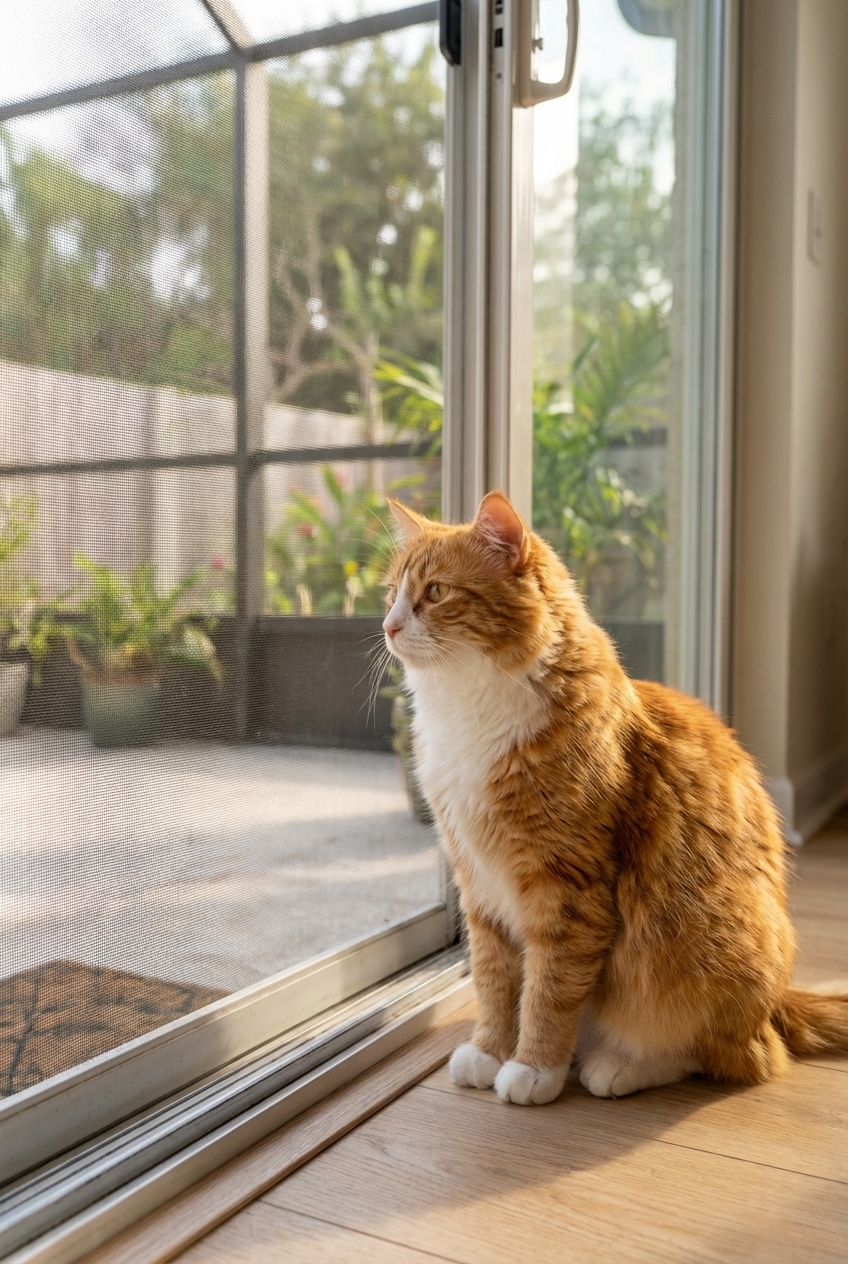
- Indoor cats are still at risk. Mosquitoes get indoors through doors, screens, garages, and open windows. Studies repeatedly show that a meaningful percentage of feline heartworm cases occur in indoor-only cats.
Bottom line: cats can get heartworm, and the disease can be serious even when only a small number of worms are involved.
How cats get infected
Heartworm transmission requires one essential ingredient: mosquitoes. In Texas and across much of the U.S., mosquito season can last many months, and in warmer areas it can feel year-round.
Common risk factors
- Living in a mosquito-heavy region (humid areas, near standing water, or mild winters)
- Time spent on patios, screened porches, or near open doors
- Frequent door opening (for people or pets), which increases the chance mosquitoes get inside
- Dogs in the household in endemic areas (they are more typical hosts and can contribute to local infection pressure)
- Skipping monthly prevention, even “just in the winter”
Signs of heartworm disease in cats
One of the toughest parts is that some cats show no signs at all until they suddenly do. When symptoms appear, they often overlap with other common feline conditions.
Symptoms to watch for
- Coughing or wheezing
- Fast or labored breathing
- Vomiting (sometimes intermittent and not obviously tied to eating)
- Lethargy, hiding more, less interest in play
- Weight loss or reduced appetite
- Episodes that look like asthma attacks
- Sudden collapse or sudden death (less common, but possible)
If your cat has breathing changes, treat it as urgent. If you see open-mouth breathing or your cat cannot seem to catch their breath, seek emergency care.
Diagnosis: why testing is tricky
In dogs, we often rely heavily on a single antigen test. In cats, diagnosis is usually more like putting puzzle pieces together. Your veterinarian may recommend a combination of tests based on symptoms, local risk, and exam findings.
Common tools your veterinarian may use
- Antigen test (detects adult female worms): can be negative if there are only male worms, immature worms, or very low worm numbers.
- Antibody test (detects exposure): can indicate the cat was infected at some point, even if worms did not mature. Helpful, but not a perfect “active disease” marker.
- Chest X-rays: may show changes in lung patterns or pulmonary arteries consistent with heartworm-related disease.
- Echocardiogram (heart ultrasound): can sometimes visualize worms and assess cardiac impact.
- Baseline bloodwork: evaluates overall health and can help rule out other causes.
Because cats can have significant disease with few worms, a negative test does not always equal “no heartworm.” That is a big reason prevention matters so much.
Treatment options for cats
This is the part that surprises many cat parents: the “adulticide” injections used in dogs are not routinely used in cats due to safety concerns and a higher risk of severe complications.
And because cats often have low worm numbers but intense lung inflammation, treatment is usually about keeping them stable and comfortable while their body deals with the infection.
So what do we do instead?
Feline heartworm management is often focused on supportive care and monitoring, depending on how sick the cat is and what diagnostics show.
- Stabilization for respiratory signs: oxygen therapy, bronchodilators, and other supportive measures when needed.
- Anti-inflammatory medications: veterinarians may use corticosteroids in certain cases to reduce lung inflammation related to HARD.
- Monitoring: repeat imaging or testing may be recommended over time.
- Prevention going forward: monthly prevention is still important to stop new infections.
- Specialized removal: rarely, in severe cases with worms visible in the heart, catheter-based removal may be considered by a referral center.
Please do not try to treat heartworm at home or with “natural dewormers.” Heartworm is not an intestinal parasite, and attempting unproven treatments can delay real care when your cat needs it most.
What happens over time
Many cats will clear the infection on their own, but the inflammatory damage in the lungs can still be serious. Adult worms, if present, can live for a couple of years in cats, and sudden crisis events are one reason we take prevention so seriously.
Prevention: the best plan
If there is one message I want you to take from this handbook, it is this: heartworm prevention is safer, easier, and typically far less expensive than managing heartworm disease.
What prevention looks like
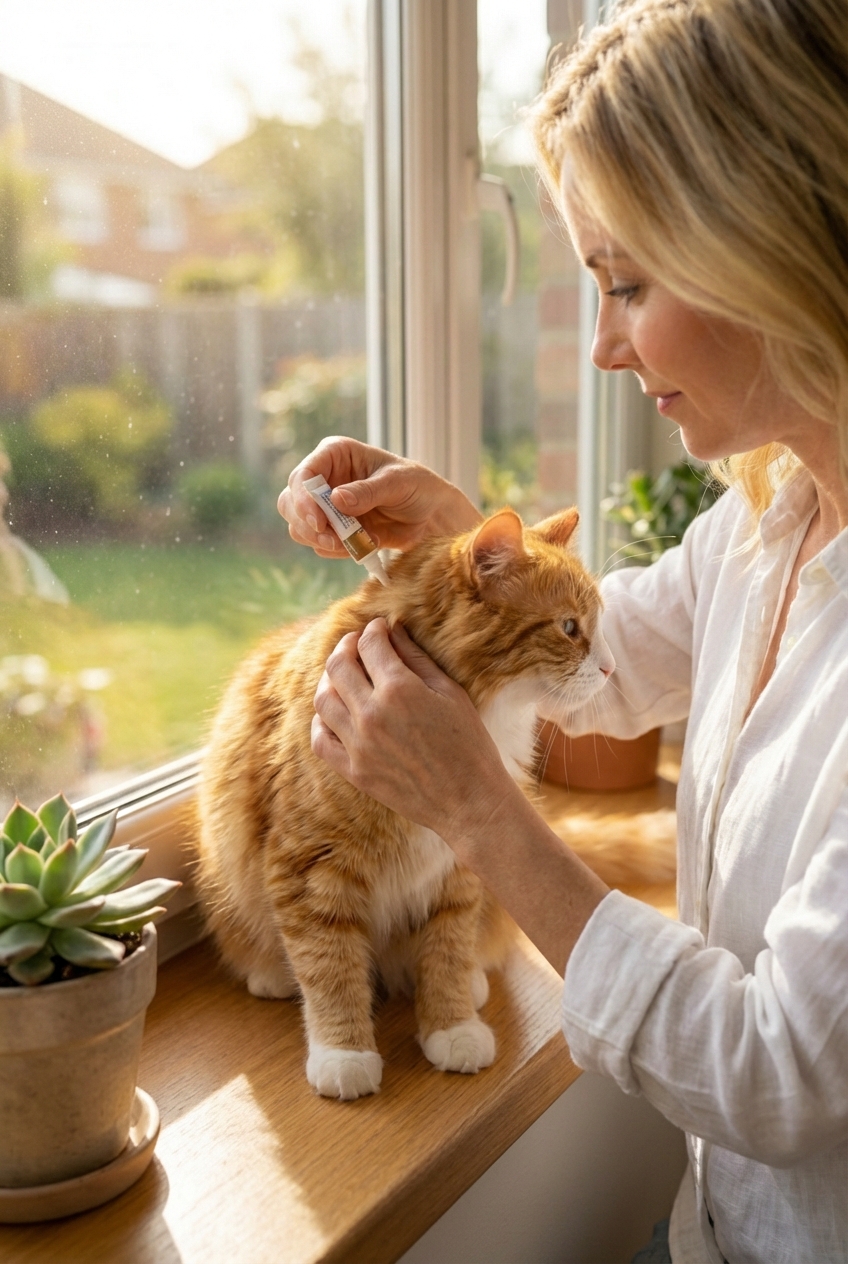
Most feline heartworm preventives are prescription products given monthly, either as a topical liquid applied to the skin or as an oral medication, depending on the brand and what your veterinarian recommends.
- Give it on schedule. Set a recurring reminder on your phone. Missing doses creates gaps where infection can take hold.
- Use cat-specific products only. Never share dog medication. Some dog parasite products can be dangerous for cats.
- Ask about broad coverage. Many feline preventives also protect against intestinal parasites like roundworms and hookworms, and some cover fleas or ear mites.
- Plan for year-round prevention. In many climates, mosquitoes can appear outside the “usual season,” especially during warm spells.
Some clinics start prevention in cats without routine testing, while others recommend baseline testing based on your region and your cat’s history. Follow your veterinarian’s guidance.
Is prevention safe for cats?
When used as directed, veterinarian-prescribed preventives that are approved or regulated for cats have a strong safety profile. Most cats tolerate them very well. That said, every pet is an individual, and it is smart to watch for mild reactions.
Possible side effects to watch for
- Mild skin irritation at the application site (topicals)
- Temporary drooling or lip-smacking if the cat licks a topical before it dries
- Mild gastrointestinal upset (more common with some oral medications)
- Behavior changes like brief restlessness (uncommon)
Call your veterinarian if you see persistent vomiting, weakness, tremors, trouble breathing, or anything that feels “off.” Also, always share your cat’s full medical history and any other medications or supplements they take so your vet can choose the best option.
Common myths, cleared up
“My cat is indoors, so there’s no risk.”
Indoor cats can still be bitten by mosquitoes. Indoor-only cats do have a lower risk than outdoor cats, but the risk is not zero.
“Heartworm is rare in cats, so it’s not worth preventing.”
Feline heartworm is underdiagnosed partly because cats are harder to test and may show non-specific signs. Also, cats can become very ill from just a small number of worms. Prevention is the dependable choice.
“If my cat had a negative test, we can skip prevention.”
Testing can miss infections in cats. Prevention is recommended based on risk and geography, not only test results.
When to call your vet
Please seek urgent veterinary care if your cat has any of the following:
- Open-mouth breathing, panting, or blue-tinged gums
- Sudden collapse or extreme weakness
- Rapid breathing at rest
- Repeated vomiting paired with lethargy
- A new cough or wheeze that does not improve quickly
These signs can be caused by heartworm, asthma, heart disease, toxin exposure, and more. Either way, fast care matters.
Your simple action plan
If you want the most trusted, low-stress approach, here is what I recommend as a veterinary assistant and cat lover:
- Talk with your veterinarian about heartworm risk where you live and what preventive fits your cat’s lifestyle.
- Start monthly prevention and stick with it year-round.
- Schedule routine wellness visits so subtle respiratory changes get caught earlier.
- Reduce mosquito exposure by fixing screens, limiting dusk-to-dawn porch time, and eliminating standing water around your home.
Your cat depends on you for protection from things they cannot see. Heartworm prevention is one of those small monthly habits that can make a truly life-saving difference.