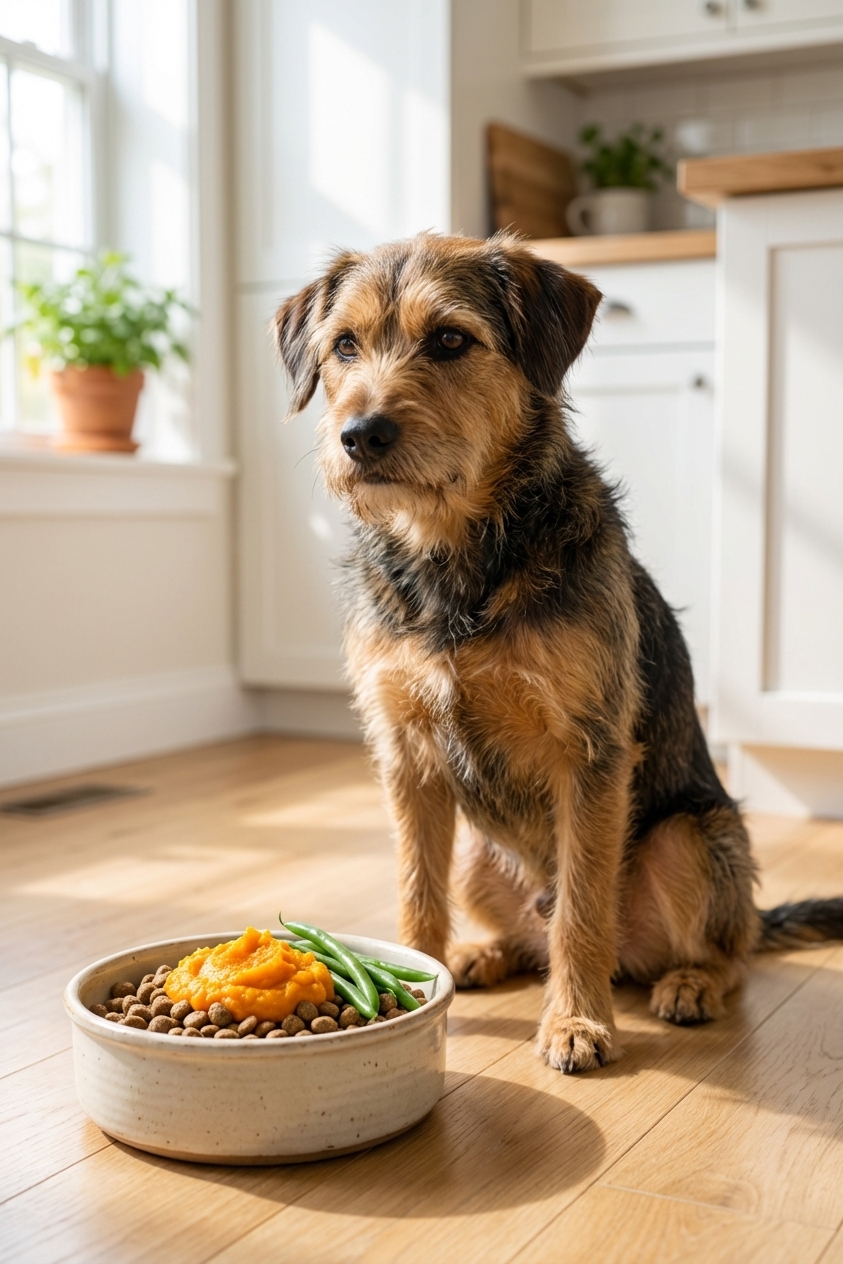
Learn liver-friendly homemade dog food strategies: when to restrict copper, pick digestible proteins and gentle carbs, what ingredients to avoid, and simple ...
Article
•
Designer Mixes
Trusted Dogs: Liver Failure Fun Facts and Tips

Shari Shidate
Designer Mixes contributor
As a veterinary assistant here in Frisco, Texas, I have seen liver issues in dogs range from “we caught it early and they did great” to truly urgent situations. The good news is that the liver is a hardworking, resilient organ, and with the right support and a solid veterinary plan, many dogs can feel better and enjoy a strong quality of life.
This article is here to help you understand liver failure in clear, practical terms, plus a few fun facts along the way. It is not a diagnosis, and online info cannot replace an exam and lab work. If your dog is acting “off,” trust your instincts and call your veterinarian.
What the liver does (and why it matters)
Your dog’s liver is like a busy processing center. It helps the body handle nutrients, metabolize medications, and keep blood chemistry balanced.
- Metabolism and detox support: The liver helps break down and clear medications, chemicals, and waste products.
- Digestion support: It produces bile, which helps break down fats.
- Energy and storage: It stores vitamins and minerals and helps regulate blood sugar.
- Protein and clotting support: It produces proteins, including some needed for normal blood clotting.
Because the liver touches so many systems, liver disease can show up in many different ways.
Liver failure vs. liver disease
These terms get used interchangeably online, but they are not always the same thing.
- Liver disease means the liver is irritated, inflamed, infected, obstructed (bile flow problems), or damaged.
- Liver failure generally means the liver can no longer do enough of its normal jobs to keep the body stable. This is often more advanced and may involve issues like jaundice, low blood sugar, low albumin, clotting problems, fluid buildup, and sometimes neurologic signs.
Liver issues can be acute (sudden, like a toxin exposure) or chronic (slow-building over time).
Important: If you suspect toxin exposure (xylitol, rodenticides of various types, certain mushrooms, some human medications), treat it as an emergency and call your vet or a pet poison hotline right away.
Common causes
There are many reasons dogs develop liver disease. A few of the more common ones include:
- Toxin exposure
- Chronic hepatitis (long-term inflammation)
- Copper-associated liver disease (more common in certain breeds)
- Infectious or inflammatory conditions
- Gallbladder disease or bile duct obstruction (including gallbladder mucocele)
- Congenital issues like portosystemic shunts (abnormal blood flow around the liver)
- Cancer or masses affecting the liver or bile system
- Medication-related changes (some drugs can raise liver values or stress the liver)
Signs you might notice at home
Some dogs show subtle symptoms at first. Others look sick very quickly. Call your veterinarian if you notice any of the following, especially if several occur together.
- Low appetite or refusing food
- Vomiting or diarrhea
- Weight loss
- Increased thirst or urination
- Weakness, lethargy, or “just not themselves” behavior
- Jaundice: yellow tint to gums, whites of eyes, or skin
- Swollen belly or fluid buildup
- Unusual bruising or bleeding
- Disorientation, staring, pacing, head pressing, or seizures (can occur when toxins affect the brain)
How vets figure it out
Liver problems are not diagnosed from one number alone. Your vet will usually combine symptoms, exam findings, and testing.
Common tests
- Bloodwork: liver enzymes (like ALT, ALP, often AST and GGT), bilirubin, albumin, glucose, cholesterol, clotting values, and more
- Bile acids test: helps assess liver function and bile acid circulation (results can also be influenced by bile flow issues and some gastrointestinal conditions)
- Urinalysis: checks for bilirubin, infection, hydration status, and other clues
- Imaging: abdominal ultrasound or X-rays to look at liver size, gallbladder, ducts, and surrounding organs
- Sampling: needle aspirate or biopsy when needed to identify cancer, inflammation, copper buildup, or other causes
If your dog is older, on long-term medications, or has recurring stomach issues, routine lab checks can catch liver changes earlier.
What treatment may look like
Treatment depends on the cause and how stable your dog is. Your veterinarian may recommend a mix of:
- Hospital care: IV fluids, anti-nausea meds, appetite support, and close monitoring for acute cases
- Managing clotting risk: clotting tests, vitamin K for certain rodenticides, and in severe cases plasma support
- Supporting bile flow: medications like ursodiol when appropriate (not used in every case)
- Protecting liver cells: liver-support medications and supplements as part of a full plan
- Encephalopathy management: medications like lactulose and sometimes antibiotics if toxin buildup is affecting the brain
- Diet therapy: targeted nutrition to improve comfort and support liver function
Some dogs do very well once the underlying issue is identified and treated. Others need longer-term management and regular rechecks.
Fun facts about the canine liver
- It can regenerate: The liver has a remarkable ability to regrow and recover when the underlying cause is treated and enough healthy tissue remains. In some cases, dogs can even recover well after part of the liver is surgically removed.
- Enzymes tell a story, but not the whole story: ALT more often reflects liver cell injury, while ALP can rise with cholestasis (reduced bile flow) or enzyme induction from hormones or certain medications. Elevated numbers are a clue, not a complete diagnosis by themselves.
- Bile flow matters: Gallbladder or bile duct problems (cholestasis) can raise values like ALP, GGT, and bilirubin and may or may not mean primary liver-cell failure.
- Some breeds are more prone: Certain dogs are at higher risk for copper-associated liver disease, and screening can be helpful if your vet suspects it.
What helps most: practical tips
1) Move quickly if it could be toxins
Many toxin exposures are time-sensitive. Do not wait overnight if you suspect your dog ate something dangerous. Bring the packaging if you can.
If you need immediate guidance while you are calling your clinic, these are commonly recommended resources (fees may apply):
- ASPCA Animal Poison Control: 888-426-4435
- Pet Poison Helpline: 855-764-7661
2) Give medications exactly as prescribed
Liver treatment plans often include medications and supplements that protect liver cells or support bile flow. Common examples your veterinarian may recommend include SAMe, silybin or milk thistle derivatives, ursodiol, antibiotics (if infection is suspected), anti-nausea meds, and sometimes lactulose for toxin buildup.
One quick note from the clinic side: supplement quality and evidence can vary, and what helps one liver condition may not be appropriate for another. Always clear supplements with your vet, because dosing and interactions matter.
3) Nutrition matters more than people think
For many dogs with liver disease, diet is one of the biggest quality-of-life tools. The “right” diet depends on the cause and stage, but these goals come up often:
- Highly digestible meals to reduce strain on the body
- Appropriate protein levels and sources, based on your dog’s diagnosis
- Balanced fats and carbs for steady energy
- Targeted nutrients like zinc or antioxidants, if recommended
If you want to add fresh foods, do it gently and with guidance. Start small, monitor stool and appetite, and keep the diet consistent while your vet is trying to interpret lab trends.
If your dog has hepatic encephalopathy symptoms (confusion, staring, wobbliness), do not change protein or supplements on your own. Work with your veterinarian right away.
4) Avoid hidden liver stressors
- Do not give human pain meds unless your vet specifically instructs it
- Use flea and tick products exactly as directed and only those approved for your dog’s weight
- Store rodenticides, xylitol gum, sugar-free candy, and medications securely
- Be cautious with essential oils and concentrated products around pets
5) Track simple data at home
It is amazing how helpful a short daily log can be for your vet.
- Appetite and water intake
- Energy level and behavior changes
- Vomiting or diarrhea (frequency and appearance)
- Stool color changes (very pale or tarry stools should be reported)
- Medication and supplement schedule
Questions to ask your veterinarian
- Do you suspect acute injury, chronic disease, or an obstruction involving bile flow?
- Which lab values are most important for my dog’s case, and why?
- Should we run a bile acids test or do an ultrasound?
- What underlying causes are highest on your list (toxins, infection, chronic hepatitis, copper, shunt, gallbladder, cancer)?
- Is a prescription liver diet appropriate, or can we use a balanced home-cooked plan designed for this diagnosis?
- How often should we recheck labs?
- What red-flag symptoms mean I should go to an emergency clinic?
When to seek urgent care
Go in right away or call an emergency clinic if you see:
- Yellow gums or eyes that are worsening
- Repeated vomiting, inability to keep water down
- Collapse, severe weakness, or pale gums
- Seizures, disorientation, head pressing
- Signs of abdominal swelling with discomfort
- Any known or suspected toxin exposure
You know your dog best. If something feels alarming, it is worth a phone call.
A hopeful note
Liver failure sounds terrifying, and it can be serious. But many dogs with liver disease improve with early diagnosis, smart nutrition, and consistent follow-up. If you take one thing from this page, let it be this: trust your observations and partner closely with your veterinarian. You are not overreacting. You are advocating.