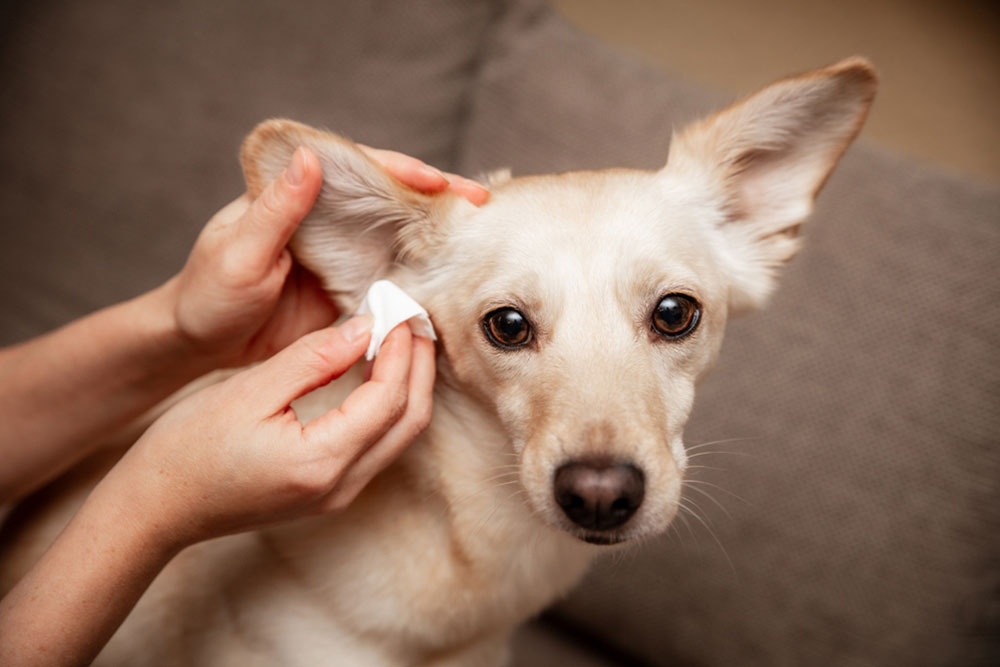
A vet-assistant guide to cleaning your dog’s ears the safe way—what to use, what to avoid, step-by-step technique, how often to clean, and when to call y...
Article
•
Designer Mixes
Trusted Dog Yeast Infection Insights and Advice

Shari Shidate
Designer Mixes contributor
Yeast infections are one of those frustrating skin and ear issues I see pet parents worry about again and again. The good news is that many dogs feel better quickly once you identify what is going on, treat it the right way, and reduce the triggers that keep it coming back.
As a veterinary assistant in Frisco, Texas, I always tell families the same thing: yeast is usually not the “big bad” by itself. Most of the time, it is an opportunist. It takes advantage of skin or ears that are already inflamed, moist, or not getting good airflow. In dogs, the most common yeast involved is Malassezia pachydermatis, which normally lives on the skin in small amounts.
What it looks like
In dogs, yeast most commonly involves the ears, paws, armpits, groin, and skin folds. Yeast can also contribute to a general “musty” odor and a greasy coat.
Common ear signs
- Head shaking or ear scratching
- Red, inflamed ear canal or ear flap
- Brown or yellow waxy buildup
- Strong odor, often described as “corn chips,” “bread,” or “musty”
- Ear pain or sensitivity when touched
Odor is a helpful clue, but it is not diagnostic by itself. Yeast, bacteria, and even skin oils can create similar smells.
Common skin and paw signs
- Constant licking or chewing at paws
- Redness between toes or around nail beds
- Thickened, darkened skin in chronic cases
- Greasy or flaky patches
- Itching that seems worse in warm, humid weather
These symptoms can overlap with bacterial infections, mites, and allergies. That is why confirmation matters before you treat.
Why yeast overgrows
Yeast normally lives on your dog’s skin in small amounts. Problems start when the environment changes and yeast multiplies too fast. A very common scenario is allergy-driven inflammation. When skin is inflamed, the barrier is weaker, oils change, and the surface stays warmer and damper, which gives yeast a chance to take over.
Most common drivers
- Allergies: environmental allergies and food allergies can inflame skin and ears, making them easier for yeast to overgrow.
- Moisture: swimming, frequent baths, humid climates, and trapped moisture in folds can feed yeast.
- Ear shape and hair: floppy ears or heavy ear hair can reduce airflow and keep the canal warm and damp.
- Underlying medical issues: hypothyroidism, Cushing’s disease, and other conditions can weaken skin defenses.
- Recent antibiotics or steroids: antibiotics can alter normal skin bacteria, and systemic steroids or other immunosuppressive medications can make overgrowth more likely.
Also, yeast often shows up alongside bacteria. If the underlying trigger is still active (especially allergies), the itch can keep coming even after the yeast count drops.
How vets confirm it
If you take away one thing from this article, let it be this: yeast should be diagnosed, not guessed. Many over-the-counter products can make the problem worse if you are treating the wrong thing.
Tests you may see
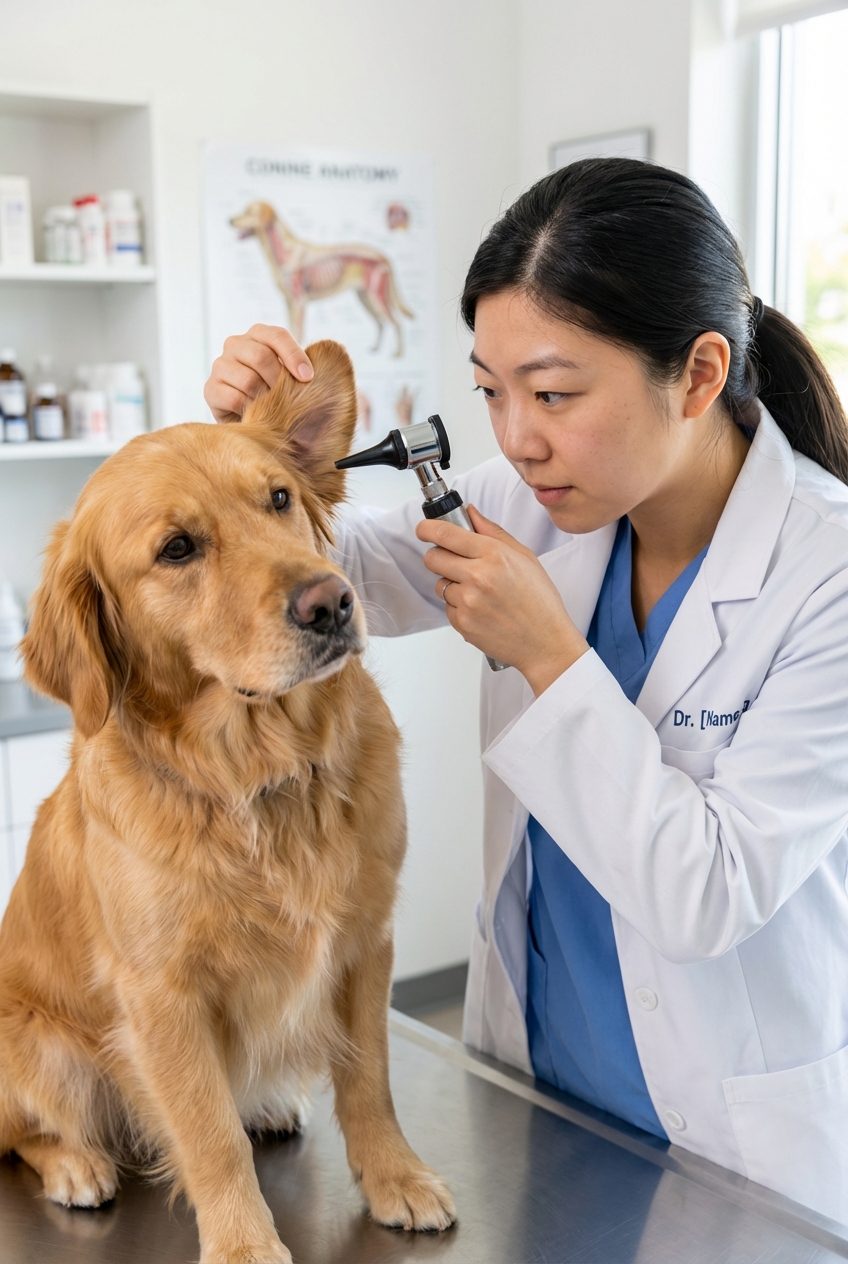
- Ear cytology: a gentle swab from the ear examined under a microscope to look for yeast, bacteria, and inflammation.
- Skin cytology: a tape prep or swab from itchy areas.
- Culture and susceptibility: most often used for bacteria in recurrent or treatment-resistant ear and skin infections to help pick the right antibiotic. In select stubborn cases, your vet may also pursue additional testing when yeast is complicated or atypical.
- Allergy and endocrine workup: if infections keep recurring.
This microscope step is fast, affordable in many clinics, and incredibly helpful because it guides the best treatment plan.
Treatment that works
Treatment depends on where the yeast is, how severe it is, and whether bacteria are present too. Many dogs need a combination approach.
For yeast in the ears
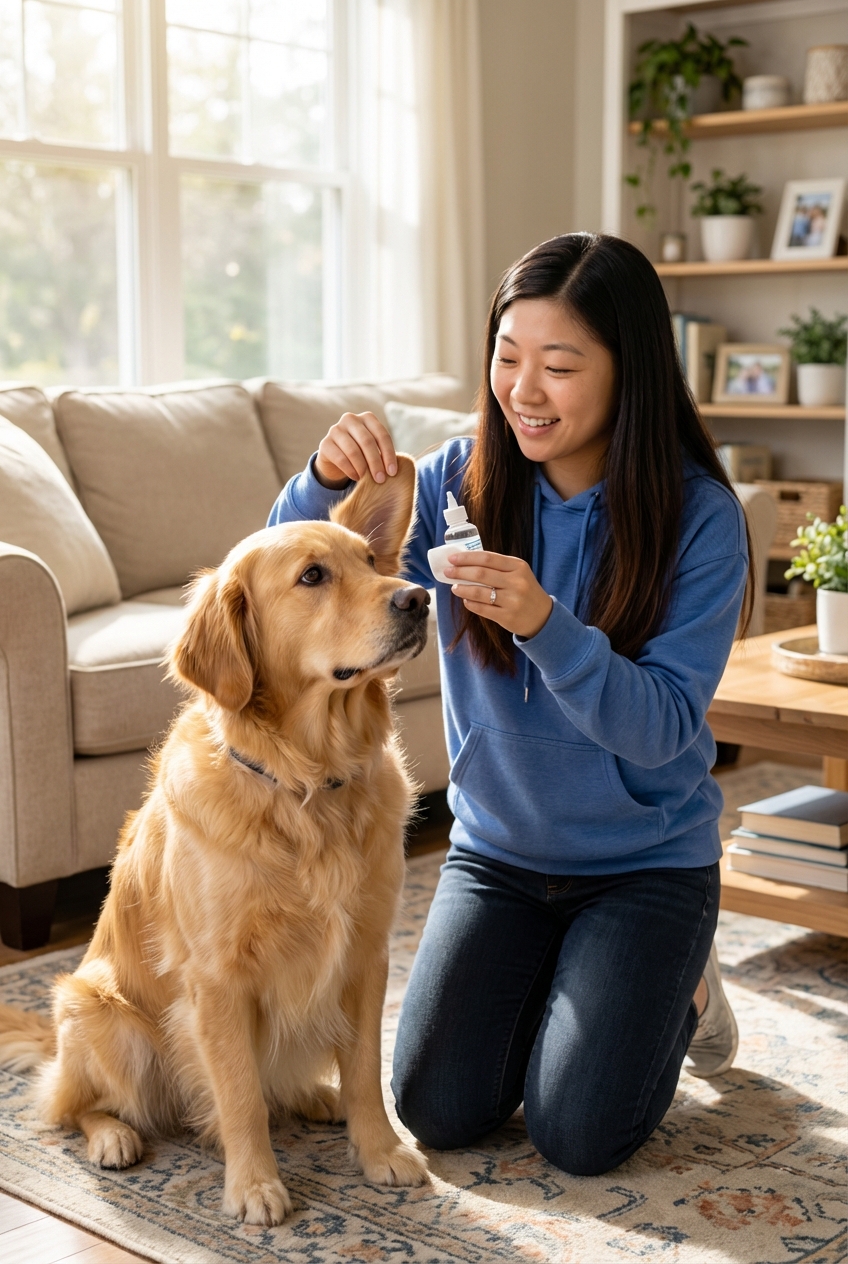
- Prescription ear drops that target yeast, and sometimes bacteria plus inflammation.
- Proper ear cleaning with a vet-recommended cleanser. Technique and frequency matter a lot.
- Follow-up recheck to confirm the ear is truly cleared. Many relapses are simply unfinished infections.
Important ear-cleaning safety note: if an ear is very painful, swollen, bleeding, or your dog yelps when you touch it, do not push home cleaning. Also, some ear products are not safe if the eardrum is ruptured, so it is best to follow your vet’s guidance.
For yeast on the skin
- Antifungal shampoos or wipes (often containing ingredients like chlorhexidine plus an antifungal). Contact time is key, so your vet may ask you to leave the lather on for several minutes.
- Oral antifungal medication for more widespread or stubborn cases.
- Treating the “why” such as allergies, moisture, or skin barrier damage.
Tip from the clinic: if your dog has recurrent ear yeast, ask your vet whether you should schedule a recheck cytology after treatment. It can prevent the rinse-and-repeat cycle.
At-home care
Home care is powerful when it supports, not replaces, diagnosis and treatment. Here are safe, practical steps that help many dogs.
Keep it clean and dry
- Dry paws thoroughly after walks, especially after rain or morning dew.
- After swimming, towel-dry the body and gently dry the outer ear flap.
- Trim fur between paw pads if your groomer or vet recommends it, since hair can trap moisture.
Support the skin barrier
- Use your vet’s recommended shampoo and do not mix and match too many products at once.
- Consider vet-approved omega-3 fatty acids if appropriate for your dog, since healthier skin is often more yeast-resistant.
Be cautious with DIY remedies
I know it is tempting to reach for vinegar, peroxide, or essential oils. Please be careful. These can irritate already-inflamed tissue, especially in ears, and can worsen pain. If your dog has an ear infection, you also do not want to put anything in the ear without knowing the eardrum is intact.
When to expect improvement
With the right treatment, many dogs start to look and feel better within a few days. If you are not seeing any improvement in about 3 to 5 days, if things are worsening, or if symptoms come right back after stopping meds, call your vet. That is often a sign of mixed infection, incomplete clearance, or an underlying trigger like allergies.
Diet and yeast
There is a lot of internet talk about “yeast diets,” and it can get confusing fast. Here is what holds up best in real-world vet medicine:
- Food allergies can contribute, but they are not the most common cause of yeast. Environmental allergies are often the bigger driver.
- A true elimination diet trial is the most reliable way to identify food allergy. This typically uses a prescription hydrolyzed diet or a novel protein diet under veterinary guidance.
- Balanced nutrition matters. Whether you feed a commercial diet or homemade, your dog needs complete and balanced nutrients to support immune function and skin health.
If you want to add small amounts of fresh food as a topper, that can be fine for some dogs, but keep it consistent and avoid turning it into an unbalanced “DIY treatment.” Also be cautious with high-fat add-ins, especially if your dog is prone to pancreatitis. If you are considering a homemade diet, it is worth talking with your veterinarian or a board-certified veterinary nutritionist.
Is it contagious?
In most typical cases, dog yeast overgrowth is not considered contagious to people or other pets. It usually happens because of changes in your dog’s skin or ear environment. That said, any pet with an active ear or skin infection should have their own grooming tools, and it is always smart to wash hands after medicating.
Call the vet right away
Yeast infections can become painful quickly, especially in the ears. Please get prompt care if you notice any of the following:
- Head tilt, loss of balance, or walking “drunk”
- Significant ear pain, swelling, bleeding, or a strong foul odor
- Pus-like discharge
- Symptoms spreading rapidly across the body
- Recurring infections more than a couple times a year
- Your dog is on steroids, has diabetes, or has a known endocrine condition
Recurring yeast infections are a signal to look deeper. The goal is not just to clear today’s flare, but to reduce how often it returns.
Prevention plan
If your dog is one of those “repeat offenders,” you are not failing. Many dogs are simply predisposed because of allergies, anatomy, or skin folds. A consistent prevention plan can make a huge difference.
Simple routines
- Weekly check-ins: sniff ears, look between toes, and catch early redness before it turns into a full infection.
- Grooming and hygiene: keep hair trimmed where moisture collects and consider regular medicated baths if your vet recommends it.
- Allergy management: ask your vet about the best approach for your dog, which may include prescription medications or immunotherapy.
- Recheck and adjust: infections that keep coming back often need a more customized plan.
Bottom line
Yeast infections are common, treatable, and often preventable. The most reliable path is straightforward: confirm the diagnosis with your veterinarian, treat it completely (and recheck when needed), then focus on triggers like allergies, moisture, and low airflow. With a steady routine, many yeast-prone dogs go from constant flares to long stretches of comfortable, healthy skin.