Dog diarrhea is stressful, but many mild cases improve fast with hydration and a short-term bland diet. Get safe food options, portions, foods to avoid, and ...
Article
•
Designer Mixes
Trusted Diarrhea Remedies for Dogs

Shari Shidate
Designer Mixes contributor
Diarrhea is one of the most common reasons pet parents call a clinic, and I get it. It is messy, stressful, and it can come on fast. The good news is that many cases are mild and resolve with smart, supportive care at home. The important part is knowing when home care is appropriate and when diarrhea is a sign your dog needs a veterinarian right away.
Below are evidence-informed, commonly vet-recommended steps I’ve seen help many dogs feel better, plus clear red flags to keep your pup safe.
First, decide if home care is safe
Home care is best for dogs who are bright, alert, drinking water, and have mild diarrhea with no major warning signs. If you are unsure, it is always okay to contact your veterinary clinic for guidance.
Contact a veterinarian urgently if you notice any of these
- Blood in the stool (red streaks or black, tarry stool). Black, tarry stool can mean digested blood.
- Vomiting repeatedly or cannot keep water down
- Severe lethargy, weakness, collapse, pale gums
- Signs of dehydration (sticky gums, sunken eyes, skin that “tents”)
- Diarrhea in a puppy, senior dog, or immunocompromised dog
- Known or suspected toxin exposure (xylitol, grapes or raisins, medications, rodent bait)
- Possible foreign body (toy, sock, bones), marked belly pain, or a tense, uncomfortable abdomen
- Large-volume watery diarrhea, very frequent urgent trips, or sudden explosive diarrhea (this can dehydrate dogs quickly and may be seen with acute hemorrhagic diarrhea syndrome)
- Known exposure risk for parvovirus (unvaccinated or under-vaccinated puppies, or recent contact with sick dogs)
- Diarrhea lasting more than 24 to 48 hours
- Your dog has a history of Addison’s disease, or is on steroids or chemotherapy
These situations can go from “upset tummy” to an emergency quickly.
Common causes
Diarrhea is a symptom, not a diagnosis. A few common triggers I see in practice:
- Dietary indiscretion: garbage, new treats, table food, greasy meals
- Sudden diet change: switching foods too fast
- Stress: boarding, travel, storms, new pets
- Parasites: giardia, roundworms, hookworms, whipworms
- Infections: viral or bacterial causes (more common in puppies)
- Food intolerance or inflammatory bowel disease
- Medication side effects, especially antibiotics or NSAIDs
When diarrhea is mild, supportive care often helps while the gut calms down. When it keeps returning, a fecal test and a targeted plan are usually the fastest path to real relief.
Trusted diarrhea care (at home)
1) Hydration first
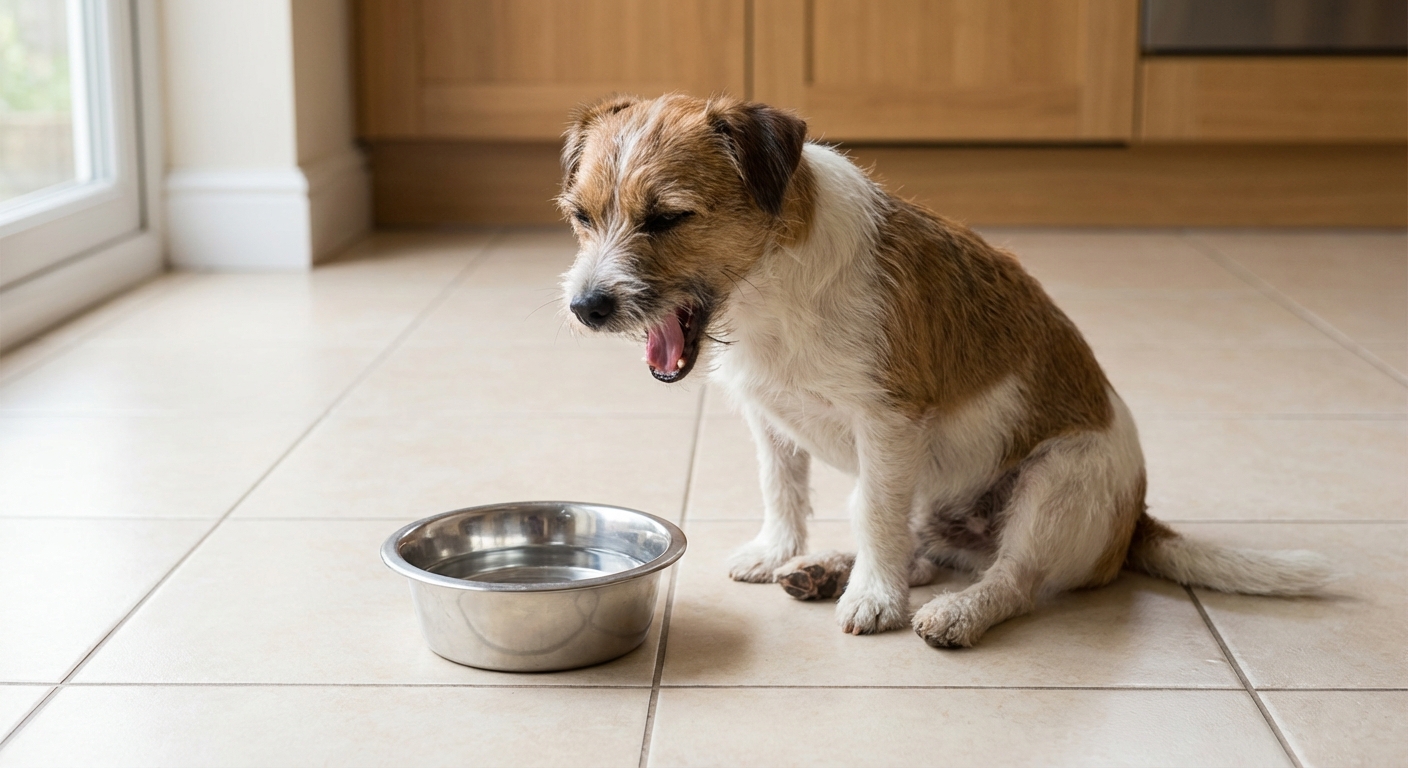
One of the biggest risks with diarrhea is fluid loss and electrolyte imbalance. Encourage drinking.
- Offer fresh water at all times.
- If your dog seems picky, offer ice chips or a small amount of low-sodium broth mixed with water.
- For some dogs, a pet-safe oral electrolyte can help, especially if stools are frequent. Avoid sports drinks due to sugar and additives.
If your dog will not drink, is getting weaker, or is vomiting water back up, that is a veterinarian visit.
2) Food break (optional)
For a healthy adult dog with mild diarrhea and no vomiting, some veterinarians may recommend a brief 8 to 12 hour rest from food to let the gut settle. Other veterinarians prefer skipping the fast and starting small bland meals right away. Either way, do not fast puppies, tiny dogs, seniors, or dogs with diabetes or other medical conditions unless your veterinarian specifically advises it.
3) A bland diet
Bland food is a classic for a reason. It reduces fat and irritants while providing easy-to-digest calories.
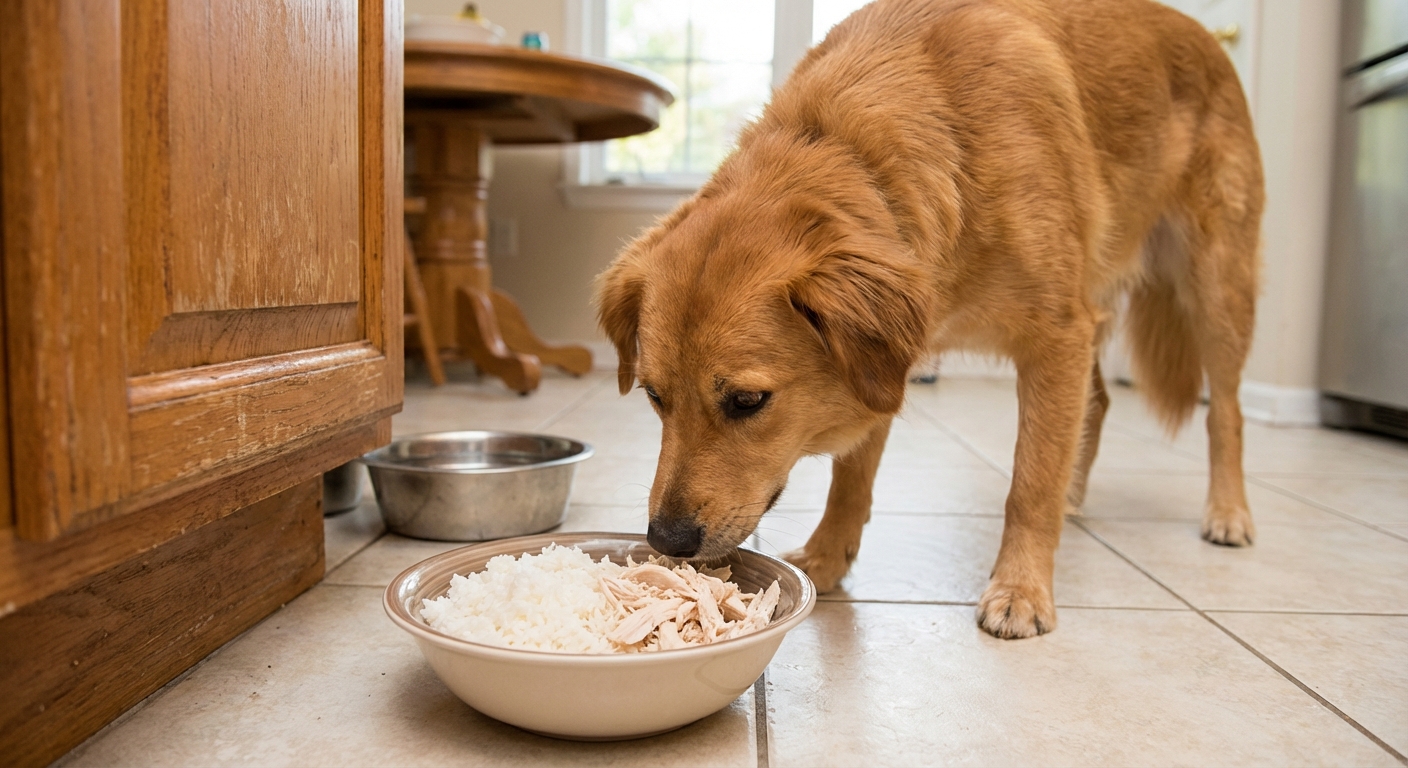
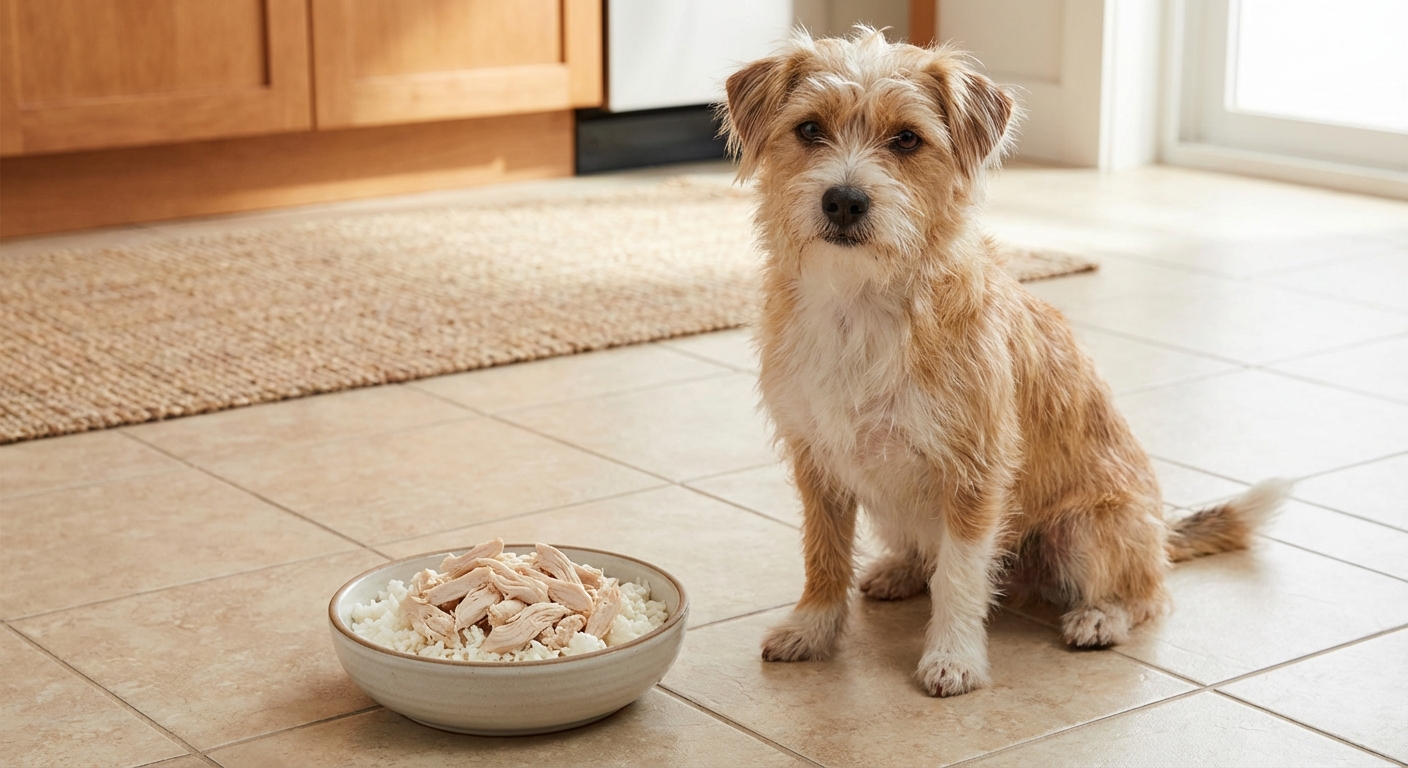
- Boiled skinless chicken breast plus plain white rice
- Lean ground turkey (well cooked and drained) plus white rice
- If chicken is a sensitivity for your dog, try lean cooked beef with rice (drain the fat well)
How much to feed (starting point): offer small meals 3 to 4 times per day. A common starting total for the day is about 1/4 to 1/3 of your dog’s normal daily amount, split into those meals. If your dog is keeping it down and stools are improving, you can slowly increase toward their normal total intake over 1 to 2 days.
How long to use it: a bland diet is usually a short-term tool for a few days. It is not nutritionally complete long-term, so if you are still relying on it beyond 3 to 4 days, involve your veterinarian for a plan.
If stools improve over 24 to 48 hours, transition back to the regular diet gradually over several days.
Avoid high-fat foods, rich bones, dairy, greasy table scraps, and heavy treats during this time.
Gentle add-ons
4) Plain canned pumpkin
Plain pumpkin (not pumpkin pie filling) can help normalize stool because it provides soluble fiber. That said, evidence is limited, and it is not right for every case. In some dogs, fiber can worsen gas, cramping, or diarrhea.
- Small dogs: start with 1 teaspoon
- Medium dogs: 1 to 2 tablespoons
- Large dogs: 2 to 4 tablespoons
Mix it into the bland meal. If diarrhea worsens, stop and contact your veterinarian.
5) A dog-specific probiotic
Probiotics can support the gut microbiome and may shorten the course of acute diarrhea in some dogs, especially stress-related diarrhea or after antibiotics. Look for a dog-specific probiotic from a reputable brand, and follow label dosing.
If your dog is immunocompromised or very ill, ask your veterinarian before starting any probiotic.
6) Vet-guided anti-diarrheals
Some dogs may benefit from veterinarian-recommended products such as kaolin-pectin or other GI support formulas. These products vary widely, and efficacy data are mixed, so I recommend confirming the exact product and dosing with your veterinary team. Avoid combination products that contain added medications (including salicylates) unless your veterinarian directs you.
Important: Do not give human anti-diarrheals like loperamide (Imodium) unless your veterinarian specifically instructs you. It can be dangerous in certain situations (including some infections and toxin exposures), and some herding breeds (like Collies, Australian Shepherds, and Shelties) may be more sensitive due to the MDR1 gene mutation.
What not to do
- Do not give Pepto-Bismol or other bismuth subsalicylate products without veterinary guidance. It can pose salicylate risks for some dogs, turn stool black and mask bleeding, and may complicate diagnostic testing.
- Do not keep switching foods every day. Rapid changes can prolong diarrhea.
- Do not assume it is “just stress” if symptoms last more than 48 hours, or if diarrhea keeps coming back.
- Do not ignore bloody diarrhea, even if your dog is acting okay.
How to monitor at home
When I’m helping pet parents figure out whether a case is improving, I focus on a few practical things you can track.
- Energy: Is your dog alert and acting normal?
- Appetite: Interested in bland meals?
- Hydration: Drinking and urinating normally?
- Stool frequency: Fewer urgent trips outside?
- Stool quality: Moving from watery to soft-formed?
If your dog is improving in all five areas within 24 to 48 hours, you are usually on the right track. If not, it is time to involve your veterinarian.
When your veterinarian may test
If diarrhea is severe, persistent, or keeps returning, your veterinarian may recommend:
- Fecal testing for parasites (including giardia)
- Parvovirus testing for unvaccinated or under-vaccinated puppies
- Bloodwork to check hydration, electrolytes, pancreas, and organ function
- Diet trials for food intolerance
- Imaging if a foreign body is possible
Stool sample tip: If you can, bring a fresh sample that is less than 12 hours old. Seal it in a bag or container and keep it cool until your appointment (do not freeze unless your clinic asks you to).
These steps are not “extra.” They help you stop guessing and start treating the true cause.
When diarrhea is “too frequent”
Even if each episode seems mild, ongoing or repeat diarrhea deserves a workup. As a general guide, contact your veterinarian if:
- Diarrhea lasts more than 1 to 2 weeks
- Your dog has 2 to 3 or more episodes per month
- There is recurring weight loss, poor appetite, or intermittent vomiting
Chronic issues often involve parasites that need targeted treatment, food intolerance, inflammatory disease, or other medical causes that will not resolve with bland food alone.
Transition back and prevent repeats
Once your dog is feeling better, prevention is all about protecting the gut.
- Transition foods slowly over 7 to 10 days, especially after a bland diet.
- If you are moving off the bland diet, a simple 3 to 5 day transition helps: 25% regular and 75% bland, then 50% and 50%, then 75% regular and 25% bland, then back to 100% regular.
- Keep treats simple and limited, especially during diet changes.
- Use parasite prevention recommended by your veterinarian, and do fecal checks as advised.
- Reduce trash access and supervise chewers.
- For stress-prone dogs, ask your veterinarian about pre-travel probiotics or calming strategies.
Your dog’s digestive system is a big part of their immune system. Supporting it consistently can mean fewer messy surprises and a happier, more comfortable pup.