A practical guide to helping a constipated cat at home: hydration tips, plain pumpkin, vet-guided Miralax (PEG 3350), fiber, hairball support, red flags, and...
Article
•
Designer Mixes
Trusted Cat Not Pooping Advice You Need

Shari Shidate
Designer Mixes contributor
If your cat is not pooping, it can be anything from a simple constipation issue to an urgent blockage. As a veterinary assistant in Frisco, Texas, I have seen how quickly a “maybe they’re just off today” situation can become painful and serious. The good news is that there are clear signs to watch for and safe, practical steps you can take while you decide if it is time for the vet.
Quick note: This article is for general education and does not replace veterinary care. If your cat seems very uncomfortable or is straining without producing stool or urine, call a veterinarian promptly.
What “not pooping” really means
Many healthy adult cats poop about once every 24 to 36 hours, but there is a lot of normal variation based on diet, hydration, age, and the individual cat. Kittens often go more frequently, and some cats go once per day like clockwork.
It becomes more concerning when:
- It has been over 48 hours with no stool, especially if this is unusual for your cat.
- Your cat is straining in the litter box with little or no stool produced.
- The stool is very hard, small, or dry.
Helpful terms: Constipation means difficulty passing stool. Obstipation is a more severe form where little to no stool passes at all.
Constipation vs. urinary blockage
One of the biggest dangers is assuming a cat is constipated when they are actually blocked and unable to urinate. A urinary blockage can be life-threatening, especially in male cats.
More consistent with constipation
- Straining to poop, with small hard stool or none
- Reduced appetite
- Hiding, hunched posture, or signs of discomfort
More consistent with a urinary emergency
- Frequent trips to the litter box with little or no urine
- Crying out, restlessness, licking the genital area
- A very painful, firm lower belly (often a full bladder)
- Vomiting, extreme lethargy, or sudden collapse
If you are not sure whether it is poop or pee, treat it as urgent and call your vet or an emergency clinic.
Quick tip: If you have more than one cat, consider briefly isolating the cat in question with a clean litter box so you can confirm whether urine clumps are being produced.
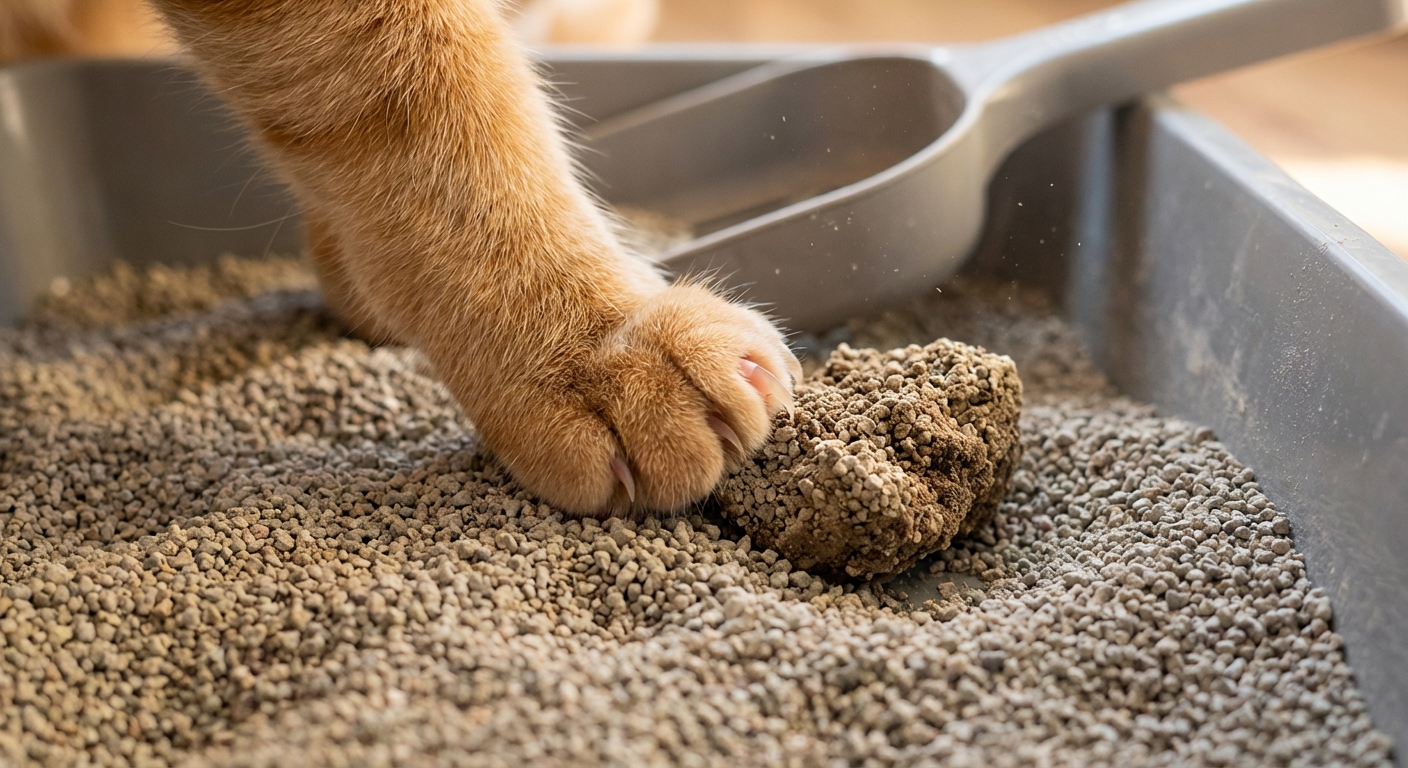
Common reasons cats get constipated
Constipation is usually a symptom, not a standalone diagnosis. Here are some of the most common causes veterinarians look for:
- Dehydration: Cats naturally have a low thirst drive and may drink less than expected, so low-moisture diets can contribute in some cats.
- Low activity or obesity: Less movement can slow intestinal motility.
- Hair ingestion: Especially in long-haired cats or heavy grooming seasons.
- Stress or litter box issues: A dirty box, new location, new pet, or household changes can cause withholding.
- Pain: Arthritis, injuries, or less common issues like anal gland problems can make the posture of pooping painful.
- Medications: Some pain meds and other drugs can slow the gut.
- Foreign material or obstruction: String, toys, bones, or dense hair mats can block passage.
- Megacolon: A chronic condition where the colon becomes stretched and weak.
If constipation keeps happening, it is worth a deeper look. Chronic or recurring constipation can be tied to underlying issues like kidney disease and dehydration, high calcium, orthopedic pain, nerve problems, or pelvic narrowing after past trauma. Recurrent cases deserve a veterinary workup so your cat is not stuck in a cycle of discomfort.
Red flags: call the vet today
Call your veterinarian promptly, or go to an emergency clinic, if you notice any of the following:
- Repeated straining with no stool produced
- Vomiting, especially more than once
- Loss of appetite for more than a meal or two
- Lethargy, hiding, weakness, or sudden behavior change
- Distended or painful abdomen
- Blood in stool or around the rectum
- Known ingestion of string, ribbon, tinsel, toys, or bones
- No stool for 48 to 72 hours (or sooner if your cat is uncomfortable)
- Any concern that your cat is not urinating
Safe home steps (and what to avoid)
If your cat is bright, eating at least some, not vomiting, and you are confident they are urinating normally, these steps may help mild constipation. Go slowly and stop if your cat worsens.
1) Increase water intake
- Offer a water fountain or an extra bowl in a quiet spot.
- Add water or a small amount of low-sodium broth to meals. Important: Make sure it contains no onion or garlic (including powders), since those are toxic to cats and common in store-bought broths.
- If your cat eats wet food, consider adding an extra wet meal.
2) Diet tweaks for softer stool
Some cats do better with more moisture and moderate fiber, while others need the opposite. If constipation is recurring, your vet may recommend a prescription GI or high-fiber diet, or a highly digestible diet depending on your cat’s history.
- You can ask your vet about adding a small amount of plain canned pumpkin (not pie filling). Pumpkin is commonly used, but amounts matter. Start only with veterinary guidance, and stop if you see diarrhea or your cat refuses food.
- For cats prone to hair-related constipation, discuss grooming frequency and hairball strategies with your veterinarian.
3) Encourage gentle movement
A few short play sessions can help stimulate gut motility.
4) Make the litter box inviting
- Scoop at least once daily.
- Consider adding another box in multi-cat homes. A common guideline is one box per cat plus one extra.
- Try an unscented litter if your cat seems picky or avoids the box.
What to avoid
- Do not give human laxatives unless your veterinarian specifically instructs you. Many are unsafe for cats.
- Do not give mineral oil by mouth. Aspiration is a real risk and can be dangerous.
- Do not use enemas at home. Some enemas made for people can be toxic to cats.
- Do not force food or water into a struggling cat.
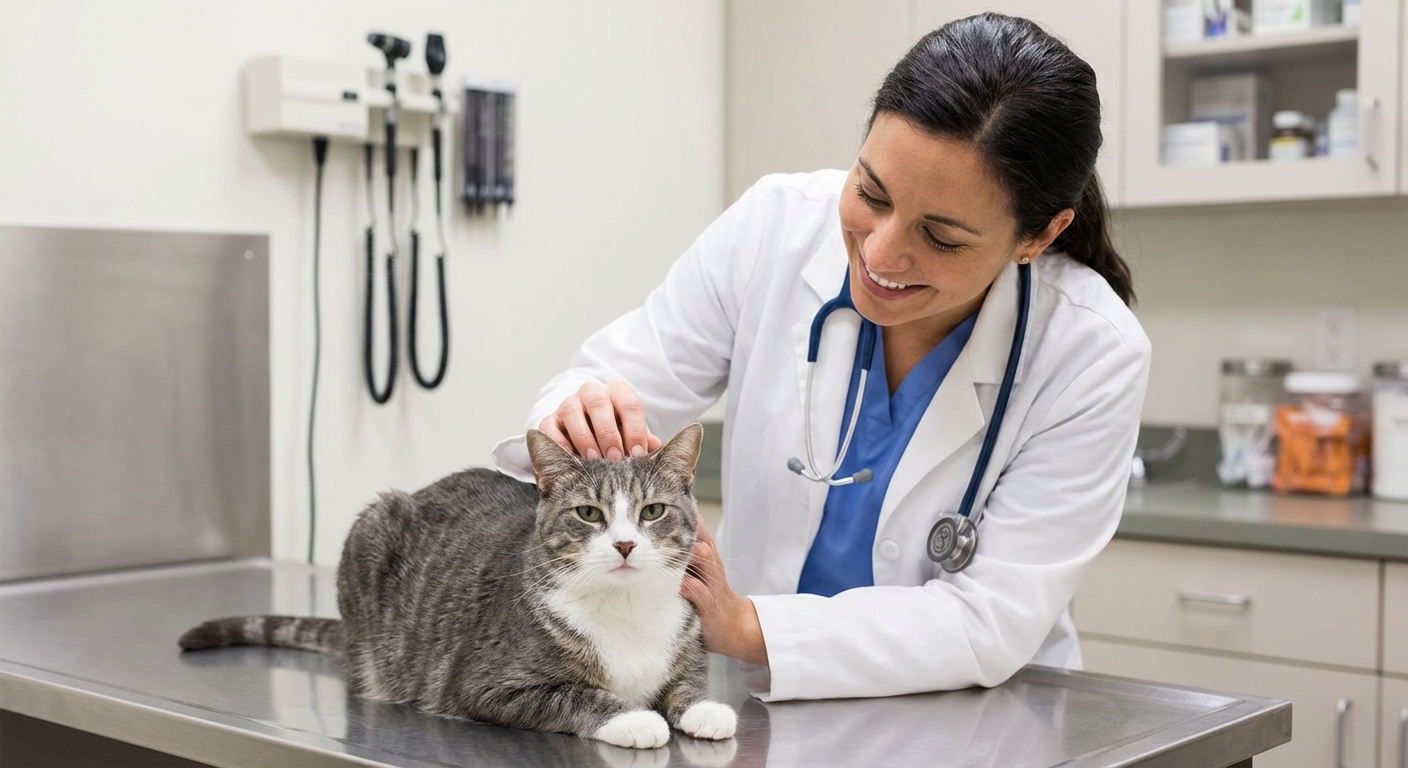
How vets diagnose and treat constipation
If you bring your cat in, your veterinary team will usually start with a history, exam, and a few targeted checks to rule out emergencies.
What the visit may include
- Physical exam including abdominal palpation
- Hydration assessment and sometimes bloodwork (especially if your cat is older or constipation is recurring)
- X-rays to see stool load, gas patterns, and to check for foreign material or obstruction
- Discussion of diet, water intake, activity, and stool patterns
Common treatments
- Fluids (under the skin or IV) if dehydration is contributing
- Prescription laxatives or stool softeners dosed specifically for cats
- Enema performed safely in-clinic if appropriate
- De-obstipation under sedation in severe cases
- Long-term plan for chronic constipation, including diet, hydration, and medications for motility if needed
If you are wondering what vets often use, common vet-directed options may include polyethylene glycol 3350 (often known by the brand name Miralax), lactulose, or cisapride. These should be used only under veterinary guidance, since dosing and safety depend on your cat’s condition and whether an obstruction is possible.
Simple tracking checklist
If you are monitoring at home or heading to the clinic, jot down these details:
- When you last saw a normal poop
- Any straining, vocalizing, or repeated litter box trips
- Whether urine clumps are present and about how many in 24 hours
- Vomiting, appetite changes, or hiding
- Recent diet changes, new treats, or new medications
- Possible access to string, ribbon, plants, or small toys
These notes can speed up diagnosis and get your cat comfortable faster.
Preventing constipation long-term
For many cats, the best prevention is a combination of hydration, appropriate diet, and a low-stress litter box routine.
- Prioritize moisture in the diet when possible and discuss the best plan for your cat’s age and medical history.
- Stay on top of grooming, especially for long-haired cats.
- Keep cats moving with short daily play sessions.
- Schedule routine checkups for senior cats. Conditions like kidney disease, arthritis, and thyroid issues can affect stool habits indirectly.
The bottom line
If your cat is not pooping, trust your instincts. Mild constipation can sometimes be managed with hydration, diet support, and litter box improvements. But if there is straining, vomiting, lethargy, belly pain, or any concern about urination, it is time to call the vet. Cats are masters at hiding discomfort, and quick action can prevent a painful emergency.