
Triaditis in Cats

If your cat is vomiting and suddenly not eating, that is scary enough. Add yellow-tinged gums or eyes, a fever, or belly pain and it can feel like everything is happening at once. Sometimes it is. Triaditis is a real syndrome in cats where the pancreas, the bile ducts (and sometimes the liver), and the intestines become inflamed at the same time.
As a veterinary assistant, I like to explain triaditis this way: these organs are neighbors that share plumbing. When inflammation starts in one area, it can spill into the others, especially in cats. The good news is that many cats recover well with the right support and close follow-up.
Quick note: This article is educational and not a substitute for a veterinary exam and diagnosis.
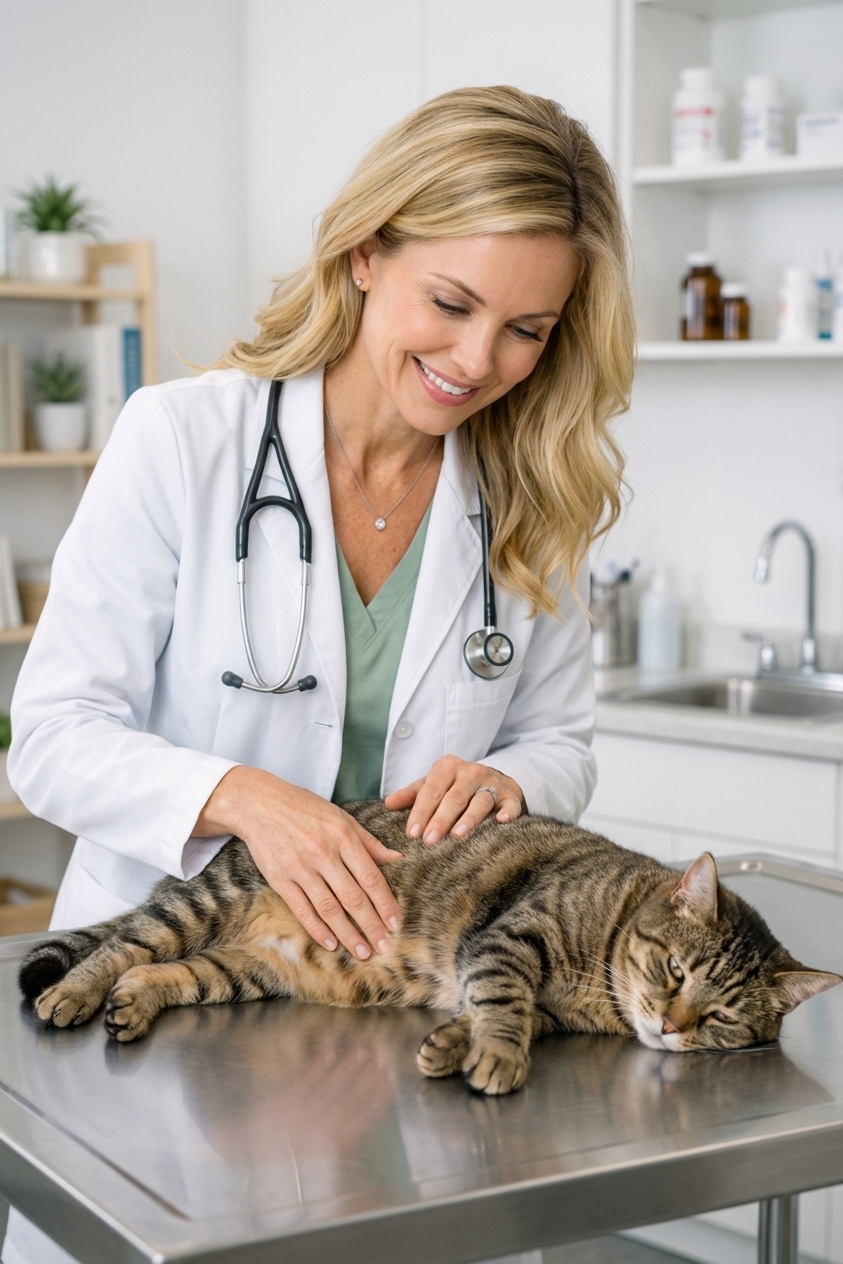
What it means
Triaditis is not one single disease. It is a combination of three inflammatory problems that often overlap:
- Pancreatitis: inflammation of the pancreas, an organ that helps digest food and regulate blood sugar.
- Cholangitis (sometimes called cholangiohepatitis): inflammation of the bile ducts. In cats, this can be neutrophilic (often associated with bacterial infection that may ascend from the intestine) or lymphocytic (more likely non-infectious or immune-mediated).
- Inflammatory bowel disease (IBD) or intestinal inflammation: chronic inflammatory disease of the intestines that can affect digestion and nutrient absorption.
Cats are uniquely prone to this trio because of their anatomy. The pancreatic duct and bile duct often join or share a closely related entry point before emptying into the small intestine in many cats. That shared “drain” can allow inflammation, infection, or digestive enzymes to affect multiple organs.
Symptoms
One reason triaditis gets missed early is that cats do not always show dramatic symptoms. And the symptoms can mix and match depending on which organ is most irritated that day.
Most common signs
- Not eating or eating much less
- Vomiting or nausea (lip smacking, drooling, hiding)
- Lethargy or “not themselves” behavior
- Weight loss
- Diarrhea or soft stools (not always present)
- Abdominal discomfort, tense belly, hunched posture
- Dehydration
Clues the bile ducts and liver may be involved
- Jaundice: yellow tint to the whites of the eyes, gums, or skin inside the ears
- Dark urine or very pale stool (sometimes)
Clues infection or severe inflammation may be present
- Fever or very low body temperature
- Rapid breathing, weakness, collapsing
Please do not wait if you see vomiting plus jaundice, or your cat has not eaten for 24 hours. Cats can develop hepatic lipidosis (fatty liver) when they stop eating, and risk can be higher in cats who are overweight, underweight, older, or managing other conditions (like diabetes).
Why vets run multiple tests
Triaditis is a “put the puzzle together” diagnosis. No single test proves it every time, and cats can have more than one thing going on, like pancreatitis plus gallbladder disease, or IBD plus a food sensitivity.
Your veterinarian is usually looking to answer four big questions:
- How sick is your cat right now?
- Which organ system is most affected?
- Is infection likely, or is this sterile inflammation?
- Is there a blockage that needs urgent intervention?
Common diagnostics
- Physical exam: hydration status, abdominal pain, jaundice, fever.
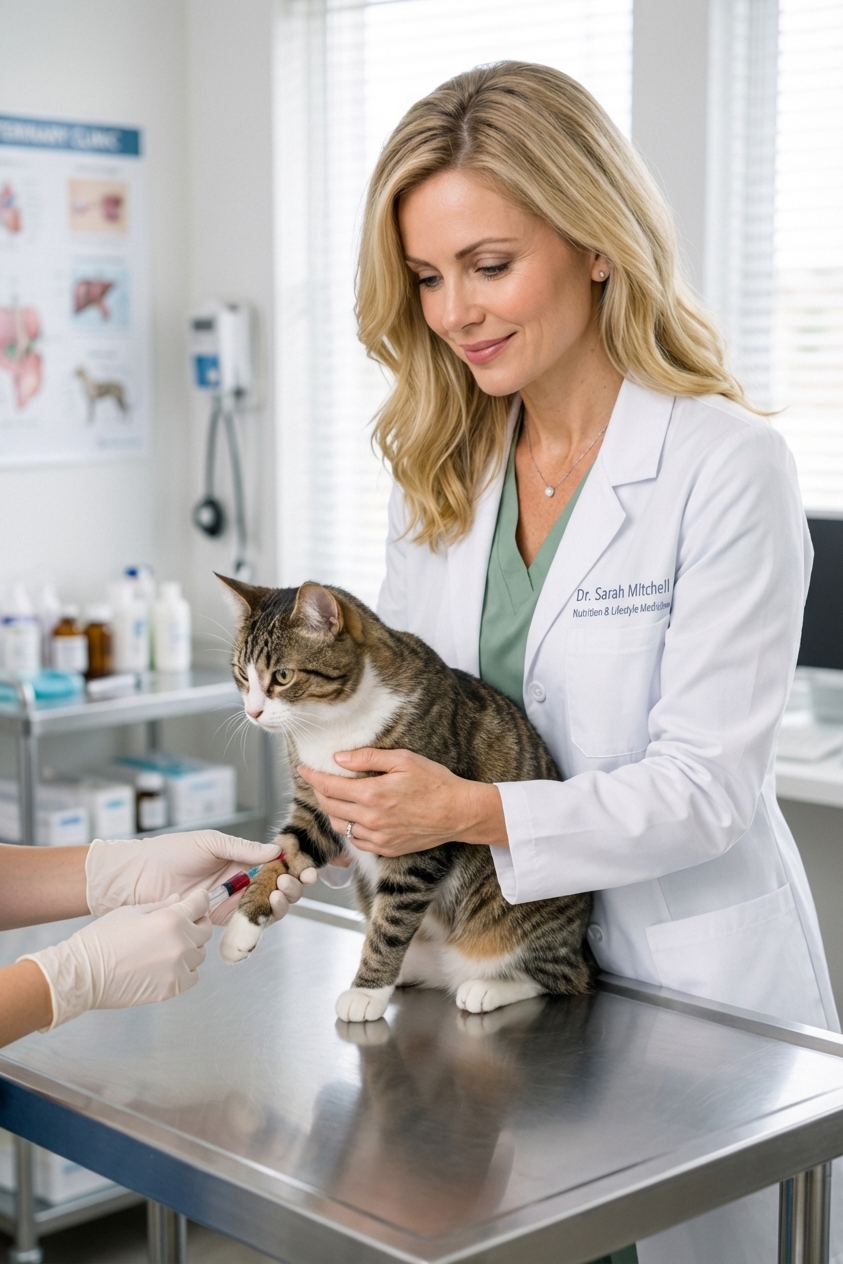
- Bloodwork (CBC and chemistry): checks white blood cells, liver enzymes (ALT, AST, ALP), bilirubin, kidney values, electrolytes, blood sugar.
- Pancreas-specific testing: feline pancreatic lipase immunoreactivity (fPLI) is often used to support a pancreatitis diagnosis, but it is not perfect and can be false-negative or false-positive.
- Urinalysis: hydration clues, bilirubin, infection screening.
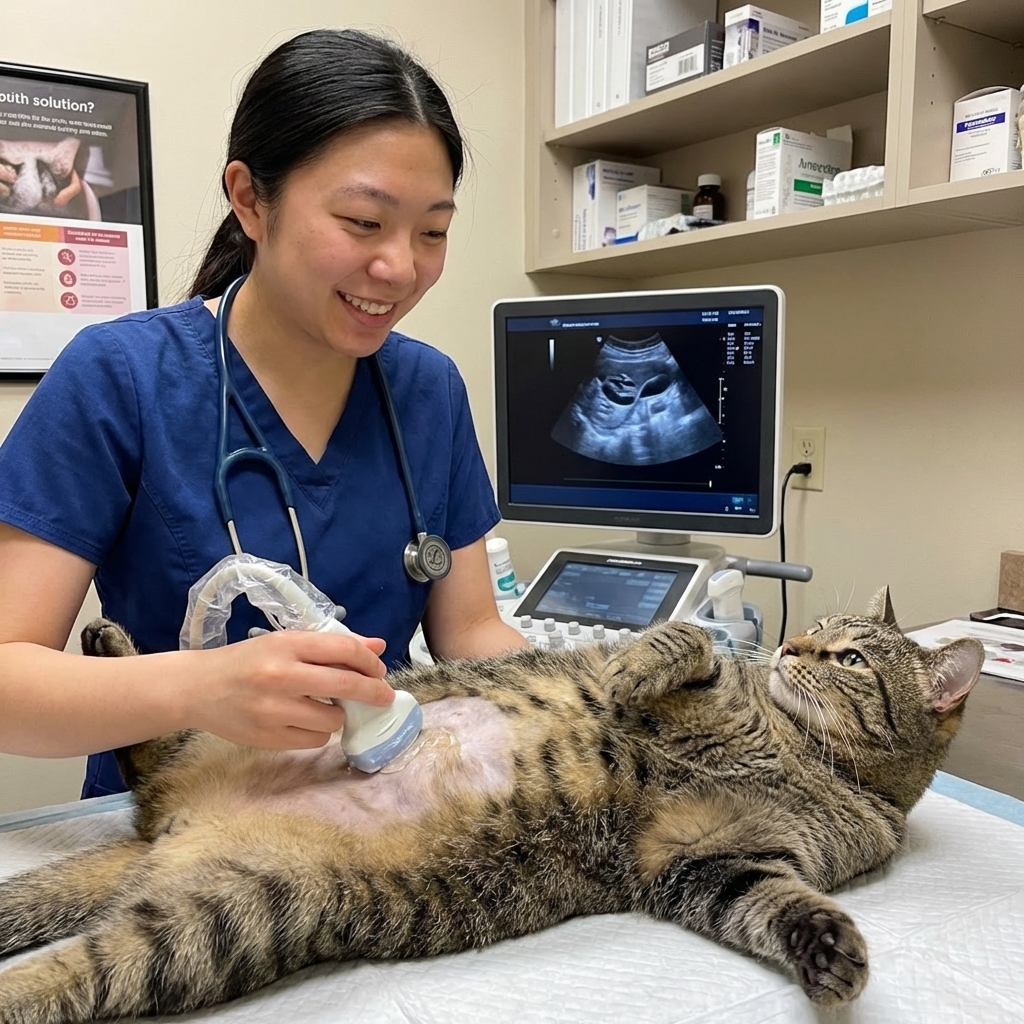
- Abdominal ultrasound: evaluates pancreas, bile ducts, gallbladder, liver texture, intestinal wall thickness, and helps rule out obstruction. Ultrasound can also miss pancreatitis in some cats, so it is interpreted alongside symptoms and lab results.
- Additional labs: cobalamin (B12), folate, sometimes bile acids or coagulation tests if liver function is a concern.
- Sampling when needed: fine needle aspirates, bile culture, or intestinal biopsies if the case is chronic, severe, or not responding.
It can feel like a lot. But triaditis treatment changes depending on whether the bile ducts are infected, whether a duct is obstructed, and whether the intestine is inflamed enough to need diet trials or immune-modulating medications.
What else it could be
Triaditis shares symptoms with many other problems. This is one reason a veterinary exam and testing matter, especially when a cat is not eating.
- Foreign body or intestinal obstruction
- Toxin exposure or medication reactions
- Pancreatitis alone (without bile duct or intestinal involvement)
- Gallbladder disease or bile duct obstruction
- Diabetes complications (including diabetic ketoacidosis)
- Hyperthyroidism (often weight loss and vomiting in older cats)
- Liver disease, including fatty liver, masses, or infections
What to expect at the visit
When you are worried and sleep-deprived, it helps to know what the appointment may look like.
- Exam and triage: your vet checks hydration, pain, temperature, and jaundice.
- Baseline labs: bloodwork and often a urinalysis to assess severity and organ involvement.
- Imaging: many cats benefit from an abdominal ultrasound to look at the bile ducts, pancreas, liver, and intestines and to rule out obstruction.
- Supportive care starts early: anti-nausea meds, pain control, and fluids may be started while results are coming back if your cat is feeling miserable.
- A plan and recheck schedule: treatment is adjusted based on whether infection, obstruction, or chronic inflammation is most likely.
Hospital vs outpatient care
Triaditis ranges from mild to life-threatening. Many cats need at least a short hospital stay because dehydration and nausea can spiral quickly, and cats do not tolerate fasting well.
When hospitalization is more likely
- Moderate to severe dehydration
- Repeated vomiting or inability to keep food down
- Marked jaundice or very high bilirubin
- Fever, suspected infection, or very abnormal white blood cell count
- Electrolyte imbalances (low potassium can occur)
- Severe lethargy or abdominal pain
- Concern for bile duct obstruction, gallbladder issues, or pancreatitis complications
What hospital treatment often includes
- IV fluids to correct dehydration and support perfusion
- Antiemetics (anti-nausea medications) to stop vomiting and help appetite return
- Pain control, because pancreatitis is painful even if cats hide it
- Nutrition support: tempting foods, appetite stimulants when appropriate, or feeding tube support in some cases
- Antibiotics if infection is suspected, especially with neutrophilic cholangitis patterns or culture results
- GI support: acid reducers or gut-protectants if indicated
- Vitamin B12 supplementation if levels are low or malabsorption is suspected
When outpatient care may be appropriate
- Mild signs, stable hydration, and no jaundice
- Your cat is still eating some on their own
- Bloodwork is only mildly abnormal and ultrasound is reassuring
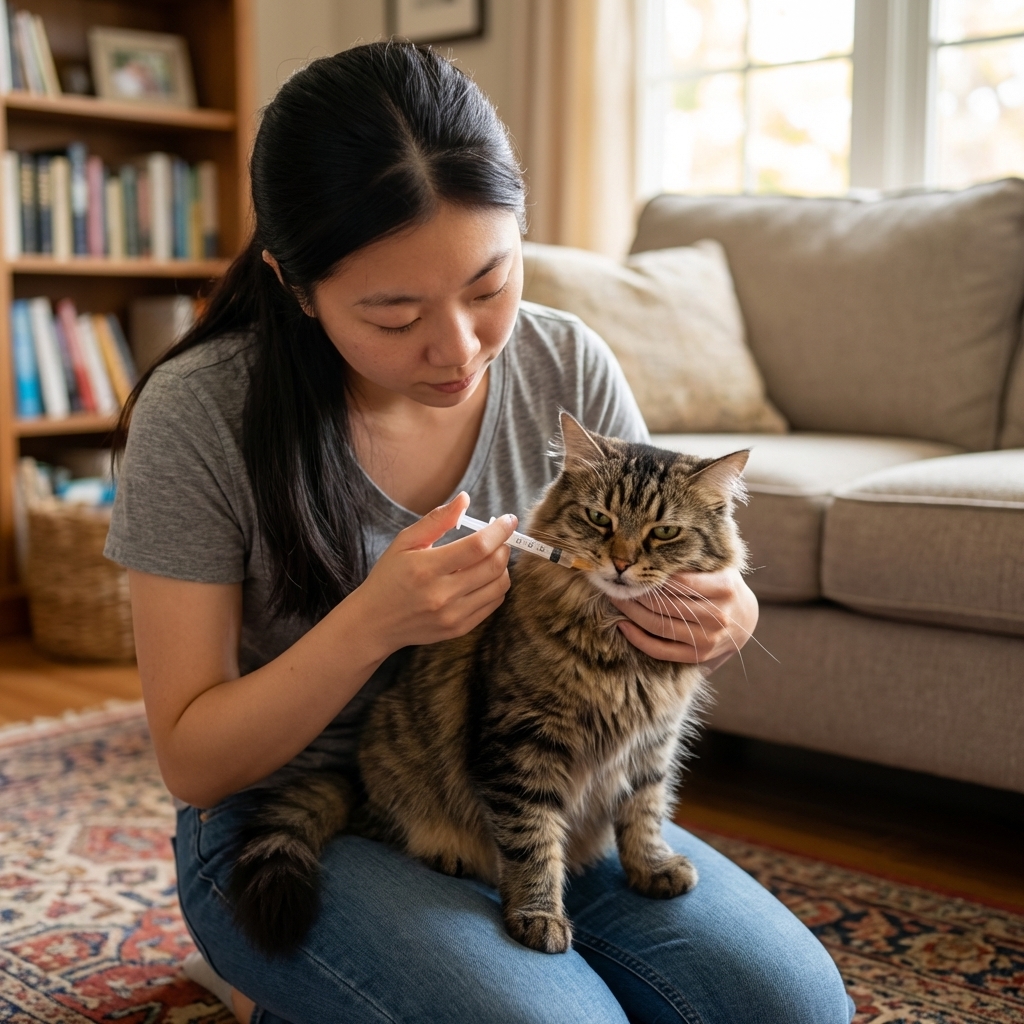
- You can give medications reliably and monitor closely
If your vet recommends a recheck, it is not “just to be safe.” With triaditis, early improvements can hide ongoing inflammation, and we want to prevent relapse.
Home monitoring
Once your cat is home, your job is to watch for quiet warning signs and keep their routine steady. Many relapses happen because nausea or pain returns and the cat stops eating again.
Daily checklist
- Appetite: Is your cat eating their normal amount? If not, how much less?
- Water intake: Is your cat drinking? Any sudden increase or decrease?
- Vomiting: How many times, and what did it look like (food, foam, bile)?
- Stool: Normal, soft, diarrhea, very pale, or black and tarry?
- Energy and behavior: Hiding, crouching, growling when picked up, not jumping?
- Gums and eyes: Any yellow tint developing or worsening?
- Medications: Were all doses given on schedule?
Feeding tips
- Offer small, frequent meals rather than large portions.
- Warm wet food slightly to boost smell and interest.
- Feed a vet-recommended diet based on the dominant issue (GI, hepatic, hydrolyzed protein, or sometimes lower-fat plans).
- Avoid sudden diet switches unless your veterinarian directs it.
Call your veterinarian urgently if you notice
- No eating for 24 hours (or less if your cat is older, diabetic, overweight, underweight, or already ill)
- Repeated vomiting, worsening lethargy, or dehydration (tacky gums, sunken eyes)
- New or worsening jaundice
- Labored breathing or collapse
- Black and tarry stool, blood in vomit, or severe abdominal pain
What causes it?
Sometimes we never find one clean cause, and that is common in feline medicine. Triaditis may involve a mix of factors:
- Bacterial infection ascending from the intestine into the bile ducts in some cases (more likely with neutrophilic cholangitis)
- IBD and chronic gut inflammation
- Bile flow problems, including thick bile and sludge
- Parasites in certain regions (less common in indoor-only cats, but still possible)
- Previous GI upset or pancreatitis triggers (dietary indiscretion, stress, other illness)
What matters most is treating what your veterinarian finds in your cat, not just what triaditis looks like in general. Two cats can share the same label and need different medication plans.
Outlook and follow-up
Many cats improve noticeably within days once nausea is controlled, pain is treated, and nutrition returns. Others need weeks of careful management, especially if intestinal inflammation is chronic.
If your veterinarian suspects a chronic component (like IBD or lymphocytic cholangitis), long-term management may include a structured diet trial, B12 support, and sometimes medications that calm the immune system. The goal is fewer flare-ups and a cat who can keep eating comfortably.
Follow-up often includes repeat bloodwork, medication adjustments, and diet tweaks. If your cat has recurring episodes, ask your veterinarian about a longer-term plan and whether further imaging, cultures, or biopsies are recommended.
You are doing the right thing by learning the signs. With triaditis, attentive home monitoring and quick rechecks can make a huge difference.
Quick FAQs
Is triaditis an emergency?
It can be. Vomiting with not eating, dehydration, jaundice, or fever should be treated urgently. Cats can decline quickly when they stop eating.
Can triaditis be cured?
Some cats have a one-time episode and recover fully. Others have a chronic tendency toward intestinal inflammation or intermittent pancreatitis and need long-term management.
Is it contagious?
Triaditis itself is not contagious. If a specific infectious cause is found, your veterinarian will advise you about any household risk, which is usually low for typical bacterial cholangitis.