Stop fleas for good with a simple, evidence-based plan: confirm fleas, treat every pet, clean your home, address yard hotspots, and stay consistent long enou...
Article
•
Designer Mixes
Treating the Yard for Fleas

Shari Shidate
Designer Mixes contributor
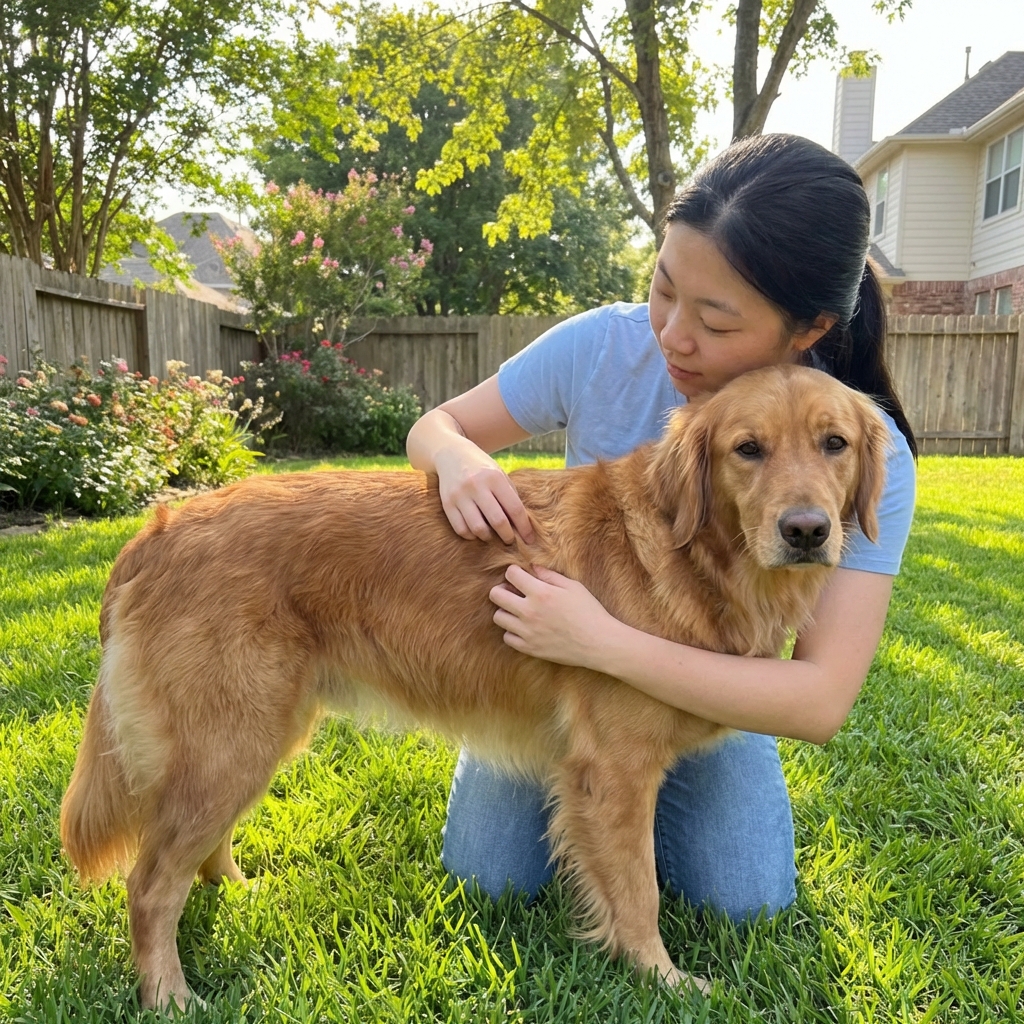
If your dog is scratching more than usual, it is easy to assume fleas are only a pet problem. But in real life, the yard is often part of the “home base,” especially for dogs who spend time outside. Adult fleas can hop on your dog for a meal, then eggs drop off into grass, soil, and shady corners. At the same time, fleas can absolutely develop indoors in carpets, cracks, and pet bedding. The good news is you can take control without turning your backyard into a chemical war zone. You just need a smart plan that targets the flea life cycle, protects kids and pets, and prevents a rebound.
Why fleas keep coming back
Fleas are persistent because most of their life happens off the pet. Adult fleas live on animals, but eggs, larvae, and pupae live in the environment (indoors and outdoors).
- Eggs fall off into the yard or home, especially where pets rest or patrol.
- Larvae avoid sunlight and burrow into soil, leaf litter, thatch, carpet fibers, and floor cracks.
- Pupae form a protective cocoon that can survive for weeks or longer. In some conditions, they can persist for months and “wait” for vibrations, heat, or carbon dioxide to signal a host is nearby.
This is why treating only your dog, or only your yard, often fails. The most reliable approach is a coordinated plan: pet prevention + yard cleanup + targeted treatment + indoor support + follow-up.
Start with a quick risk check
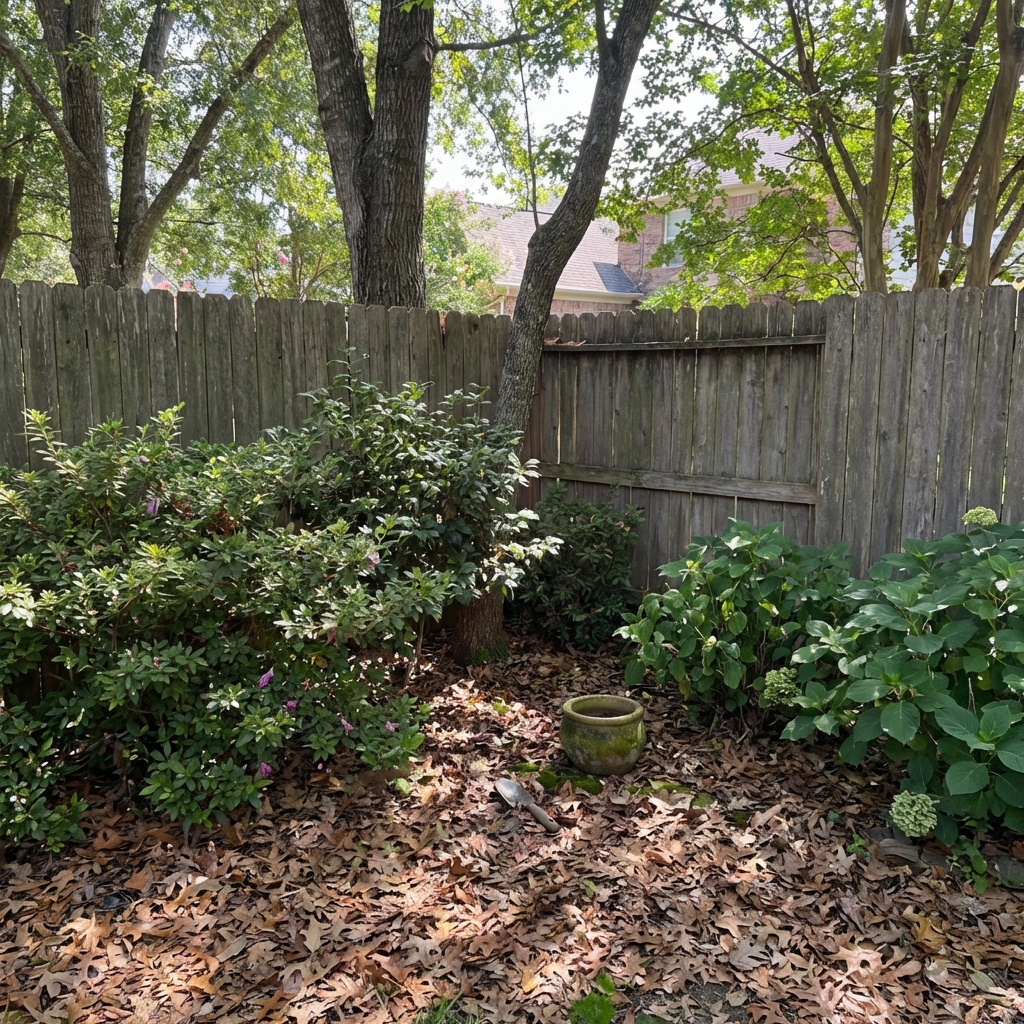
Before you buy anything, walk your yard and look for flea-friendly zones. Fleas thrive in warm, humid, shaded areas.
High-risk spots
- Under decks, porches, and patios
- Along fences and dense shrub lines
- Under low tree branches where the ground stays cool
- Dog favorite nap zones, potty paths, and play routes
- Piles of leaves, tall grass, thick mulch, and damp soil
Also pay attention to wildlife traffic. Stray cats, raccoons, opossums, and squirrels can carry fleas through your yard even if your own pets are protected.
Quick indoor check: look at your pet’s favorite indoor hangouts too. Rugs, dog beds, and the spot near the couch can be “flea nurseries” just as easily as a shady corner outside.
Step 1: Protect your pet first
As a veterinary assistant, this is the step I never skip. Yard treatment without consistent pet prevention is like bailing water while the faucet is still running.
- Use a vet-recommended flea preventive on every dog and cat in the household (cats need cat-specific products).
- Keep it consistent. Missed doses are one of the biggest reasons fleas return.
- Talk to your veterinarian if your pet is very young, pregnant, sick, or on other medications.
Cat safety note: Never use dog-only flea products on cats. Products containing permethrin (common in some dog flea and tick treatments) can be toxic to cats. When in doubt, ask your vet and read labels carefully.
If you have an active infestation, ask your vet what to use for fast relief (some products kill adult fleas quickly, while others focus on longer-term control).
Step 2: Yard cleanup
Cleanup reduces the number of fleas your treatments have to fight, and it makes your yard less hospitable going forward.
Your checklist
- Mow the lawn and trim weeds to increase sun exposure.
- Rake up leaf litter, especially in shaded areas, and bag it.
- Thin heavy ground cover and overgrown shrubs where moisture stays trapped.
- Limit thick mulch near pet areas, or keep it dry and shallow.
- Wash outdoor pet bedding and replace heavily infested, porous items if needed.
- Pick up pet waste frequently. It is mainly a sanitation win and can help reduce wildlife and insects hanging around pet zones.
Tip: Focus on the edges and shade. Fleas are far less likely to survive in hot, dry, sunny grass.
Step 3: Choose a yard treatment
There is no single “best” product for every home. The right choice depends on your pets, your kids, your climate, and how severe the infestation is. Below are the most common options, with practical pros and cons. Always follow label directions and use products approved for your setting.
Option A: IGRs
Insect growth regulators (IGRs) like methoprene or pyriproxyfen help break the flea life cycle by preventing eggs from hatching and preventing larvae from developing into biting adults. They are often used alongside an adulticide in professional and retail products.
- Best for: Long-term control and preventing rebound
- Works on: Egg hatch and immature development
- Note: They do not kill existing adult fleas, so they are often paired with an adulticide for faster relief
Option B: Adulticides
These products target adult fleas in the environment. Many ready-to-spray yard treatments combine an adulticide with an IGR.
- Best for: Active infestations where you need faster knockdown
- Important: Follow label directions exactly, especially regarding drying time before pets and kids re-enter the area
Option C: Beneficial nematodes
Beneficial nematodes are microscopic organisms that can help control flea larvae in soil under the right conditions. Species used for pest control commonly include Steinernema carpocapsae and Steinernema feltiae.
- Best for: Shady, moist areas; eco-focused households
- Reality check: Evidence and real-world results are mixed. They work best as a supplement, not a standalone fix for a heavy infestation.
- Limitations: Sensitive to heat and sunlight; success varies by climate and application timing
- Tip: Apply in the evening and keep soil lightly moist as instructed
Option D: Diatomaceous earth
Food-grade diatomaceous earth is sometimes used for pests, but it is generally not my first choice for outdoor flea control. Outdoors, wind and moisture reduce effectiveness, and coverage is hard to keep consistent. It can also irritate lungs, eyes, and skin if it becomes airborne.
- Best for: Very targeted, dry, low-traffic areas
- Safety: Avoid creating dust; keep pets away during application; do not use pool-grade products
My evidence-based takeaway: If you are dealing with a true infestation, products that combine an IGR + adulticide, used safely and correctly, tend to work faster and more reliably than single-method approaches. When choosing a product, lean on your veterinarian’s guidance and the label directions for your specific yard and household.
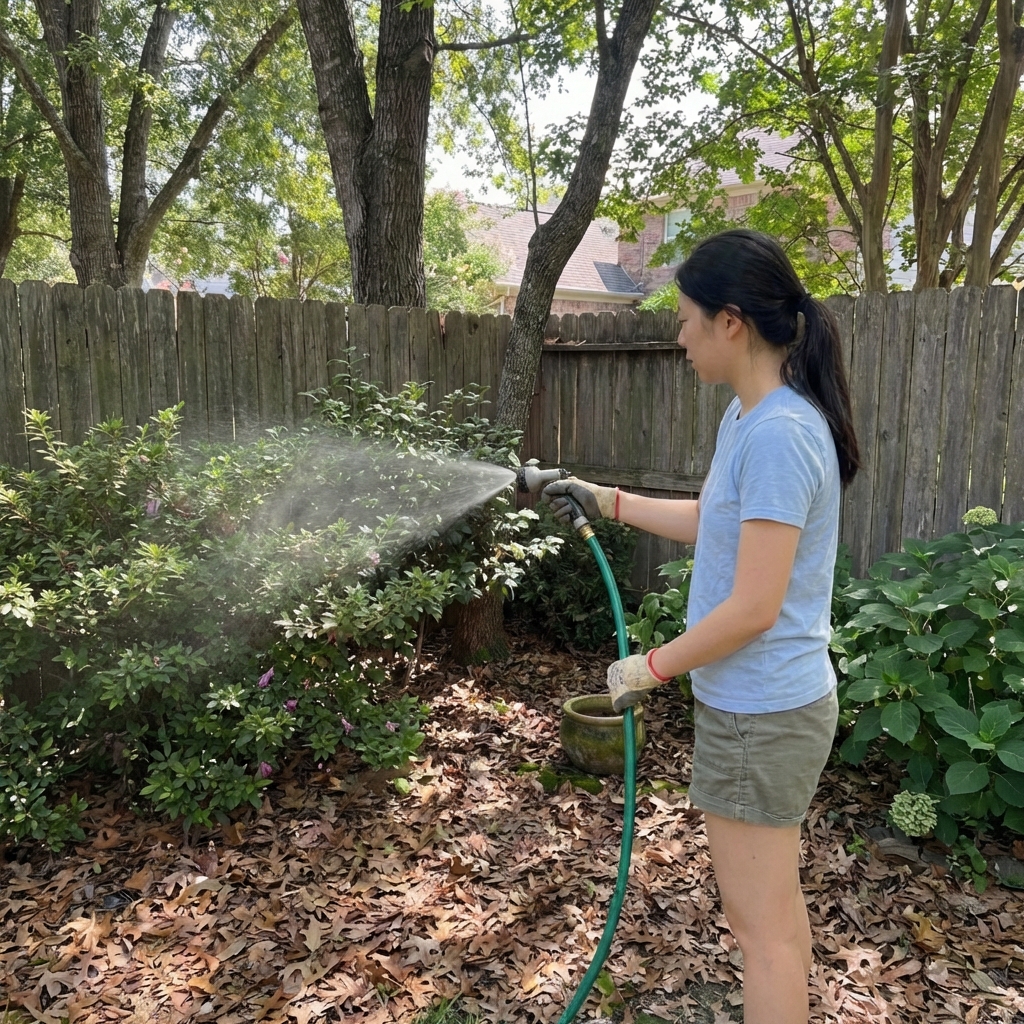
How to apply treatment safely
Any yard product, even “natural” ones, should be handled with care. The dose and the instructions matter.
Safety rules
- Read the label all the way through before mixing or spraying.
- Keep pets and kids inside during application and until the area is fully dry (or for the time listed on the label).
- Wear gloves and consider eye protection, especially with sprays.
- Do not spray near ponds or areas where runoff can reach water.
- Target the right areas: shaded soil, under bushes, under decks, fence lines, and pet rest spots. Avoid wasting product on hot, sunny open lawn where fleas are less likely to survive.
A simple way to target
If it helps, “map” your yard into zones and treat the places fleas actually live:
- Zone 1: Pet rest areas and potty paths
- Zone 2: Shady edges, fence lines, shrubs, and tree canopies
- Zone 3: Under structures like decks and porches
Timing matters
- Apply when there is no rain expected for the time specified on the label.
- Early morning or evening can reduce drift and evaporation.
- In warm or humid regions, fleas can cycle faster and pressure can be higher. Fleas may also persist year-round during mild winters.
Do not forget indoors
This is the part that prevents the common frustration of “I treated the yard, why am I still getting bitten?” If fleas have been on your pets, there is a good chance some eggs and larvae ended up inside too.
Indoor basics
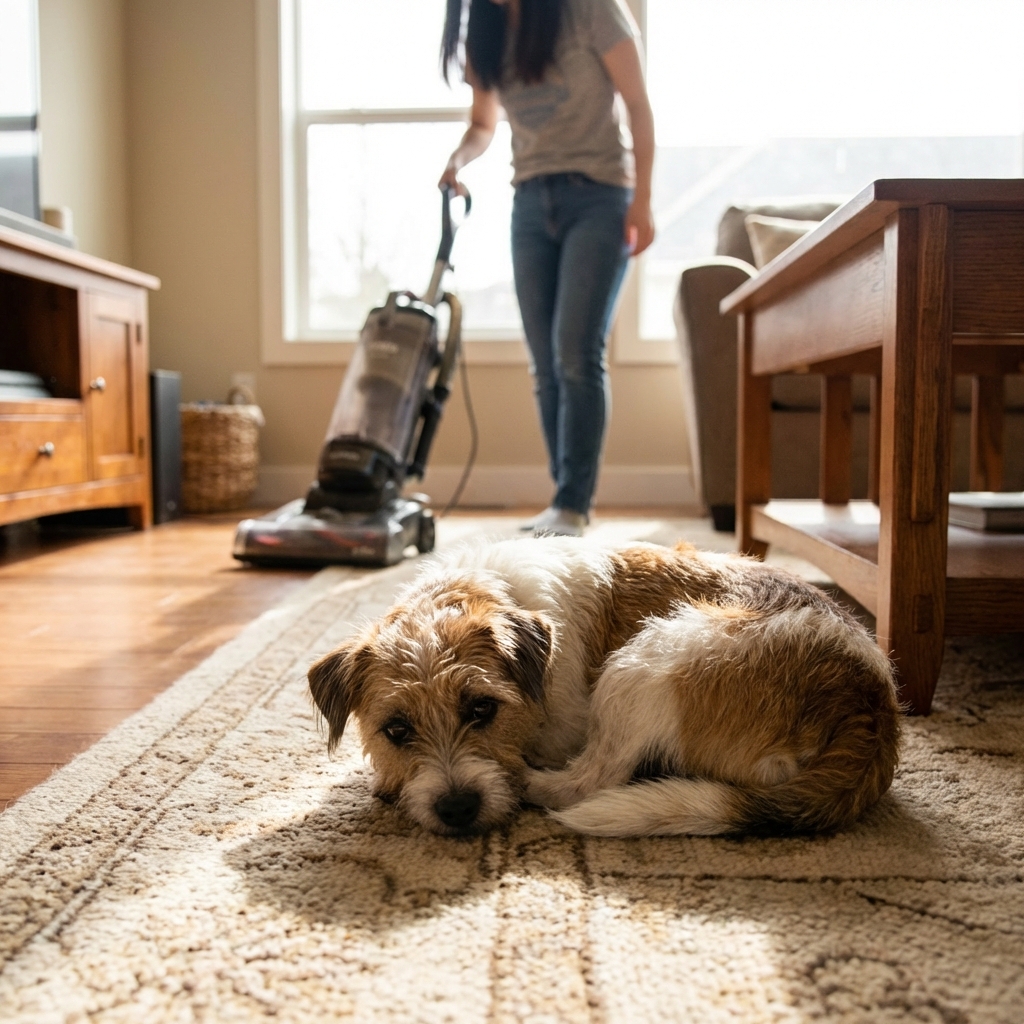
- Vacuum carpets, rugs, baseboards, and under furniture several times per week during an outbreak. Empty the vacuum promptly.
- Wash pet bedding (and your pet’s favorite blankets) weekly in hot water, then dry on high heat if the fabric allows.
- Consider indoor products only if needed and only as directed. If you are unsure what is safe for your household, a veterinarian or licensed pest professional can help you choose an indoor plan.
Follow-up matters
Flea pupae are tough. Even after treatment, new adults can emerge for a while. This is why follow-up is essential.
What to expect
- You may still see fleas for several weeks depending on infestation level, weather, and product choice.
- Many yard treatments require a repeat application based on the label schedule (often around 2 to 3 weeks).
Keep the cycle broken
- Stay consistent with your pet’s flea prevention.
- Keep mowing and reducing shade and leaf litter.
- Wash pet bedding weekly during an outbreak.
- Keep vacuuming indoor areas if fleas have made it inside, especially baseboards and under furniture.
Wildlife and yard habits
If fleas keep reappearing, wildlife can be part of the story. You do not need to “fix nature,” but you can reduce flea traffic through your space.
- Secure trash and avoid leaving pet food outdoors.
- Block access to crawlspaces under decks or sheds when possible.
- Discourage feral cats from nesting near your home by removing sheltered hiding spots and working with local resources when appropriate.
Signs your plan is working
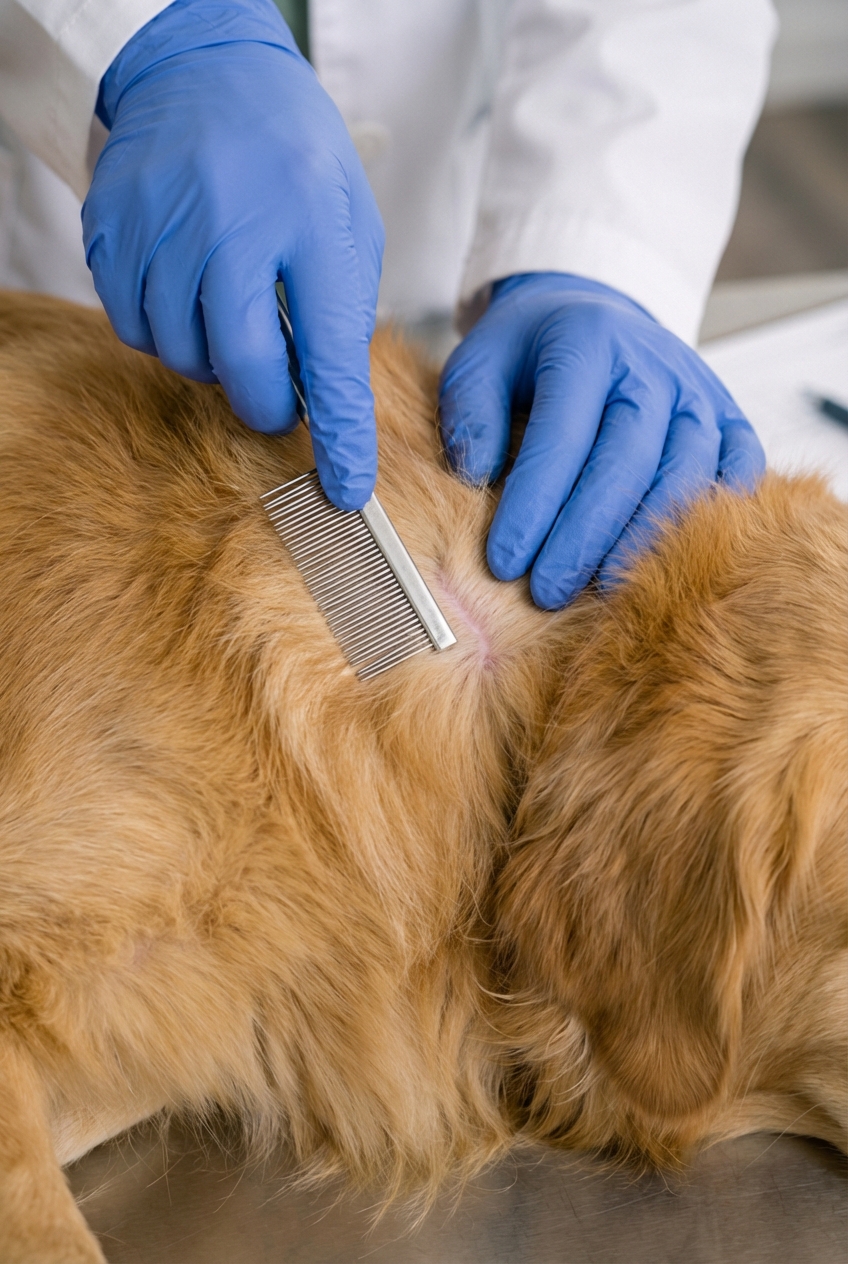
- Your pet scratches less and you see fewer “flea dirt” specks when you comb.
- You stop getting flea bites around ankles when walking through the yard.
- Outdoor pet rest areas stay cleaner and drier, with less leaf buildup.
If you are doing all of the above and still fighting fleas after several weeks, it is time to bring in your veterinarian and consider professional pest control. Persistent infestations can involve wildlife reservoirs, untreated neighboring areas, indoor hotspots, or the need for a different integrated approach.
When to call your vet
Yard care is important, but your pet’s health comes first. Please call your veterinarian if you notice:
- Tapeworm segments (fleas can transmit tapeworms)
- Hair loss, hot spots, or skin infections
- Pale gums, weakness, or lethargy (possible anemia in severe cases, especially in puppies)
- Itching that does not improve even after starting flea control (allergies and mites can look similar)
Encouragement from me to you: you do not have to do everything perfectly to make progress. Start with your pet’s preventive, tackle the shady zones, support it with indoor basics, and follow through on the second treatment if the label calls for it. Fleas are persistent, but a consistent plan is stronger.