Noticing rice-like segments near your dog’s rear or in stool? Learn how dogs get tapeworms (usually from fleas), common symptoms, vet diagnosis, praziquant...
Article
•
Designer Mixes
Treating Tapeworms in Cats

Shari Shidate
Designer Mixes contributor
If you have ever spotted little rice-like pieces near your cat’s tail or in the litter box, it can be alarming. The good news is that tapeworms in cats are very treatable. In many cases, the visible segments stop quickly once the right medication is given, and any mild digestive signs often improve too. In this quick guide, I will walk you through what tapeworms are, how cats get them, what treatment really works, and how to keep them from coming back.
Quick note: Not every “rice-like” speck is a tapeworm segment. Dried mucus, bits of litter, or debris can look similar. Tapeworm segments are often flat, seed-like, and may move when fresh, then dry into pale flakes.
What tapeworms are
Tapeworms are intestinal parasites. The adult worm lives in your cat’s intestines, but what you typically see are segments (proglottids) that break off and pass in stool. These segments can wiggle when fresh and often dry into small, pale, rice-like flakes on bedding or around the rear end.
The most common tapeworm in cats is Dipylidium caninum, and it is strongly linked to fleas. Other tapeworm types exist too, and the source of infection matters because prevention is different depending on the species.
How cats get tapeworms
1) Fleas (most common)
Cats usually get Dipylidium by swallowing a flea during grooming. If that flea is carrying tapeworm larvae, the tapeworm can mature in your cat’s intestines.
2) Hunting and eating prey
Cats that hunt can pick up certain tapeworms (such as some Taenia species) by eating infected rodents or rabbits. This is more common in outdoor cats.
3) Raw diets and uncooked animal tissues (less common)
This is not the typical source for the most common flea-associated tapeworm. The bigger risk is when cats eat uncooked animal tissues that could contain an intermediate host stage (for example, prey animals, raw offal, or poorly sourced raw diets). If you feed raw, talk with your veterinarian about parasite screening, sourcing, and safe handling practices.
Signs you might notice
- Tapeworm segments on stool, in the litter box, or stuck to fur around the anus
- Scooting (dragging the rear on the floor) or increased licking at the rear end
- Mild digestive upset like soft stool or occasional vomiting
- Weight loss in heavier infestations, even if appetite seems normal
Many cats act totally normal, which is why prevention matters. Also, not seeing segments does not always mean your cat is tapeworm-free. Segments can come and go.

Diagnosis
In many cases, a veterinarian can diagnose tapeworms based on your description or by seeing segments. A fecal test can help, but tapeworm eggs are not always detected on routine fecal flotation because eggs are often contained within segments rather than freely floating in stool.
If you can, bring a fresh sample or a segment in a sealed bag or container. It is unpleasant, but it helps your vet choose the right plan faster.
Fast, effective treatment
Tapeworm treatment is one of those situations where the right medication is truly the fix. Most home remedies are unreliable, and delaying proper treatment can mean ongoing shedding of segments and reinfection.
Praziquantel (most common first choice)
Praziquantel is the most commonly used medication for tapeworms in cats. It is available as an injection or an oral tablet, and it works by breaking down the tapeworm in the intestines. You usually will not see an intact worm after treatment.
Other tapeworm meds
Depending on the product and your cat’s needs, your veterinarian may also use another tapeworm medication such as epsiprantel, or a combination dewormer that covers multiple parasites.
Combination dewormers
Some products treat multiple intestinal parasites at once, which can be helpful if your cat also has roundworms or hookworms. Your veterinarian will choose based on age, weight, health status, and lifestyle.
Do you need a second dose?
Sometimes, yes. This depends on the product used, your cat’s risk of immediate reinfection, and whether fleas are fully controlled. Your vet will tell you exactly when to repeat, if needed.
Important: If fleas are not treated at the same time, tapeworms often come right back. Tapeworm treatment plus flea control is the real one-two punch.
What to expect after treatment
Many cats stop passing segments quickly. You might still see a few segments for about 24 to 48 hours, depending on what was already in the intestinal tract. If you continue seeing segments beyond a few days (or beyond the timeline your vet gave you), check in with your veterinarian.
Flea control
If your cat has Dipylidium caninum, assume fleas are part of the story, even if you do not see them. Cats are excellent groomers, and they can remove evidence fast. Also, fleas have multiple life stages in the home, so recurrence is common if you only treat the pet and not the environment.
What works best
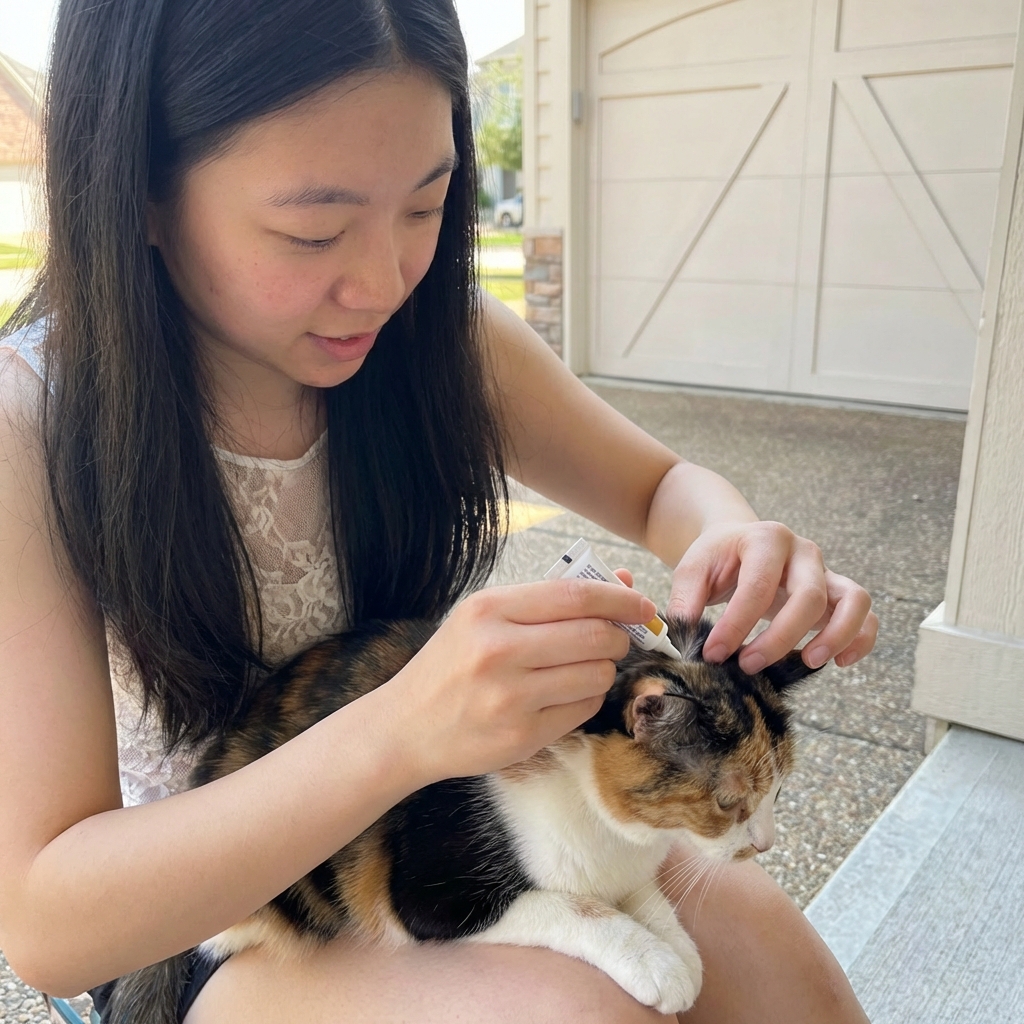
- Veterinary-recommended flea preventives used consistently (monthly or as directed)
- Treat all pets in the home, not just the itchy one
- Environmental cleanup: vacuum frequently, wash pet bedding, and consider a vet-approved home treatment if infestation is heavy
Avoid using dog-only flea products on cats. Some ingredients that are safe for dogs can be dangerous for cats. Always confirm species-specific labeling, and ask your vet if you are not sure.
Aftercare at home
1) Clean the basics
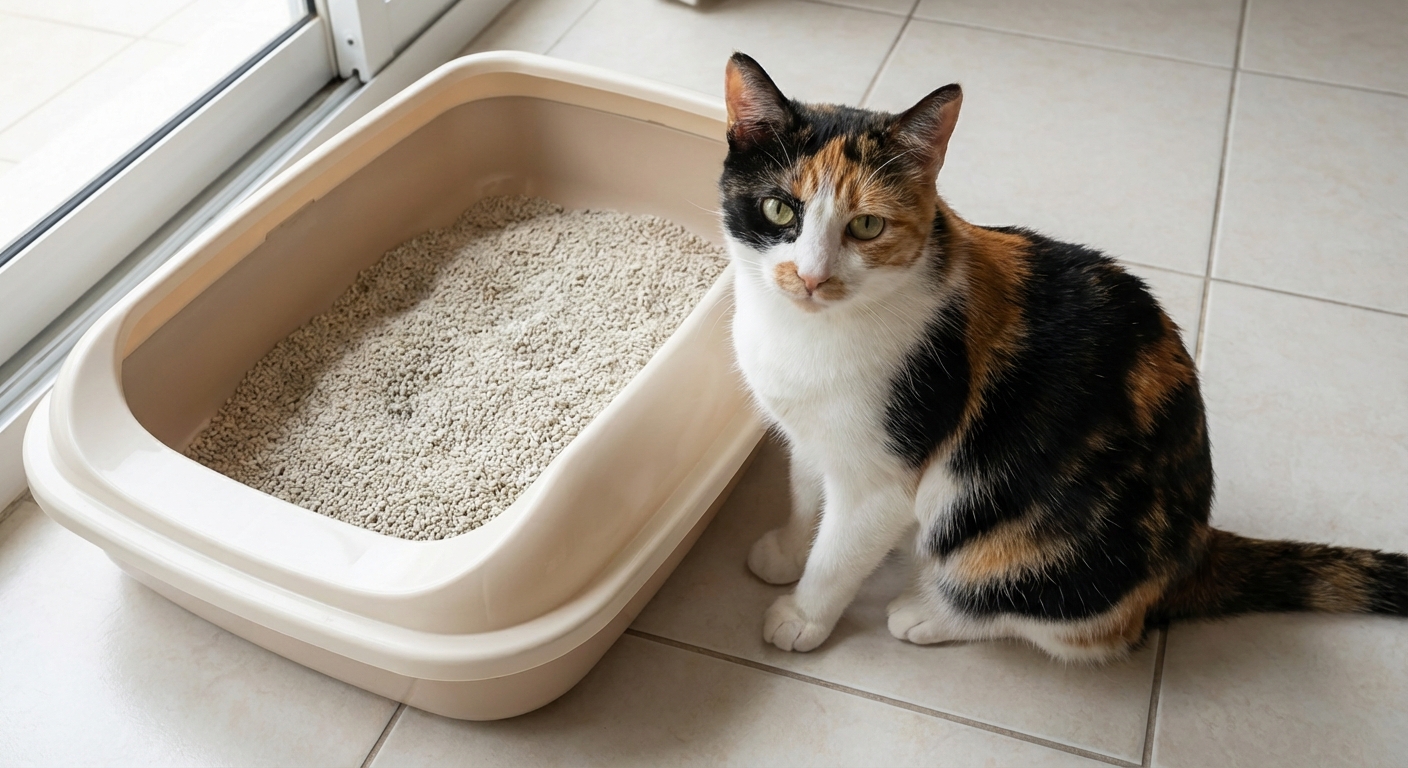
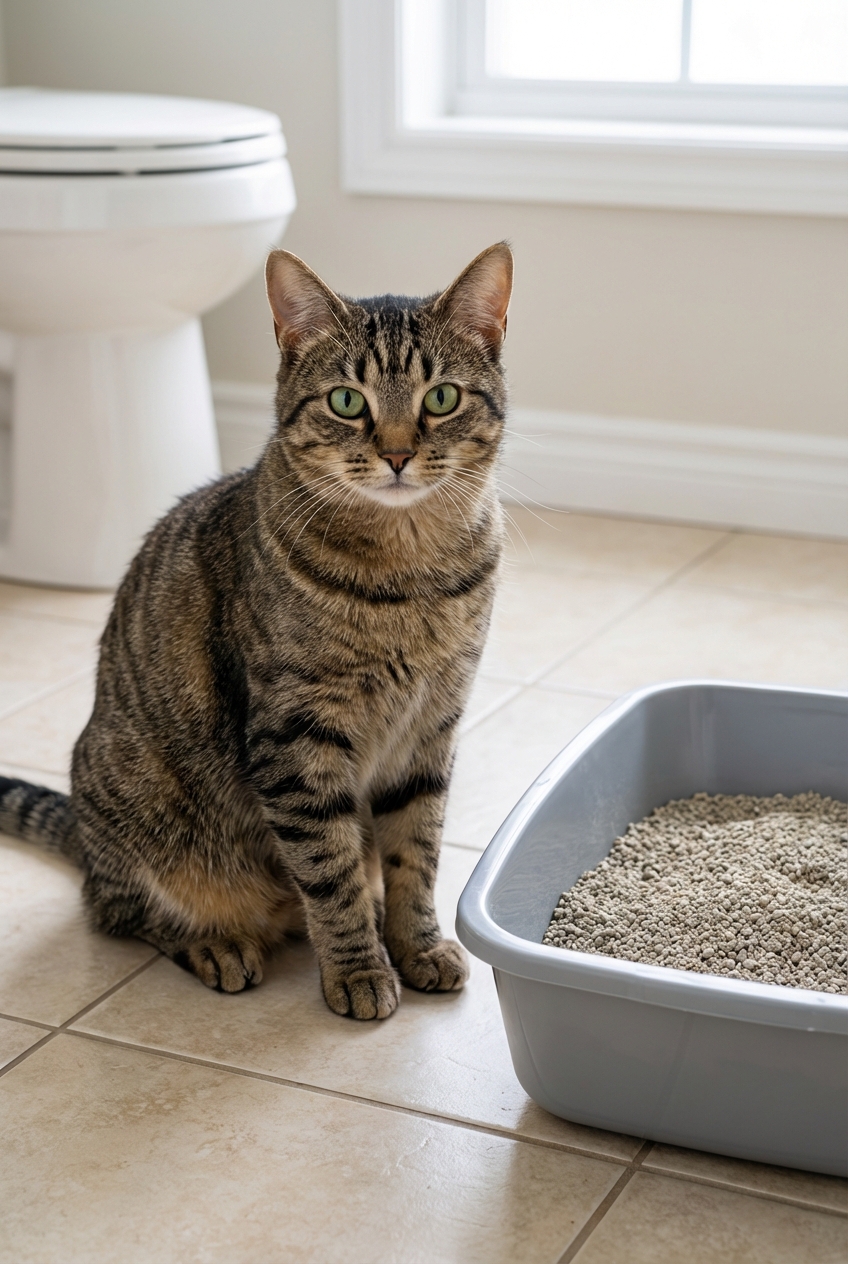
- Scoop the litter box daily and dispose of waste promptly.
- Wash bedding where your cat sleeps.
- Vacuum floors and upholstered furniture, especially if fleas are suspected.
2) Watch for segments
You may still see segments briefly after treatment. If segments keep appearing after a few days, or if they return later, it can mean reinfection (often from fleas) or the need for a follow-up plan.
3) Protect other pets
For the common flea-associated tapeworm (Dipylidium), segments are not typically directly infectious to other pets. The flea is the key player. Keeping all pets on parasite prevention is the simplest way to reduce repeat problems.
Risk to people
The most common cat tapeworm, Dipylidium caninum, can infect people, but it usually requires swallowing an infected flea. This is uncommon, but young children are at higher risk because they are more likely to have close contact with pets and may accidentally ingest a flea.
Good flea control, handwashing, and keeping pets on prevention make the risk very low.
When to call the vet
- Your cat is a kitten, elderly, pregnant, or has other medical conditions
- There is vomiting, diarrhea, lethargy, or signs of dehydration
- You see weight loss or a potbellied appearance
- You treated but segments persist beyond your vet’s guidance
- You are unsure whether the “rice” is tapeworm segments or something else
Prevention checklist
- Year-round flea prevention for cats and other household pets, as recommended by your veterinarian
- Routine fecal testing, especially for kittens, outdoor cats, and multi-pet households
- Limit hunting if possible, or increase parasite screening if your cat is an active hunter
- Prompt treatment if segments are seen again
Tapeworms are frustrating, but they are also very manageable. With the right dewormer and consistent flea control, most cats are back to normal fast and stay that way.
Quick FAQs
How long does treatment take to work?
Praziquantel starts working quickly, often within hours. Visible segments often stop soon after. You may still see a few segments for 24 to 48 hours, and your vet may recommend follow-up depending on flea exposure.
Can I use over-the-counter dewormers?
Some OTC dewormers do not treat tapeworms at all (for example, pyrantel targets roundworms and hookworms, not tapeworms). It is safest to confirm the parasite and use a vet-recommended product that specifically treats tapeworms, especially for kittens and small cats.
Do I need to disinfect my whole house?
Not usually for tapeworm segments themselves. If fleas are involved, focus on thorough vacuuming, washing bedding, and consistent pet-safe flea control, since flea life stages in the home can keep the cycle going.