A practical 24–72 hour diet and hydration plan for mild dog diarrhea, with bland food options, safe add-ons like probiotics, foods to avoid, and clear red ...
Article
•
Designer Mixes
Treating Dog Diarrhea: Overview & Care

Shari Shidate
Designer Mixes contributor
Diarrhea is one of the most common reasons pet parents call the clinic, and I get it. It is messy, stressful, and it can make you worry fast. The good news is that many cases are mild and short-lived, especially when you respond early with the right home care and you know the red flags that mean it is time to see your veterinarian.
This overview will help you understand what diarrhea is telling you, what you can safely do at home, and when to stop Googling and head in for help. It is general education, not a substitute for diagnosis or treatment from your veterinarian.
What diarrhea means
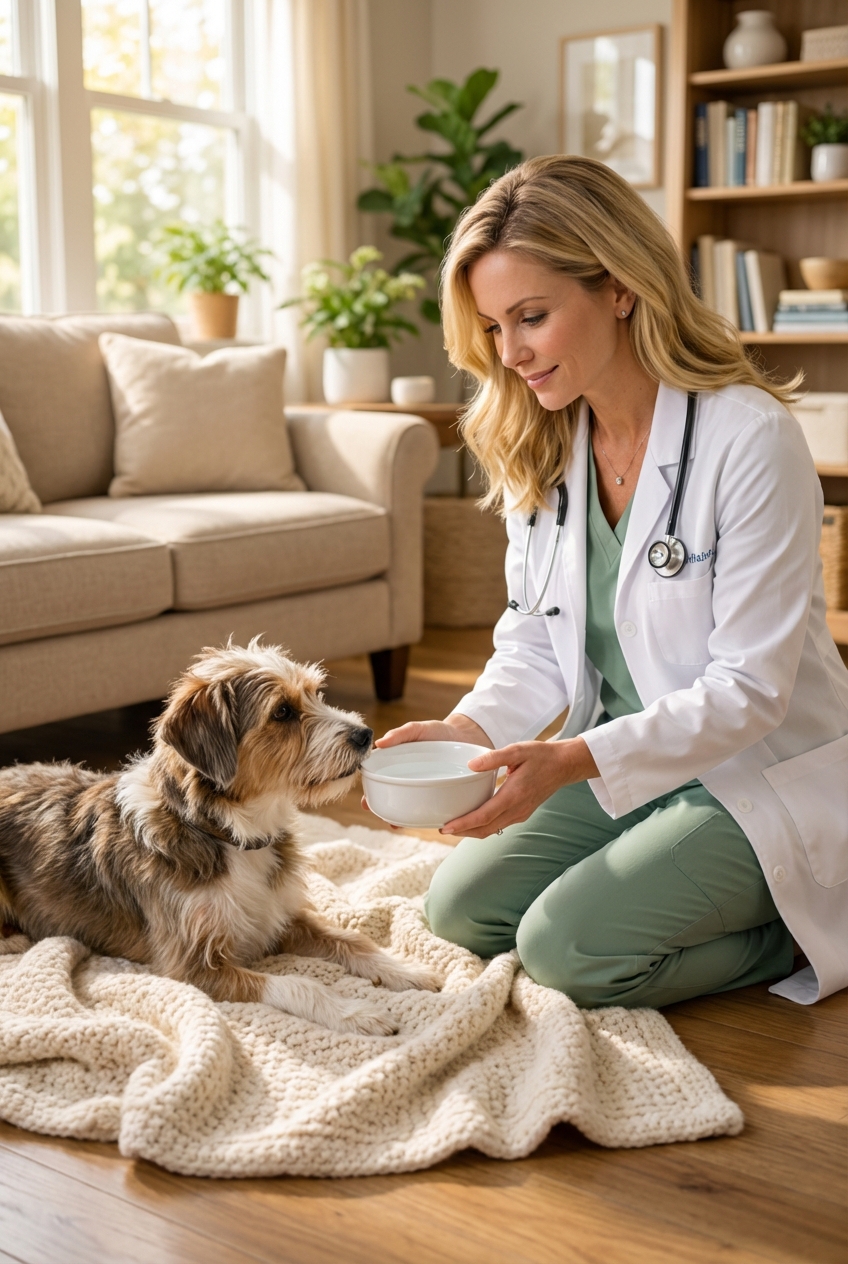
Diarrhea is not a disease by itself. It is a symptom, and it usually means the intestines are irritated, inflamed, or moving food through too quickly to absorb water normally.
Veterinary teams often think about diarrhea in two simple buckets:
- Acute diarrhea: sudden onset, often tied to diet changes, stress, scavenging, or a mild infection.
- Chronic or recurring diarrhea: lasts more than 2 to 3 weeks or keeps coming back, which raises the odds of parasites, food intolerance, inflammatory bowel disease, pancreatic issues, endocrine disease, or other underlying conditions.
Diarrhea can also look different depending on where the irritation is:
- Small intestine: larger volume stool, fewer trips outside, weight loss can occur, stool may look watery.
- Large intestine (colon): frequent urges, smaller amounts, mucus, straining, and sometimes fresh red blood.
Common causes
There is no single cause, but these are the big ones we see in real life:
- Dietary indiscretion: trash, table scraps, greasy foods, sudden diet switches.
- Food intolerance or sensitivity: a particular protein, treat, or rich chew.
- Stress: boarding, travel, moving, schedule changes.
- Parasites: roundworms, hookworms, whipworms, Giardia, coccidia.
- Infectious causes and dysbiosis: viruses and bacteria can cause diarrhea, especially in puppies, unvaccinated dogs, or dogs exposed to contaminated feces or water. In vaccinated adult dogs, “gut imbalance” (dysbiosis) is often more likely than a true viral illness.
- Medications: antibiotics, NSAIDs, certain supplements.
- Underlying illness: pancreatitis, Addison’s disease, liver disease, intestinal foreign body, cancer, and others.
First question: Is this urgent?
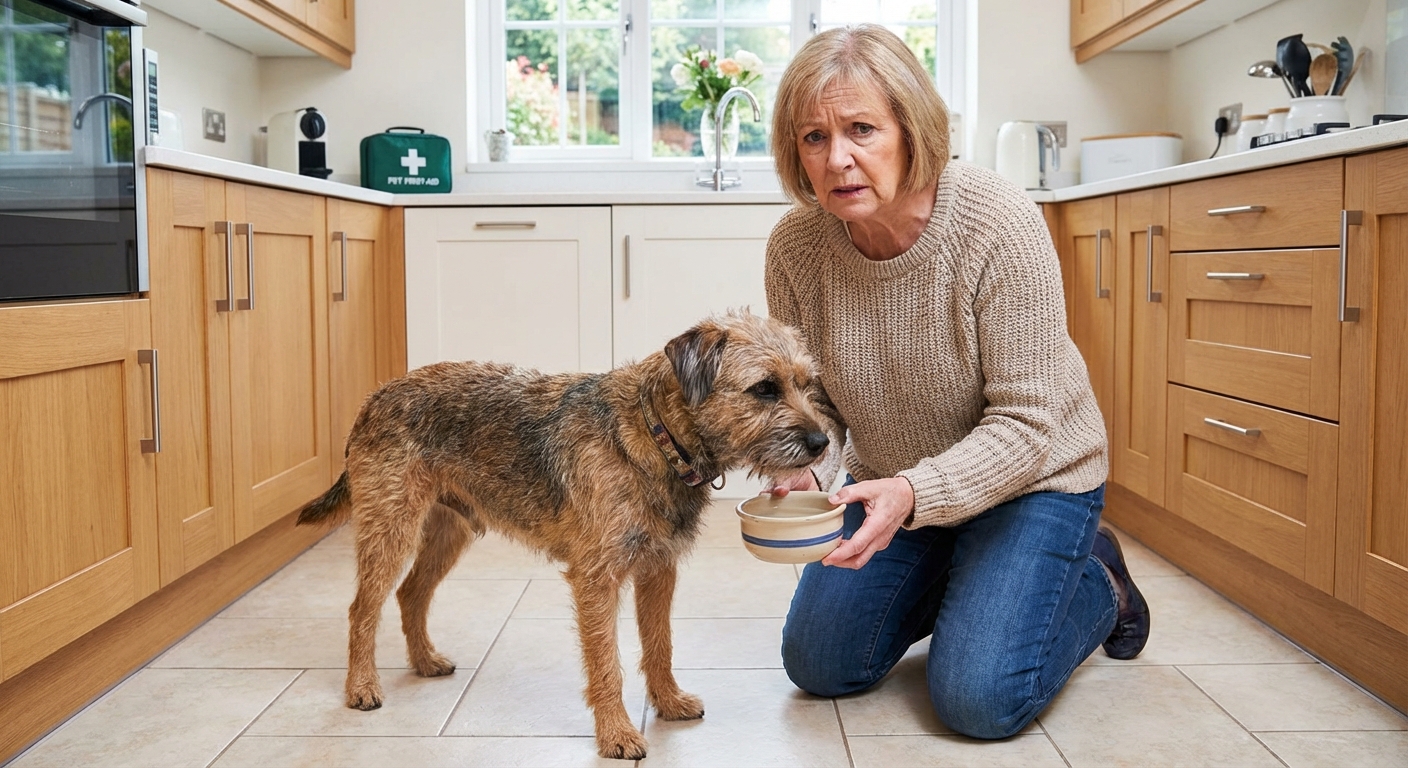
Some diarrhea can be watched at home for a short time, but certain signs should move you to urgent veterinary care the same day. Please do not wait if you notice any of the following:
- Repeated vomiting or your dog cannot keep water down
- Large amounts of blood in stool, black tarry stool (digested blood), or diarrhea that looks like raspberry jam
- Severe lethargy, collapse, pale gums, or a painful, bloated belly
- Suspected toxin exposure (xylitol, rodent bait, human meds, marijuana, etc.)
- Possible foreign body (your dog ate a toy, sock, corn cob, bones)
- Dehydration concerns (dry or tacky gums, weakness, not wanting to drink). Dehydration checks can be subjective, so if you are unsure, call your vet.
- Puppies, seniors, or immunocompromised dogs with diarrhea, even if mild
- Known chronic conditions like diabetes, kidney disease, or Addison’s
- Diarrhea that is worsening or not improving within 24 to 48 hours
If you are unsure, call your vet. A quick phone triage can save you time and prevent a small issue from becoming a big one.
Home care for mild diarrhea
If your dog is bright, alert, drinking, and only has mild diarrhea, home support can help the gut settle. Here is what I typically recommend as a veterinary assistant, along with what most vets consider safe first steps. Guidance can vary by clinic and by dog, so when in doubt, ask your veterinarian.
1) Hydration comes first
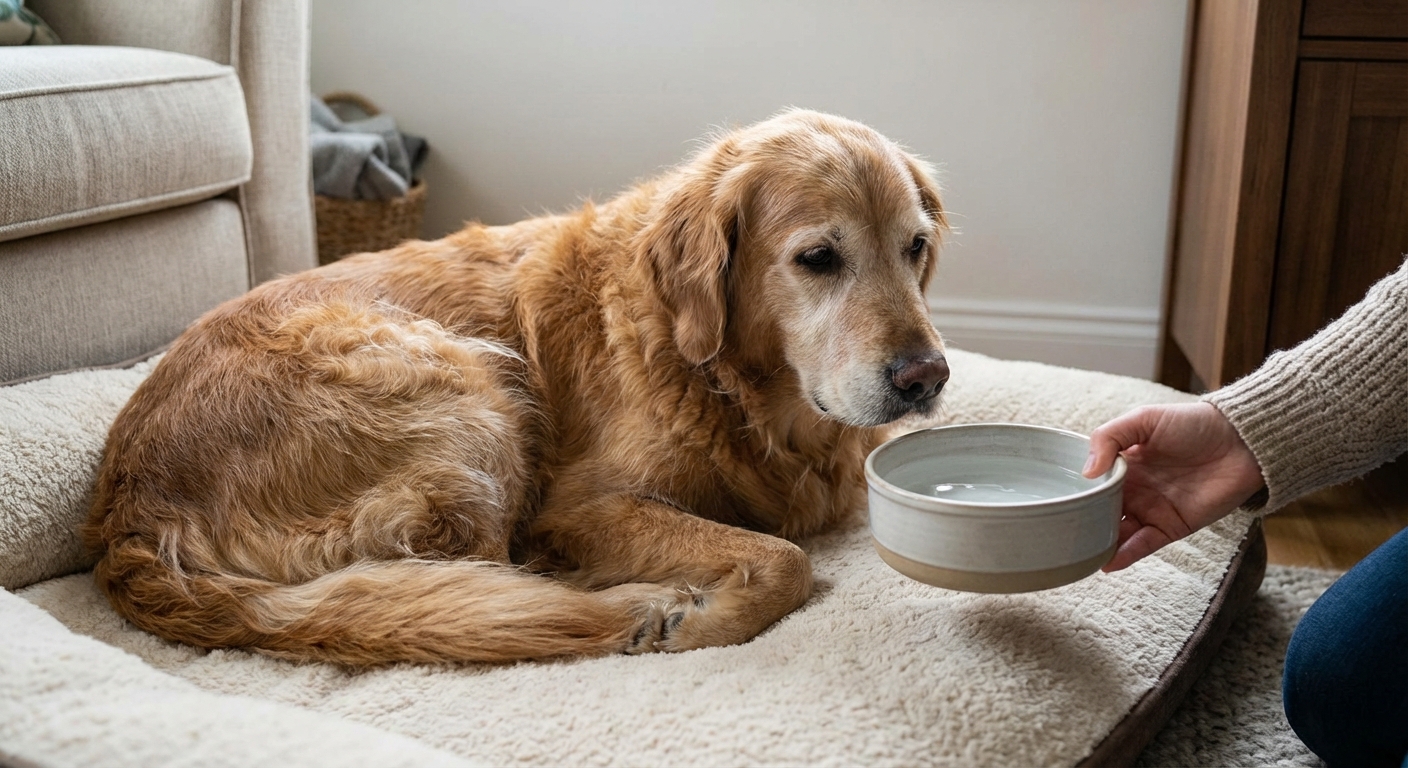
Diarrhea pulls water and electrolytes out of the body. Encourage frequent small drinks. If your dog is not vomiting, you can offer:
- Fresh water
- Ice chips for dogs who gulp
- Unseasoned broth diluted with water (no onions or garlic)
If your dog refuses water, seems weak, or is dehydrated, contact your veterinarian.
2) Rest the gut, but do not overdo it
For adult dogs with mild diarrhea and no vomiting, some veterinarians recommend either:
- Early bland feeding in small portions, or
- A brief food break (often about 8 to 12 hours) before starting a bland diet
Both approaches are used, and your vet may prefer one over the other depending on your dog’s history.
Do not fast puppies without veterinary guidance because small dogs and young dogs can get low blood sugar quickly.
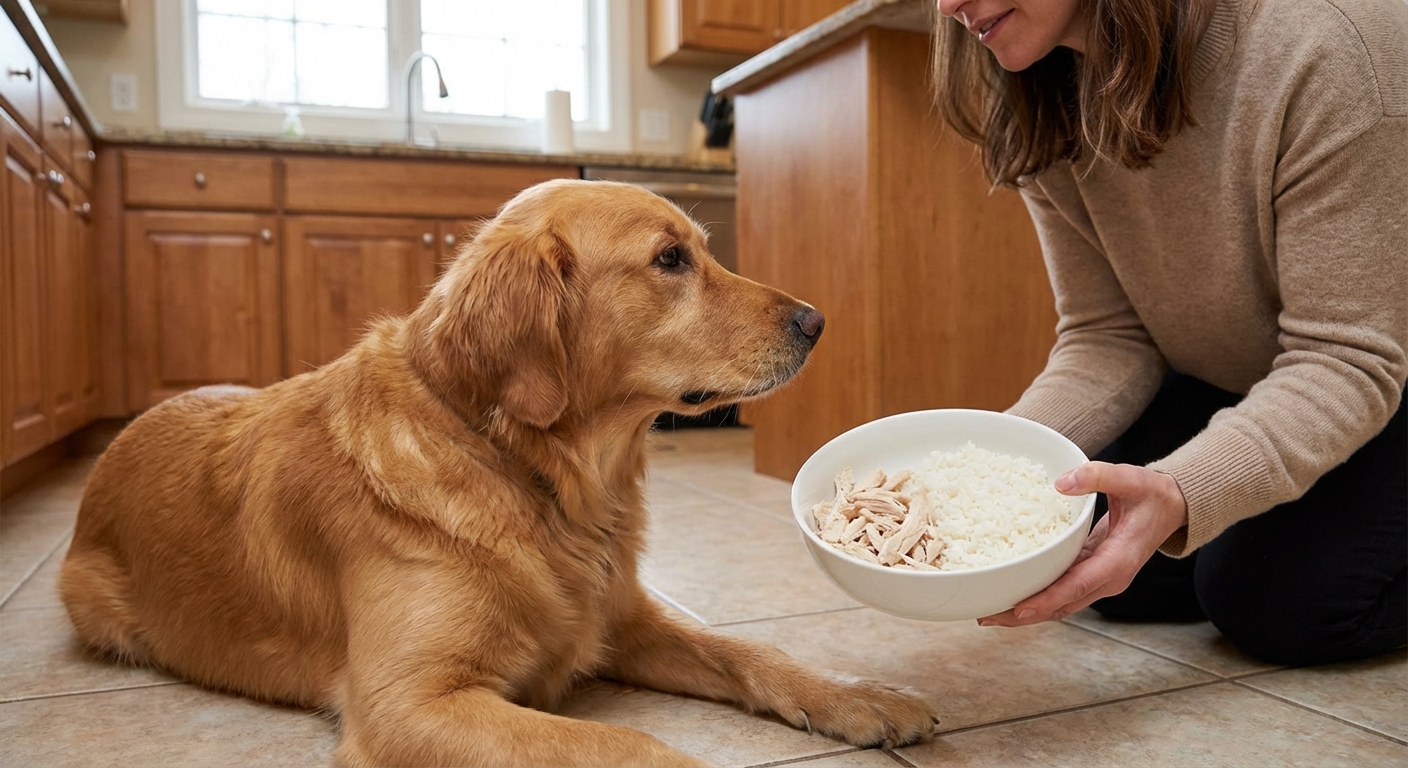
3) Bland diet for 2 to 3 days
A simple bland diet is gentle, lower fat, and easier to digest. Classic options include:
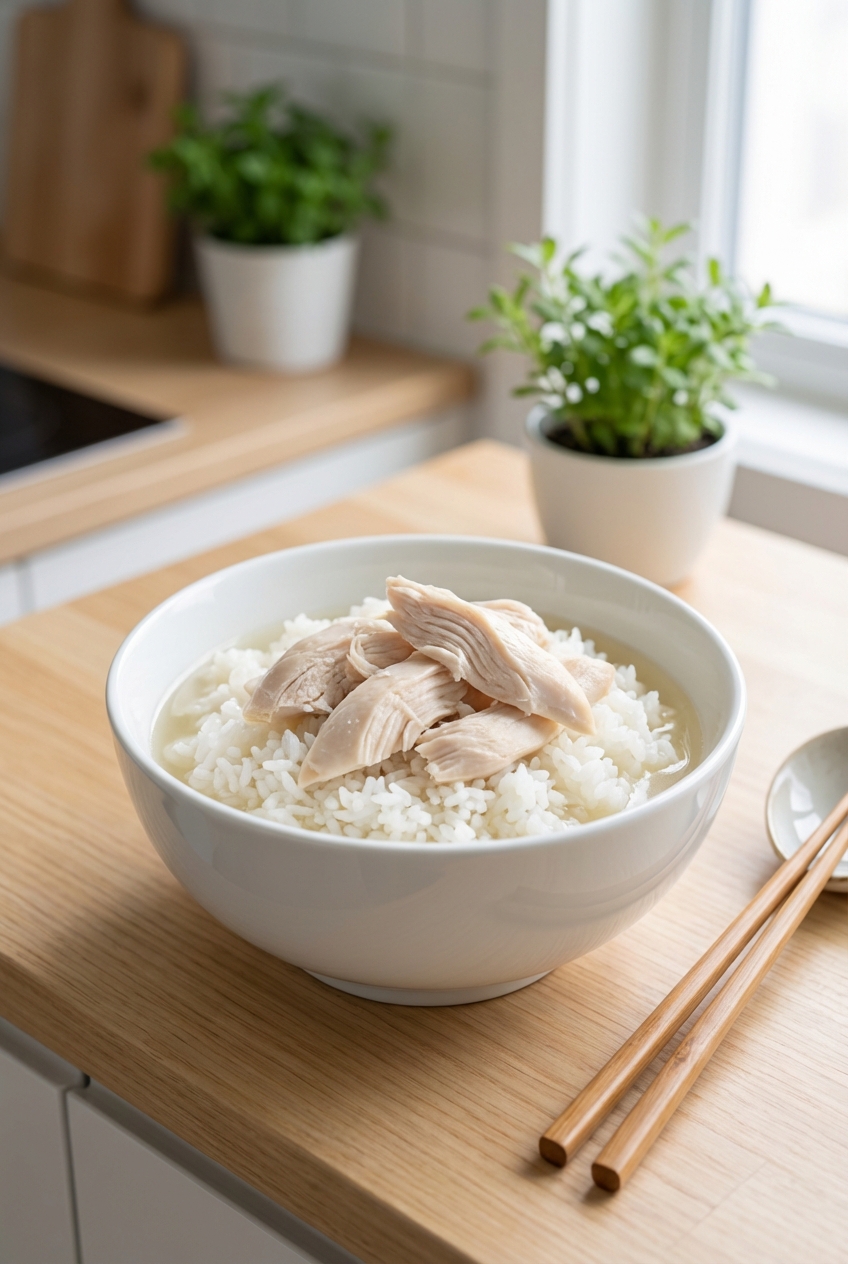
- Boiled skinless chicken breast and plain white rice
- Lean ground turkey and rice
- Scrambled egg (plain, minimal oil) with rice, if your dog tolerates egg
Feed small meals, about 3 to 6 times a day, rather than one or two big meals.
Skip fatty meats, dairy, treats, bones, rawhide, bully sticks, and rich chews during recovery.
4) Add soluble fiber, if your vet agrees
Soluble fiber can help normalize stool by absorbing extra water. A common choice is plain canned pumpkin (not pumpkin pie filling).
Pumpkin dosing is not one-size-fits-all. If your dog is not on a special diet and your vet is comfortable with it, start with a small amount mixed into food and adjust only if advised. Too much can worsen gas or diarrhea in some dogs.
5) Consider a dog-specific probiotic
Some veterinary probiotics (specific strains and products) have evidence for helping acute diarrhea, especially after stress or antibiotics. Choose a product made for pets, follow the label, and check with your vet if your dog has other health issues.
6) Pause new foods and supplements
When the gut is inflamed, even healthy additions can be too much. Keep things simple until stools normalize, then reintroduce changes slowly.
7) Reduce contagious risk
Until your dog is back to normal, assume the diarrhea could be contagious. Wash your hands after cleanup, pick up stool promptly, and limit contact with other dogs (especially puppies) if you can.
What not to do
- Do not give human anti-diarrheal medications unless your veterinarian specifically instructs you to. Common examples include loperamide (Imodium) and bismuth subsalicylate (Pepto-Bismol). These can be risky in the wrong dose, in certain breeds, or if an underlying problem like obstruction or toxin exposure is present.
- Do not continue rich treats or high-fat chews “because they seem hungry.” Appetite is not always a green light.
- Do not assume it is just stress if there is blood, vomiting, pain, or your dog seems off.
- Do not delay parasite testing if diarrhea is recurring. Many parasites require specific medication.
When to book a vet visit
Even if your dog seems okay, it is time to schedule an appointment (or at least call) if:
- Diarrhea lasts more than 24 to 48 hours
- You see blood or black stool
- Your dog has vomiting, fever, or decreased appetite
- There is weight loss or diarrhea keeps returning
- Your dog recently started a new medication or diet
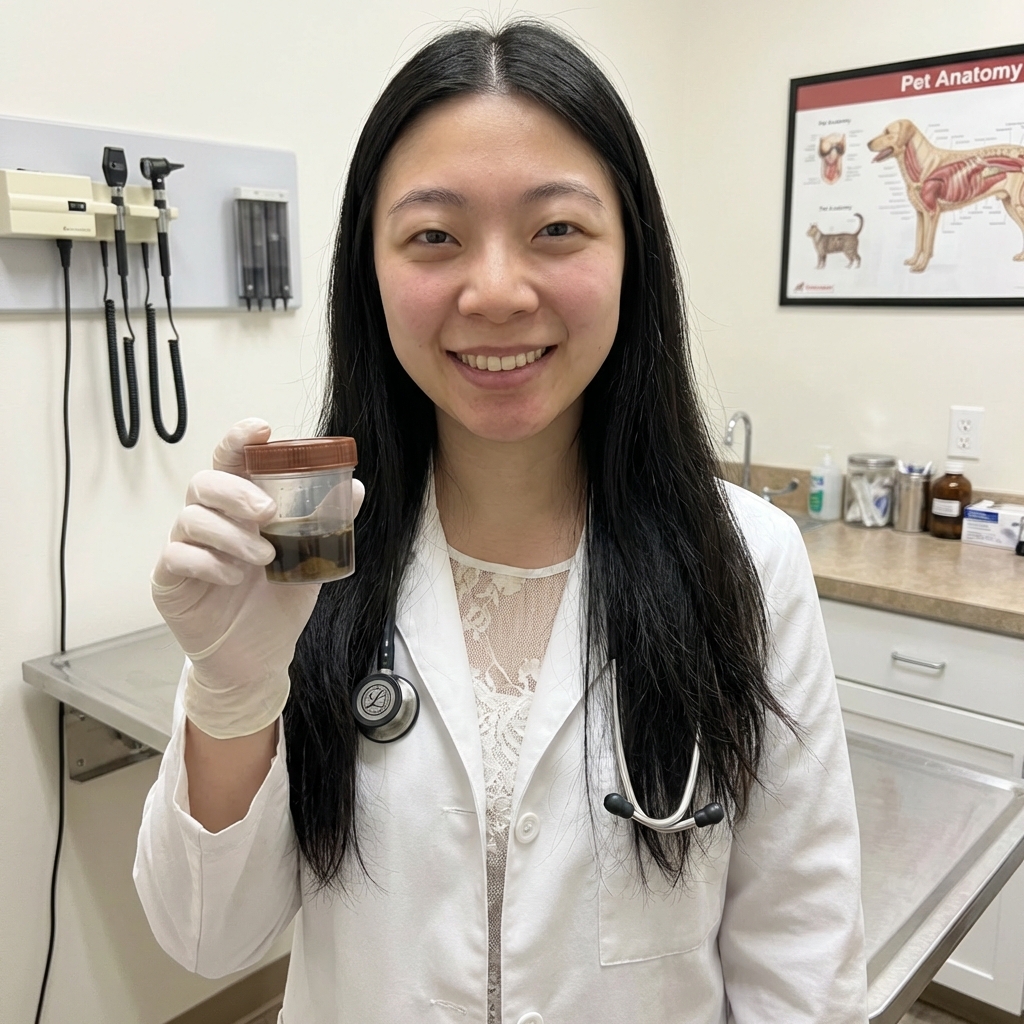
Practical tip: take a quick photo of the stool and, if your clinic wants one, bring a fresh stool sample (ask how they prefer it stored and how old is acceptable).
What your vet may recommend: a fecal test, parasite treatment, a diet trial, bloodwork, x-rays or ultrasound if obstruction or pancreatitis is a concern, and targeted medications depending on the cause.
Transition back to regular food
Once stools are normal for about 24 to 48 hours, you can usually start transitioning back to your dog’s regular diet. Mix in the regular food slowly over 2 to 3 days (or longer for sensitive dogs). If diarrhea returns during the transition, pause and call your veterinarian.
How to prevent future episodes
You cannot prevent every tummy upset, but these steps reduce the odds in a big way:
- Transition food slowly over 7 to 10 days.
- Keep trash and compost secured and supervise outdoor time.
- Use consistent treats and avoid high-fat people food.
- Keep up with fecal testing and deworming based on your vet’s schedule.
- Ask about a gut-friendly plan if your dog has a sensitive stomach, including a veterinary diet or a consistent homemade plan that is balanced.
And one practical tip I love: keep a simple “GI journal.” Write down what your dog ate, any new treats, stress events, stool appearance, and how long symptoms lasted. If diarrhea becomes recurring, that little log helps your vet spot patterns fast.
A note on homemade food
As someone who cares deeply about nutrition, I love using real, simple foods when a dog’s gut is upset. Bland home-cooked meals can be a helpful bridge back to normal. The key is to keep it temporary unless your veterinarian helps you build a complete, balanced recipe for long-term feeding. Dogs need the right calcium, vitamins, and minerals over time, and a plain chicken-and-rice diet is not designed to cover those needs.
If your dog’s diarrhea is frequent, recurring, or tied to diet, ask your veterinarian about a nutrition plan you can stick with long-term. Consistency is often the secret sauce for sensitive stomachs.