A practical 24–72 hour diet and hydration plan for mild dog diarrhea, with bland food options, safe add-ons like probiotics, foods to avoid, and clear red ...
Article
•
Designer Mixes
Treating Dog Diarrhea

Shari Shidate
Designer Mixes contributor
Diarrhea is one of the most common reasons pet parents call the clinic, and I get it. It is messy, stressful, and it can feel like it came out of nowhere. The good news is that many cases are mild and can be managed at home with calm, step-by-step care.
But here is the most important rule: diarrhea is a symptom, not a diagnosis. Our job is to figure out whether your dog is stable enough for home care or if this is a “call the vet now” situation.
Quick note: This article is general education and not a substitute for veterinary care. When in doubt, call your clinic.
First, check for red flags
If you see any of the signs below, skip home treatment and contact your veterinarian or an emergency hospital. These are common clues that dehydration, infection, toxins, pancreatitis, a blockage, or another serious problem may be involved.
- Blood in the stool (bright red, or black and tarry stool). Black stool can mean digested blood (melena) and is urgent.
- Repeated vomiting or cannot keep water down
- Severe lethargy, weakness, collapse, or painful belly
- Bloated abdomen or repeated unproductive retching
- Diarrhea lasting more than 24 to 48 hours despite home care (sooner if your dog is small, very young, has large-volume watery diarrhea, or is worsening)
- Puppy, senior, or immunocompromised dog (they dehydrate faster)
- Known exposure to garbage, toxins, medications, rodent bait, or toxic plants
- Suspected foreign body (chewed toys, socks, corn cobs, bones)
- Signs of dehydration (tacky gums, sunken eyes, not peeing, panting, sticky saliva)
- Fever or very pale gums
If none of these apply and your dog is bright, alert, drinking, and otherwise acting normal, you can usually start supportive care at home.
Why dogs get diarrhea
From a veterinary assistant’s perspective, the most common causes I see are simple, and they often overlap.
- Dietary indiscretion: trash, table scraps, fatty foods, sudden diet change
- Stress: boarding, travel, visitors, schedule changes
- Parasites: giardia, roundworms, hookworms, whipworms
- Infectious causes or dysbiosis: viral or bacterial infections, or a temporary gut bacteria imbalance
- Food sensitivity: specific proteins, rich treats, dairy
- Medications: antibiotics, NSAIDs, supplements that do not agree with your dog
- Underlying disease: pancreatitis, IBD, Addison’s disease, organ disease
The exact cause matters, but the first goal at home is the same: protect hydration, rest the gut, and watch closely.
Next, let’s walk through a calm 24-hour plan you can follow while you monitor for red flags.
At-home care: a calm 24-hour plan
1) Hydration comes first
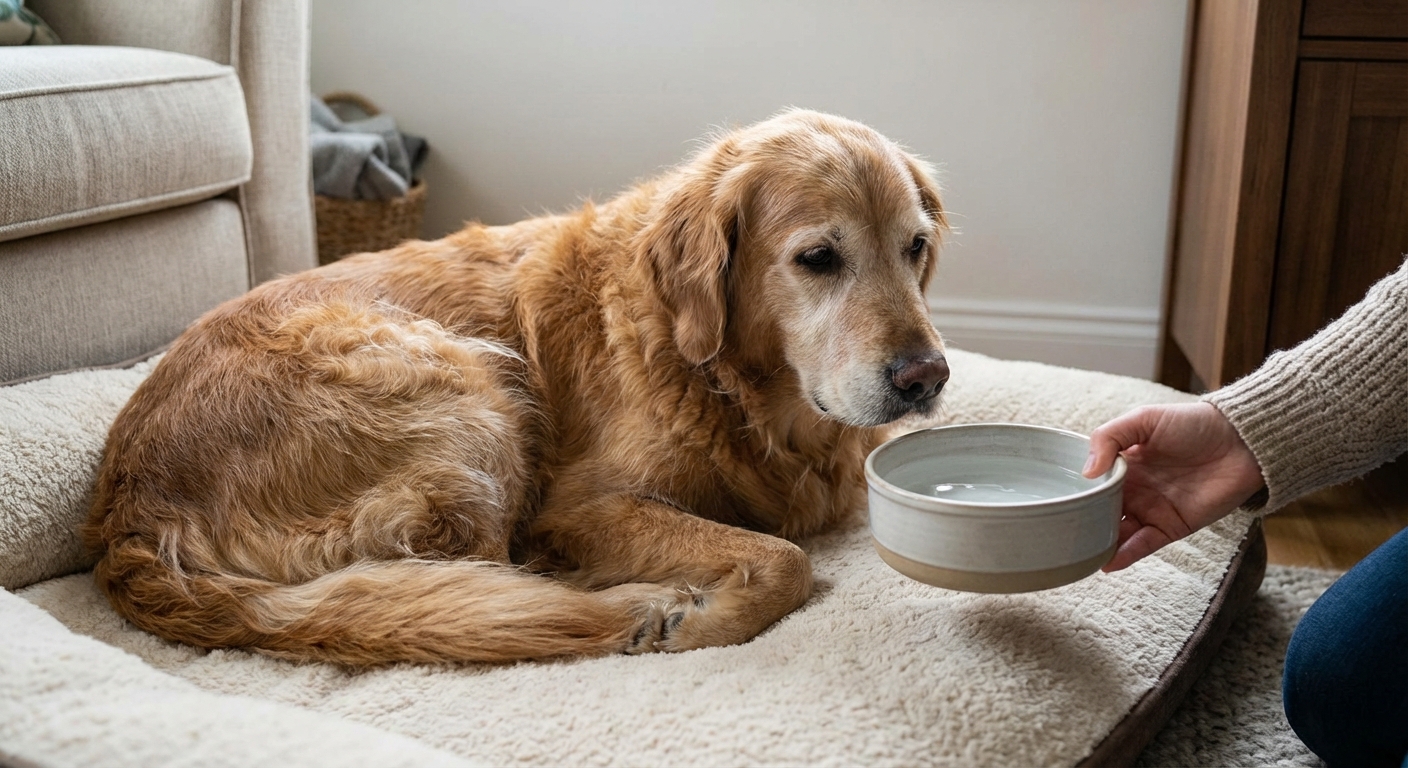
Diarrhea pulls water and electrolytes out of the body. Encourage small, frequent drinks.
- Provide fresh water at all times.
- If your dog gulps and then vomits, offer small sips every 10 to 15 minutes.
- Ask your vet whether an unflavored pediatric electrolyte solution is appropriate for your dog’s size and condition. Avoid sports drinks and anything with sweeteners. Never use products with xylitol.
Quick hydration check (imperfect, but helpful): gums should feel slippery, not tacky. You can also check capillary refill time by gently pressing the gum until it blanches, then releasing. Normal color should return quickly (often within about 1 to 2 seconds). Skin tenting can be another clue, but coat type and age can make it hard to read. If you are unsure, it is always okay to call your clinic.
2) Should you fast your dog?
For many healthy adult dogs with mild diarrhea and no vomiting, some veterinarians recommend a short break from food. Others prefer skipping the fast and feeding small bland meals right away. Both approaches can be reasonable depending on your dog and the situation.
- Do not fast puppies, toy breeds prone to low blood sugar, seniors, or dogs with diabetes or other medical conditions unless your veterinarian directs it.
- If your dog is a healthy adult, follow your veterinarian’s guidance if you have it. If you do not, a cautious approach is to feed small bland meals if your dog is interested in food and not vomiting, and to call your clinic if you are uncertain.
3) Start a bland diet (simple, gentle, and measured)
Once you are ready to feed, choose easy-to-digest foods and keep portions small. Feed 3 to 4 small meals instead of one or two big ones.
Common bland options:
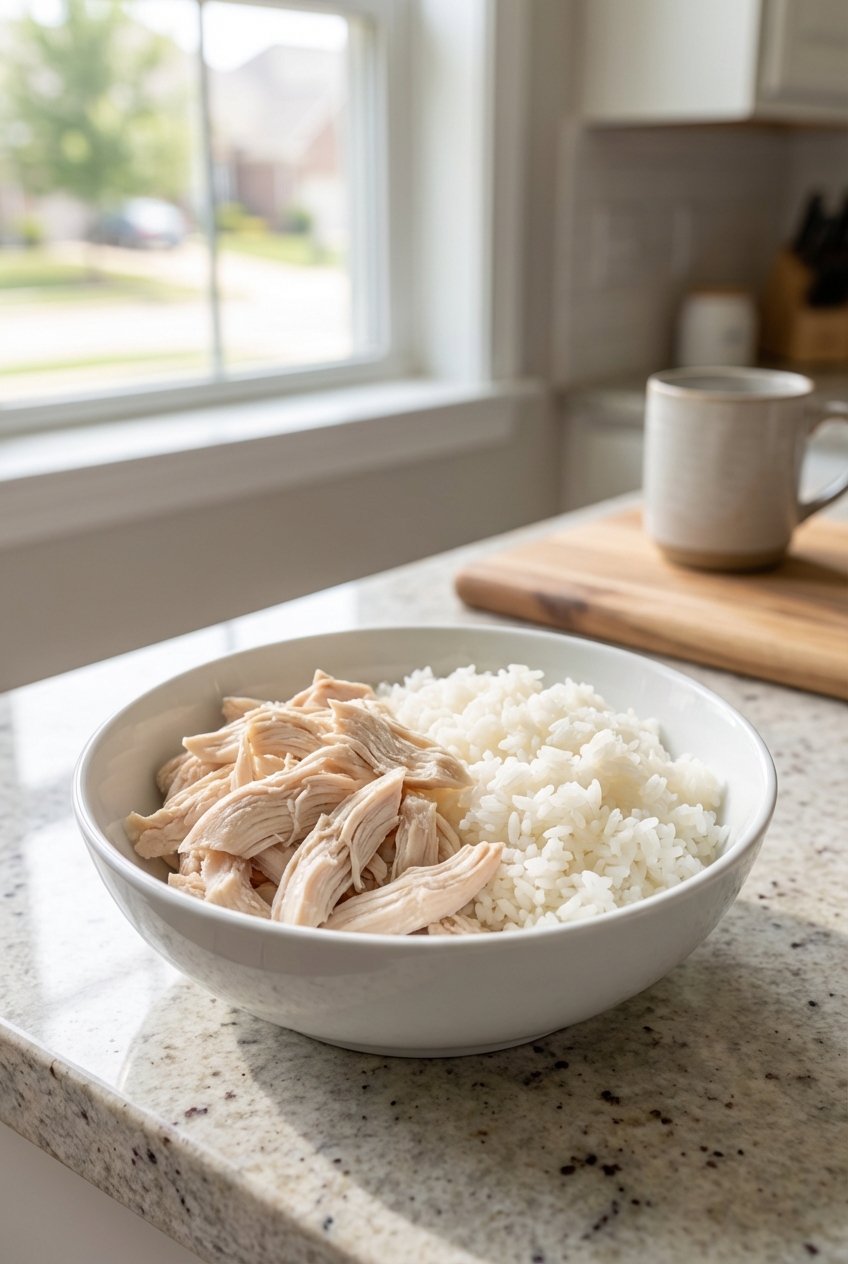
- Boiled, skinless chicken breast with plain white rice
- Boiled lean ground turkey (drained well) with white rice
- Plain canned pumpkin (not pie filling) added in small amounts for some dogs. Fiber content varies by brand, and too much can backfire, so keep it modest and stop if stools worsen.
Keep it boring for a couple of days, then transition slowly back to the regular diet over 3 to 5 days. Sudden switches are one of the biggest reasons diarrhea rebounds. If your dog has a history of sensitive digestion or recurring diarrhea, a veterinary gastrointestinal diet may be a better choice than a home bland diet. Your vet can help you pick one.
What to avoid
When the gut is irritated, a few common foods can make things worse fast.
- Fatty foods (bacon, sausage, greasy leftovers): can trigger pancreatitis
- Dairy: many dogs are lactose intolerant
- Rich treats, bully sticks, pig ears, rawhides
- Seasoned foods (garlic, onion, spicy sauces)
- Bone broths with onion or garlic added
- Over-the-counter anti-diarrhea medications without veterinary approval (some are unsafe for dogs, and some can be dangerous with certain conditions)
Hygiene and contagion
Some causes of diarrhea are contagious to other pets, and a few have zoonotic risk (meaning people can get sick too). You do not have to panic, just be extra clean while things settle.
- Wash hands after cleanup and before handling food.
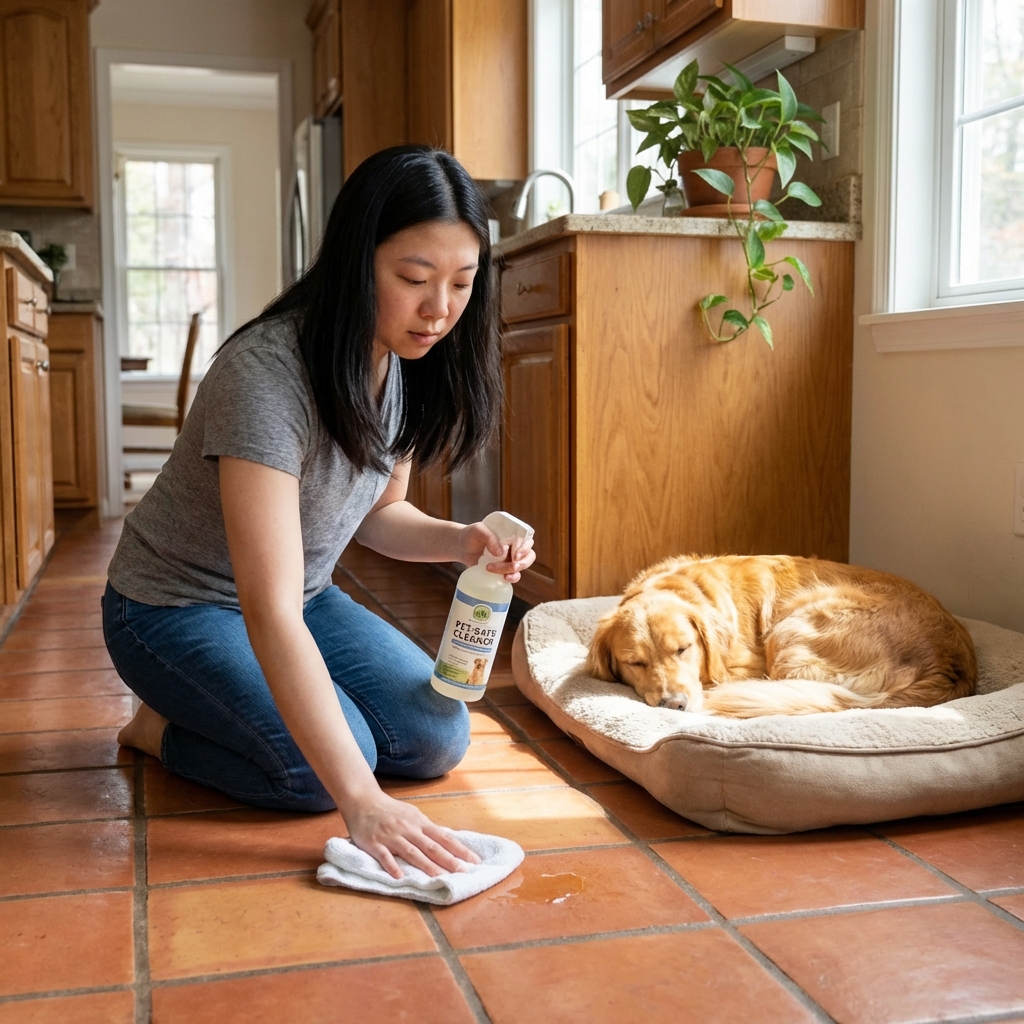
- Pick up stool promptly and disinfect contaminated areas with a pet-safe cleaner.
- Limit shared water bowls, dog park trips, daycare, and close contact with other dogs until stools are normal.
- If multiple pets in the home develop diarrhea, call your vet. That can be a clue that something infectious is going around.
Accidents: the kind approach
Diarrhea is uncomfortable. Your dog is not being stubborn or “acting out.” Most dogs feel urgency and may not make it to the door in time, especially overnight.
Set up a simple bathroom plan
- Take your dog out more often, including one extra late-night trip.
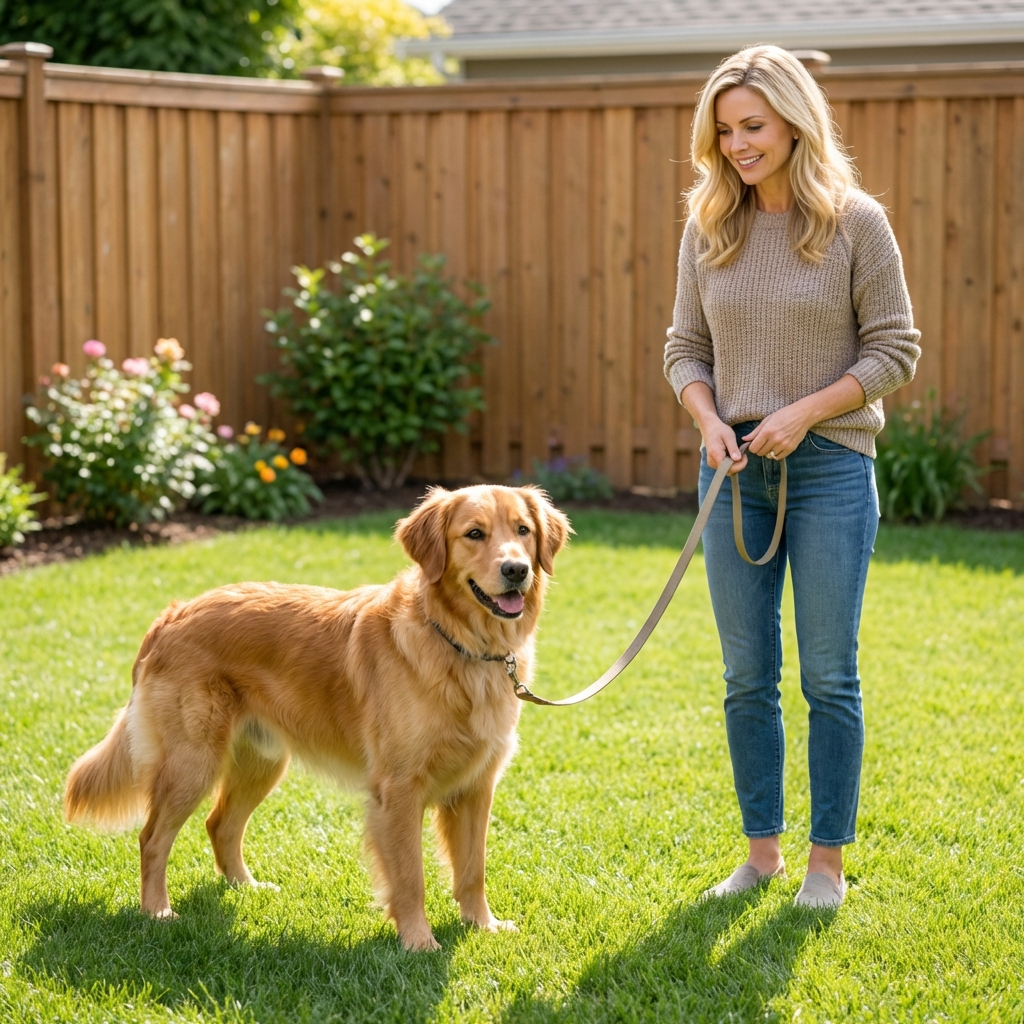
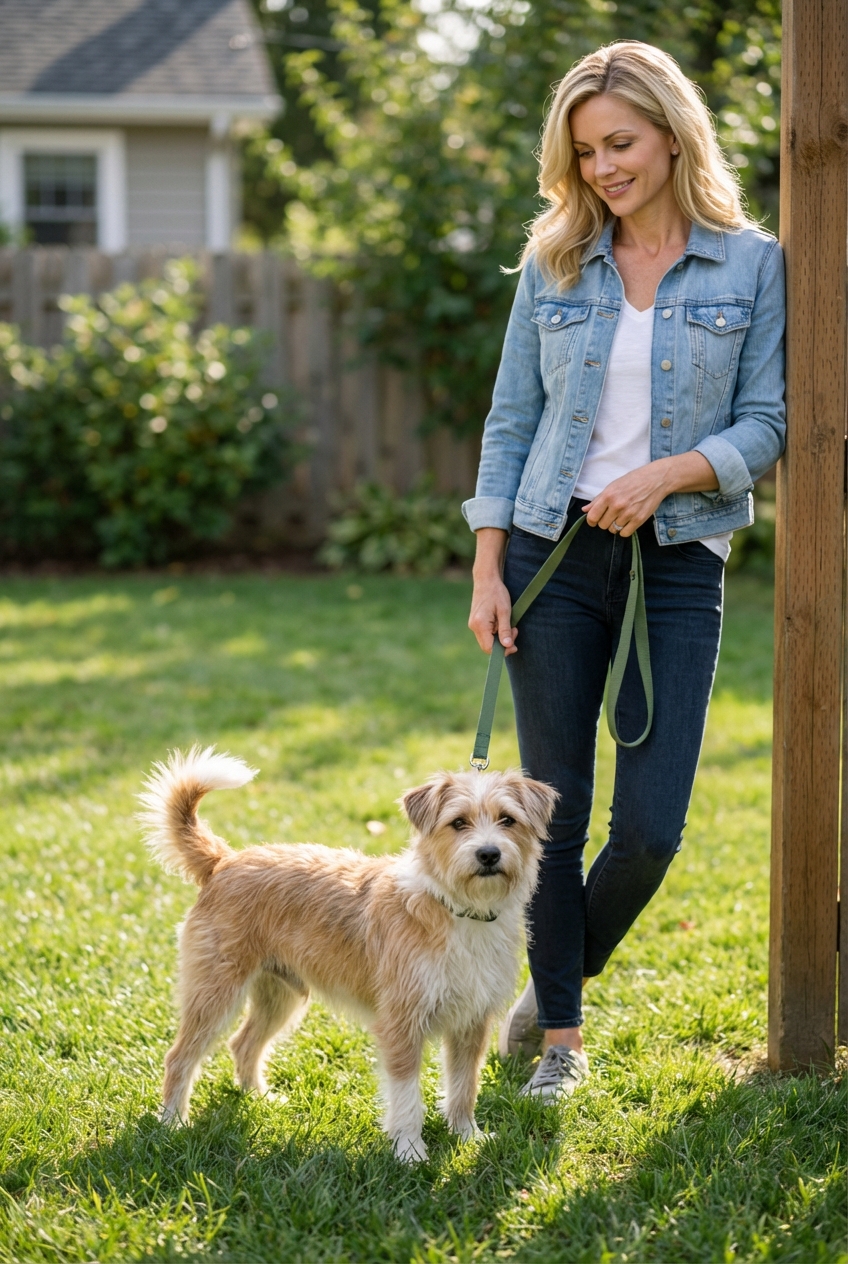
- Keep them on a leash so you can monitor stool and prevent grass, sticks, or poop-snacking.
- Choose one potty area and keep it calm and boring. Less excitement helps some dogs.
Use management, not punishment
- If accidents happen, do not scold. Fear can make future potty behavior worse.
- Clean with an enzymatic cleaner to remove odor that can draw them back to the same spot.
- If your dog is restless, pacing, or asking to go out repeatedly, believe them. Urgency is real.
Reduce stress while the gut heals
- Keep exercise gentle. Think short potty walks, not long runs.
- Maintain a predictable routine: meals, potty breaks, quiet rest.
- If other pets are stressing your dog, give them a calm space to decompress.
What to track
If you do need to call or go in, these details help your clinic move faster and treat more accurately.
- When it started and how often your dog is going
- Stool appearance: watery, pudding-like, mucus, blood
- Vomiting: yes or no, and how many times
- Energy level: normal, slightly off, very lethargic
- Appetite and drinking
- Diet changes, new treats, chews, trash exposure
- Any meds or supplements
- Other pets affected (can suggest infectious causes)
If you can, bring a fresh stool sample to your vet in a sealed container or double-bagged, leak-proof bag. Ideally, it is collected within a few hours. If you cannot get in right away, refrigerate it (do not freeze) and bring it with you. Parasites, especially giardia, are common and very treatable, but they need the right test.
Back to normal food
Once stools are improving for 24 hours and your dog is acting normal, start a gradual transition back to the regular diet:
- Day 1: 75% bland food, 25% regular food
- Day 2: 50% bland, 50% regular
- Day 3: 25% bland, 75% regular
- Day 4: 100% regular
If diarrhea returns during the transition, go back to the last step that worked and call your vet for guidance.
Probiotics and fiber
Some dogs benefit from a veterinarian-approved probiotic during and after a diarrhea episode, especially if stress, antibiotics, or a diet change played a role. Fiber can also help, but the right type and amount matters.
- Probiotics: choose a product made for dogs, and follow label dosing.
- Pumpkin: can be helpful in small portions for some dogs, but too much can backfire.
If your dog has frequent diarrhea episodes, recurring soft stool, or sensitive digestion, that is a great time to talk with your veterinarian about diet quality, parasite testing, and whether a long-term nutrition plan is needed.
Bottom line
Mild diarrhea often improves with hydration, a bland diet (or a veterinary GI diet), and a calmer routine. The “behavior” side is mostly management and compassion: more potty breaks, less stress, and no punishment for accidents.
Trust your instincts. If your dog looks unwell, if symptoms escalate, or if something just feels off, call your veterinarian sooner rather than later.