A practical 24–72 hour diet and hydration plan for mild dog diarrhea, with bland food options, safe add-ons like probiotics, foods to avoid, and clear red ...
Article
•
Designer Mixes
Treating Diarrhea in Dogs Naturally

Shari Shidate
Designer Mixes contributor
Seeing diarrhea in your dog can feel scary and frustrating, especially when it seems to come out of nowhere. The good news is that many mild cases improve quickly with supportive care at home. The key is knowing when it is safe to try gentle, natural help and when diarrhea is a red flag that needs a veterinarian right away.
As a veterinary assistant in Frisco, Texas, I always tell families the same thing: focus on hydration first, keep meals simple, and watch your dog’s energy, appetite, and stool changes closely.
Quick note: This article is general education and does not replace an exam and diagnosis from your veterinarian.
What diarrhea means
Diarrhea is not a diagnosis. It is a sign. Usually, it means the intestines are irritated or moving too fast, so your dog cannot absorb water properly. That can happen for lots of reasons, including:
- Dietary indiscretion (trash, table scraps, fatty foods)
- Sudden diet change or new treats/chews
- Food intolerance (some dogs react to certain proteins or additives)
- Stress (travel, boarding, visitors, routine changes)
- Parasites (especially in puppies or dogs who visit dog parks)
- Infections (viral or bacterial)
- Medications (antibiotics commonly cause loose stool)
- Underlying conditions (pancreatitis, inflammatory bowel disease, endocrine disease)
Mild diarrhea that lasts less than a day, with a dog who is bright, alert, and drinking water, is often reasonable to support at home. If it lingers, worsens, or your dog seems off, it is time to involve your veterinarian.
Hygiene matters: Some causes of diarrhea can spread to other dogs (and a few can infect people, like Giardia). Pick up stool promptly, wash hands, and avoid dog parks or shared water bowls until things are back to normal.
When to call the vet now
Natural care is not the right choice if your dog is showing warning signs. Contact your veterinarian or an emergency clinic right away if you notice:
- Blood in the stool (bright red or black, tarry stool)
- Repeated vomiting or unable to keep water down
- Lethargy, weakness, collapse, or obvious belly pain
- Signs of dehydration (tacky or dry gums, sunken eyes, reduced urination, marked weakness). Skin “tenting” can be helpful, but it is less reliable in seniors or overweight dogs.
- Puppies, seniors, or very small dogs with diarrhea (they dehydrate fast)
- Diarrhea lasting more than 24 hours (or sooner if worsening)
- Profuse watery diarrhea or frequent accidents that are hard to control
- Straining with little output (especially if your dog seems painful or keeps trying to go)
- Known toxin exposure (xylitol, grapes/raisins, chocolate, medications, chemicals)
- Possible foreign body (toy pieces, socks, bones, corn cobs)
- Recent pancreatitis history or very fatty meal exposure
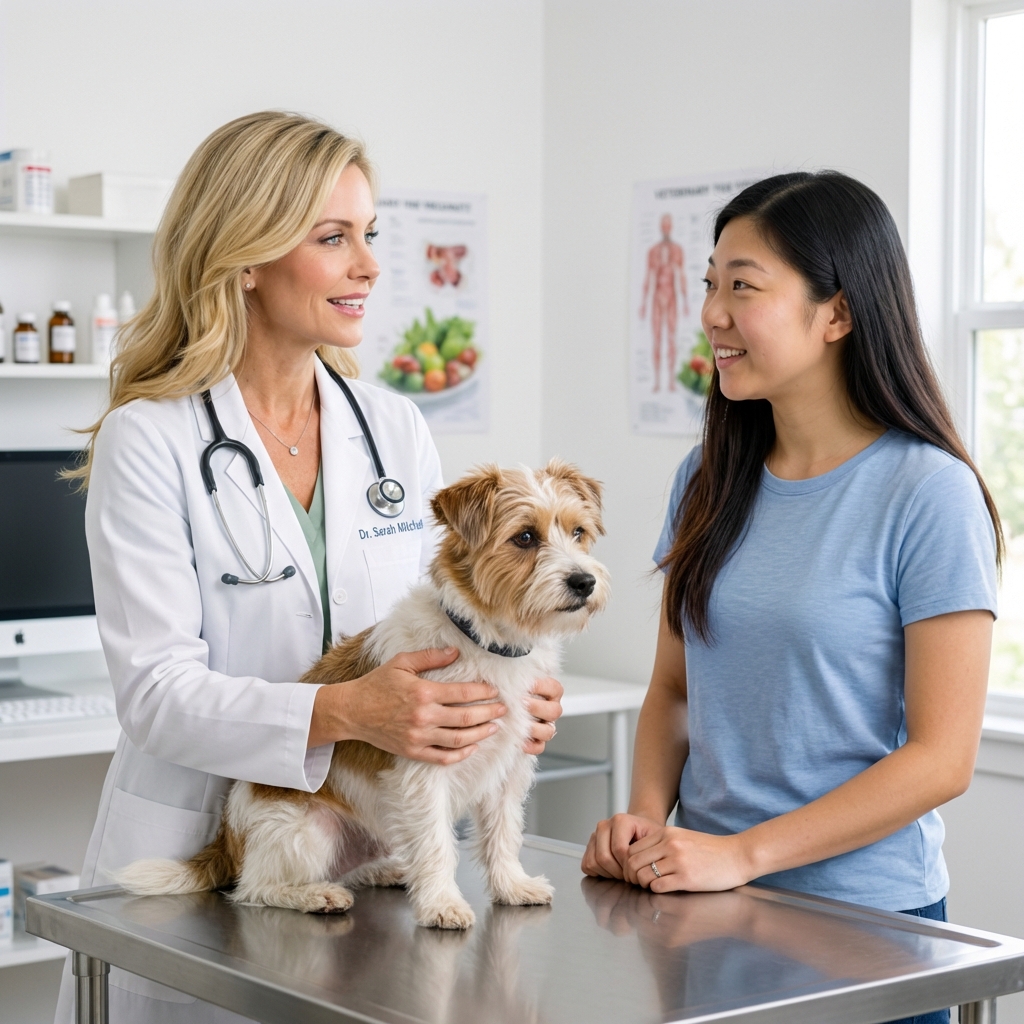
If your dog is acting “not like themselves,” trust that instinct. A stool sample and an exam can quickly rule out parasites, infection, or more serious GI issues.
Step 1: Prevent dehydration
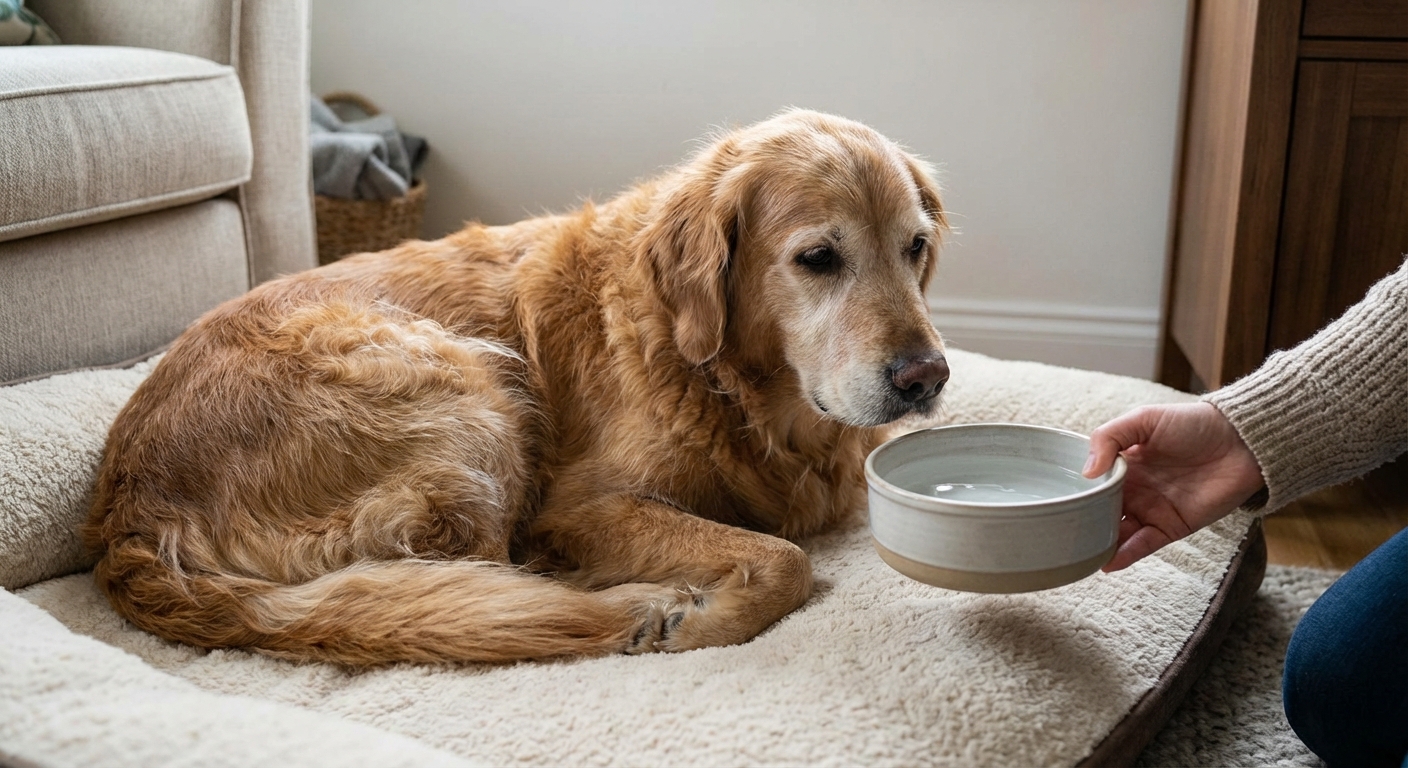
Diarrhea pulls water and electrolytes out of the body. Even if your dog seems okay, dehydration can sneak up on you.
Simple hydration support
- Fresh water, always available. Encourage small, frequent sips if your dog is hesitant.
- Ice chips can help some dogs drink more slowly.
- Low-sodium broth (plain, no onion or garlic powder) can be offered in small amounts to entice drinking.
A note about electrolyte drinks: Many human sports drinks are too sugary for dogs. If you are worried about hydration, call your vet for guidance rather than guessing.
Step 2: Rest the gut
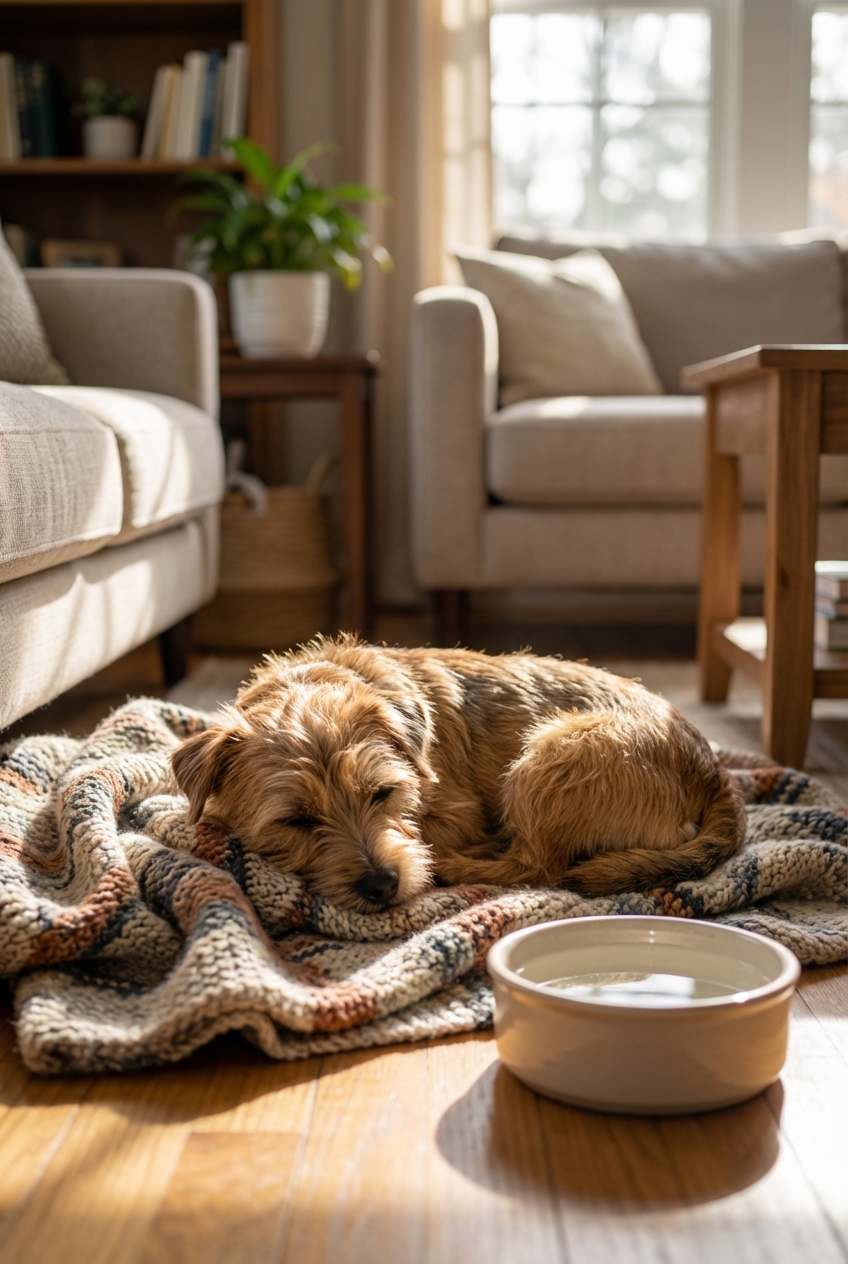
For healthy adult dogs with mild diarrhea and no vomiting, some veterinarians may recommend a short food break (often around 8 to 12 hours). Other veterinarians prefer skipping fasting and going straight to small, frequent bland meals. If you are unsure, a quick call to your clinic can help you choose the safest plan for your dog.
- Do not fast puppies, toy breeds prone to low blood sugar, or dogs with diabetes unless your vet tells you to.
- If your dog is vomiting, the timing of fasting and reintroducing food should be guided by your veterinarian.
Step 3: Feed a bland diet
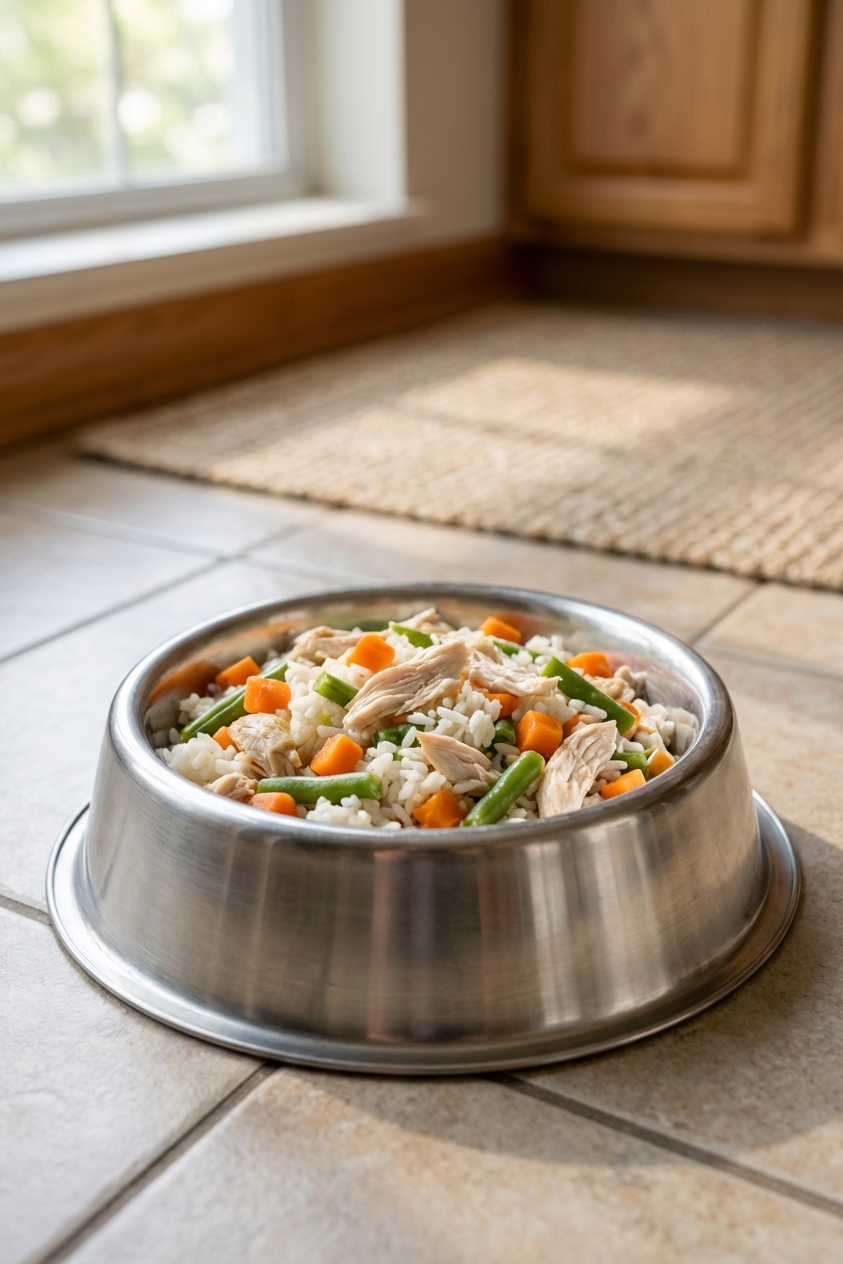
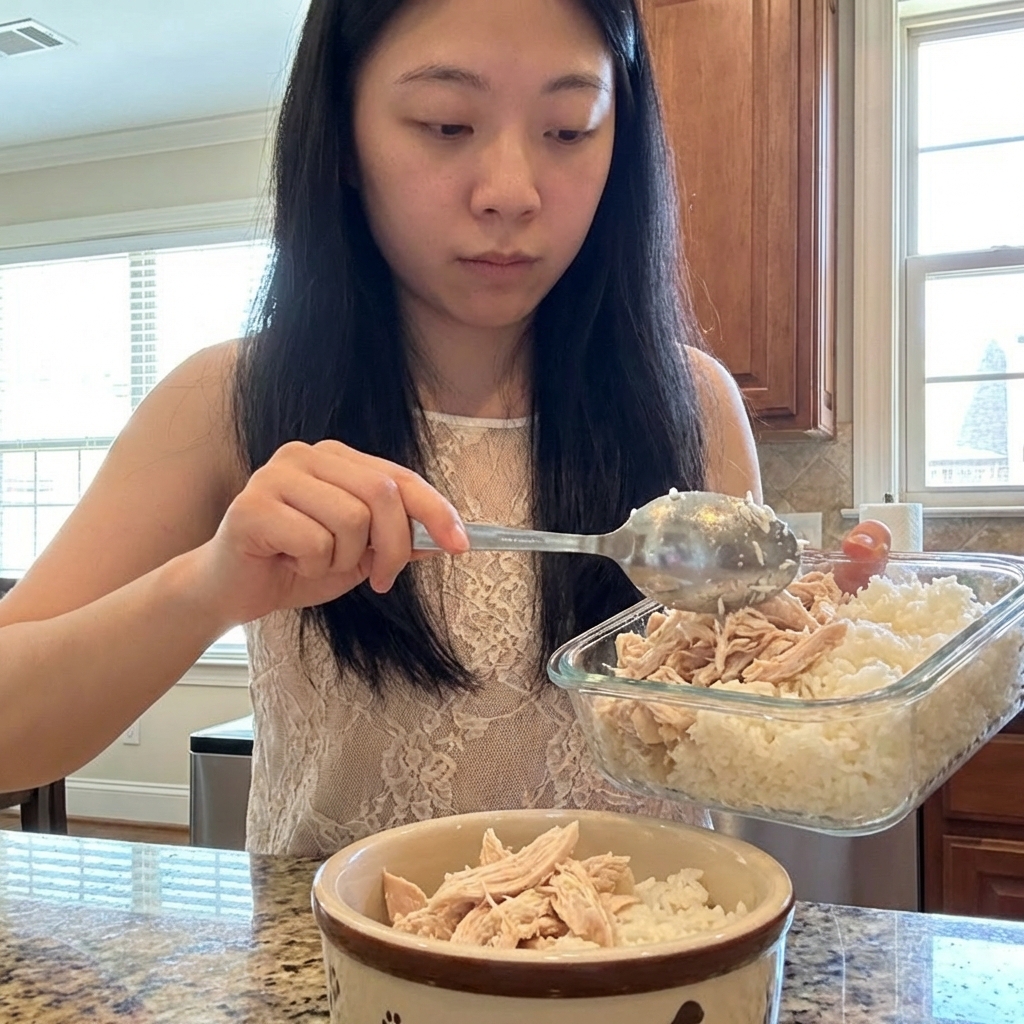
Once your dog is stable and interested in eating, a bland diet is one of the most evidence-supported home tools we use in practice. The goal is easy-to-digest protein plus a simple carbohydrate, served in small portions.
Bland meal options
- Boiled skinless chicken breast plus plain white rice
- Lean ground turkey (cooked, drained) plus white rice
- Boiled lean hamburger (well-drained) plus white rice
Serving tip: Offer small meals, about 3 to 6 times a day, instead of one or two large meals. This keeps the gut calmer.
How long to feed bland
Commonly 2 to 3 days, then slowly transition back to normal food over several days. A sudden jump back to a rich diet can restart the problem.
Natural add-ons
These gentle options can support stool quality while your dog’s intestinal lining recovers. Choose one at a time so you can tell what helps.
Plain canned pumpkin
Pumpkin contains both soluble and insoluble fiber. In many dogs, a small amount helps firm up stool by holding onto water. In some dogs, too much fiber can worsen gas or diarrhea, so start low and adjust.
- Small dogs: 1 to 2 teaspoons
- Medium dogs: 1 to 2 tablespoons
- Large dogs: 2 to 4 tablespoons
Mix into the bland diet. If stool gets worse, stop and call your veterinarian.
Probiotics made for dogs
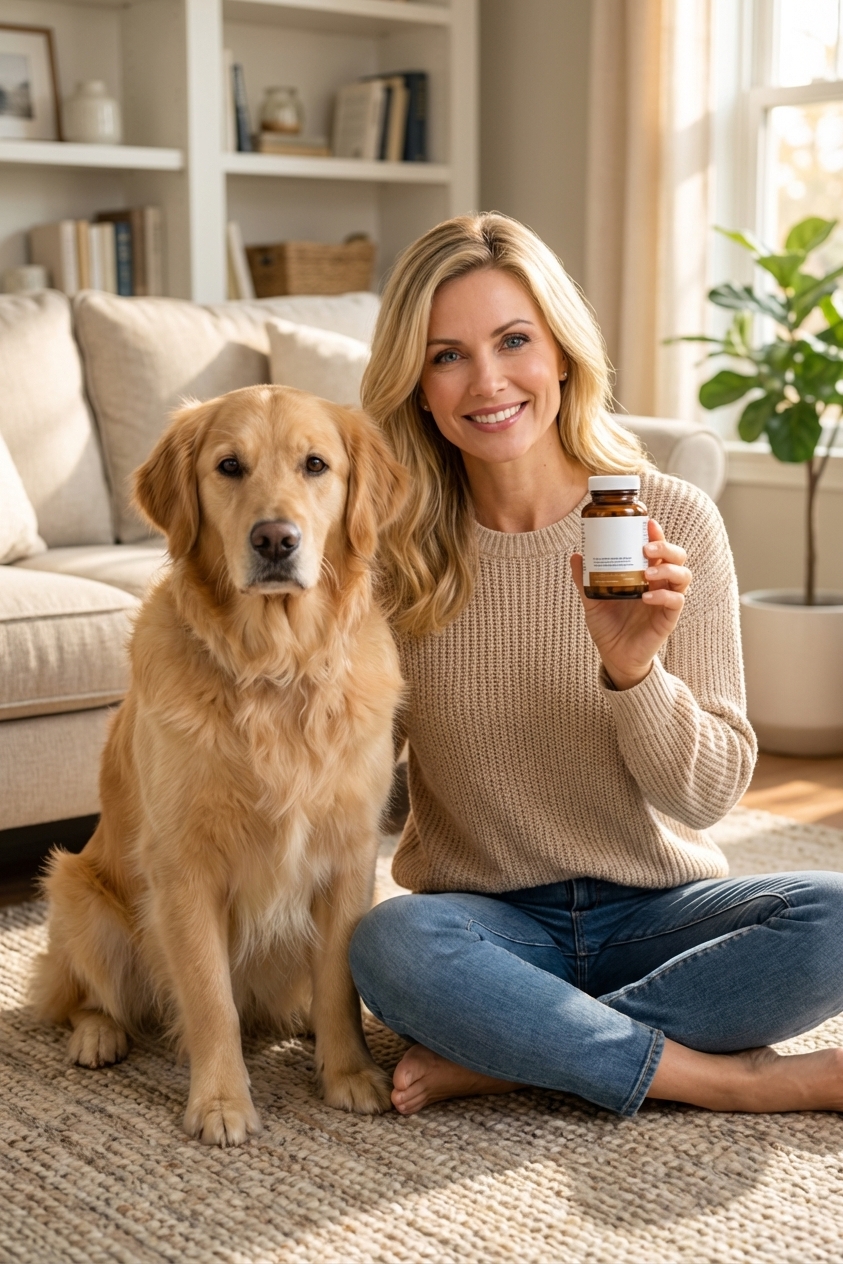
A quality canine probiotic can help restore a healthier balance in the gut, especially after stress, diet change, or antibiotics. Look for a product labeled for dogs with clear storage instructions and a published CFU count.
Tip: If your dog is immunocompromised or very sick, ask your vet before starting probiotics. Many clinics also carry vet-approved options (including prescription-strength products) if you want something specific and reliable.
Plain, unsweetened yogurt (optional)
Some dogs tolerate a spoonful of plain yogurt, but others get worse due to lactose sensitivity. Also, many yogurt products are not formulated for dogs and may contain added sugar or sweeteners. If you try it, keep it tiny, use only plain and unsweetened yogurt, and confirm it contains no xylitol. Stop if stool worsens.
What to avoid
When a dog’s gut is irritated, “extra” ingredients often backfire. During recovery, avoid:
- Fatty foods (bacon, greasy meat, rich treats)
- Dairy (unless you know your dog tolerates it well)
- New treats, chews, and bones
- High-fiber overload (too much pumpkin or lots of raw veggies)
- Human anti-diarrhea medications unless a veterinarian specifically instructs you to use them
- Toxic ingredients like onions, chives, and anything containing xylitol
With diarrhea, simple is powerful. The more “creative” we get with ingredients, the harder it is to calm the gut and identify triggers.
Monitor at home
Good observation is part of good care. Keep notes for 24 to 48 hours so you can report clear details if you need to call your vet.
Track these basics
- Stool frequency (how often)
- Stool appearance (watery, pudding-like, soft-formed)
- Mucus or blood
- Energy level (normal, quieter, lethargic)
- Appetite and thirst
- Vomiting (yes or no)
- Possible cause (new food, trash, stress event)
If you can safely bring a fresh stool sample to your vet, that can be extremely helpful for parasite testing.
Prevent it next time
Some diarrhea happens once and never returns. If your dog has a sensitive stomach, these habits can really help:
- Transition foods slowly over 7 to 10 days
- Limit rich treats and keep a consistent treat brand
- Use a probiotic during predictable stress (boarding, travel) if your vet agrees
- Keep trash secured and supervise outdoor scavenging
- Routine parasite prevention and regular fecal testing, especially for social dogs
- Consider a food sensitivity workup if diarrhea is recurrent
Simple 24-hour plan
If your adult dog has mild diarrhea and otherwise seems normal, here is a simple approach you can try:
- Hours 0 to 8: Water access, rest, no rich treats. Consider a short food break if your vet recommends it, or start small bland meals if fasting is not a good fit.
- Hours 8 to 24: Bland meals in small portions. Add a small amount of plain pumpkin if needed.
- At any point: If symptoms worsen, blood appears, vomiting starts, diarrhea becomes profuse, or your dog seems painful or lethargic, call your vet.
Also, if diarrhea continues past 24 hours, returns repeatedly, or lasts more than 2 to 3 days even if your dog seems okay, it deserves a veterinary workup.
Most importantly, do not feel guilty if you need professional help. Diarrhea is common, but it can turn serious quickly in the wrong situation. You know your dog best.