Turn chicken and rice into a more balanced homemade dog meal with veggies, calcium carbonate, and omega-3s. Includes gram weights, portion guidance, swaps, a...
Article
•
Designer Mixes
Treating Diarrhea in Dogs: Facts Every Owner Should Know

Shari Shidate
Designer Mixes contributor
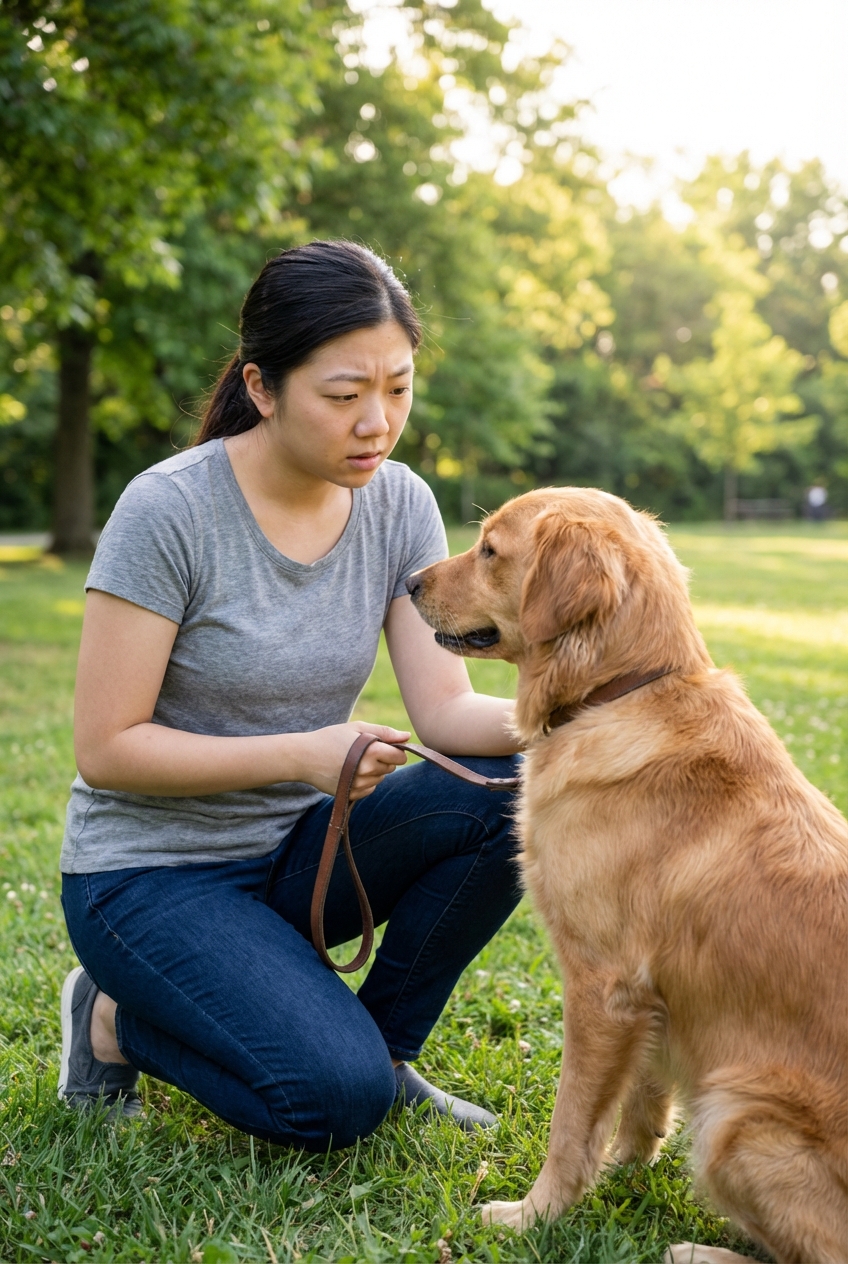
Diarrhea is one of the most common reasons pet parents call a clinic, and I totally get why. It can be messy, stressful, and it leaves you wondering, “Is this a simple tummy upset… or an emergency?” The good news is that many cases are mild and short-lived. The important part is knowing what to do at home, what not to do, and when to get your vet involved.
What counts as diarrhea?
Diarrhea means stool is looser than normal, more frequent than normal, or both. It can show up in a few different ways:
- Large-volume watery stool (can suggest a small intestine issue, but overlap is common)
- Frequent small amounts with urgency or straining (can suggest a large intestine issue)
- Mucus (common with colon irritation)
- Blood, either bright red or dark and tar-like
In general, small bowel diarrhea tends to be larger volume and less frequent, while large bowel diarrhea is often more frequent with urgency, mucus, and sometimes bright red blood. But dogs do not always read the textbook, so look at the whole picture.
One soft stool after a new treat is not always a crisis. But repeated watery stool, blood, vomiting, weakness, or dehydration can become serious fast, especially in small dogs and puppies.
Common causes
Diarrhea is a symptom, not a diagnosis. Here are the most common culprits vets see in clinic:
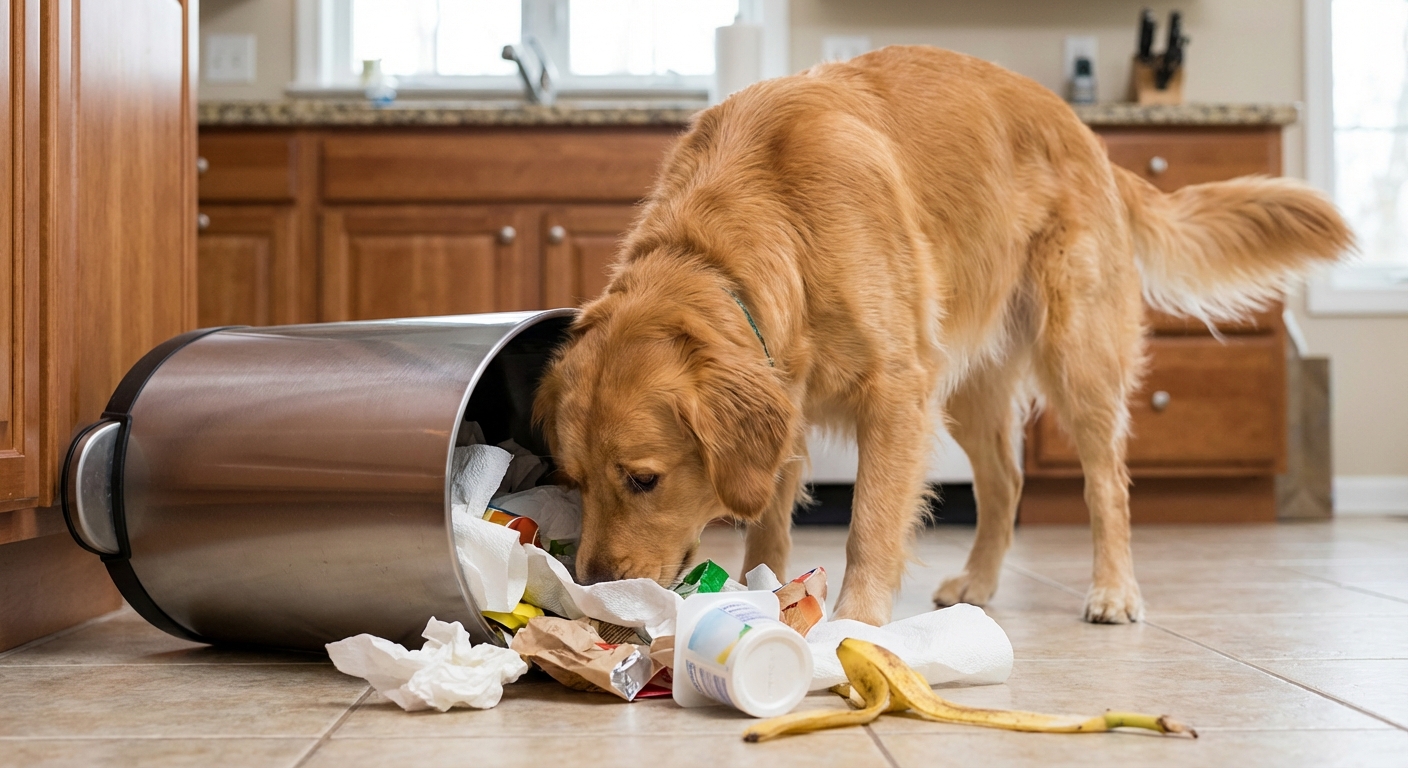
- Diet changes (new food, rich treats, table scraps, getting into the trash)
- Food intolerance (a specific ingredient does not agree with your dog)
- Stress (boarding, guests, travel, schedule changes)
- Parasites (giardia, roundworms, hookworms, whipworms)
- Infections (viral or bacterial, especially after exposure to other dogs)
- Medications (some antibiotics and NSAIDs can irritate the gut)
- Pancreatitis (often triggered by high-fat foods)
- Underlying illness (IBD, endocrine disease, liver or kidney issues)
At-home care for mild diarrhea
If your dog is bright, drinking, and otherwise acting normal, you can often start with gentle supportive care. These steps are widely recommended by veterinarians for uncomplicated cases, but when in doubt, call your clinic first.
1) Pause the extras
Stop all treats, chews, table scraps, and rich add-ons for a few days. Many mild episodes improve just by removing the “bonus foods.”
2) Hydration first
Diarrhea can lead to fluid loss, and sometimes electrolyte loss, especially if it is frequent or watery. Keep fresh water available at all times. If your dog is willing, offer small frequent sips.
- If your dog will not drink, cannot keep water down, seems weak, or has dry or tacky gums, contact your veterinarian.
- Keep in mind: dehydration can still happen even when water is offered, if your dog is losing more than they take in.
3) Try a short bland diet
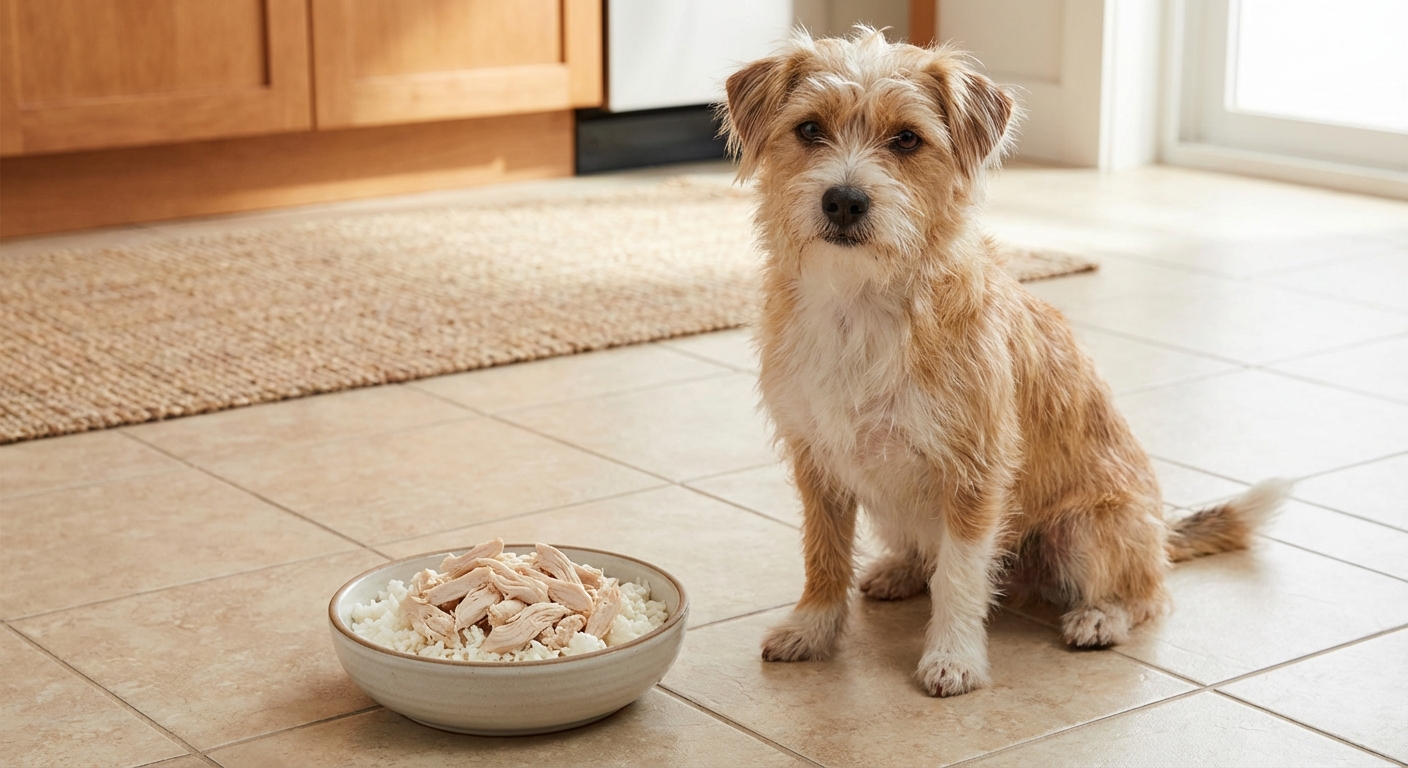
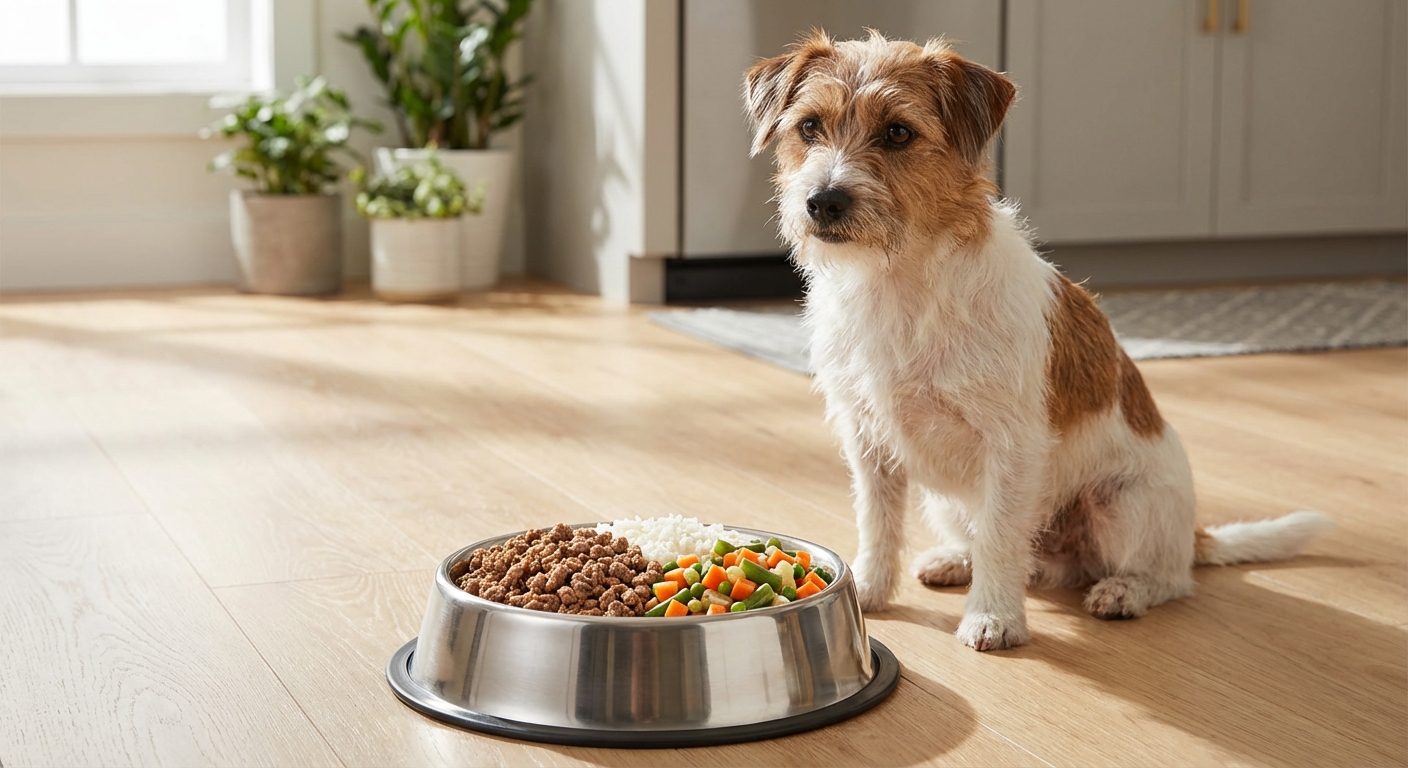
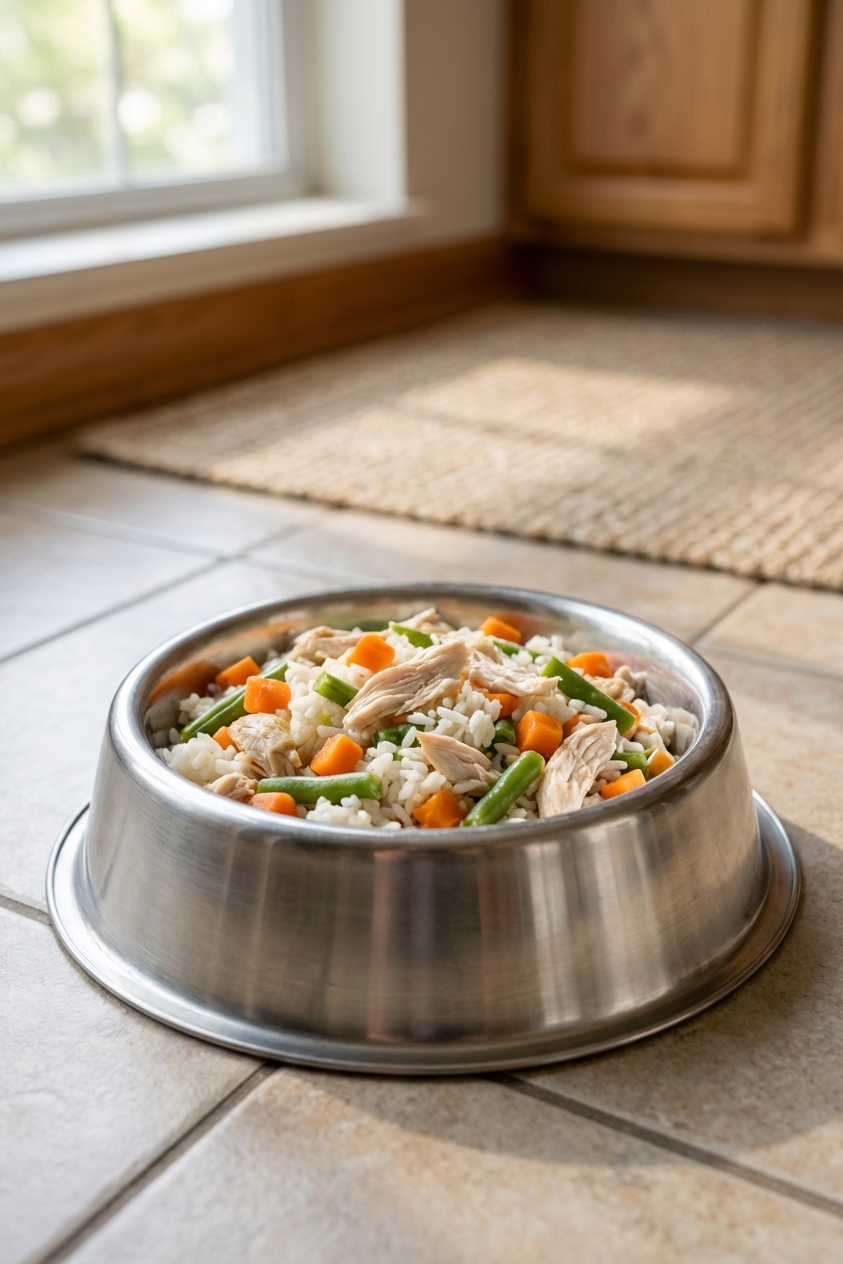
A bland diet can give the gut a break while still providing fuel. A classic option is boiled skinless chicken breast with plain white rice. Another option some dogs do well with is lean ground turkey with rice.
If you want a simple starting point, many vets use about a 2:1 ratio of rice to lean meat by volume. Feed small meals 3 to 4 times per day for 24 to 48 hours. Avoid overfeeding, which can keep diarrhea going. If you are unsure how much to give for your dog’s size, your clinic can help you choose a safe amount.
As stools improve, transition gradually back to the normal diet over several days.
4) Use probiotics made for dogs
Veterinary probiotics can help support a healthier gut microbiome, especially when diarrhea is linked to stress or a minor dietary slip. Look for products designed for pets and follow the label dosing, or ask your vet what they recommend.
5) Fasting is optional
Some adult dogs may benefit from a brief fasting period (often 8 to 12 hours) followed by a bland diet. That said, fasting is debated, and many vets skip fasting and start small bland meals right away.
Do not fast puppies, toy breeds, seniors, or dogs with medical conditions without veterinary guidance. They can become hypoglycemic or dehydrated more quickly.
6) Track a few basics
While you are managing a mild case at home, keep notes on:
- How many diarrhea episodes happen, and whether they are improving or worsening
- Any vomiting and whether your dog can keep water down
- Energy level and appetite
- Urination (normal amount, less than usual, or none)
- Gum moisture (moist vs tacky or dry)
What not to do
- Do not give human anti-diarrheal medication (like loperamide or bismuth) unless your veterinarian specifically directs you. These can be unsafe for certain dogs, certain causes of diarrhea, and certain breeds. Loperamide can be dangerous for some herding breeds with the MDR1 gene mutation (like Collies, Aussies, and Shelties). Bismuth can also darken stool and make it harder to spot true black, tar-like stool.
- Do not switch foods repeatedly in a panic. Rapid changes can keep the cycle going.
- Do not ignore possible toxin exposure (xylitol, grapes, raisins, rodent bait, human medications). If there is any chance your dog ingested something toxic, call your vet or a pet poison hotline immediately.
- Do not offer bones or risky chews “to settle the stomach.” They can worsen GI upset and can be a foreign body risk.
When to call the vet urgently
Call your veterinarian the same day, or go to an emergency clinic, if you notice any of the following:
- Blood in the stool (more than a tiny streak), or stool that is black and tar-like
- Vomiting along with diarrhea
- Lethargy, collapse, weakness, or pale gums
- Refusing water or signs of dehydration (dry gums, sunken eyes)
- Puppy or unvaccinated dog with diarrhea
- Known or suspected foreign body (chewed toy, socks, bones)
- Diarrhea lasting more than 24 to 48 hours even if mild (contact your regular vet for guidance; for very young or very small dogs, call sooner)
- History of pancreatitis, Addison’s disease, kidney disease, diabetes, or other chronic illness
What to share with your vet
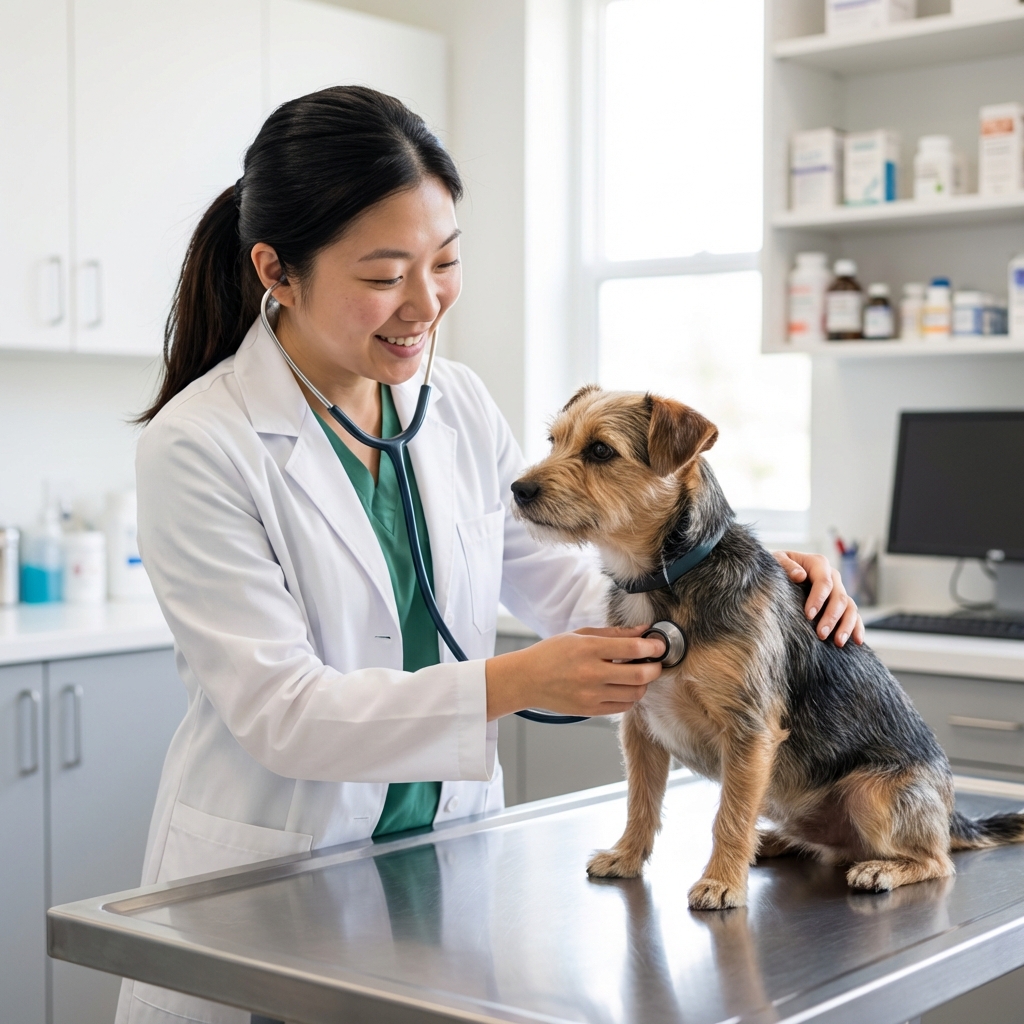
If you are calling or heading in, a few details can really help your clinic triage your dog faster:
- When it started and how many episodes so far
- Stool appearance (watery vs pudding-like, mucus, bright red blood, black stool)
- Any vomiting, reduced appetite, or behavior changes
- Diet changes, new treats, chews, or trash access
- Exposure to other dogs (daycare, boarding, dog park)
- Parasite prevention status and last fecal test (if you know)
- Any chance of toxin exposure or foreign body chewing
- A clear photo of the stool, if you can get one
What your vet may do
If your dog needs to be seen, your veterinarian may recommend tests based on age, symptoms, and risk factors. Common next steps include:
- Fecal testing for parasites like giardia and worms
- Parvo testing for puppies or higher-risk dogs (vaccinated puppies are less likely, but it can still be considered based on symptoms and exposure)
- Bloodwork to check hydration status, infection, pancreatitis, and organ function
- X-rays or ultrasound if a foreign object is suspected
- Prescription GI diet, probiotics, deworming, or targeted medications depending on the cause
One helpful tip: bring a fresh stool sample if you can. It saves time and can speed up the path to answers.
When it is not “just a bug”
If diarrhea is chronic (lasting weeks), recurrent (keeps coming back), or paired with weight loss, decreased appetite, or ongoing vomiting, schedule a non-emergency vet visit even if your dog still seems perky. Chronic GI signs are worth a deeper look.
Preventing future flare-ups
Not all diarrhea is preventable, but you can reduce the odds with a few steady habits:
- Transition foods slowly over 7 to 10 days
- Limit rich treats and avoid fatty table scraps
- Keep trash secured and supervise chews and toys
- Use year-round parasite prevention recommended by your vet
- Schedule routine fecal testing, especially for dogs who visit parks or daycare
- Support gut health with vet-approved probiotics during stressful times
And if you are working toward a more whole-food diet, go slowly. The gut needs time to adjust, and a gradual transition is one of the kindest things you can do for your dog’s digestive system.
Quick checklist
- Is my dog acting normal and still drinking?
- Is there vomiting, blood, black stool, or severe lethargy?
- Could my dog have eaten something unsafe?
- Can I pause treats and start a bland diet for 24 to 48 hours?
- Do I need to call my vet now based on red flags?
If your gut is telling you this is not “just a tummy bug,” trust that instinct and call your veterinarian. It is always okay to ask.