Vet-informed guide to a short-term bland diet for dogs: chicken and rice 1:2 ratio, daily cup ranges by weight, how many meals to split into, and red flags t...
Article
•
Designer Mixes
Treating Diarrhea in Dogs

Shari Shidate
Designer Mixes contributor
Diarrhea is one of the most common reasons dog parents call their vet. The good news is that many mild cases get better quickly with the right home care. The important part is knowing when it is safe to manage at home and when diarrhea is a true emergency.
First, a quick safety check
Before you change food or try any home remedies, take a moment to scan for red flags. These symptoms can point to dehydration, infection, pancreatitis, toxin exposure, intestinal blockage, or other problems that need professional care.
Call your vet right away if you notice:
- Blood in stool (bright red streaks or black, tarry stool)
- Repeated vomiting, or your dog cannot keep water down
- Signs of dehydration: tacky gums, sunken eyes, weakness, reduced urination, skin that stays “tented” when gently lifted
- Severe lethargy, collapse, pale gums, or obvious belly pain
- Diarrhea in a puppy, senior dog, or a dog with chronic illness (kidney disease, diabetes, Addison’s, cancer)
- Diarrhea that is not improving: more than about 24 hours in puppies and seniors, or more than about 48 hours in otherwise healthy adult dogs
- Possible toxin exposure (garbage, compost, medications, xylitol, THC, antifreeze, grapes/raisins)
- Suspected foreign body (toy pieces, socks, corn cobs) or straining with little stool
If none of those apply and your dog is bright, drinking, and acting mostly normal, you can often start with gentle home care while you keep a close eye on progress.
Common causes
Diarrhea is a symptom, not a diagnosis. It can be as simple as “I ate something weird,” or it can be the first sign of a bigger medical issue.
- Dietary indiscretion: trash snacks, rich treats, table scraps, fatty foods
- Sudden diet change (switching foods too quickly)
- Stress: travel, boarding, new baby, thunderstorms
- Parasites: giardia, hookworms, roundworms, whipworms
- Viral or bacterial infections
- Dysbiosis (an imbalance of normal gut bacteria)
- Food intolerance or allergies
- Pancreatitis (often linked to fatty meals)
- Chronic gut disease: inflammatory bowel disease and other conditions
Fun fact: Your dog’s intestines are lined with tiny finger-like structures called villi. When the gut is irritated, it can absorb less and move things along faster. It can also pull extra fluid into the intestines. That combination is one reason stools can turn loose quickly.
Home care for mild diarrhea
If your dog is otherwise acting normal, these steps are commonly recommended by veterinary teams for short-term support. When in doubt, call your clinic. I would always rather answer a “maybe silly” question than have a dog get sicker at home.
1) Hydration first
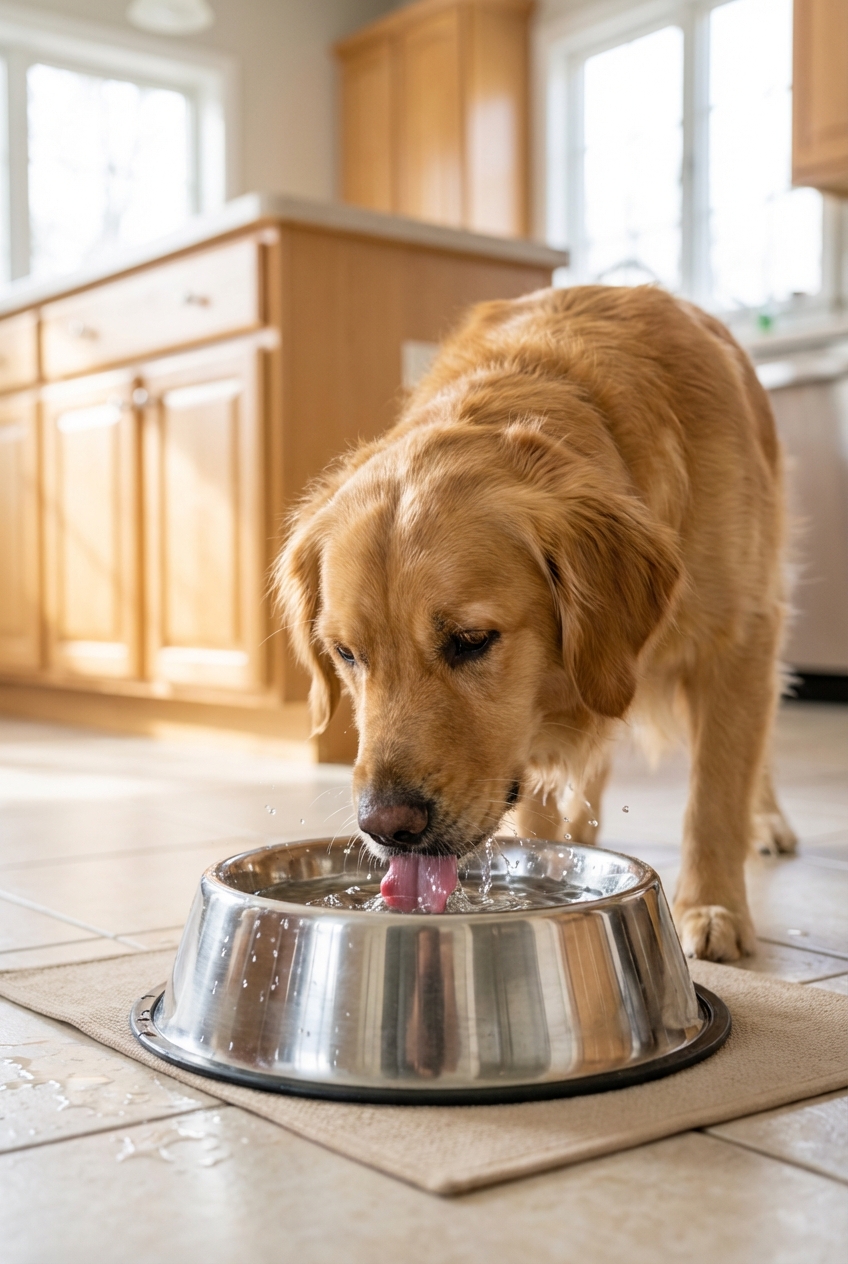
Loose stool pulls water and electrolytes out of the body. Encourage frequent drinking. Fresh, cool water is perfect.
- Offer small amounts of water more often, especially if your dog gulps.
- You can ask your vet if an unflavored electrolyte solution is appropriate for your dog.
- Skip salty broths unless your veterinarian advises it, since sodium needs vary by health condition.
- If your dog will not drink, is peeing much less than normal, or seems weak, call your vet.
2) Gut rest only if your vet says it is okay
Many vets may recommend a brief fast for a healthy adult dog with uncomplicated diarrhea, but this is not appropriate for every dog. Puppies, tiny dogs, diabetics, seniors, and dogs with certain conditions should not fast.
3) Bland diet for 24 to 48 hours
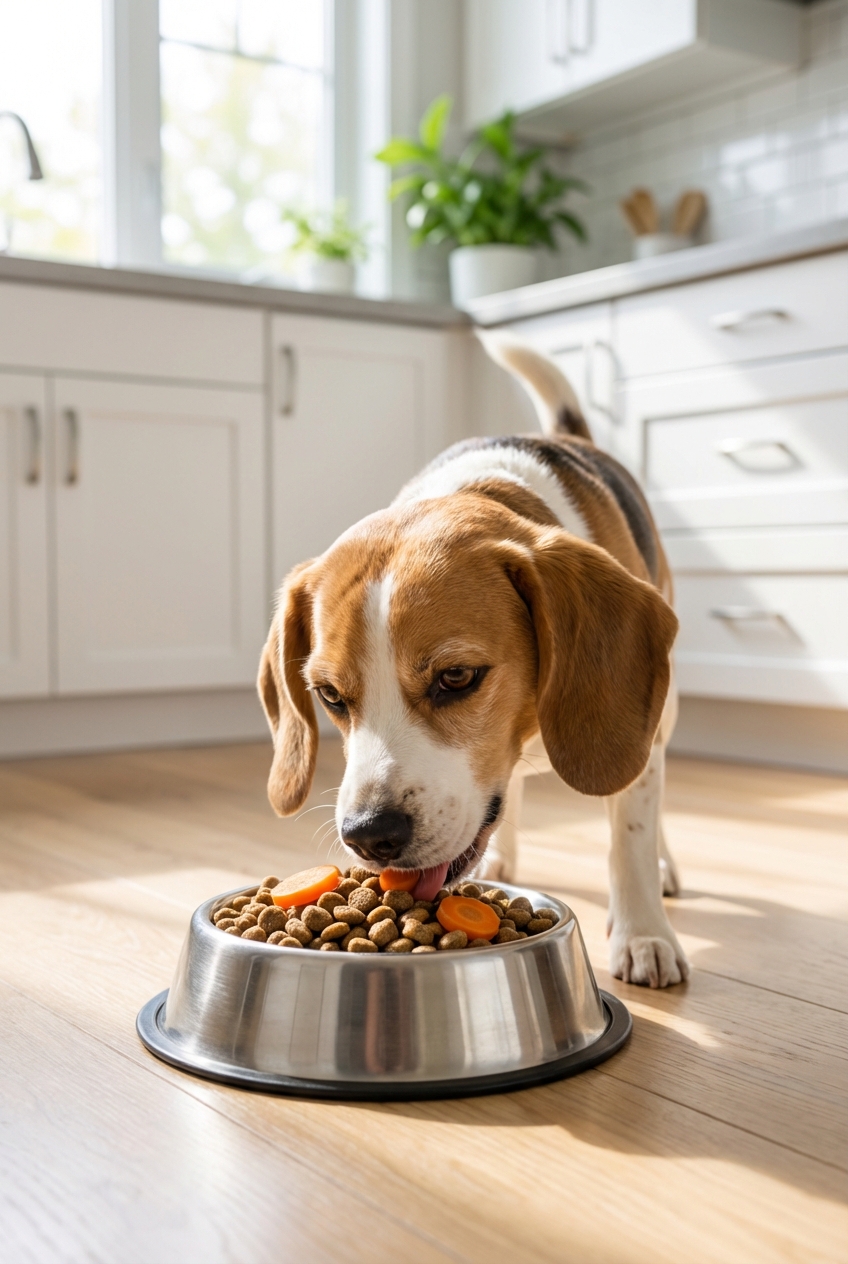
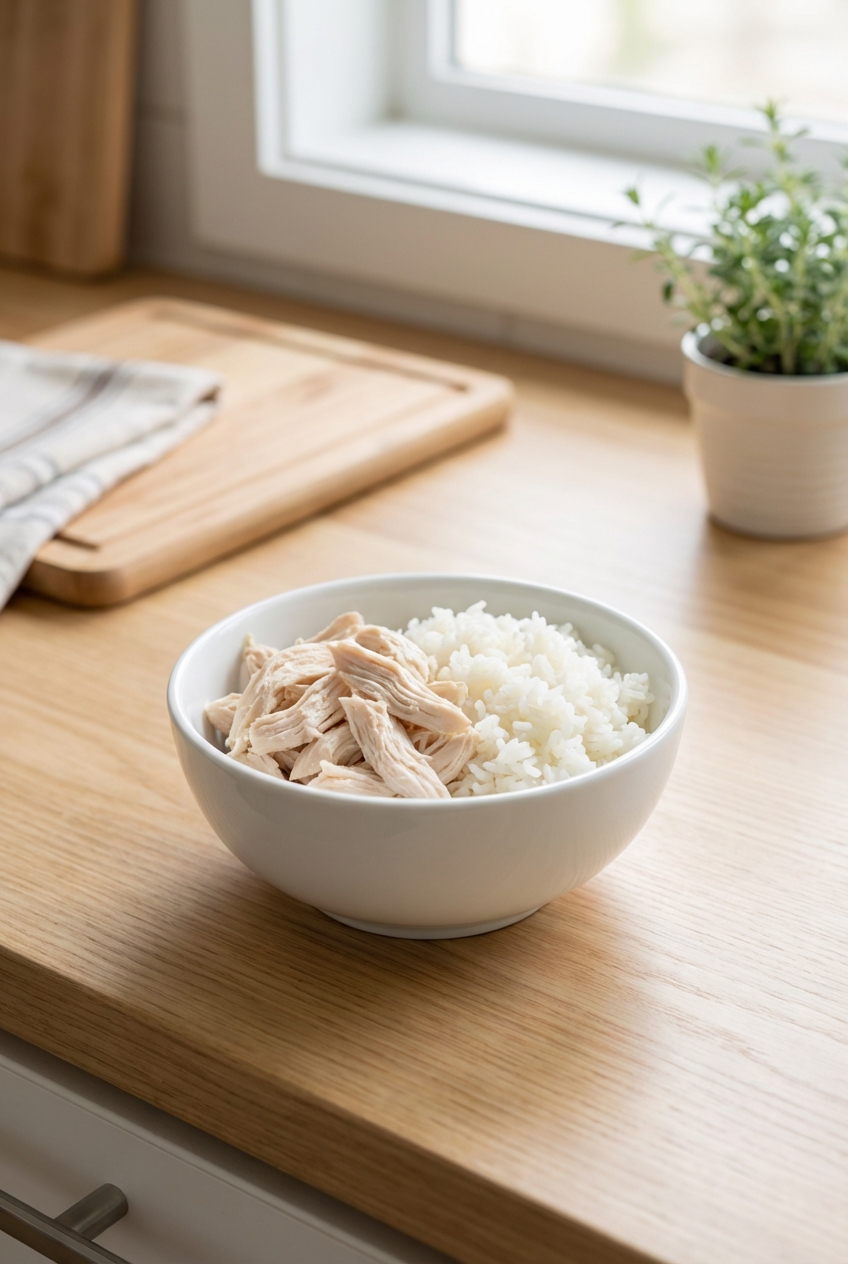
Bland food gives the GI tract a break while still providing calories. This is meant to be short-term only, not a complete long-term diet.
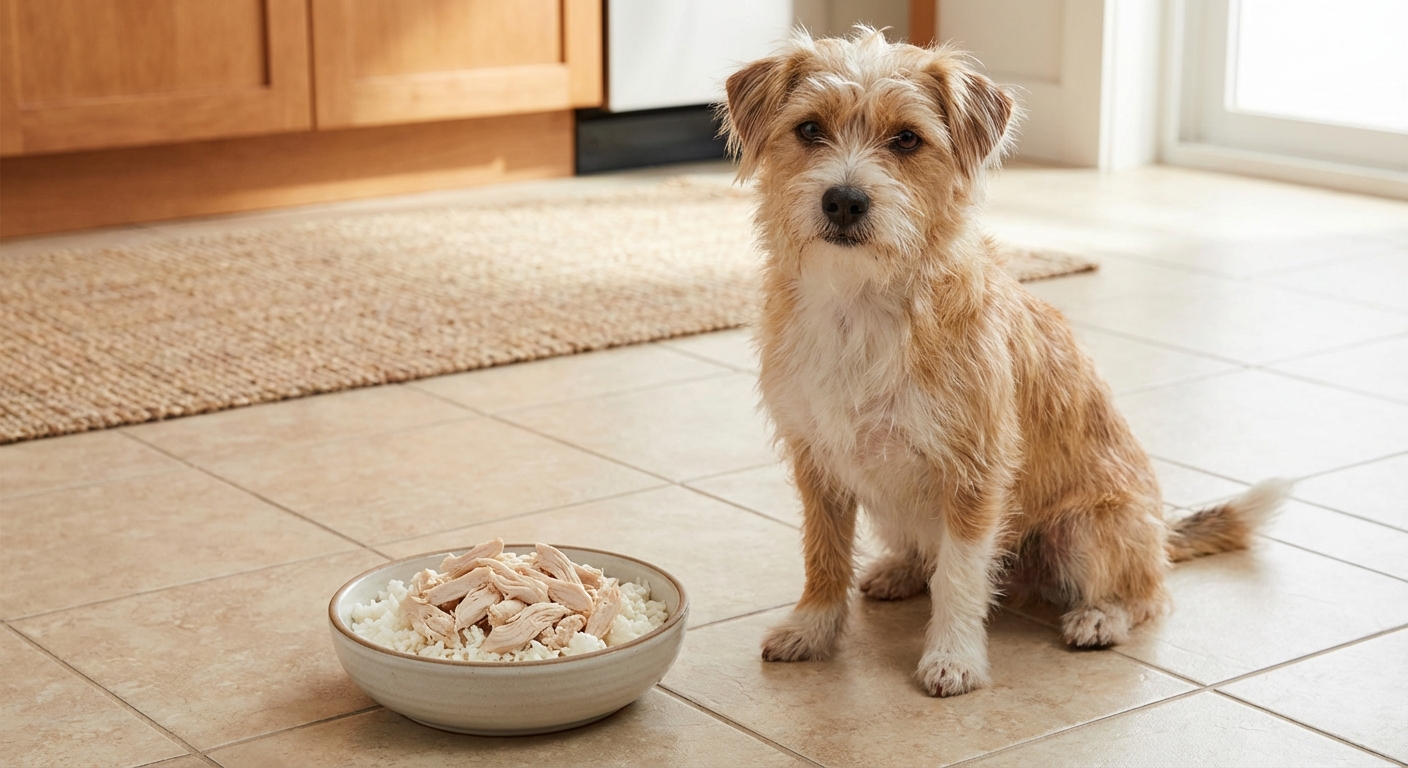
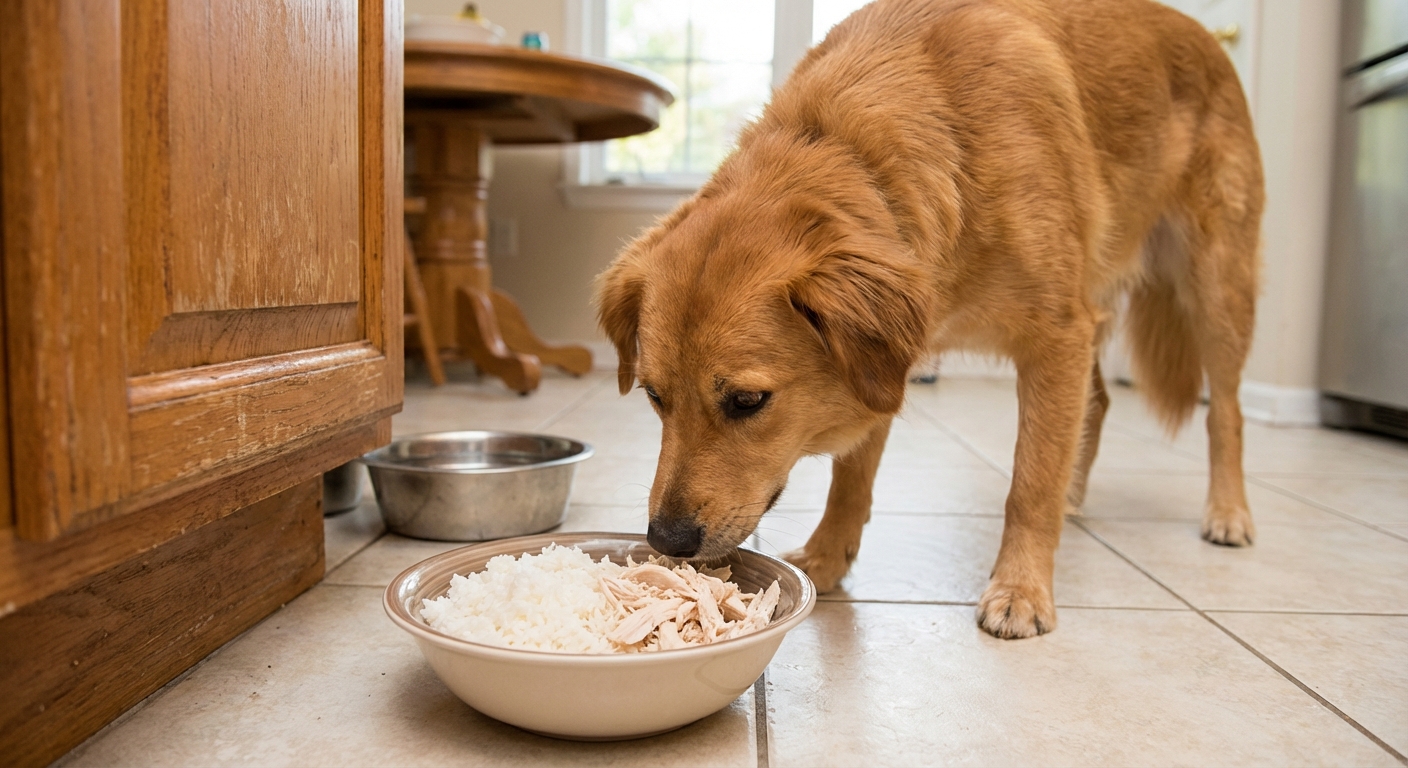
- Classic option: boiled skinless chicken breast plus plain white rice
- Other gentle proteins: boiled turkey, very lean ground beef (drained well)
- Portion tip: smaller meals (3 to 4 per day) are often easier on the gut than one or two big meals
Fun fact: White rice is often used short-term because it is low fiber and easy to digest. Once stools improve, you can transition back to your dog’s normal balanced food gradually.
4) Add fiber if recommended
Fiber can help some dogs by absorbing extra water and supporting healthier stool formation.
- Plain canned pumpkin (not pie filling) is a common vet-approved option.
- Start small. Too much can cause gas or worsen stool in some dogs.
5) Consider a veterinary probiotic
Evidence supports some probiotic strains and products for acute diarrhea, especially stress-related or mild cases. Choose a product made for pets and follow label directions. If you are not sure which one to use, ask your vet for a specific recommendation. If your dog is immunocompromised, ask your vet before using any probiotic.
6) Keep things calm
Stress affects the gut through the gut-brain connection. Keep exercise light, stick to routine, and skip new treats for now.
What not to do
- Do not give human anti-diarrheal meds unless your veterinarian specifically tells you to. This includes loperamide (Imodium). It can be risky for some dogs, especially herding breeds and mixes with the MDR1 gene mutation, and it can also mask serious disease.
- Avoid rich foods like bacon, sausage, fried foods, cheese-heavy snacks, or greasy leftovers.
- Do not switch diets repeatedly while your dog’s gut is upset. Too many changes can prolong diarrhea.
- Do not ignore “mostly normal” behavior if diarrhea continues. Dogs are talented at acting okay until they are not.
Small vs large bowel clues
If you end up calling your vet, these details can help you describe what is going on:
- Large bowel diarrhea often means frequent small amounts, urgency, straining, and mucus. You may see bright red blood.
- Small bowel diarrhea is more likely to be larger volumes a few times a day. Stool may look watery, and you might notice weight loss if it is ongoing.
There is overlap, and either type can be serious if your dog seems unwell or symptoms persist.
Signs of improvement
I always tell pet parents to track three things: water intake, energy level, and poop quality. Improvement is usually gradual.
- Stool: less frequent, more formed, less urgent
- Energy: brighter attitude, normal interest in walks and family
- Appetite: eating small meals willingly, no nausea signs (lip licking, gulping, drooling)
If you are not seeing clear improvement within 24 to 48 hours, it is time to contact your veterinarian.
Transition back to normal food
Once stools are improving, transition slowly back to your dog’s regular balanced diet over 2 to 3 days. Mix a little more regular food into the bland diet each day. If diarrhea returns, pause the transition and contact your vet.
When to bring a stool sample
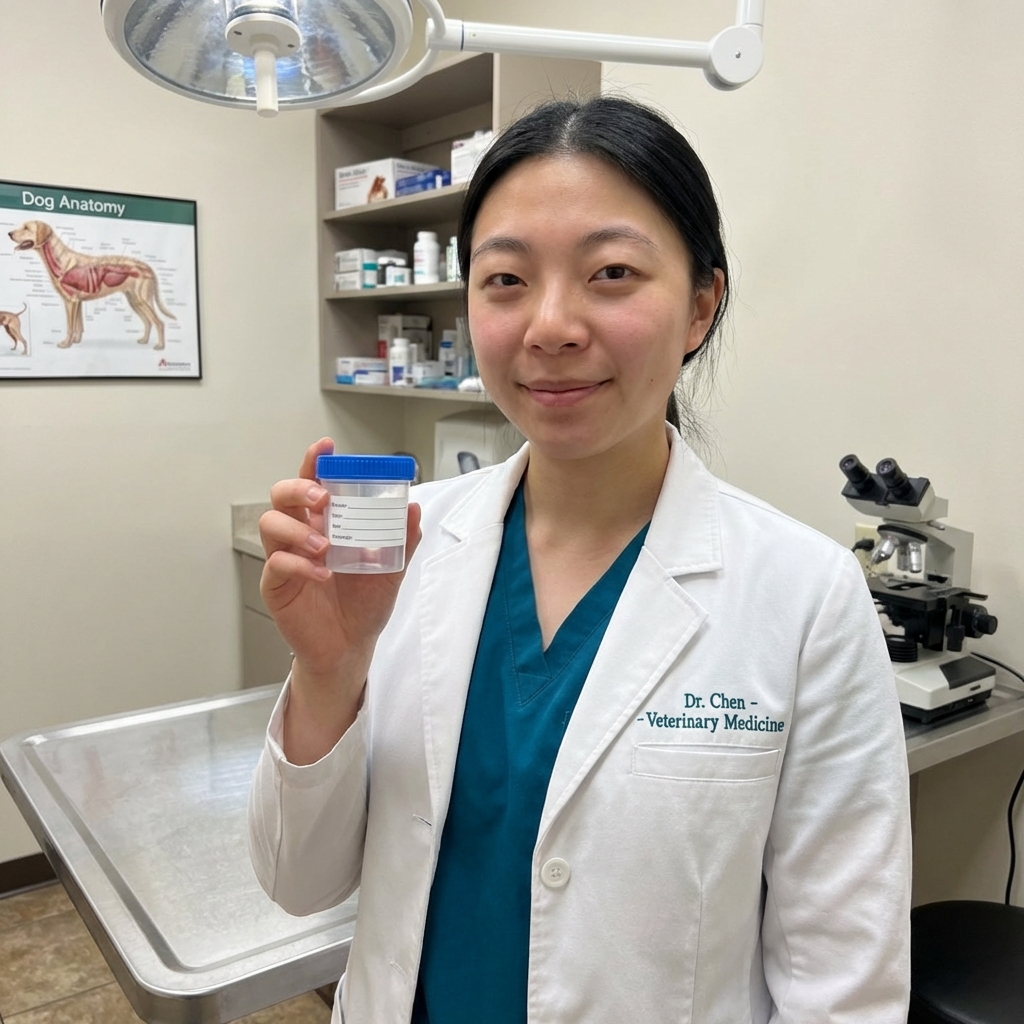
If you end up at the vet, a fresh stool sample can speed up answers. Parasites and giardia are common and treatable, but they require the right medication.
Testing is especially worth considering if your dog has been to a dog park, daycare, boarding, grooming, group training, or has had a new-dog exposure, even if they seem pretty normal otherwise.
- Collect a small sample in a clean bag or container.
- Keep it cool and bring it to your appointment as soon as you can, ideally the same day.
Prevention tips
- Transition foods slowly over 7 to 10 days.
- Keep treats simple and avoid sudden “treat overload,” especially on holidays.
- Use a trash can with a secure lid if your dog is a counter-surfer or scavenger.
- Stay current on parasite prevention and ask your vet which option fits your area and lifestyle.
- Practice safe enrichment: choose chew toys that are size-appropriate and hard to swallow.
Fun fact: Many cases of “mystery diarrhea” are simple garbage gut. Dogs have a powerful nose and a strong opinion about yesterday’s leftovers, even when their stomach disagrees.
At-home checklist
If you are managing mild diarrhea at home, write these down. It helps you and it helps your vet if you need to call.
- How many loose stools in the last 12 hours
- Any blood or mucus
- Vomiting: yes or no, and how often
- Appetite: normal, decreased, or none
- Water intake: normal, increased, decreased
- Urination: normal, decreased, or none
- Energy level: normal, tired, very lethargic
- New foods, treats, chews, or known “oops” moments
My gentle reminder
Diarrhea can look scary, but you are not failing your dog if it happens. Focus on hydration, keep food simple, avoid risky medications, and trust your instincts. If your dog seems off, you see blood, or symptoms linger, call your vet. Early support is usually easier and less expensive than waiting.