Vet-assistant guidance for mild cat diarrhea: fluids, bland meals, cat-specific probiotics, pumpkin, stress tips, hygiene, what to avoid, and when to see you...
Article
•
Designer Mixes
Treating Diarrhea in Cats

Shari Shidate
Designer Mixes contributor
Diarrhea in cats is one of those symptoms that can look “simple” and still turn serious fast. Sometimes it is a minor tummy upset that resolves in a day. Other times it is your cat’s first visible sign of dehydration, parasites, toxin exposure, pancreatitis, or inflammatory bowel disease.
As a veterinary assistant, I like to keep cat diarrhea advice practical and evidence-based: first, protect hydration and the litter box routine. Second, know the red flags that mean “call your vet today.” Third, avoid well-meaning home remedies that can backfire for cats.
Quick note: This article is educational and not a substitute for veterinary diagnosis or treatment.
What counts as diarrhea?
Diarrhea means stools that are softer, unformed, watery, or happening more often than normal. It can show up as:
- Large-bowel diarrhea: frequent small amounts, urgency, mucus, sometimes fresh red blood, and straining.
- Small-bowel diarrhea: larger volume stools, less urgency, possible weight loss, and sometimes vomiting.
Noting which pattern fits your cat helps your veterinarian narrow down the cause.
Common causes owners should know
Cats get diarrhea for many reasons, and more than one can be happening at the same time.
Diet and food changes
- Sudden diet change or too many new treats
- Food intolerance or sensitivity (for example, certain proteins)
- Eating spoiled food, table food, or getting into the trash
Parasites and infections
- Intestinal parasites: roundworms, hookworms, whipworms (less common in cats), tapeworms
- Protozoa: Giardia, Tritrichomonas foetus (especially in young cats and multi-cat homes)
- Gut bacteria changes: sometimes after stress, diet change, or antibiotics
Stress and environment
- Moving, new pets, boarding, or even a change in litter
- Household tension can affect gut motility in sensitive cats
Medications and supplements
- Antibiotics (can disrupt the normal gut balance)
- Some pain medications or other prescriptions can cause GI upset
- New supplements, especially if started suddenly
Foreign material
- Foreign body: eating non-food items can irritate the gut or cause blockage
- Linear foreign body: string, ribbon, yarn, dental floss, and tinsel are classic high-risk items in cats
Medical conditions
- Inflammatory bowel disease
- Hyperthyroidism (common in older cats)
- Pancreatitis
- Liver disease
- Some cancers
First triage: when to call the vet
Diarrhea can become dangerous due to dehydration and electrolyte loss. Contact your veterinarian the same day if you notice any of the following:
- Kittens, seniors, or cats with chronic disease (kidney disease, diabetes, hyperthyroidism)
- Diarrhea plus vomiting, especially repeated episodes
- Blood in the stool (more than a small streak), black tarry stool (digested blood), or stool that is pale or gray and persistent
- Lethargy, weakness, fever, hiding, or painful belly
- Not eating for 24 hours (or much sooner for kittens)
- Signs of dehydration (tacky gums, sunken eyes, very low energy)
- Possible toxin exposure (plants, human meds, essential oils, cleaners, rodent poison)
- Diarrhea lasting more than 24 to 48 hours, even if your cat seems “okay,” or sooner if it is watery and frequent
Rule of thumb: if your cat’s energy is off, appetite is off, or the diarrhea is watery and frequent, it is safer to call your vet than to wait it out.
Home care for mild diarrhea
If your adult cat is bright, alert, still eating some, and the diarrhea is mild and recent, you can support them at home while you monitor closely. If you are unsure, call your veterinary clinic first. Most clinics are happy to help you triage by phone.
Important: Do not withhold food unless your veterinarian specifically tells you to. Cats can develop hepatic lipidosis (fatty liver) if they stop eating, especially overweight cats.
1) Prioritize hydration
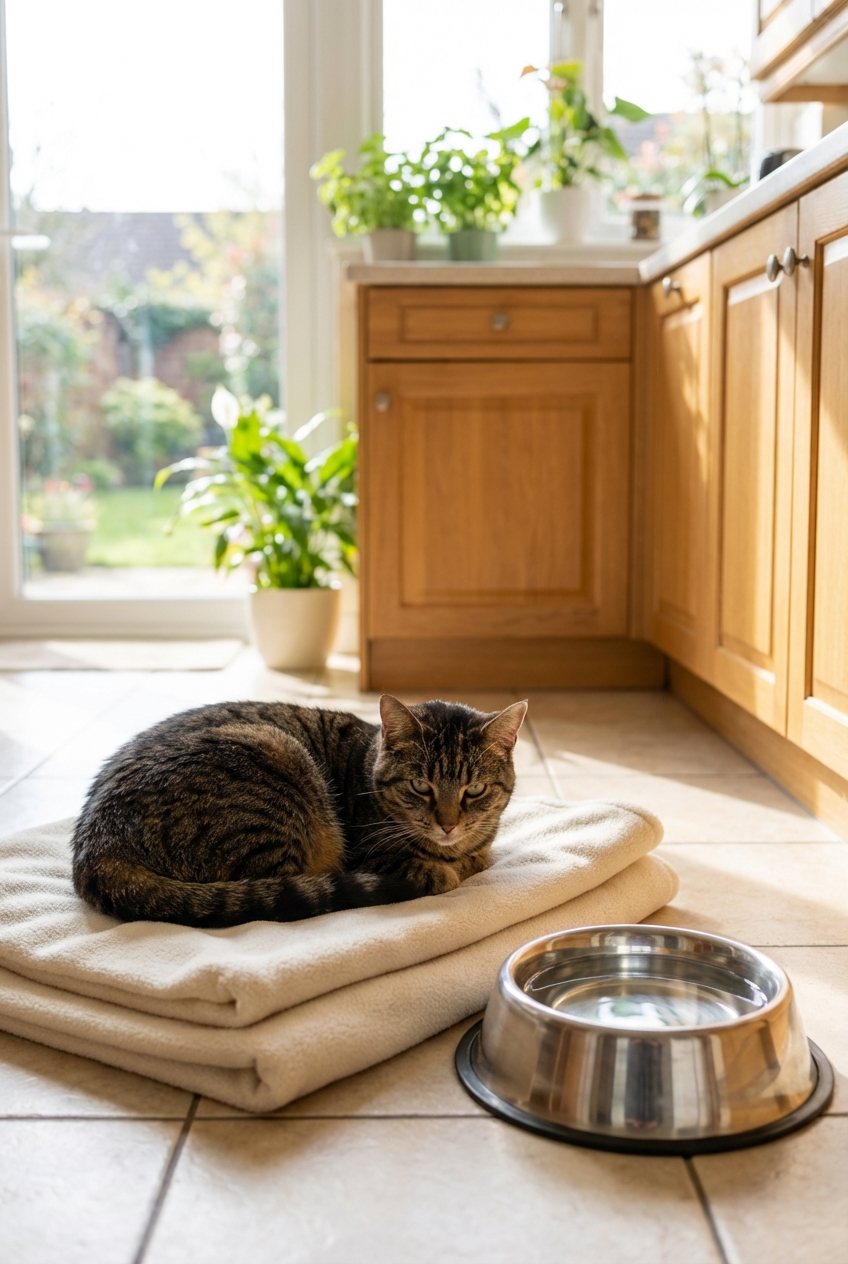
- Provide fresh water in multiple locations.
- Consider a cat water fountain if your cat drinks better from running water.
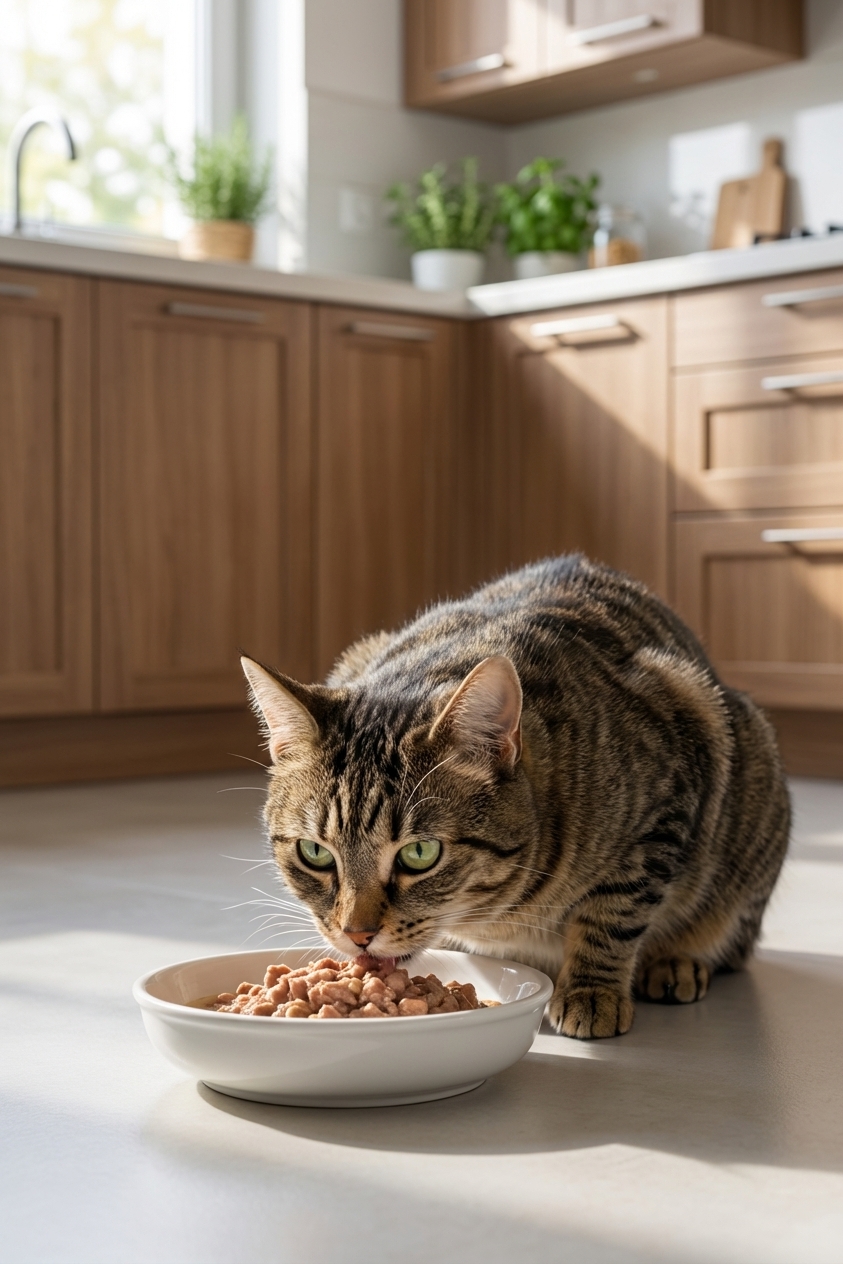
- Offer wet food if your cat will eat it, since it adds fluid.
Avoid forcing water by syringe unless your vet instructs you. Cats can aspirate if stressed or handled incorrectly.
2) Feed a gentle, vet-guided plan
For many cats, the most effective “bland diet” is actually a prescription gastrointestinal diet. Your veterinarian can recommend one based on your cat’s history.
If you do not have access immediately, ask your vet what temporary food is safest for your specific cat. In general, you want:
- Small, frequent meals to reduce gut workload
- No rich treats, dairy, or fatty table scraps
- No sudden food switches unless your vet advises it
3) Ask your vet about cat probiotics
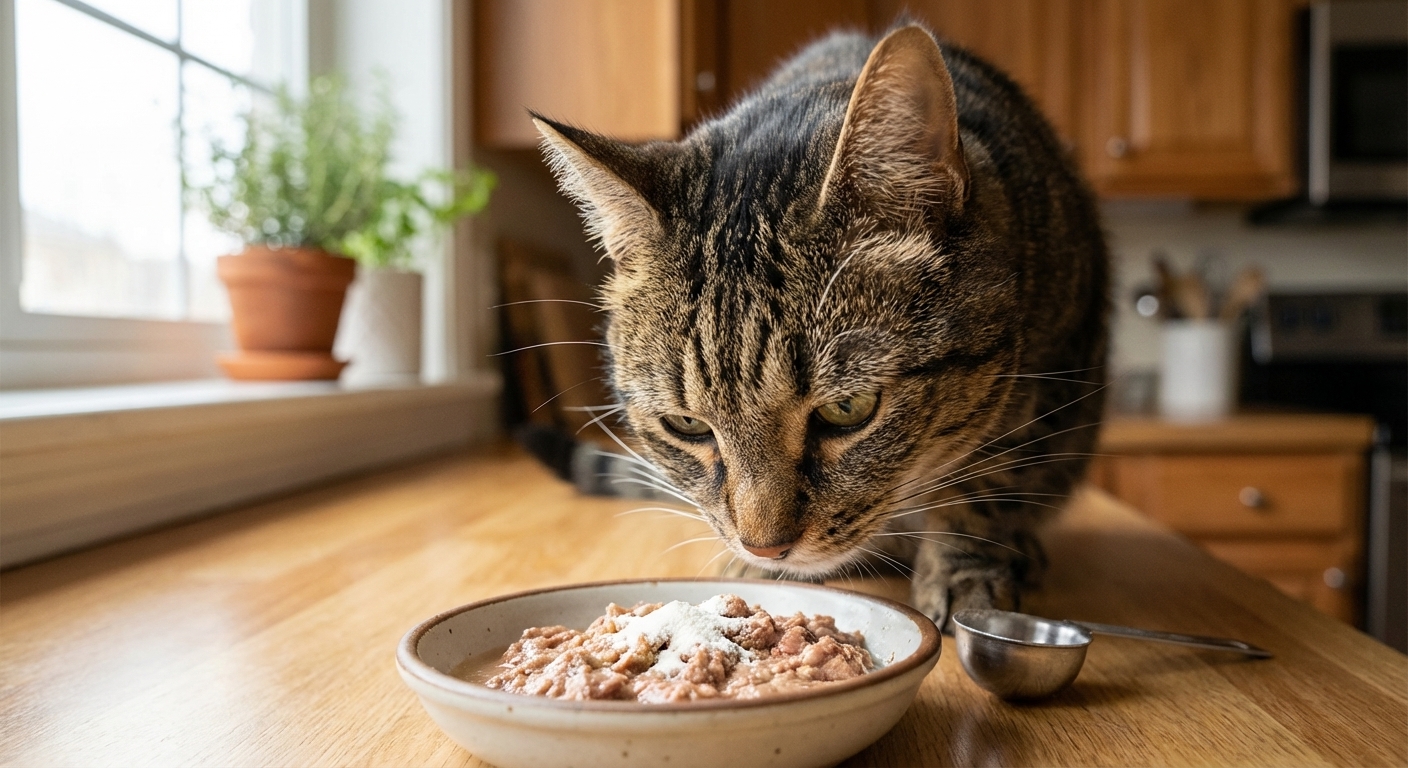
Some veterinary probiotics have evidence for helping restore normal stool quality, especially when diarrhea is linked to stress, diet change, or after antibiotics. Choose a product formulated for pets and use the dose on the label or from your veterinarian.
4) Make the litter box easy
- Scoop more often so you can accurately track frequency and appearance.
- Add an extra litter box if you have multiple cats, or if your cat is having urgency.
- Use unscented litter during tummy issues if your cat is picky or stressed.
Do not give these without a vet
This is a big one. Cats are not small dogs, and they are not tiny people. Some common internet suggestions can be risky.
- Human anti-diarrhea medications (like loperamide): do not use unless your veterinarian specifically prescribes it. It can be unsafe in cats and may mask worsening disease.
- Bismuth products (some contain salicylates): avoid unless directed by your vet. They can cause side effects, and they can turn stools dark, which may hide signs of bleeding.
- Essential oils: many are toxic to cats, even through skin contact or inhalation.
- Activated charcoal: only under veterinary direction, timing and dose matter.
- Fasting for long periods: increases the risk of hepatic lipidosis, especially in overweight cats.
If your cat is not eating, that is a reason to call your vet. Please do not try to “wait it out” for several days.
What your vet may do
If diarrhea is persistent, severe, or paired with other symptoms, your vet will focus on identifying the cause while supporting hydration and comfort.
Common diagnostics
- Fecal testing for parasites and protozoa (sometimes multiple tests are needed)
- Bloodwork to check hydration, kidney values, electrolytes, thyroid, inflammation
- Urinalysis for overall health context
- Imaging (x-rays or ultrasound) if foreign body, pancreatitis, or other disease is suspected
Common treatments
- Fluids (subcutaneous or IV) when dehydration is present
- Prescription GI diets and nutrition plans
- Deworming even if parasites are not seen, depending on risk and history
- Targeted medications for nausea, inflammation, or specific infections when indicated
Antibiotics are not always the answer for diarrhea. Overuse can disrupt the gut microbiome, so your veterinarian will weigh risks and benefits.
What to track at home
Tracking a few simple details can speed up diagnosis and get your cat relief faster.
- Duration: when did it start?
- Frequency: how many times per day?
- Appearance: watery, pudding-like, mucus, blood, black stool
- Appetite and water intake: normal, reduced, or none
- Vomiting: yes or no, how often
- Behavior: playful, hiding, vocalizing, straining
- Diet changes or exposure: new food, new treats, plants, meds, garbage
If you can safely collect a fresh stool sample, that is often helpful for your appointment. Use a clean container or bag and try to avoid scooping excess litter into the sample. Refrigerate it if you cannot get to the clinic right away (do not freeze unless instructed). Many clinics prefer a sample that is less than 24 hours old, but follow your clinic’s guidance.
Prevention over time
Not every case is preventable, but these habits reduce the most common causes:
- Slow diet transitions over 7 to 10 days when changing foods.
- Routine parasite prevention as recommended for your cat’s lifestyle.
- Regular fecal exams, especially for kittens, rescues, and multi-cat households.
- Keep toxins out of reach, including human meds, lilies, and essential oils.
- Stress reduction with predictable routines, enrichment, and enough litter boxes (often one per cat, plus one extra).
Quick takeaway
Mild diarrhea that lasts less than a day and does not affect your cat’s energy or appetite may improve with hydration support, a gentle vet-guided diet plan, and close monitoring. But watery diarrhea, ongoing diarrhea beyond 24 to 48 hours, blood, black tarry stool, vomiting, lethargy, appetite loss, or diarrhea in kittens and seniors should be treated as a same-day call to your veterinarian. When in doubt, call your veterinary clinic. It is always okay to ask for help early.