
Stop fleas fast with a simple 3-part plan: use cat-safe medication, clean your home to break the life cycle, and prevent re-infestation for months. Avoid uns...
Article
•
Designer Mixes
Treating Cat Fleas

Shari Shidate
Designer Mixes contributor
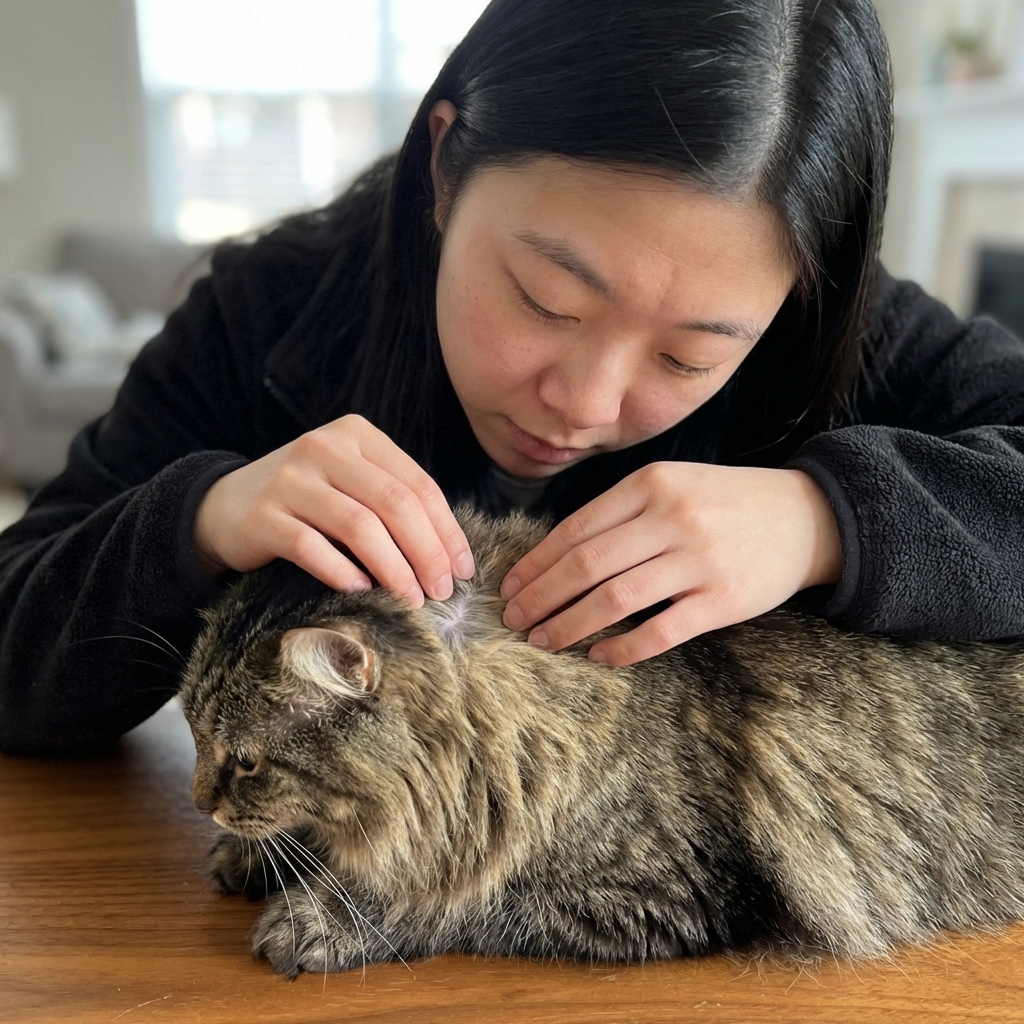
If your cat is scratching like crazy, you are seeing tiny dark specks in the fur, or you have itchy bites around your ankles, fleas may be the culprit. (Other pests can cause bites too, so it helps to confirm.) The good news is fleas are very treatable when you tackle all three parts of the problem: your cat, your home, and any other pets.
As a veterinary assistant in Frisco, Texas, I have seen families get stuck in a flea cycle simply because one step was missed. Let’s walk through a clear, evidence-based plan that actually works.
Know what you are dealing with
Most cat flea problems in the U.S. are caused by the cat flea (Ctenocephalides felis). Even indoor-only cats can get fleas because they can hitch a ride on people, other pets, or wildlife near entry points.
The flea life cycle (why it can feel never-ending)
Adult fleas live on your cat, but most of the population is off the pet in your home:
- Adults: bite and lay eggs on your cat.
- Eggs: fall off into carpets, bedding, and cracks in flooring.
- Larvae: hide in dark areas and feed on organic debris and “flea dirt.”
- Pupae: develop in a cocoon and can wait to emerge when vibrations and warmth signal a host.
This is why treating only your cat, or only your house, often leads to a rebound.
Signs your cat has fleas
- Frequent scratching, chewing, or over-grooming
- Hair loss, scabs, or irritated skin, especially around the neck and tail base
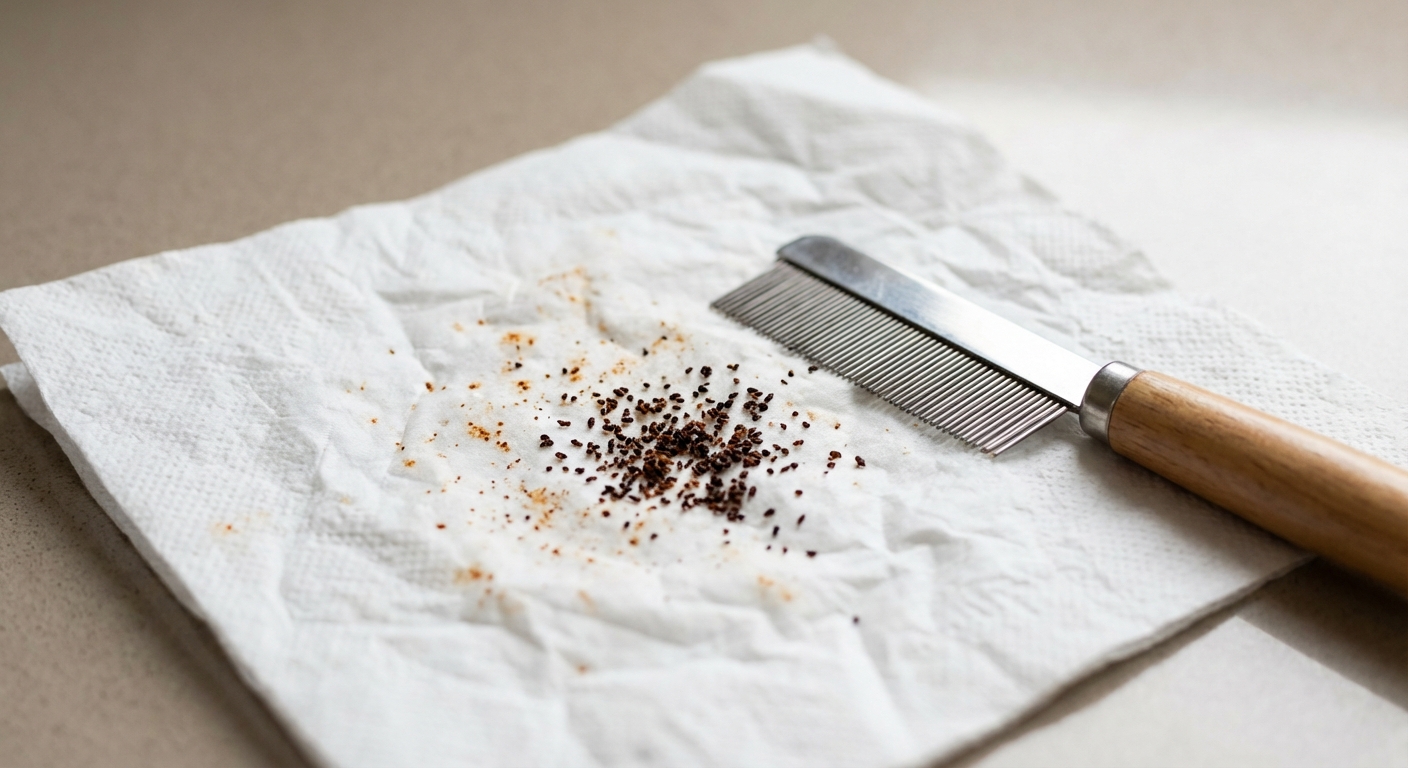
- Flea dirt (pepper-like specks) in the coat
- Pale gums or weakness in kittens (possible flea-related anemia)
- Small tapeworm segments around the anus or in stool (fleas can transmit tapeworms)
Quick at-home check
Use a flea comb over a white paper towel. If you see black specks, add a few drops of water. If the specks turn reddish-brown, that is digested blood, which strongly suggests flea dirt.
Step 1: Treat your cat safely
Choose a product that is made for cats and that matches your cat’s age and weight. Many flea products are excellent when used correctly, but cats are uniquely sensitive to certain ingredients, and dosing mistakes can be dangerous.
Options to discuss with your veterinarian
Veterinary-recommended flea control is typically one of these formats:
- Topical “spot-on” treatments applied to the skin (often monthly).
- Oral flea medications (some are monthly; some are fast-acting and short duration).
- Flea collars that provide long-lasting protection (only use reputable, vet-recommended brands).
If it helps you feel more prepared for that conversation, your veterinarian may mention active ingredients like selamectin, fluralaner, sarolaner, or spinetoram. Do not self-prescribe based on names alone, since dosing and suitability depend on your cat.
Your vet may also recommend a product that targets additional parasites (like ear mites, intestinal worms, or heartworm) based on your region and your cat’s lifestyle.
Important safety warnings
- Never use a dog flea product on a cat. Products containing concentrated permethrins are a common cause of toxicity in cats.
- Do not stack flea products unless your vet tells you to. Using multiple treatments at once can increase the risk of side effects.
- Be cautious with “natural” remedies. Essential oils and some plant-based products can be irritating or toxic to cats, especially when concentrated or applied to the skin.
- Kittens need special care. Many medications have minimum age and weight requirements. If you have a kitten, call your veterinarian before applying anything.
What about flea baths?
A bath with a cat-safe flea shampoo can reduce adult fleas, but it typically does not provide lasting protection. Think of baths as a short-term helper, not your main plan.
Step 2: Treat every pet
If you have multiple pets, treat them all at the same time with appropriate species-specific products. Otherwise, untreated pets become “safe houses” for fleas and you will keep seeing new adults.
If you have dogs and cats together, coordinate with your veterinarian so your flea control plan is compatible across pets.
Step 3: Clean your home
You do not need to panic-scrub your entire life, but you do need consistent, focused cleaning for a few weeks. In heavier infestations, it can take 1 to 3 months to fully break the cycle because pupae can keep emerging.
Vacuuming routine
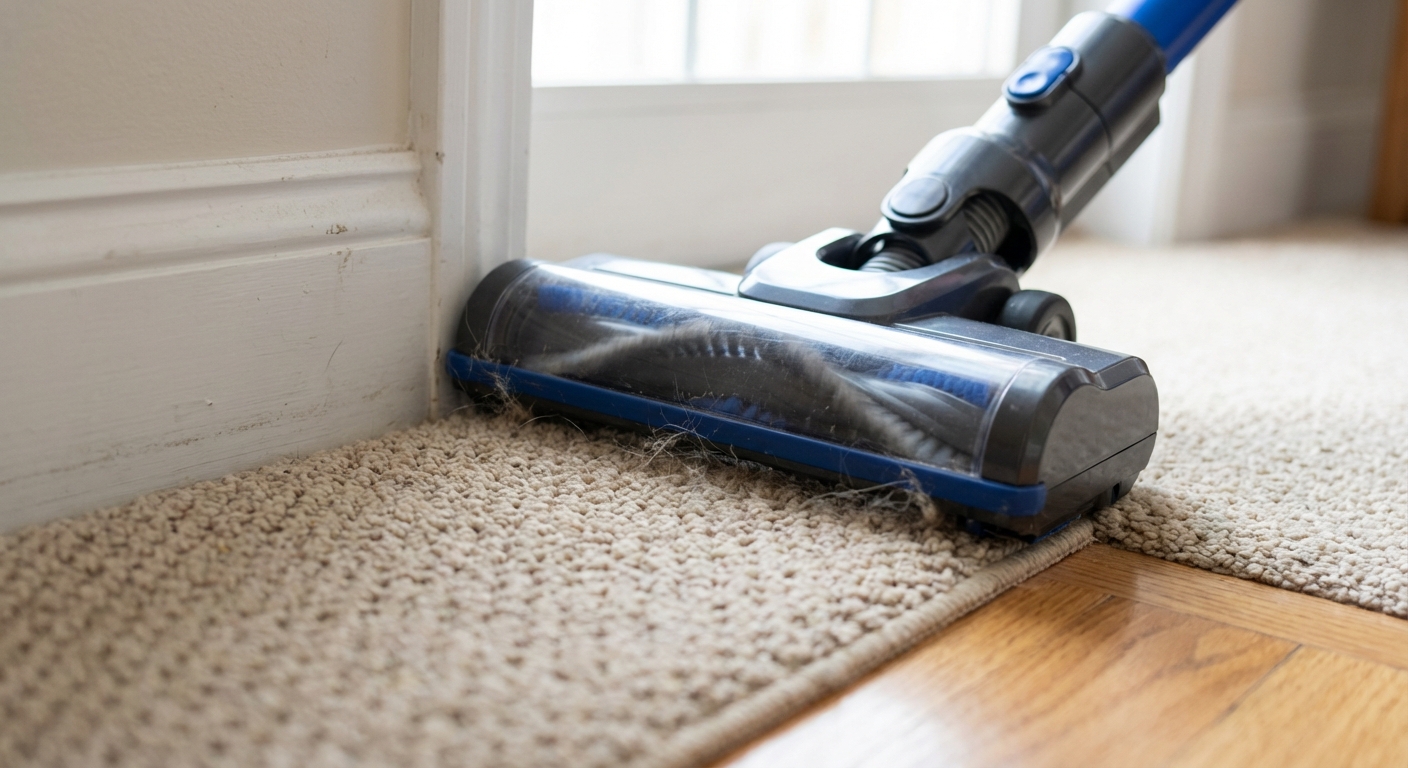
- Vacuum carpets, rugs, and furniture daily for 7 to 14 days, then several times weekly until the problem resolves.
- Focus on edges of rooms, under furniture, and the areas where your cat rests.
- Empty the canister immediately or seal the bag in a trash bag and take it outside.
Laundry routine
- Wash pet bedding, throws, and removable covers in hot water if the fabric allows.
- Dry on high heat when safe for the material.
When to consider a home treatment product
In moderate to heavy infestations, a household spray labeled for fleas can help, especially if it includes an insect growth regulator (IGR) to stop eggs and larvae from maturing. Follow label directions carefully, keep cats away until surfaces are fully dry, and avoid over-application.
Outdoor sources
Most of the time, your biggest focus should be inside your home. That said, wildlife or stray animals near porches, patios, and entry points can re-seed fleas. If you keep seeing fleas despite consistent prevention, it is worth checking for outdoor visitors and talking with your veterinarian about next steps.
Common mistakes to avoid
- Do not use dog-only products on cats, especially permethrin-based products.
- Do not spray your cat with household insecticides or use over-the-counter pyrethroid sprays directly on cats.
- Do not combine multiple flea treatments unless your veterinarian instructs you to.
- Be cautious with foggers or “flea bombs.” They often miss the places fleas hide, and they can create exposure risks if used incorrectly. Targeted cleaning plus an IGR product is usually more effective.
Step 4: Know when it is an emergency
Please contact a veterinarian promptly if you notice:
- Kittens with fleas (risk of anemia can be serious)
- Weakness, pale gums, rapid breathing, or collapse
- Skin that is raw, oozing, or infected from scratching
- Signs of flea product toxicity: drooling, tremors, wobbliness, vomiting, hiding, or agitation
If you suspect your cat was exposed to a dog flea medication or is reacting to a flea product, call your veterinarian or an emergency clinic right away.
Questions I hear a lot
Why am I still seeing fleas after treatment?
After you start an effective medication, adult fleas should begin dying soon. Depending on the product, you may see improvement within hours to 1 to 2 days. You can still see fleas for several weeks as pupae emerge in your environment. Consistent home cleaning and monthly prevention are what finish the job.
Do indoor cats need flea prevention?
Often, yes. Indoor cats can still be exposed, and once fleas get established in a home they are much harder to remove than they are to prevent.
Can fleas cause other health problems?
Yes. Fleas can trigger flea allergy dermatitis, contribute to skin infections, cause anemia in small or young cats, and transmit tapeworms.
If I see tapeworm segments, what should I do?
Call your veterinarian. Tapeworms commonly require a specific dewormer (praziquantel is often used), and flea control is essential to prevent re-infection.
A simple plan you can start today
- Confirm fleas using a flea comb and the wet paper towel test.
- Call your veterinarian for a cat-safe product appropriate for your cat’s age and weight.
- Treat every pet in the home on the same day.
- Vacuum daily for 1 to 2 weeks, wash bedding weekly.
- Stay consistent with monthly prevention for at least 3 months. This helps cover multiple flea life cycles, including new adults emerging from pupae.
It is normal to feel overwhelmed at first. Most flea problems resolve when the plan is thorough and steady. You do not have to do everything perfectly in one day. You just have to be consistent.