Worried your cat is slowing down? Learn subtle arthritis signs, what your vet may recommend, safe pain-control options, and simple home changes to improve co...
Article
•
Designer Mixes
Treating Arthritis in Cats

Shari Shidate
Designer Mixes contributor
When a cat has arthritis, it is rarely “just getting older.” It is pain, stiffness, and inflammation inside a joint that should move smoothly. The good news is that feline arthritis is often very manageable once you know what to look for and you work with your veterinarian on a plan that fits your cat’s body, lifestyle, and personality.
As a veterinary assistant, I have seen how quickly many cats brighten up when their pain is better controlled. Osteoarthritis is usually lifelong and not curable, but comfort and mobility can improve dramatically with the right mix of home support and medical care, then small adjustments over time.
What cat arthritis looks like
Arthritis, also called osteoarthritis or degenerative joint disease, is a gradual breakdown of cartilage and changes in the joint that cause pain. In cats, it is common and frequently missed because many cats hide discomfort until their routines change.
Arthritis can affect any joint, but we often see it in the hips, knees, elbows, and spine.
Common signs at home
- Jumping less or “hesitating” before jumping up or down
- Using stairs one step at a time, or avoiding them
- Stiffness after resting, especially after naps
- Less play, less exploring, more sleeping
- Changes in grooming (matted coat, dandruff, overgrooming painful areas)
- Litter box accidents (often because climbing into the box hurts)
- Irritability, hiding, or not wanting to be picked up
If you are thinking, “That sounds like my cat,” you are not overreacting. Those subtle changes are often the biggest clues.
Getting a real diagnosis
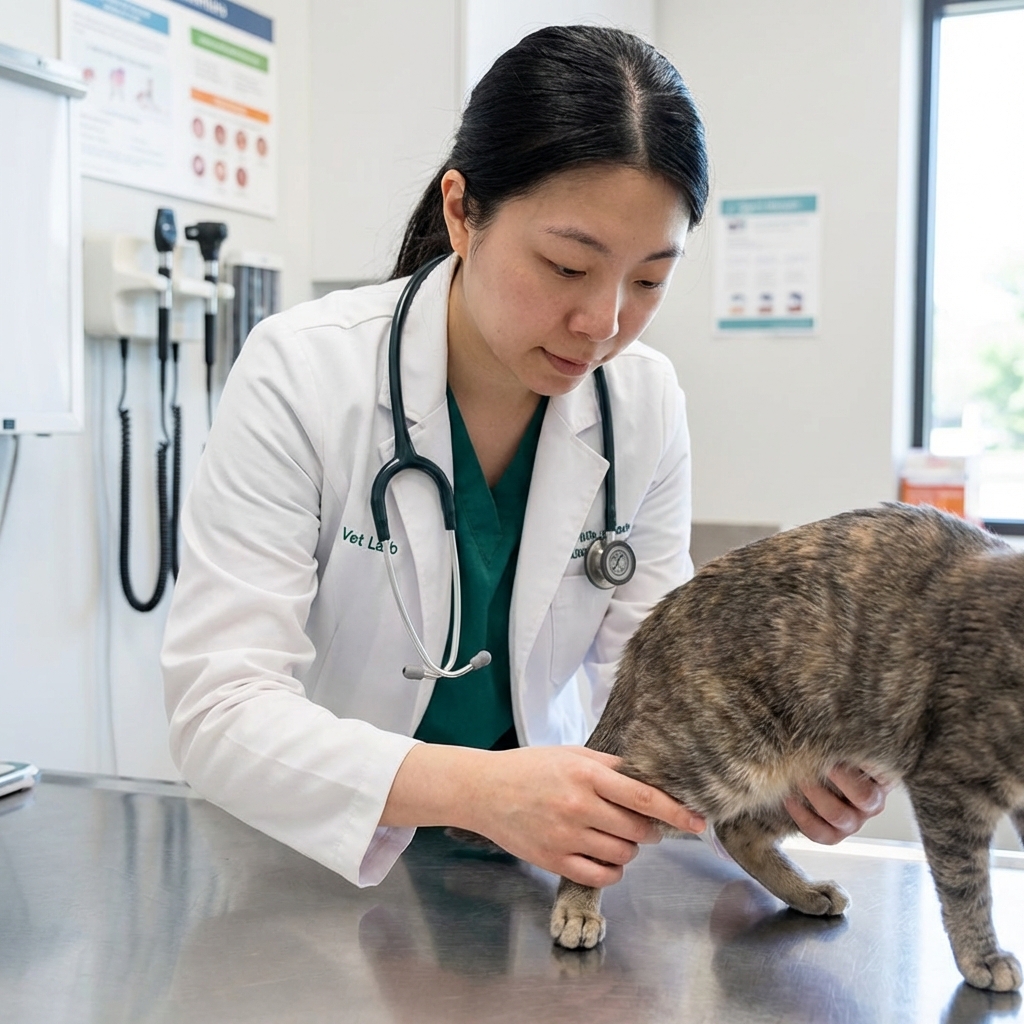
A proper arthritis plan starts with a veterinary exam. Your vet may diagnose arthritis based on a hands-on orthopedic exam, history, and how your cat moves. X-rays can be helpful, but cats can have significant arthritis pain even when X-ray changes look mild. Your veterinarian may also want bloodwork before starting long-term medications.
It is also important to remember that arthritis is not the only reason a cat might slow down. Weight gain, dental pain, heart or kidney disease, neurologic issues, injuries, and other problems can look similar at home. That is why the exam matters.
Questions to ask
- Which joints seem affected?
- What pain-control options fit my cat’s age and health conditions?
- Do you recommend bloodwork now and rechecks later?
- What changes should I make at home to prevent flare-ups?
Home changes that help
Home setup matters because cats repeat the same movements every day. If those movements hurt, they will move less, lose muscle, and the arthritis cycle gets worse. These adjustments can help quickly for many cats.
Make movement easier
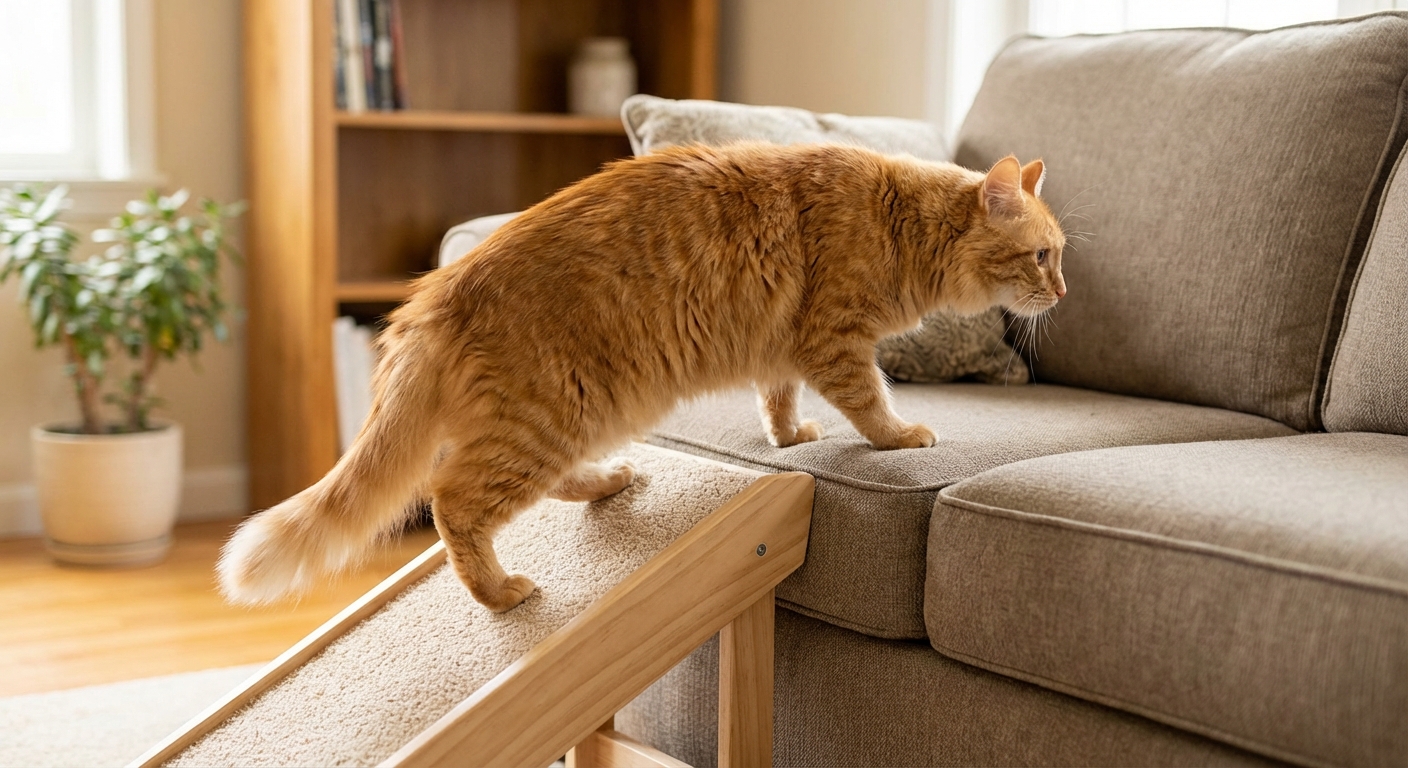
- Add steps or ramps to favorite spots like beds, couches, and window perches. A stable ramp with good traction is often easier than a steep jump. Even a sturdy box or two covered with a non-slip mat can work as a simple “step” in a pinch.
- Use non-slip flooring with rugs or runners in high-traffic areas.
- Choose a low-entry litter box and keep it close to where your cat spends time. Many cats do best with an entry that is only a few inches high, or a box with a cut-out doorway.
- Raise food and water slightly if bending seems uncomfortable. This may help some cats, and your veterinarian can tell you if it makes sense for your setup.
Warmth and comfort
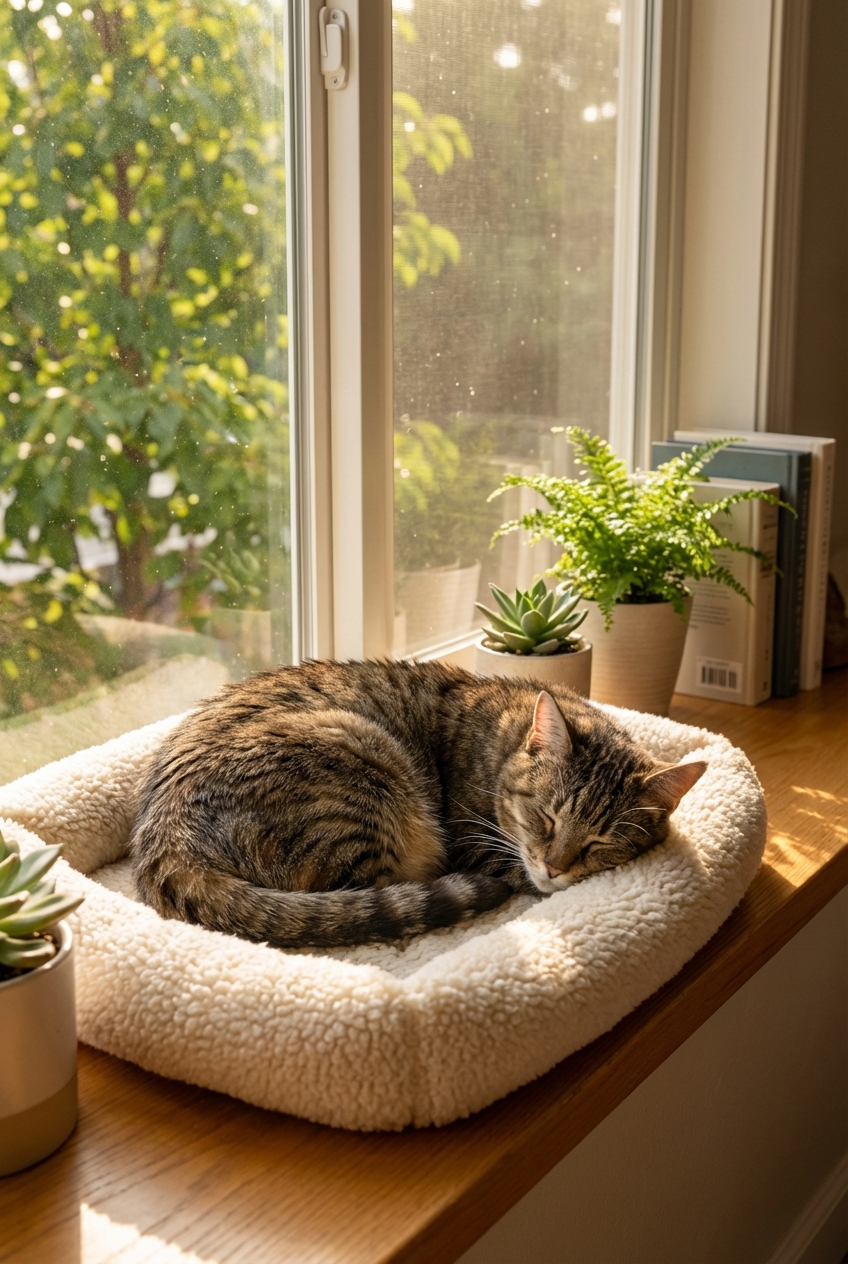
- Provide a supportive bed with a low edge and good cushioning.
- Use gentle heat like a pet-safe warming pad on a low setting, with room to move off it.
- Keep nails trimmed so your cat has better traction and less stress on joints.
Weight supports comfort
If your cat is overweight, even a modest reduction can reduce joint strain. This is not about perfection. It is about protecting joints and keeping your cat mobile. Ask your veterinarian for a safe calorie target and weigh-ins, especially if your cat has other conditions like kidney disease or diabetes.
Enrichment for low-mobility cats
- Keep fun accessible by placing beds, scratchers, and favorite perches on the same level whenever possible.
- Try short, gentle “hunt” games with wand toys at floor level, or toss a toy a few feet instead of encouraging big leaps.
- Use puzzle feeders that do not require climbing, and place them on non-slip surfaces.
Vet treatment options
The best arthritis care is usually multimodal, meaning several approaches working together. This allows lower doses of any single medication and often improves comfort more than one strategy alone.
Pain control meds
- Monoclonal antibody therapy (frunevetmab): In the United States, frunevetmab is FDA-approved for feline osteoarthritis pain and is given as a monthly injection. Availability and regulatory approval vary by country, so your veterinarian can tell you what is an option where you live.
- NSAIDs: Non-steroidal anti-inflammatory drugs may be used carefully in cats, often with monitoring and follow-up lab work. Cats are not small dogs, so never use human pain relievers.
- Other pain meds: Depending on the case, your vet may add other medications to support comfort and mobility.
Important: Never give ibuprofen, naproxen, acetaminophen, or any human pain medication to your cat unless your veterinarian specifically instructs you. Many are toxic to cats.
Supplements and joint support
Supplements can be helpful, but quality and dosing matter. Evidence is mixed across products, and some popular ingredients (including glucosamine and chondroitin) have limited or variable evidence in cats. I recommend choosing brands your veterinarian trusts and doing an honest, time-limited trial while you track changes. Common options include omega-3 fatty acids (EPA and DHA) and other vet-recommended joint-support nutraceuticals.
Rehab support
- Gentle play for muscle maintenance: Short, frequent sessions tend to be better than one long session.
- Physical therapy: Some cats do wonderfully with guided exercises, massage, and mobility work from a rehab-trained veterinary team.
- Acupuncture or laser therapy: These can be useful adjuncts for some cats when provided by trained professionals. The evidence base is mixed, but some cats show clear benefit.
Feeding for joint health
Food will not cure arthritis, but nutrition can support a healthier body weight, muscle condition, and inflammation balance. Ask your vet if a joint-support diet makes sense for your cat.
Helpful nutrition basics
- Prioritize healthy weight with measured portions and consistent feeding routines.
- Support hydration with wet food, water fountains, and multiple water stations.
- Consider omega-3s under veterinary guidance, especially if your cat eats a diet that is low in them.
If you are interested in homemade diets, please do it with a veterinary nutritionist. Cats have very specific nutrient requirements, and unbalanced homemade diets can create serious health problems.
Tracking progress
Arthritis care works best when you track changes in real life, not just in the exam room. I love simple, practical monitoring.
Try a two-week comfort log
- Jumping ability (better, same, worse)
- Ease of using the litter box
- Grooming habits and coat quality
- Play interest and overall mood
- Any medication or supplement changes
Videos of your cat walking, jumping, or using the litter box can be incredibly helpful for your veterinarian.
When to call the vet
Arthritis usually changes slowly, but some signs should be addressed right away.
- Sudden inability to walk or jump
- Crying out, open-mouth breathing, or signs of severe pain
- Not eating for 12 to 24 hours (sooner for kittens, seniors, cats with medical conditions, or overweight cats due to hepatic lipidosis risk)
- Hiding and acting “not themselves” with no improvement
- Vomiting, diarrhea, or lethargy after starting a new medication
Bottom line
Arthritis in cats is common, but suffering is not inevitable. Osteoarthritis is typically chronic, but with the right combination of veterinary care, safe pain control, weight management, and a home setup that supports easier movement, many cats regain comfort and confidence.
If you suspect arthritis, start with a vet visit, bring a short list of what you are noticing (videos included), and ask about a step-by-step plan with rechecks. You and your cat do not have to figure this out alone.