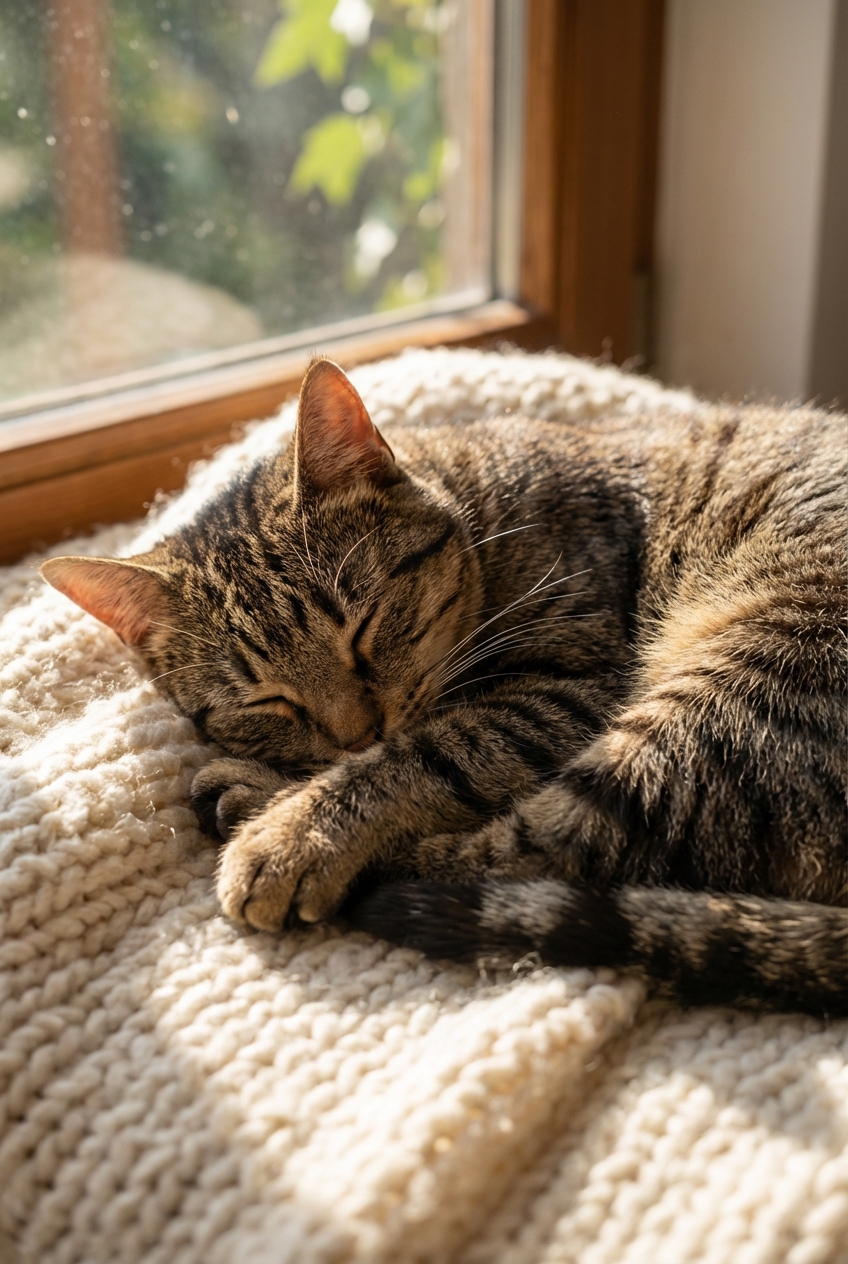
Cat sneezing, congestion, or watery eyes? Learn common feline URI signs, how long they last, safe home care, vet treatments, what not to give, and when to se...
Article
•
Designer Mixes
Treating a Cat With a Cold

Shari Shidate
Designer Mixes contributor
If your cat is sniffling, sneezing, or has watery eyes, it is natural to wonder: “Is this just a little cold, or something more serious?” As a veterinary assistant, I can tell you that most cat-cold symptoms are caused by infectious upper respiratory disease, usually viral. Many mild cases can be supported at home with smart, gentle care. The key is knowing what helps, what hurts, and when it is time to call your vet.
Quick note: This article is general education, not a diagnosis. If you are worried, it is always appropriate to call your veterinary clinic for advice.
What a “cat cold” is
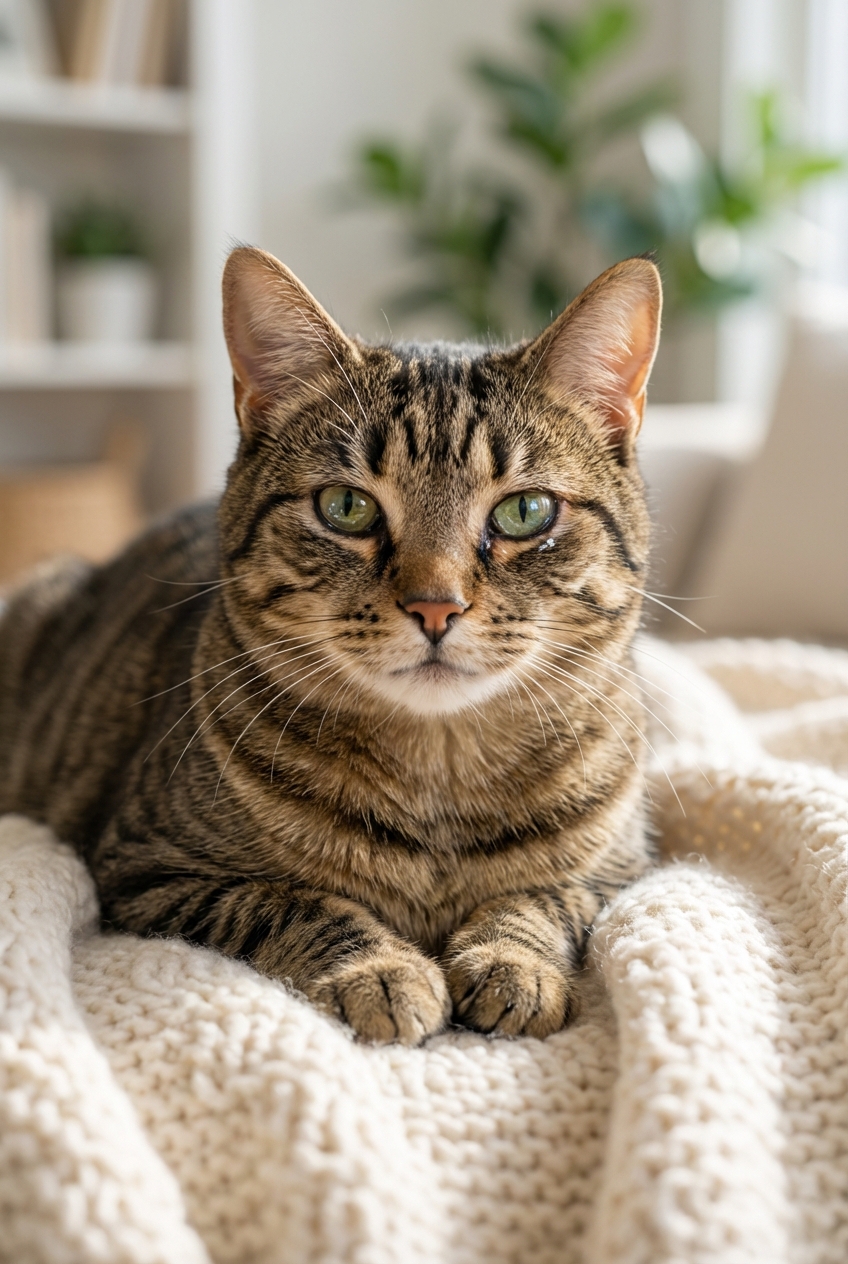
When people say “cat cold,” they are usually describing a feline upper respiratory infection (URI). These infections affect the nose and throat, and sometimes the eyes. They are most often caused by viruses, and many cats start to feel better within about 7 to 10 days, though some take longer.
Common causes
- Feline herpesvirus (FHV-1): very common and can flare up during stress.
- Feline calicivirus (FCV): also common and can cause mouth ulcers in some cats.
- Secondary bacteria: can take advantage of irritated airways, especially if symptoms linger.
Important note: these viruses can spread easily to other cats. They do not infect people or dogs.
Signs your cat may have a cold
Cat cold symptoms can look similar to ours, but cats tend to struggle most with congestion and appetite.
- Sneezing
- Nasal congestion
- Runny nose (often clear at first)
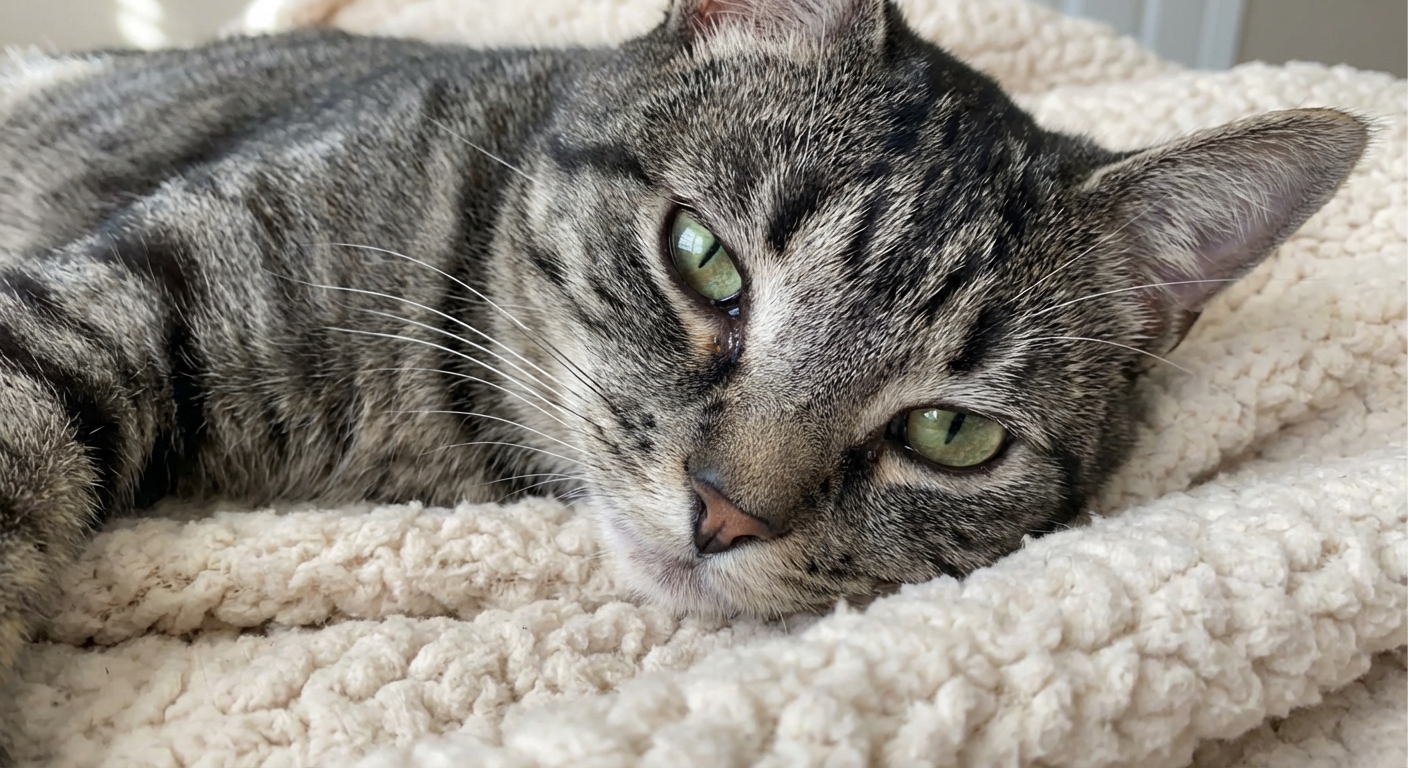
- Watery eyes or squinting
- Gagging or throat-clearing from post-nasal drip
- Decreased appetite (often because they cannot smell food well)
- Low energy, hiding more than usual
A quick nuance about coughing: true coughing is less common with an uncomplicated URI. If your cat has a persistent cough, wheezing, or repeated coughing fits, that can point to other issues (like asthma or bronchitis) and is worth a veterinary check.
Home care that helps
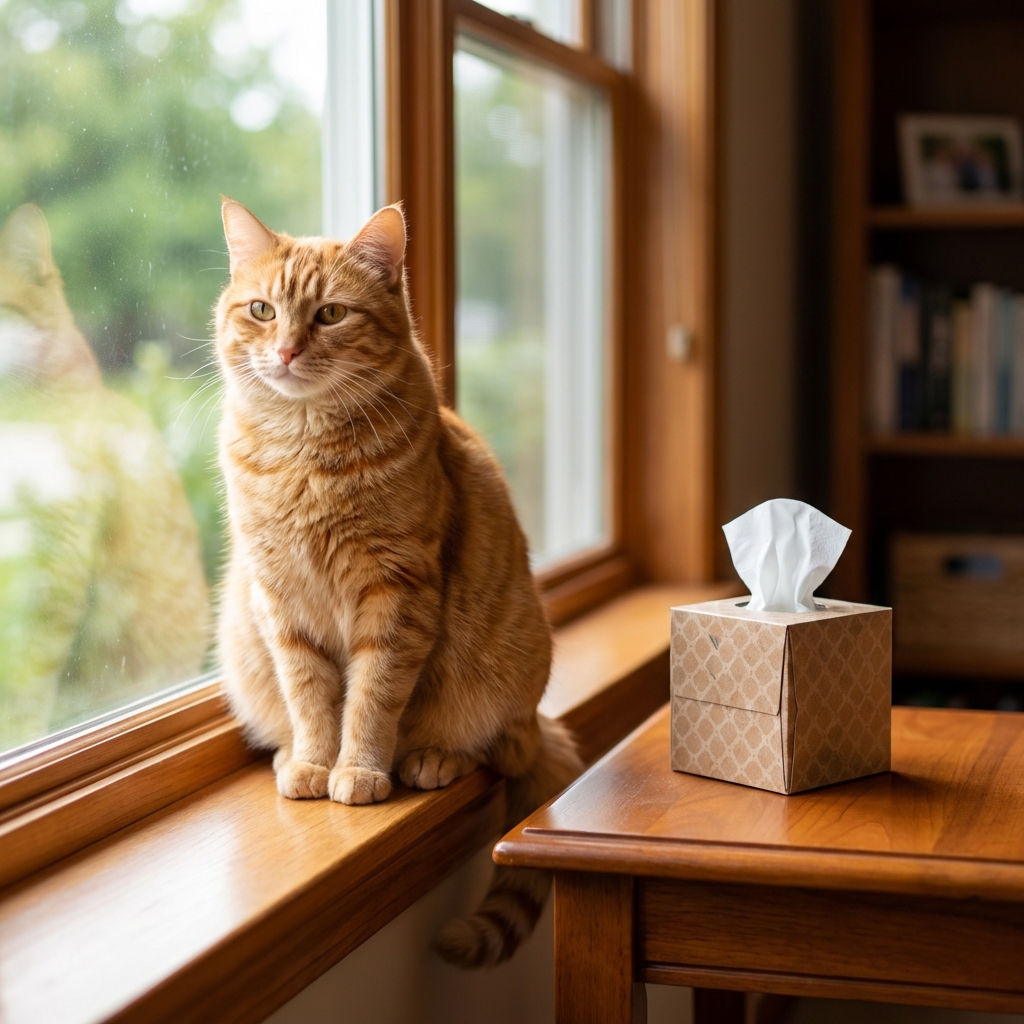
For otherwise healthy adult cats with mild symptoms, supportive care can make a real difference. Think comfort, hydration, and keeping airways as clear as possible.
1) Add moisture
- Humidifier: Run a cool-mist humidifier near your cat’s resting area.
- Steam session: Sit with your cat in a bathroom while a hot shower runs for 10 to 15 minutes. Do not put your cat in the shower. You are just creating warm, steamy air.
2) Keep the nose and eyes clean
Gently wipe discharge with a soft, warm, damp cloth or cotton pad. For crusty buildup, hold a warm compress over the area for a few seconds to soften it first.
3) Support hydration
Hydration helps thin mucus and supports recovery.
- Offer fresh water in multiple spots.
- Consider a pet water fountain if your cat prefers moving water.
- Feed wet food if possible.
- Ask your vet before offering broth. Many store broths contain onion or garlic, which can be toxic to cats.
4) Encourage eating
When cats cannot smell well, they often stop eating. That is a bigger problem than many pet parents realize.
- Warm food slightly to boost aroma. Aim for “warm,” not hot.
- Offer strong-smelling options your cat already tolerates, like certain canned foods.
- Try smaller, more frequent meals.
5) Reduce stress and prevent spread
- Give your sick cat a quiet room with comfy bedding, a litter box, food, and water.
- Separate supplies: do not share food bowls, water bowls, bedding, or litter boxes between cats.
- Hand hygiene: wash hands between cats.
- Clean surfaces: wipe hard surfaces with a pet-safe disinfectant. FCV can persist in the environment longer than herpesvirus, so cleaning shared areas matters.
Quick reality check: Home care supports comfort, but it does not “kill the virus.” The goal is to keep your cat eating, hydrated, and breathing comfortably while their immune system does the work.
What not to do
Some well-meaning remedies can be dangerous for cats.
- Do not give human cold medicines. Many are toxic to cats, including decongestants and acetaminophen.
- Do not use essential oils for “congestion relief.” Many essential oils can irritate or poison cats.
- Do not use menthol products or vapor rubs. These can irritate airways and may be toxic if licked.
- Do not use over-the-counter nasal sprays or drops unless your veterinarian specifically instructs you. Even plain saline should be used only with guidance for cats.
- Do not force-feed unless your veterinarian instructs you. There are safer appetite strategies and prescription options.
When to call the vet fast
Please contact a veterinarian promptly if you notice any of the following. These are the cases where waiting it out can make things much worse.
- Not eating for 24 hours (or much sooner for kittens)
- Barely eating for more than a day, even if they are still nibbling (do not wait several days)
- Labored breathing, open-mouth breathing, or breathing with the belly
- Blue or pale gums
- Severe lethargy or collapse
- Thick yellow or green discharge that is worsening (this may suggest a secondary bacterial infection, but your vet should assess)
- Eye issues like squinting, swelling, holding the eye closed, or thick discharge
- Mouth ulcers, drooling, or obvious pain
- Symptoms lasting more than 7 to 10 days or improving then suddenly worsening
One more reason appetite matters: cats that go too long with poor intake can be at risk for hepatic lipidosis (fatty liver disease). You do not need to memorize timelines to take this seriously. If your cat is not eating normally, call your vet early.
Other issues that look similar
Not every sneeze is a viral URI. Signs that mimic a “cold” can also come from:
- Allergies or irritants (smoke, candles, strong fragrances, dusty litter)
- Dental disease or tooth root infection that drains into the nose
- Foreign material in the nose (often sudden, intense sneezing, sometimes one-sided discharge)
- Asthma or chronic bronchitis (more coughing and wheezing than sneezing)
If symptoms keep returning, do not fully resolve, or seem unusual for your cat, a veterinary exam is the fastest way to get clarity.
How vets diagnose and treat
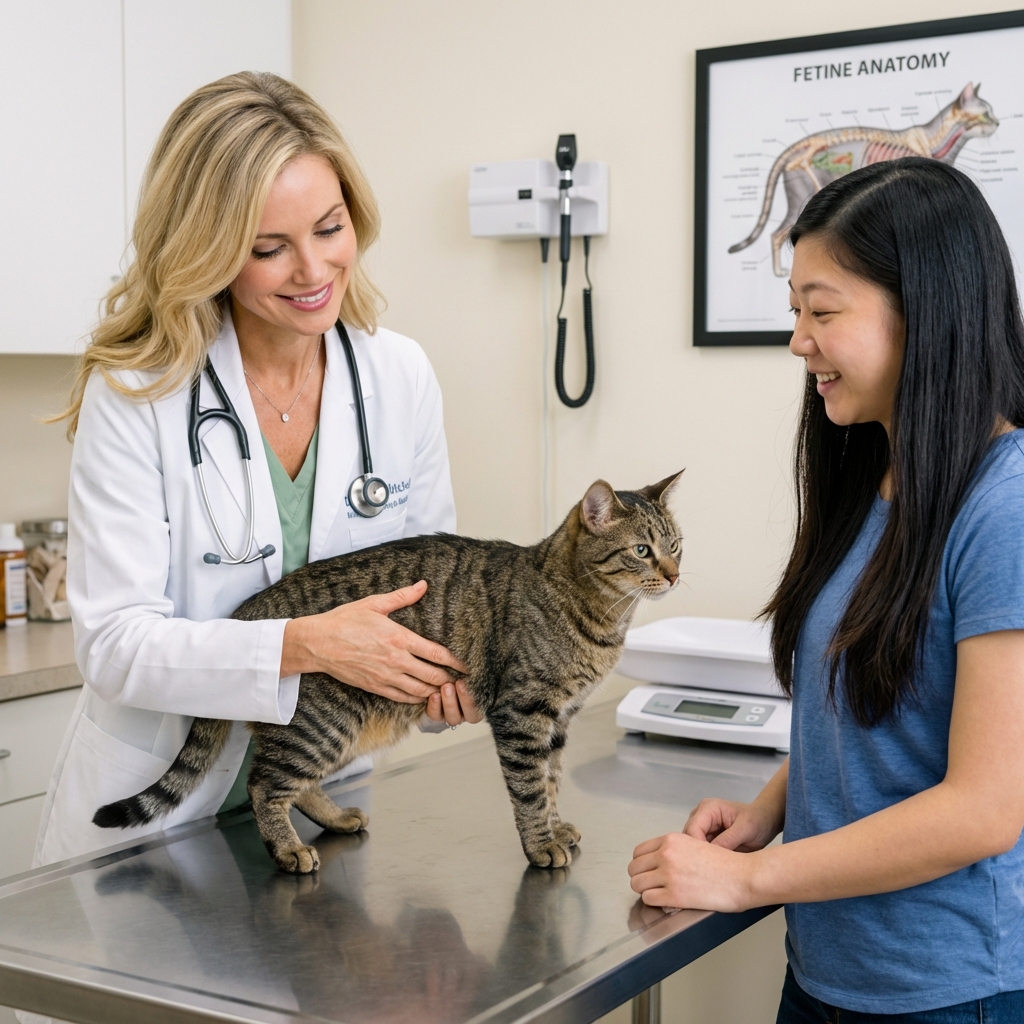
Your vet will typically start with an exam and questions about appetite, energy, and how long symptoms have been present. Treatment depends on severity and risk factors.
Common veterinary treatments
- Antibiotics if a secondary bacterial component is suspected (not every colored discharge is bacterial, so your vet will decide based on the full picture).
- Antiviral medication in select herpesvirus cases.
- Eye medications if conjunctivitis or corneal issues are present.
- Appetite stimulants if your cat is not eating.
- Fluids if dehydrated.
- Nebulization or other supportive respiratory care in more serious cases.
If your cat has frequent “colds,” ask your vet about herpesvirus flare-ups, dental disease, allergies, asthma, or household triggers like smoke and strong fragrances.
Higher-risk cats
Some cats simply cannot afford to “wait and see.”
- Kittens: can decline fast, get dehydrated quickly, and are at higher risk for pneumonia.
- Seniors: may have weaker immune defenses or underlying kidney and heart disease.
- Cats with asthma, heart disease, FeLV/FIV, or other chronic illness: should be assessed early, not late.
If your cat fits any of these categories, it is wise to call your veterinarian early, even if symptoms seem mild.
Prevention
You cannot prevent every sniffle, but you can reduce both risk and severity.
- Vaccination: Core vaccines help reduce severity of common viral causes, even if they do not guarantee full prevention.
- Limit exposure: Keep new cats separate until vetted, and avoid crowded cat settings during outbreaks.
- Reduce stress: Stress can trigger herpesvirus flare-ups. Keep routines steady and provide hiding spots and enrichment.
- Clean environment: Wash bowls and bedding, keep litter boxes clean, and maintain good ventilation.
At-home checklist
If you are supporting a mild cold at home, check these twice daily:
- Eating: Is your cat eating at least some food? Are they eating less than half their usual amount?
- Drinking and urination: Any signs of dehydration?
- Breathing: Quiet and easy, or effortful?
- Energy level: Slightly tired is common, profoundly listless is not.
- Eyes: Clear and open, or squinting and irritated?
- Duration: Are symptoms improving day by day?
If your gut says “my cat is not acting like themselves,” that instinct is worth listening to. Call your vet and describe exactly what you are seeing.