Learn safe, practical home remedies for dog fleas: flea combing, gentle baths, itch soothing, and deep-cleaning your home to break the flea life cycle—plus...
Article
•
Designer Mixes
Treat Fleas on Dogs

Shari Shidate
Designer Mixes contributor
As a veterinary assistant here in Frisco, Texas, I can tell you this with a lot of compassion and a little bit of urgency: fleas are not just “itchy.” They can cause skin infections, trigger allergic reactions, spread tapeworms (usually when a dog swallows an infected flea), and in severe infestations (especially in puppies and small dogs) contribute to anemia. The good news is you can often get control quickly when you treat your dog and your home at the same time.
How to tell if your dog has fleas
Sometimes you will spot an adult flea racing through the coat, but more often you see the aftermath. Common signs include:
- Intense itching, chewing, or licking, especially near the tail base, belly, and inner thighs
- Red bumps, scabs, or hot spots
- Hair loss along the back half of the body
- “Flea dirt” (black-pepper-like specks) on the skin or bedding
Quick flea dirt test
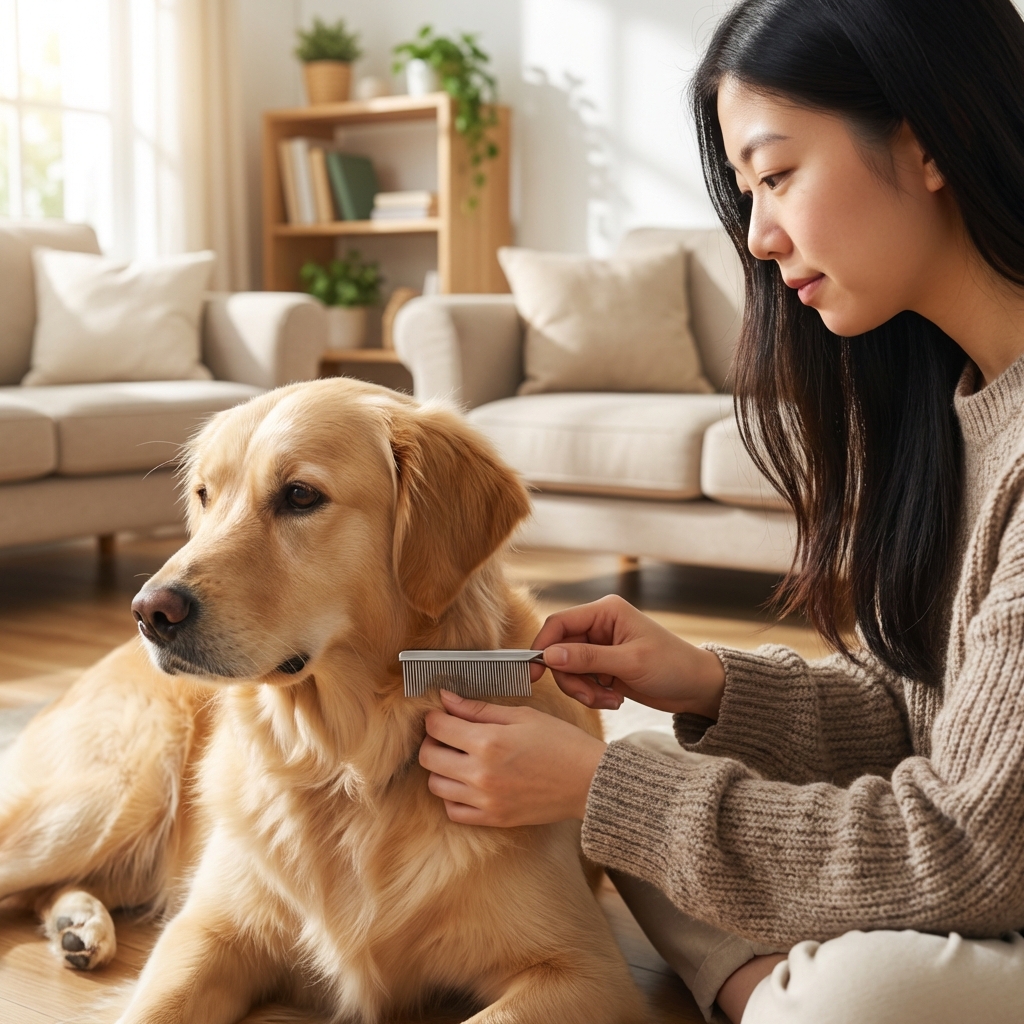
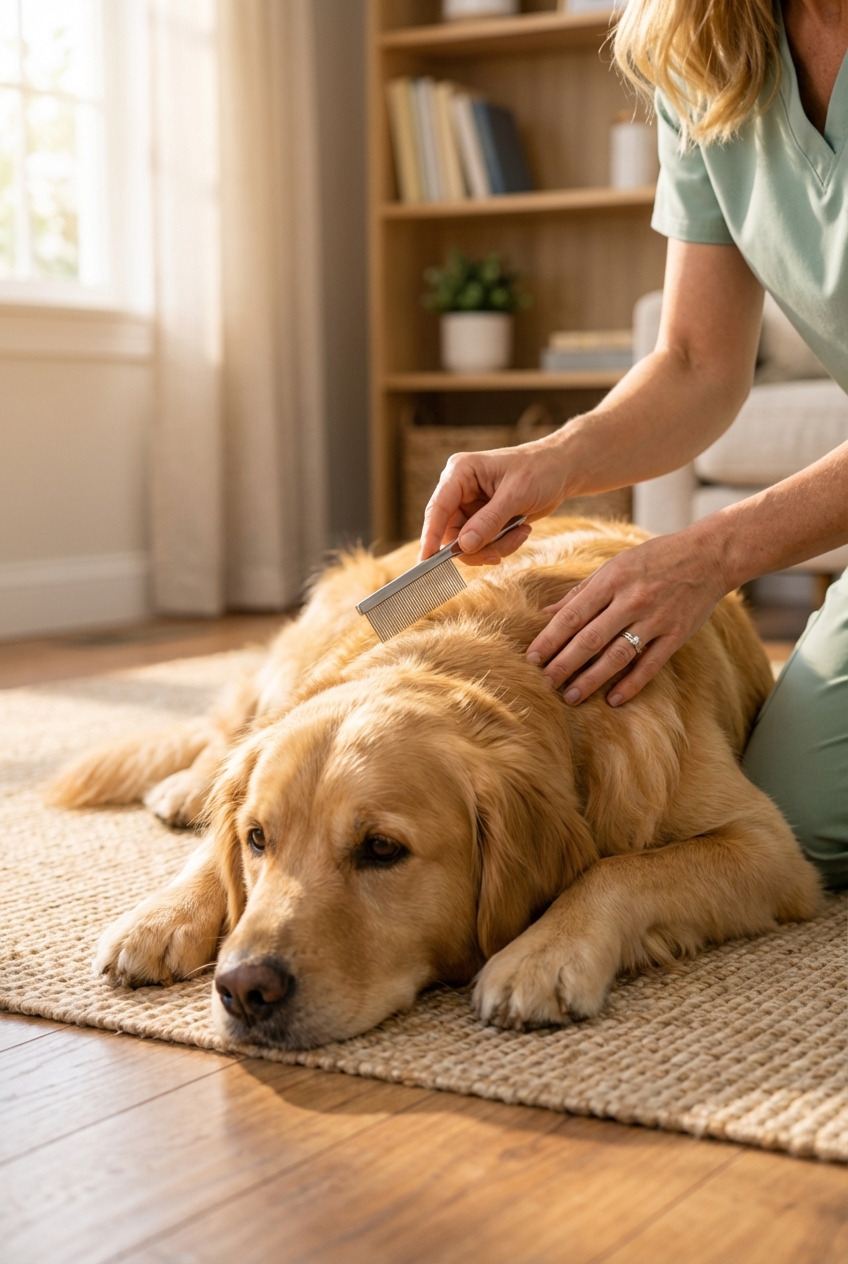
Comb your dog over a white paper towel. Add a few drops of water. If the specks turn reddish-brown, that is digested blood and strongly suggests fleas.
Before you treat: safety first
Flea products are not “one size fits all.” The safest plan depends on your dog’s weight, age, health conditions, and whether you have cats in the home.
- Never use dog-only products on cats. Many dog topical medications contain permethrin (and related pyrethroids) that can be extremely dangerous to cats.
- Puppies (especially under 8 weeks) need extra caution and vet guidance.
- If your dog is pregnant, nursing, elderly, or has seizures, call your veterinarian before choosing a product.
The 3-part plan that actually works
If you only treat your dog but not your home, fleas usually come right back. Adult fleas are the smallest slice of the problem. Eggs, larvae, and pupae live in carpets, bedding, furniture, and cracks in the floor.
Part 1: Treat your dog (fast relief)
For most families, the most effective approach is a vet-recommended flea preventive that kills adult fleas quickly and continues working for weeks. If you have multiple pets, plan to treat all pets in the household with a product that is appropriate for their species, age, and weight. Otherwise, they can keep passing fleas back and forth.
- Oral chewables (prescription) often work fast and avoid “greasy” residue.
- Topical spot-ons can be very effective when applied correctly to skin (not fur).
- Flea collars vary widely in quality. Choose brands your veterinarian trusts and avoid mixing products unless a vet confirms it is safe.
If your dog is miserable right now, ask your vet about adding a fast-acting flea-killer dose for rapid knockdown and addressing inflammation, especially if there is flea allergy dermatitis.
One more thing to set expectations: many flea shampoos and baths have little to no lasting effect. They can help with comfort and removing fleas you see today, but they should not replace a true monthly preventive.
Part 2: Treat your home (where fleas multiply)
Home care is not glamorous, but it is the difference between “fleas forever” and real control. Because pupae can keep emerging for weeks, you may need to stay consistent longer than you expect even after you stop seeing fleas.
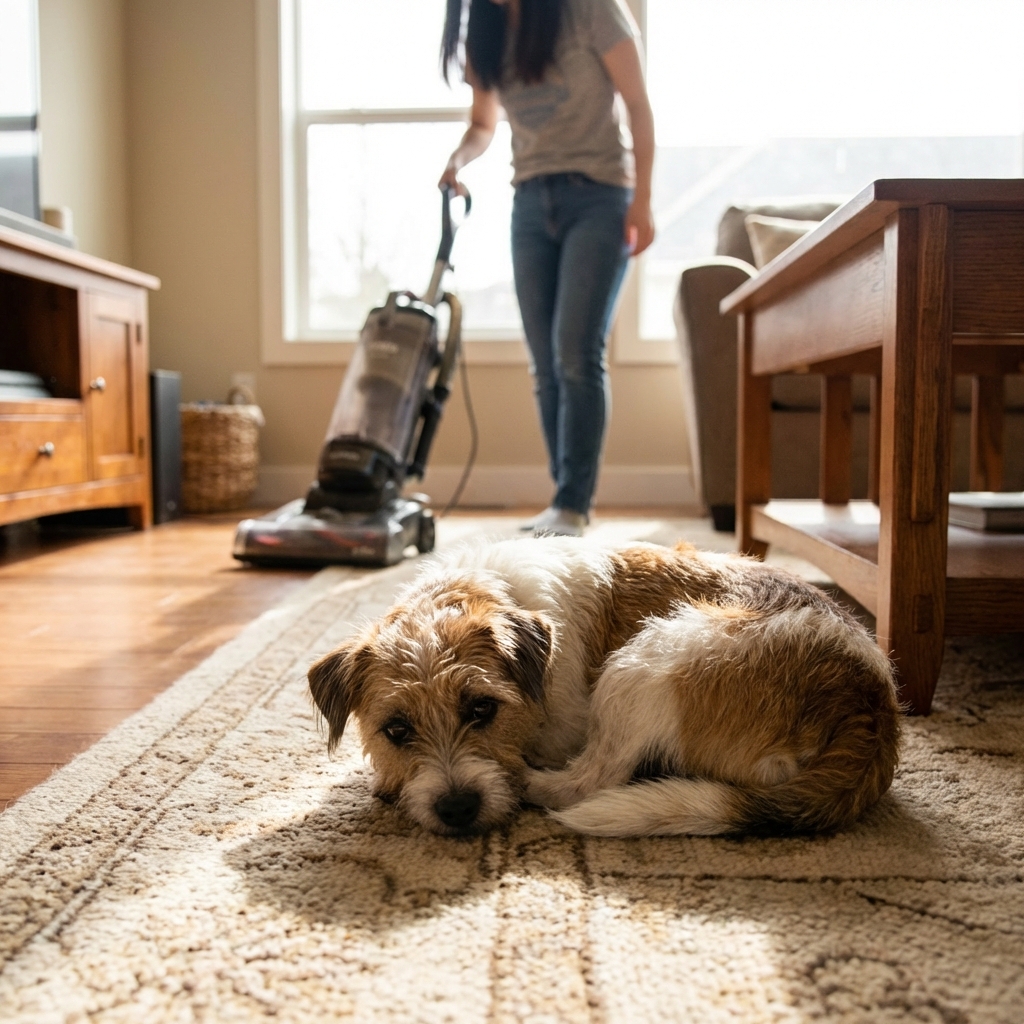
- Vacuum daily for 7 to 14 days to start, then keep vacuuming several times a week for a few more weeks. Focus on rugs, baseboards, couch cushions, under furniture, along pet “traffic paths,” and around crates.
- Wash bedding (dog beds, blankets, your bedding if your dog hops up) in hot water and dry on high heat 1 to 2 times weekly.
- Empty the vacuum immediately into a sealed bag and place it in an outdoor trash bin. Pupae can survive inside vacuums and later emerge.
- Do not forget smaller hot spots like upholstered furniture, car seats, and pet-carrier liners.
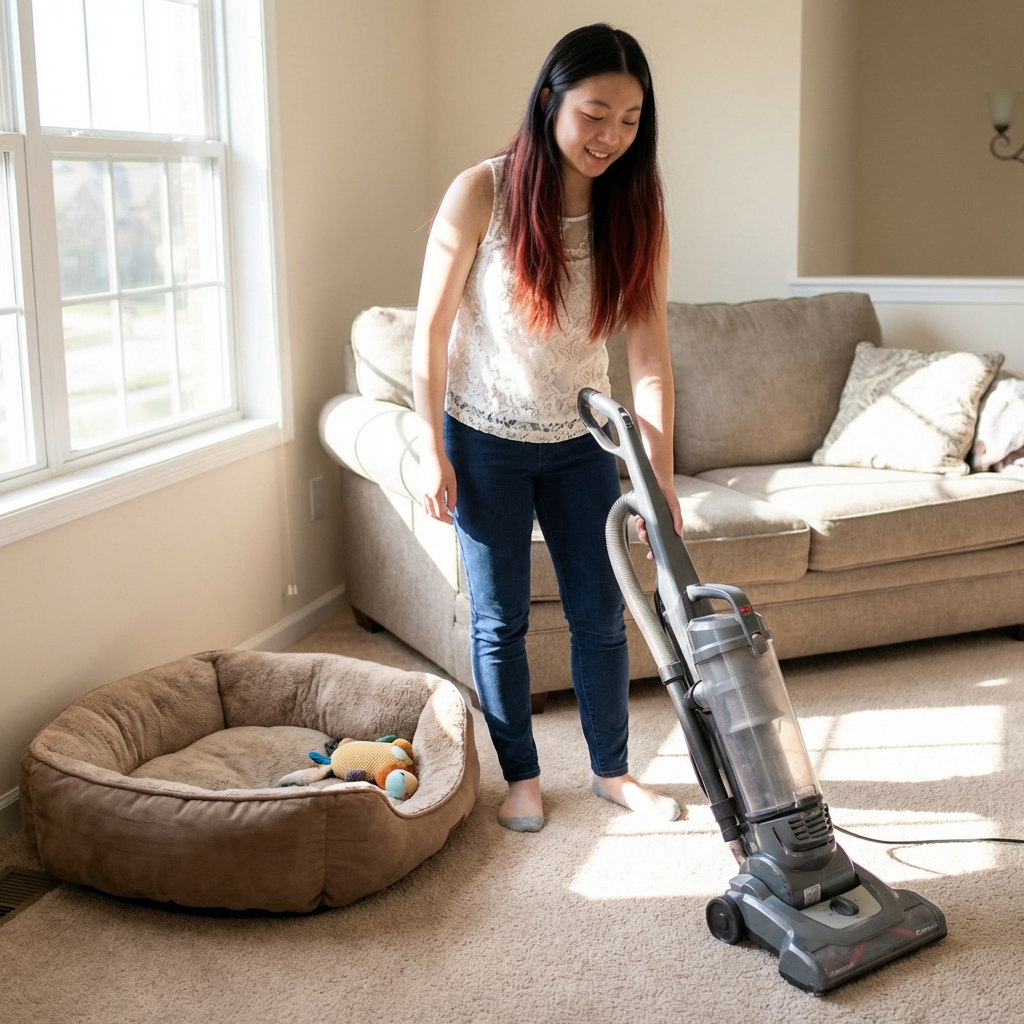
In heavier infestations, a home spray labeled for indoor flea control can help. Look for products that include an IGR (insect growth regulator) to prevent eggs and larvae from maturing. Always follow label directions and keep pets away until surfaces are fully dry.
Part 3: Treat your yard (optional but helpful)
In warm regions like Texas, fleas can thrive outdoors for long stretches of the year. Fleas love shade, moist soil, and spots where pets rest.
- Mow and remove debris where fleas hide.
- Limit access to under-deck, shady “hangout” zones during an active infestation.
- Yard treatments can help if you have a persistent problem, but they work best paired with consistent monthly prevention.
Step-by-step: what to do today
- Confirm fleas with a flea comb or flea dirt test.
- Start an effective flea medication appropriate for your dog’s age and weight. If you are unsure, call your veterinarian or ask your clinic to recommend a product.
- Treat all pets in the household with the right species-specific product, even the ones that “do not itch.”
- Give a flea bath only if needed for comfort, and only with dog-safe products. Avoid essential oil mixes, especially on sensitive dogs.
- Comb daily with a flea comb and dunk the comb in soapy water.
- Vacuum and wash bedding the same day you start treatment.
- Repeat home cleaning for at least 1 to 2 weeks, then continue regular vacuuming for several more weeks while preventives do their job.
What not to do (common mistakes I see)
- Do not use multiple flea products at once unless your veterinarian confirms the combination is safe.
- Do not rely on “natural” remedies alone during an active infestation. Some are ineffective, and some essential oils can be irritating or toxic.
- Do not forget pets that “do not itch.” Cats, other dogs, and even visiting pets can keep the cycle going.
- Do not stop prevention too soon. Flea pupae can hatch weeks later, even after you think the problem is gone. Most homes need consistent prevention for at least 2 to 3 months (or per your veterinarian) to fully break the life cycle.
When to call the vet
Please reach out to your veterinarian if you notice any of the following:
- Pale gums, weakness, or lethargy (possible anemia)
- Open sores, oozing skin, or a strong odor (possible infection)
- Severe itching that remains severe, worsens, or is causing skin damage after 48 to 72 hours of starting treatment
- Tapeworm segments that look like rice grains around the rear or in stool. Flea control helps prevent reinfection, but tapeworms usually require a separate deworming medication prescribed or recommended by your veterinarian.
- Product reaction such as drooling, vomiting, tremors, or wobbliness
Flea control is a marathon, not a sprint. The fastest results come from one solid plan done consistently for the full life cycle.
Keeping fleas away long-term
Once the crisis is over, prevention becomes your best friend. Most flea problems I see start when a monthly preventive is skipped “just for a little while.” In many climates, that is all fleas need.
- Use a consistent monthly preventive recommended by your veterinarian.
- Wash bedding regularly and keep up basic vacuuming, especially in your dog’s favorite nap spots.
- If your dog has flea allergy dermatitis, be extra consistent. One bite can trigger days of itching.