
Learn why dogs fear storms and how to help fast: build a safe comfort zone, block noise and flashes, use treats and pressure therapy, plus vet-backed meds an...
Article
•
Designer Mixes
Trazodone for Dogs

Shari Shidate
Designer Mixes contributor
If your dog panics during thunderstorms, shakes at the vet, or struggles with crate rest after surgery, you are not alone. One medication many veterinarians use to help take the edge off is trazodone. It can be a helpful tool for short-term anxiety and for safe, calm recovery when your dog needs to rest.
As a veterinary assistant, I like to frame trazodone as part of a bigger plan: comfort, training, and predictable routines first, then medication support when it is truly needed. Let’s walk through what it does, when it makes sense, and how to use it safely.
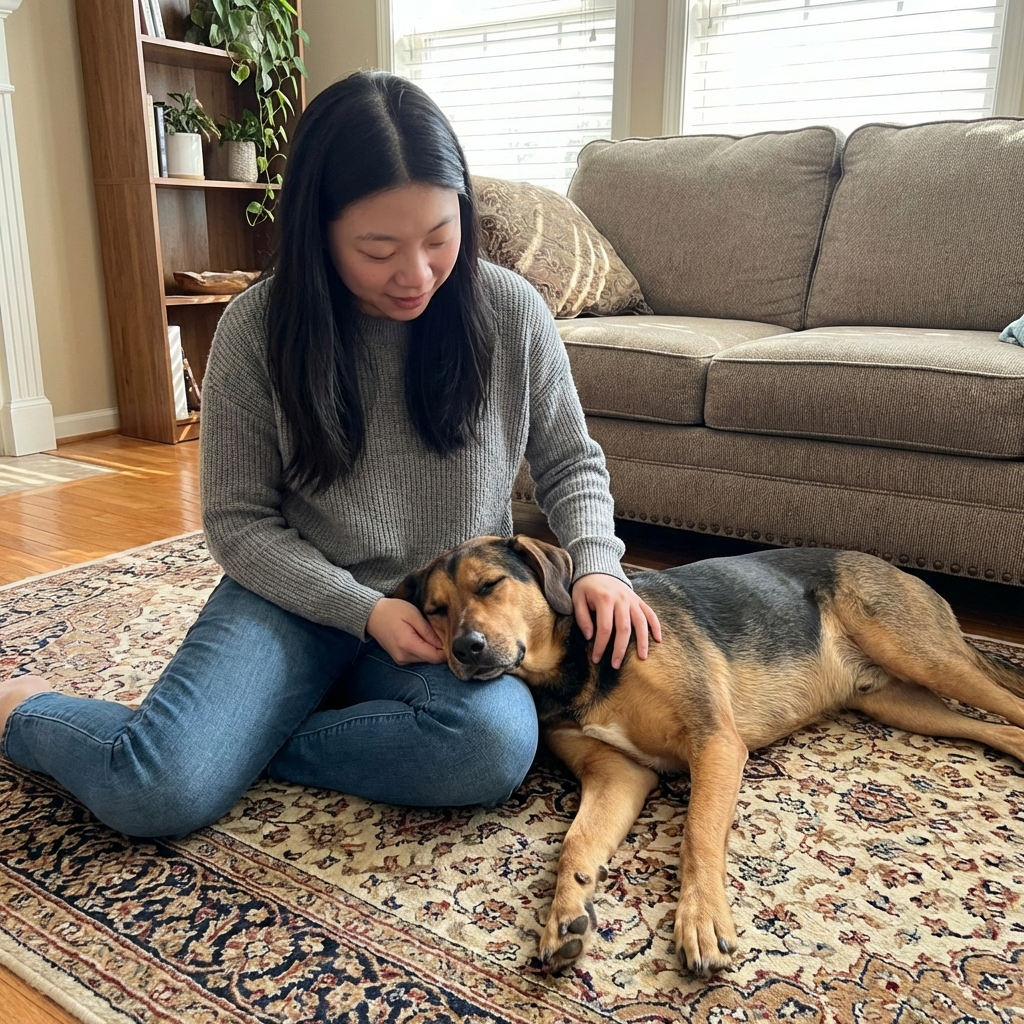
What trazodone is and how it works
Trazodone is a prescription medication that veterinarians commonly use extra-label (off-label) in dogs for anxiety and situational calming/sedation. It is not FDA-approved specifically for canine anxiety, but it is widely used under veterinary guidance.
It works by influencing serotonin signaling in the brain. More specifically, trazodone is often described as a serotonin antagonist and reuptake inhibitor (SARI). Serotonin is involved in mood, stress response, and arousal. The goal is not to “knock your dog out,” but to reduce panic and help your dog feel more able to settle.
When vets prescribe trazodone
Trazodone is often chosen because it can be used as-needed for predictable stressful events, and it can also be used short-term during recovery when rest is medically important.
Common uses
- Vet visits and grooming for fearful or reactive dogs
- Fireworks and thunderstorms
- Separation-related distress (usually as part of a broader plan)
- Post-op confinement (spay/neuter, orthopedic surgery, wound healing)
- Injury rest when a dog cannot safely stay calm on their own
- Travel when anxiety is the primary concern
Many vets also combine trazodone with behavior modification and environmental support, because medication works best when we reduce triggers and teach new coping skills.
What it should feel like
In an ideal scenario, trazodone helps your dog look and act more comfortable: softer body language, less pacing, fewer stress behaviors, and an easier time resting.
What you might notice
- Sleepiness or “chill” behavior
- Less reactivity to noises or handling
- Reduced pacing, panting, or trembling related to anxiety
It should not cause extreme weakness, distress, or make your dog seem “not present.” If the sedation feels too strong or your dog seems uncomfortable, call your veterinarian before the next dose. A timing or dose adjustment often helps.
How fast it works
Every dog is different, but trazodone is typically used for short-acting calming.
- Onset: often 60 to 120 minutes after dosing
- Duration: commonly about 4 to 8 hours, sometimes longer depending on the dog and dose
If your dog needs it for a predictable event (like a vet visit), your vet will usually recommend giving it ahead of time rather than waiting until your dog is already panicking.
Safe use at home
Only your veterinarian can prescribe the right dose and schedule for your dog because it depends on weight, health status, other medications, and the goal (mild calming versus stronger confinement support).
Practical tips I share
- Do a trial run at home on a calm day before the big trigger event. This helps you see how your dog responds.
- Follow the prescription exactly and do not “double up” without veterinary guidance.
- Do not re-dose early just because the first dose “doesn’t seem to be working” yet. Call your vet for guidance.
- Plan for wobbliness in some dogs. Block stairs and avoid slippery floors if sedation is noticeable.
- Keep routines calm while it is on board: quiet time, dim lights, familiar bedding.
- Do not give your own prescription to your dog (even if it is the same generic trazodone). Dosages differ significantly, and some liquid formulations can contain xylitol, which is toxic to dogs.

Side effects to watch for
Most dogs tolerate trazodone well, but side effects can happen. Contact your veterinarian if something feels off, especially the first few times your dog takes it.
More common side effects
- Sedation or sleepiness
- Wobbly walking or unsteady balance
- Upset stomach (vomiting, softer stool), less commonly
- Occasionally increased appetite
Less common but important
- Paradoxical excitement (instead of calming, your dog seems more agitated)
- Very heavy sedation or difficulty waking
- Fast heart rate, disorientation, or unusual vocalizing
- Priapism (a prolonged, painful erection in male dogs). This is rare, but it is urgent.
Serotonin syndrome
Trazodone affects serotonin, so veterinarians are careful when it is combined with other medications or supplements that also influence serotonin.
Serotonin syndrome is uncommon, but it can be dangerous. Seek urgent veterinary care if you see a combination of signs such as:
- Severe agitation or confusion
- Tremors, muscle rigidity, or uncontrolled shaking
- High body temperature
- Vomiting and diarrhea plus neurologic changes
Tell your veterinarian about all medications and supplements your dog takes, including behavior meds, pain meds, and calming products.
Interactions and precautions
Your veterinarian will weigh risks and benefits if your dog has other health conditions or takes other medications. This is especially important if your dog is on medications for anxiety, pain, or neurologic conditions.
Be extra cautious and ask your vet if your dog:
- Is taking other behavior medications like SSRIs or SNRIs (for example, fluoxetine or sertraline)
- Is taking an MAOI (for example, selegiline)
- Is taking other sedatives, has recently been anesthetized, or your vet is considering pairing it with another calming medication (for example, gabapentin)
- Has liver or kidney disease (drug processing can change)
- Is very young, very old, pregnant, or nursing
- Has a history of significant heart disease or rhythm issues
- Has glaucoma or a seizure history (not always a deal-breaker, but worth a specific discussion)
- Is taking serotonin-affecting supplements like 5-HTP or St. John’s wort
Also, if your dog is a brachycephalic breed mix (like a Frenchie mix, Pug mix, or Bulldog mix), any calming medication that causes sedation can increase snoring and airway effort. It does not automatically mean “no trazodone,” but it does mean you should monitor breathing closely and follow your vet’s dosing plan carefully.
Fireworks and storms tips
Medication alone is rarely the whole answer. When you combine trazodone with smart management, many dogs do noticeably better. Also, set expectations: it may reduce the intensity of fear, but it might not erase it.
Supportive steps that help
- Give the medication early based on your veterinarian’s guidance, before the panic spiral starts.
- Create a safe zone: interior room, cozy bed, white noise, curtains closed.
- Offer a long-lasting chew or food puzzle if your dog will eat.
- Use calm, normal energy. Reassurance is fine, but avoid frantic hovering.
- Walk and potty before the noise hits whenever possible.

Post-surgery rest
After surgery, many dogs feel physically better before they are actually healed. That is when they try to jump on the couch, sprint to the door, or wrestle with a sibling. Trazodone is commonly used to help protect incisions, joints, and healing tissue by making rest easier.
At-home confinement tips
- Use a crate or small pen if your vet recommends it.
- Keep floors non-slip for potty breaks.
- Use a harness instead of a collar if your dog tends to lunge.
- Ask your vet about combining pain control with calming support. Pain can look like restlessness.
Frequently asked questions
Will trazodone change my dog’s personality?
When used appropriately, trazodone should create temporary calm, not a permanent personality change. If your dog seems overly “flat”, call your veterinarian to adjust the plan.
Can my dog take trazodone every day?
Some dogs do use it daily for a period of time, but that decision should be made with your veterinarian. For long-term anxiety, vets often discuss behavior training and may consider other daily medications designed for ongoing anxiety support.
Is trazodone the same as acepromazine?
No. Acepromazine is a different medication. Some dogs appear sedated on acepromazine but still feel anxious internally. Trazodone is commonly chosen because it can reduce anxiety and help with relaxation, although the best choice depends on your dog and the situation. Some dogs do very well with acepromazine in specific contexts when your veterinarian feels it is a good fit.
When to call your vet
Call your veterinarian or an emergency clinic if your dog has:
- Collapse, severe weakness, or difficulty walking
- Labored breathing, repeated gagging, or blue-tinged gums
- Extreme agitation, tremors, or signs that worry you for serotonin syndrome
- A prolonged, painful erection (male dogs)
- Ingestion of a large amount or possible overdose
Trust your gut. If your dog looks “not right,” you do not have to wait it out.
The bottom line
Trazodone can be a safe, effective way to help many dogs through short-term stress or necessary calming support for healing. The safest results come from three things: the right dose, the right timing, and a calm supportive environment.
If you think your dog might benefit, talk with your veterinarian about your dog’s triggers, overall health, and any other medications or supplements in the mix. Together you can build a plan that supports both comfort and safety.