Not sure if your senior dog hurts? Learn subtle pain signs, what vets check, safe treatments (NSAIDs, injections, rehab), and what to avoid—especially huma...
Article
•
Designer Mixes
Tramadol for Dogs

Shari Shidate
Designer Mixes contributor
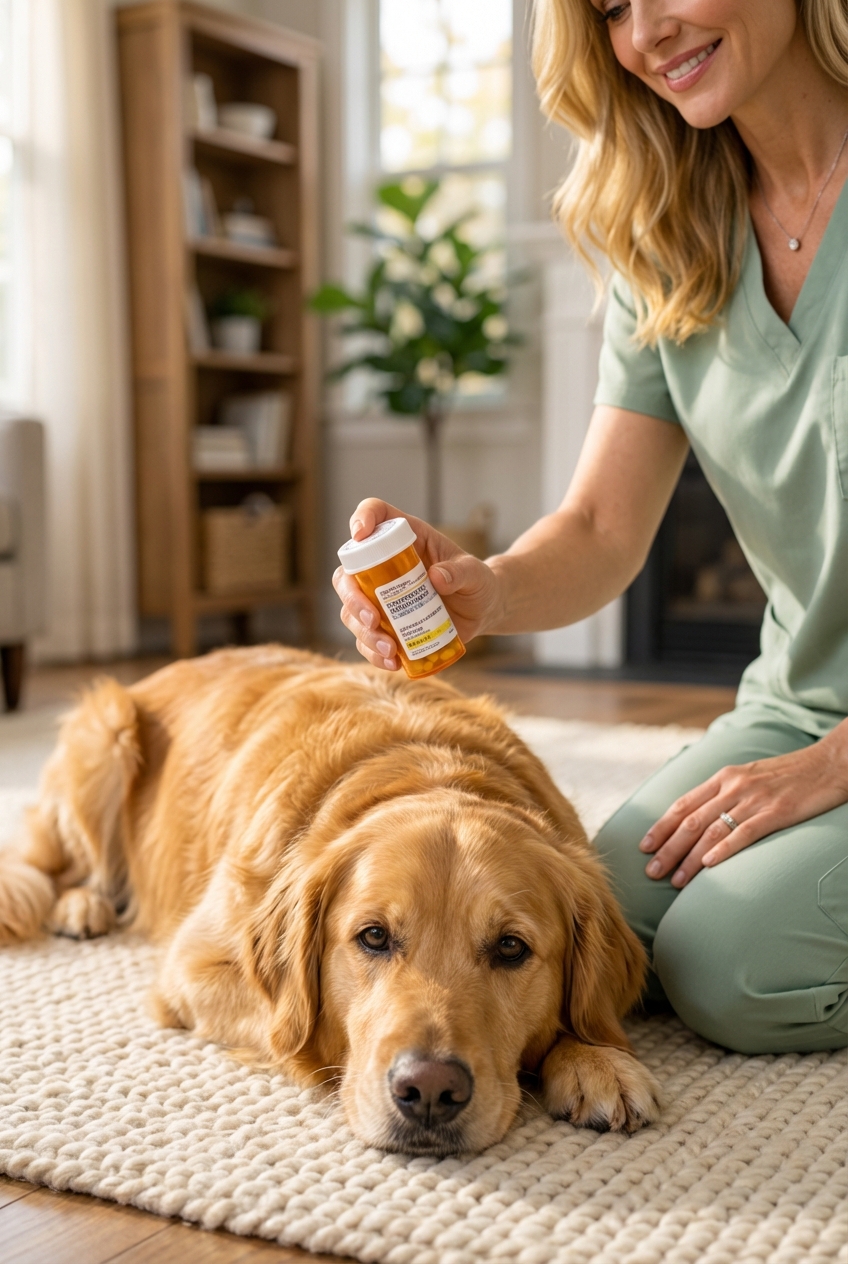
When a dog is hurting, it shows up everywhere: your dog may move less, sleep and eat differently, and sometimes just seem “off” in ways that are hard to describe. Tramadol is one of the pain medications veterinarians may prescribe to help dogs feel more comfortable, especially when pain is moderate or when your veterinary team is trying to broaden pain control with a multimodal plan.
As a veterinary assistant, I have seen tramadol help some dogs noticeably, and I have also seen it cause side effects that worry families. The key is using it the right way, for the right patient, with realistic expectations and good monitoring. Age, overall health (including liver or kidney disease), and other medications all matter.
What tramadol is and how it works
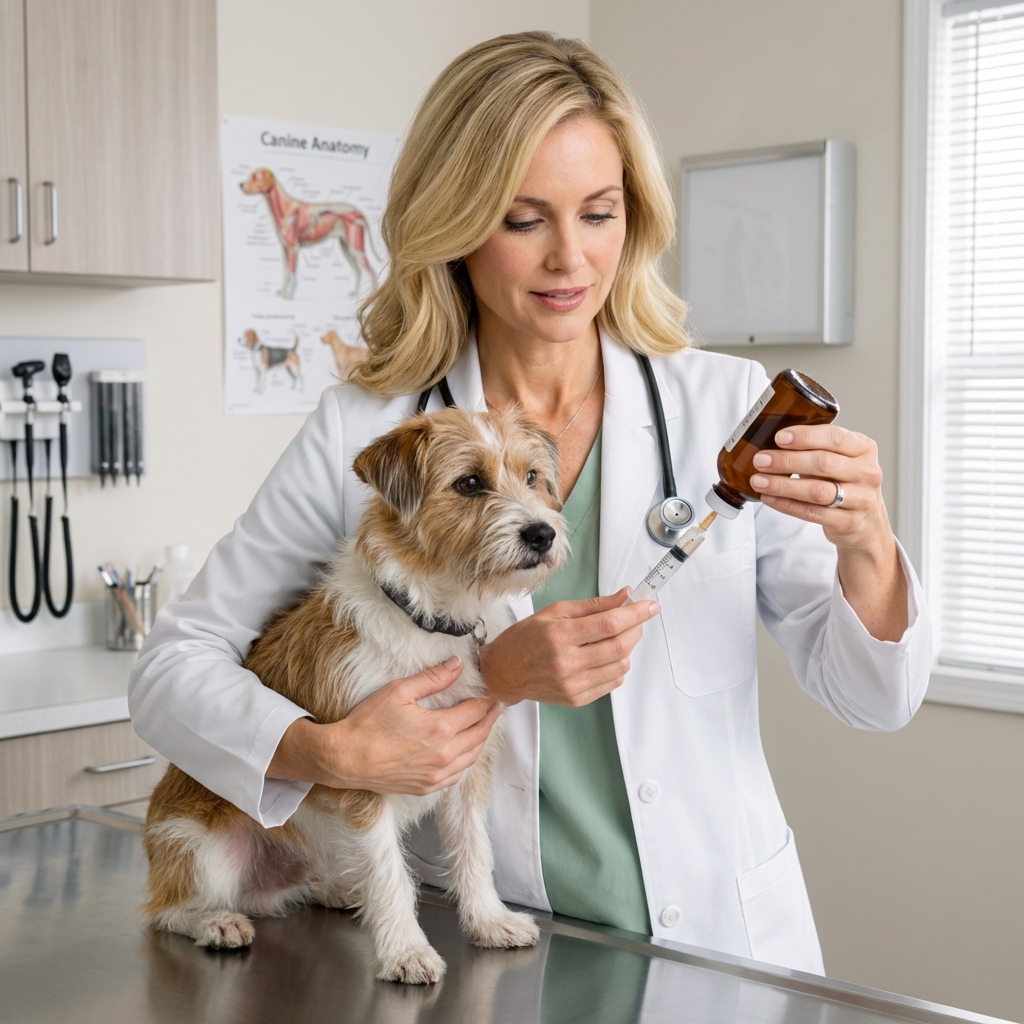
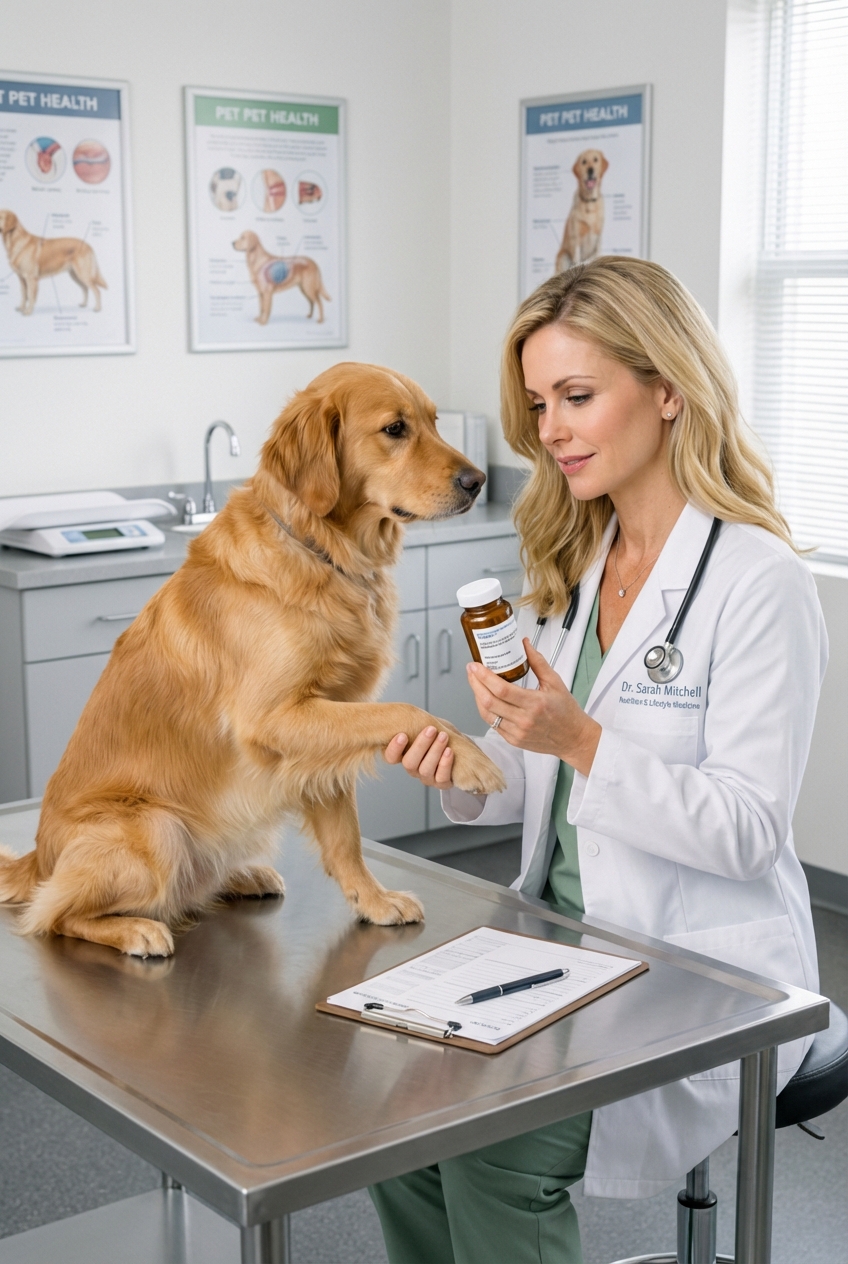
Tramadol is a prescription pain medication. In people, it is considered an opioid-like analgesic. In dogs, its pain relief can be more variable than many pet parents expect. That does not mean it never helps. It means the effect depends on the dog, the type of pain, the dose, and what other medications are being used.
One reason results vary is that dogs can differ in how they metabolize tramadol and how much active metabolite (called O-desmethyltramadol) they produce. This is part of why some veterinarians use tramadol more as an add-on than a stand-alone option, especially for chronic pain.
Tramadol works in a couple of ways:
- Opioid activity: It interacts with opioid receptors involved in pain perception.
- Neurotransmitter effects: It also affects serotonin and norepinephrine signaling, which can change how pain is processed.
Because of these combined actions, tramadol may be used as part of a multimodal pain plan , meaning your veterinarian stacks medications and therapies that work in different ways to provide better relief with fewer side effects.
When vets may prescribe tramadol
Tramadol is most often used for short-term pain control or as an add-on medication. Your veterinarian may consider it for:
- Post-surgical pain (often combined with other pain meds)
- Injury-related pain, such as strains or soft tissue trauma
- Chronic pain when other options are limited or when additional relief is needed
- Intervertebral disc disease (IVDD) or nerve-related pain as part of a broader plan
For osteoarthritis, many vets now prioritize anti-inflammatory medications (when safe) , plus weight management, physical therapy, and joint support. Evidence for tramadol in arthritis pain control in dogs is mixed, so it is often used as an adjunct when pain is not fully controlled, or when anti-inflammatories are not appropriate.
What it can and cannot do
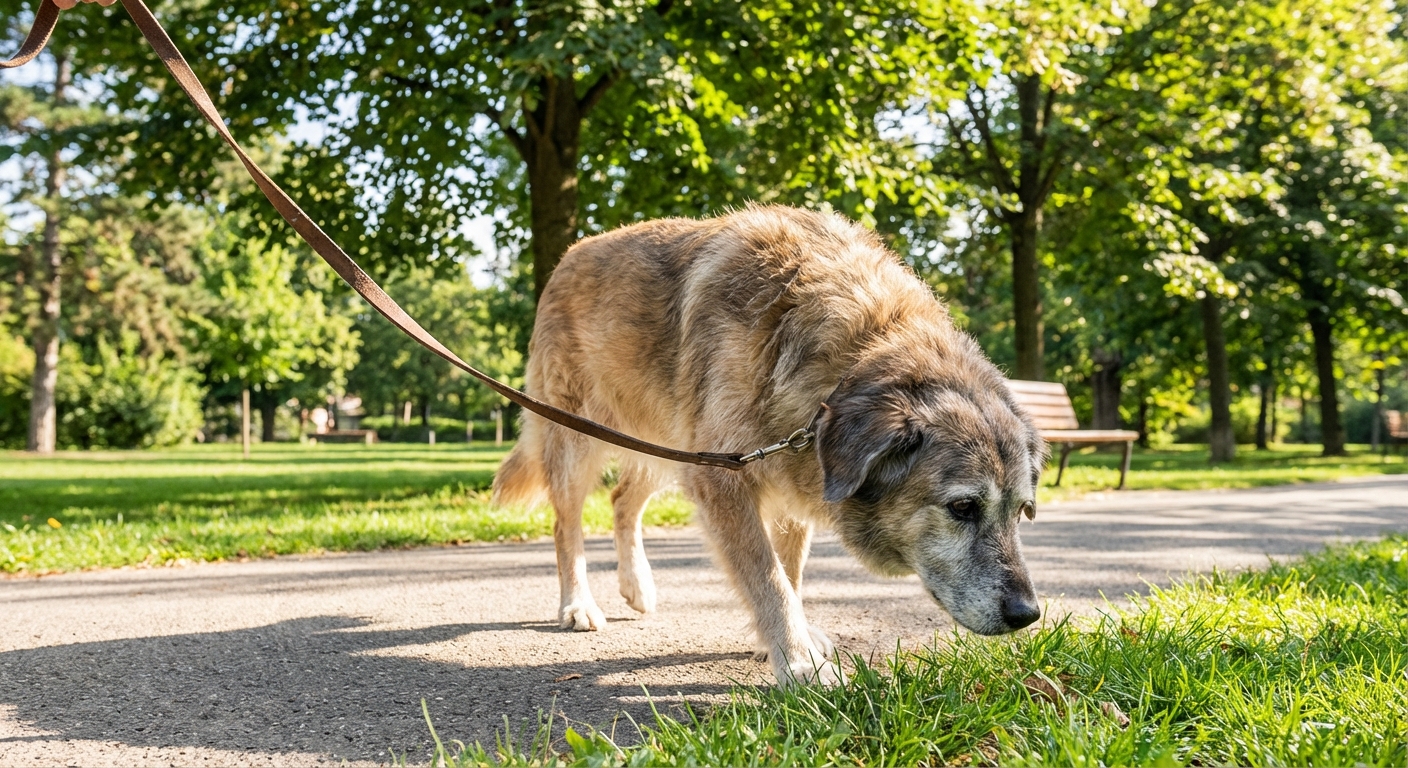
Signs it may be helping
- More willing to stand, walk, or use stairs
- Better sleep and less restlessness
- Less panting or tension linked to discomfort
- More normal appetite and mood
What it cannot fix
Tramadol does not treat the underlying cause of pain, such as inflammation from arthritis, a torn ligament, or dental disease. It is a tool for comfort, not a cure. If pain keeps returning, that is a sign your vet may need to adjust the plan or re-check the diagnosis.
Timing and what to expect
Many families want to know when they should see a difference. While every dog is different, tramadol is often given more than once a day because it may not last all day in many dogs. Some dogs seem more comfortable within a couple of hours, while others show subtler changes over a day or two once you can compare sleep, mobility, and mood.
If you feel like you are not seeing improvement, do not increase the dose on your own. Call your veterinarian so they can adjust the plan safely.
Common side effects
Most side effects are dose-related, meaning they are more likely when the dose is too high for that dog or when tramadol is combined with other sedating meds.
Side effects you may see at home
- Sedation or sleepiness
- Wobbly walking (ataxia), weakness, or seeming “drunk”
- Nausea, drooling, lip-smacking, or vomiting
- Constipation
- Reduced appetite
- Behavior changes (restlessness, whining, agitation, dysphoria, or being unusually quiet)
If your dog seems too sedated to safely walk, is falling, or cannot settle due to agitation, call your veterinarian. Often the solution is a dose adjustment or switching medications, but it is important to check in promptly.
Serious risks and red flags
While uncommon, there are important safety concerns to know about.
Serotonin syndrome
Because tramadol affects serotonin, combining it with other serotonin-increasing medications can, in rare cases, lead to serotonin syndrome . This is an urgent situation.
Call an emergency clinic right away if you see:
- Tremors or muscle rigidity
- High body temperature, heavy panting not explained by heat
- Agitation, confusion, pacing that will not stop
- Rapid heart rate
- Seizures
Seizures
Tramadol may lower the seizure threshold in some dogs. If your dog has a seizure history, make sure your vet knows before starting tramadol.
Overdose
Never give extra doses “to help them through.” If you think your dog got into the bottle or received too much, contact your vet, an emergency hospital, or a pet poison hotline immediately.
Drug interactions
Always share a full medication and supplement list, even if something seems harmless. Tramadol can interact with several drugs, including:
- SSRIs and SNRIs (often used for anxiety)
- MAOIs such as selegiline, and exposure to amitraz (including some tick collars or dips)
- Other opioids or sedatives (can increase sedation and coordination issues)
- Gabapentin (often safely combined, but sedation can be stronger)
- Trazodone (commonly used and sometimes paired, but serotonin-related risk must be considered)
Your veterinarian will decide whether combinations are appropriate based on your dog’s health history and the level of monitoring needed.
Safe use tips at home
Tramadol can be used safely in many dogs when it is given correctly. Here are practical steps that truly help:
- Follow the prescription exactly. Do not change the dose or schedule without guidance.
- Do not use human tramadol you have at home. Dosing is individualized and there may be added risks with the wrong formulation or strength.
- Track comfort. Note appetite, sleep, mobility, and bathroom habits. A simple daily note on your phone is enough.
- Prevent falls. Use rugs, block stairs, and walk with a harness if your dog is wobbly.
- Store securely. Keep the bottle in a closed cabinet. Many dogs will chew pill bottles.
- Do not share prescriptions. In many regions, tramadol is treated as a controlled medication. Only use it for the pet it was prescribed for.

If a dose is missed, ask your veterinarian what to do. In many cases, you will be advised to give it when you remember unless it is close to the next dose. Do not double up doses unless your veterinarian specifically instructs you to.
Questions to ask your vet
If tramadol has been prescribed, these questions can help you feel confident and keep your dog safe:
- What pain source are we treating, and what improvement should I expect?
- How soon should I see a difference, and how long will my dog take it?
- How often is it typically given for my dog’s situation?
- What side effects should prompt a call, and what symptoms are an emergency?
- Can tramadol be combined with an anti-inflammatory, gabapentin, or other therapies for better relief?
- Do we need bloodwork or recheck exams for longer-term use?
Beyond medication
Medication helps, but comfort is usually best when we address the whole picture. Depending on the cause of pain, your veterinarian may recommend:
- Weight management to reduce stress on joints
- Physical therapy and safe strengthening
- Cold or heat therapy for specific injuries (only when advised)
- Joint-supportive nutrition, including omega-3 fatty acids when appropriate
- Non-slip flooring, ramps, and supportive bedding
Small changes at home can make a big difference in how your dog feels day to day, especially for chronic pain. Long-term pain plans also benefit from periodic reassessment so your vet can adjust medications and goals as your dog’s needs change.
When to get help now
Contact your veterinarian or an emergency clinic if your dog has:
- Seizures, collapse, or severe weakness
- Severe agitation, tremors, or inability to settle
- Difficulty breathing
- Repeated vomiting or inability to keep water down
- Signs of overdose or you suspect they ate extra tablets
Pain control should never come at the cost of safety. If something feels “not right,” trust your instincts and call.
Bottom line
Tramadol can be a helpful part of pain management for some dogs, particularly as an add-on medication. The best results usually come from a tailored, veterinarian-guided plan that balances comfort with side effect monitoring. If you are unsure whether tramadol is helping your dog, or you are seeing sedation, wobbliness, or behavior changes, check in with your veterinary team. Adjustments are common, and your dog deserves to feel better safely.