Get your kitten using the litter box quickly with a fast-start checklist, ideal box and litter setup, a 3-day training routine, and simple accident fixes—p...
Article
•
Designer Mixes
Training a Kitten to Use a Litter Box

Shari Shidate
Designer Mixes contributor
Bringing home a kitten is pure joy, until you find that first surprise puddle behind the couch. The good news is that most kittens can learn litter box habits quickly because the behavior is natural for cats. With the right setup, a little patience, and a calm routine, you will often see steady improvement within days, though some kittens (especially very young, stressed, or newly adopted) may take a couple of weeks to become consistent.
As a veterinary assistant, I also want you to know this: accidents are information, not “bad behavior.” They usually mean the box is hard to find, hard to use, too dirty, in a scary location, or your kitten may not feel well.
Quick note: This article is general guidance. Your veterinarian can help tailor recommendations for your kitten’s age, health, and household setup.
What you need before you start
Set your kitten up for success with a simple, kitten-friendly station. Fancy products are optional. Good basics matter more.
Choose the right litter box
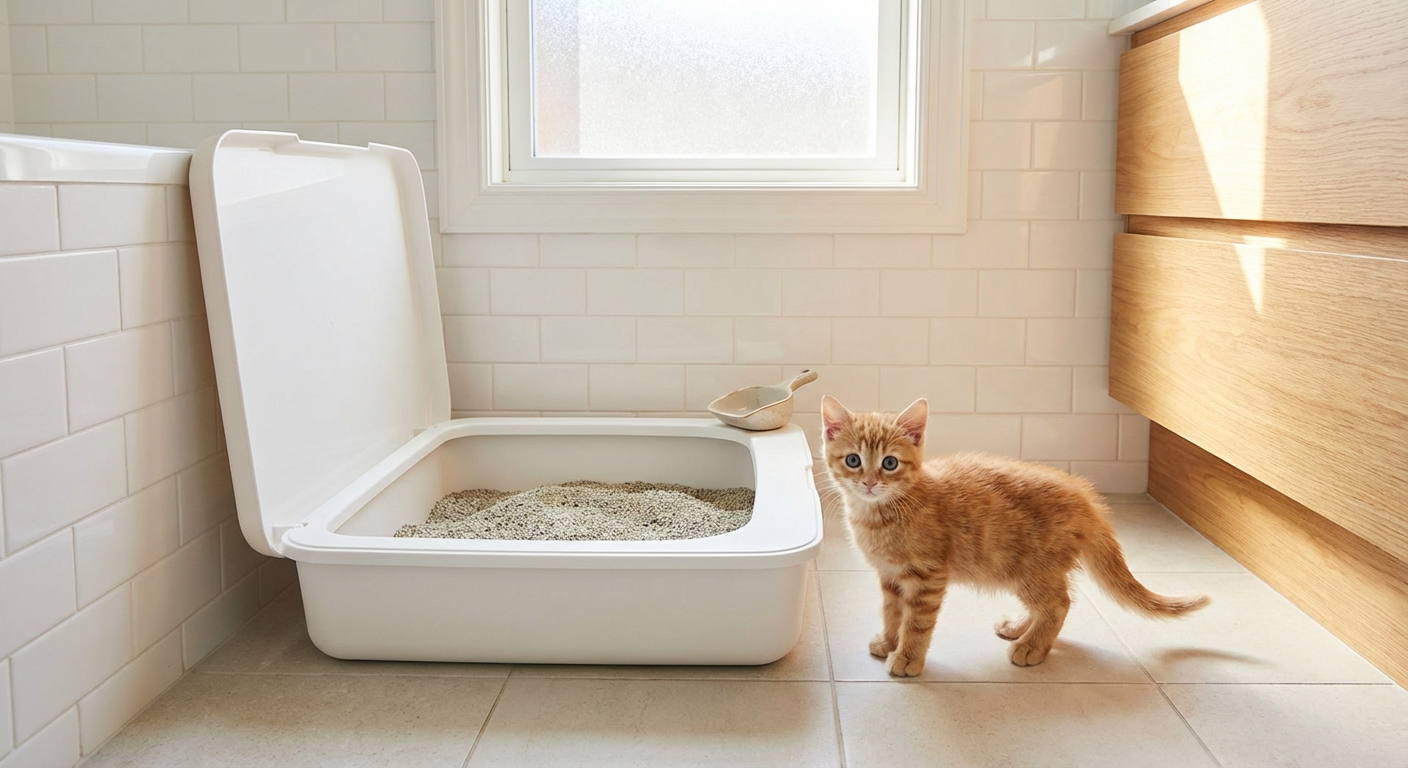
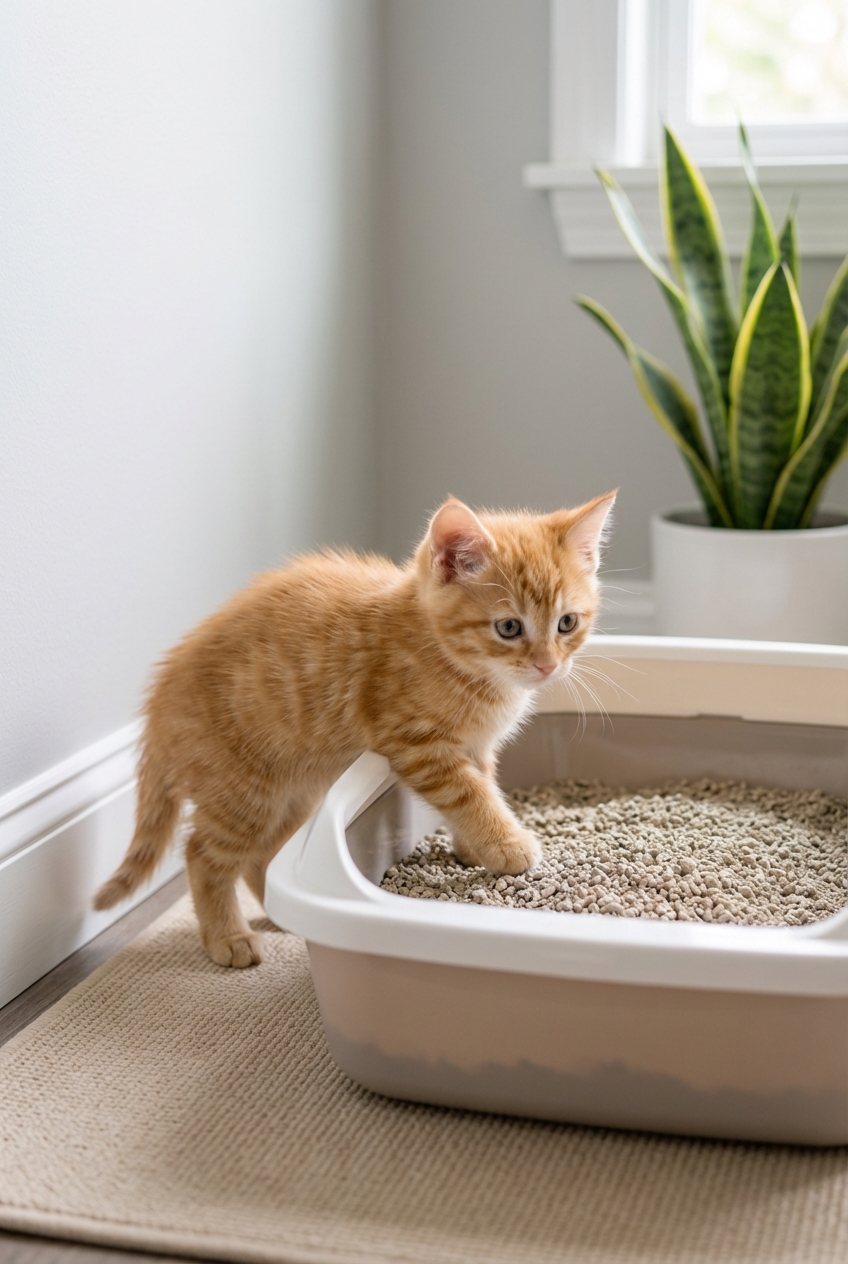
- Low entry: Kittens have short legs. A low-sided box makes it easy to get in and out.
- Size: Big enough to turn around comfortably. If it is too large, some kittens may feel exposed at first, so a small to medium box often works best early on.
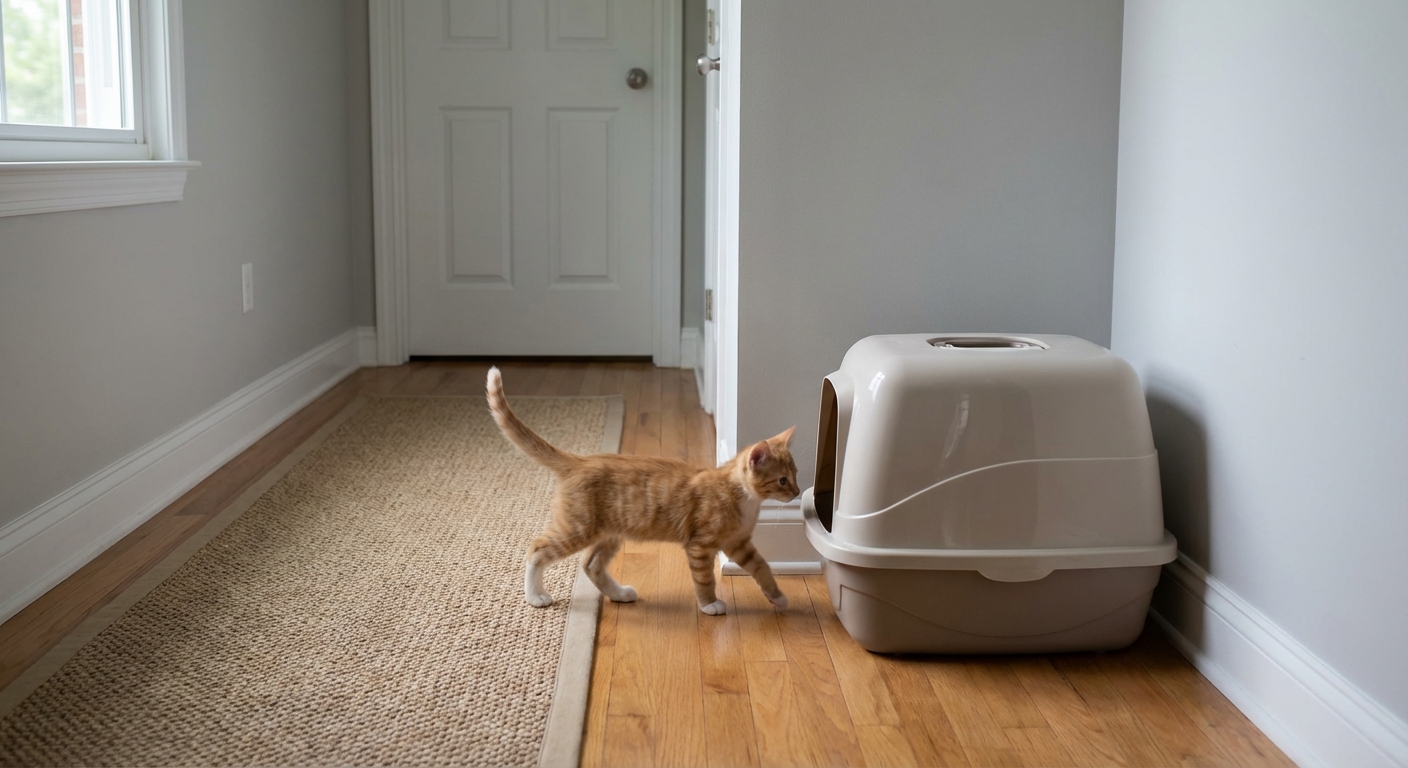
- Open vs. covered: Many kittens do better with an uncovered box at first. Some cats dislike covered boxes (and limited ventilation can concentrate odors). If you prefer a covered box later, switch once habits are solid.
Pick a litter that is safe and appealing
- Unscented, fine-grain litter is a great starting point. Many kittens prefer a soft texture.
- Avoid strongly scented litters at first. Cat noses are sensitive, and fragrance can discourage use.
- Use clumping litter cautiously with very young kittens: Some kittens try to taste or inhale litter. Depending on the kitten and litter type, this may raise concerns about stomach upset or, rarely, obstruction. If your kitten is under about 8 to 10 weeks or seems mouthy, ask your veterinarian what litter is safest for your situation.
Set the right litter depth
- Start with about 2 to 3 inches of litter in the box.
- If your kitten seems to sink, avoid it, or fling litter everywhere, try a little less. Some kittens prefer a thinner layer.
Place the box in the right location
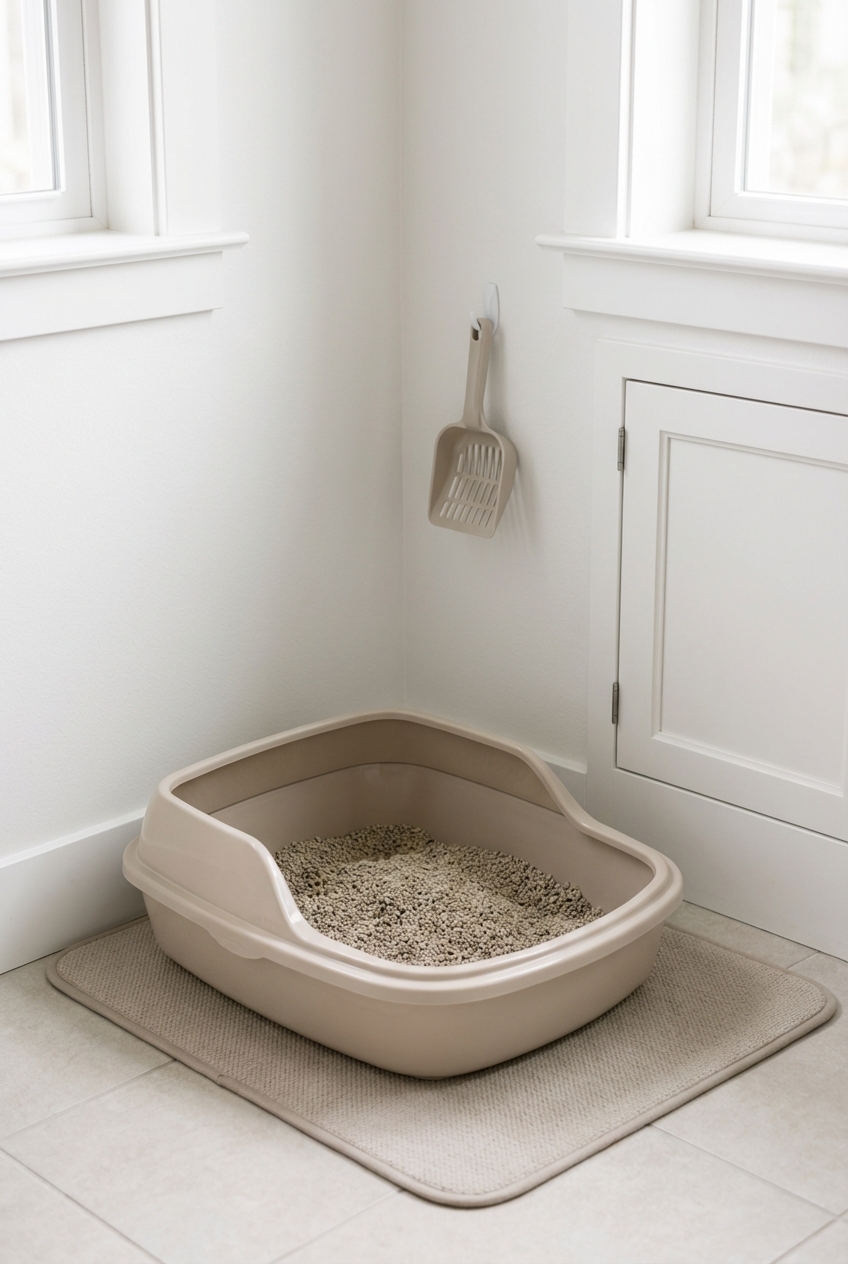
- Quiet and easy to access: A bathroom or laundry room can work well.
- Away from food and water: Most cats prefer distance between eating and bathroom areas.
- Not next to loud machines: A washer starting a spin cycle can frighten a kitten and create avoidance.
- Easy escape route: Avoid tight dead-end spaces where a kitten could feel trapped.
Step-by-step litter box training
These steps keep things simple and consistent. Consistency is what teaches your kitten, not punishment.
1) Start with a small home base
For the first few days, limit your kitten to one kitten-proofed room with the litter box, food, water, and bed. This helps them learn where the box is before they have the run of the house.
Tip: Use at least one box in the room. If the space is large or your kitten is having accidents, add a second box temporarily.
2) Show the box at the right times
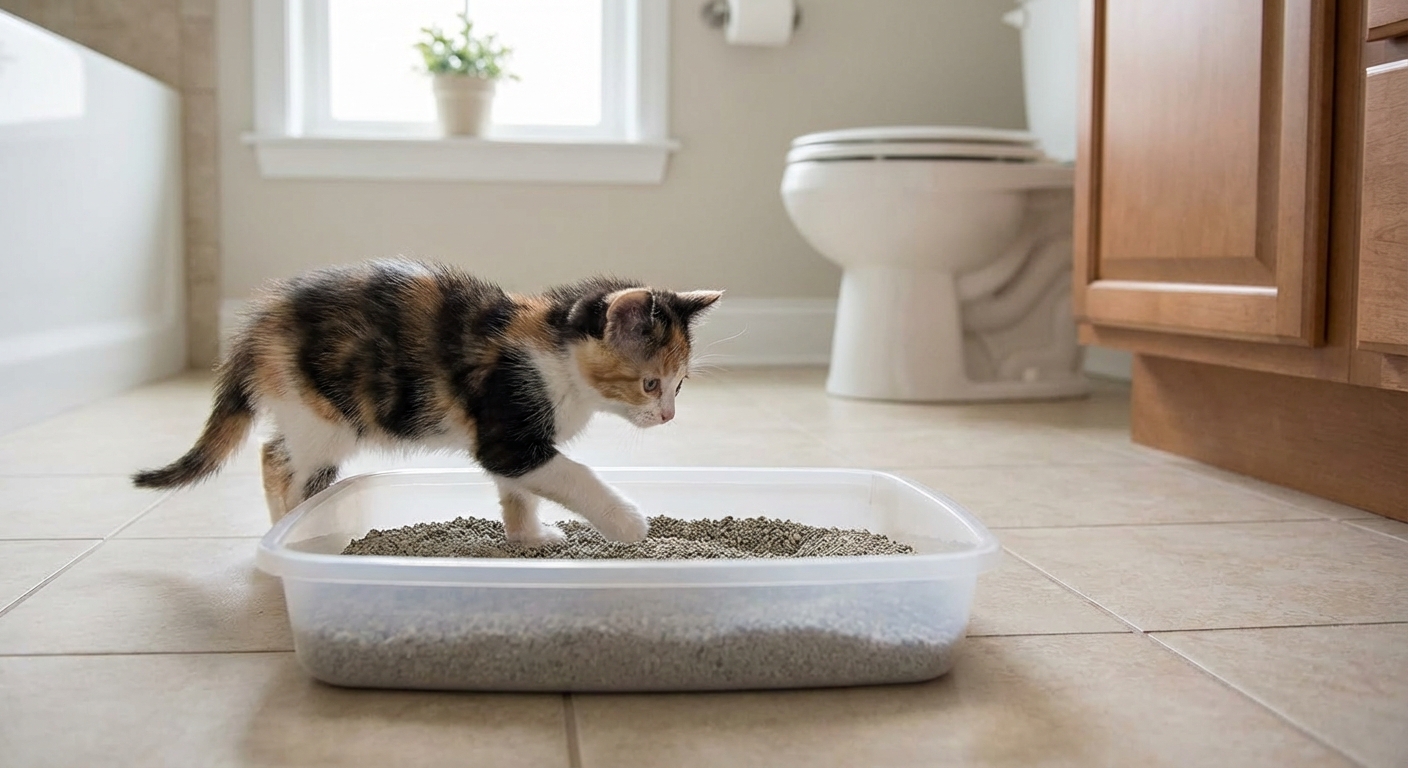
Gently place your kitten in the litter box:
- Right after waking up
- After meals
- After play sessions
- Anytime you notice sniffing, circling, or heading to a corner
Let them hop out if they want. The goal is familiarity and comfort.
3) Encourage digging, but do not force it
You can lightly scratch the litter with your fingers to model digging. If your kitten mirrors you, great. If not, that is okay. Many kittens learn by routine exposure.
4) Praise softly, reward simply
If your kitten uses the box, offer calm praise and maybe a tiny treat or a few seconds of gentle petting. Keep it low-key so you do not startle them mid-task.
5) Clean accidents the right way
- Blot urine and clean with an enzymatic cleaner made for pet accidents.
- Avoid ammonia-based cleaners, which may smell like urine to pets and can encourage repeat marking.
- Skip punishment: Do not rub your kitten’s nose in it, yell, or spray water. These increase fear and do not teach litter box skills.
If you catch your kitten mid-accident, calmly scoop them up and place them in the box. If they finish there, give gentle praise.
How many litter boxes do you need?
A helpful rule is one box per cat, plus one extra. In a multi-level home, put at least one on each floor. For a single kitten in a small apartment, one well-placed box may be enough, but adding a second during training can reduce accidents.
Common mistakes that cause accidents
When a kitten avoids the box, it is usually one of these fixable issues.
Box is too hard to reach
If your kitten is exploring a bigger space, add additional boxes temporarily. Think of it like adding rest stops on a road trip.
Box is not clean enough
- Scoop at least once daily (twice daily is even better in the training phase).
- Wash the box weekly or as needed with mild soap and warm water, then dry well.
- Top up litter as needed. Dump and refresh the whole box about every 1 to 4 weeks depending on litter type, number of cats, and odor control.
Litter texture or scent is disliked
If your kitten seems to step in and jump right out, try switching to a softer, unscented litter. When changing litter, do it gradually by mixing old and new over several days.
Box feels unsafe
Kittens will avoid a box if they were startled near it or if another pet ambushes them. Ensure the box is in a low-traffic area, and give your kitten uninterrupted access.
Box is hard to get into
A high-sided box can be tough for small kittens (and for any cat who is ill or sore). If you notice hesitation or awkward climbing, switch to a low-entry box.
Special situations
Training a rescued or feral-born kitten
These kittens may be more cautious. Keep the environment quiet, reduce handling until trust builds, and stick to a small home base longer. You can also add a small handful of soil on top of the litter for a day or two to encourage the natural instinct to eliminate in a dirt-like surface, then phase it out.
Switching from one litter type to another
Mix the new litter into the old litter over 5 to 7 days. A sudden change is a common reason for box refusal.
If your kitten keeps going in the same spot
- Block access temporarily with a closed door or a baby gate if safe.
- Clean thoroughly with enzymatic cleaner.
- Place a litter box near that location for a short period, then slowly move it to the preferred spot.
Stress and regression
Even a kitten who was doing well can have accidents during change. Common triggers include moving, visitors, construction noise, schedule changes, or a new pet. Go back to the home base setup for a few days, add an extra box, and keep routines calm and predictable.
Puppy pads
Puppy pads can be used as short-term management (for example, during travel, recovery, or while you are troubleshooting), but they can also teach a habit of going on soft surfaces. If you use them, place them right beside the litter box and work toward transitioning fully to the box.
When to call your veterinarian
Litter box problems can be medical, even in young kittens. Reach out to your veterinarian promptly if you notice:
- Frequent trips to the box with little or no urine
- Crying, straining, or discomfort while urinating or defecating
- Blood in urine or stool
- Diarrhea lasting more than 24 hours, or any diarrhea with lethargy
- Constipation or hard, dry stool
- Sudden change in litter box habits after doing well
Urinary issues can become serious quickly. Male cats and male kittens can develop a urinary blockage, which is an emergency. It is always better to check early.
A simple training routine
If you want an easy plan, try this for the first week:
- Morning: Place kitten in the box after waking and after breakfast.
- Midday: Short play session, then place kitten in the box.
- Evening: Place kitten in the box after dinner and before bedtime.
- All week: Scoop daily, keep the area quiet, and reward successful use.
Most kittens do not need intensive training. They need a box that feels safe, easy to reach, and pleasant to use, plus a routine that makes success likely.
Bottom line
Litter box training is mostly about making the right choice the easiest choice. Start small, keep the setup kitten-friendly, praise success, and treat accidents like clues. If something feels off or your kitten seems uncomfortable, trust your instincts and call your veterinarian.