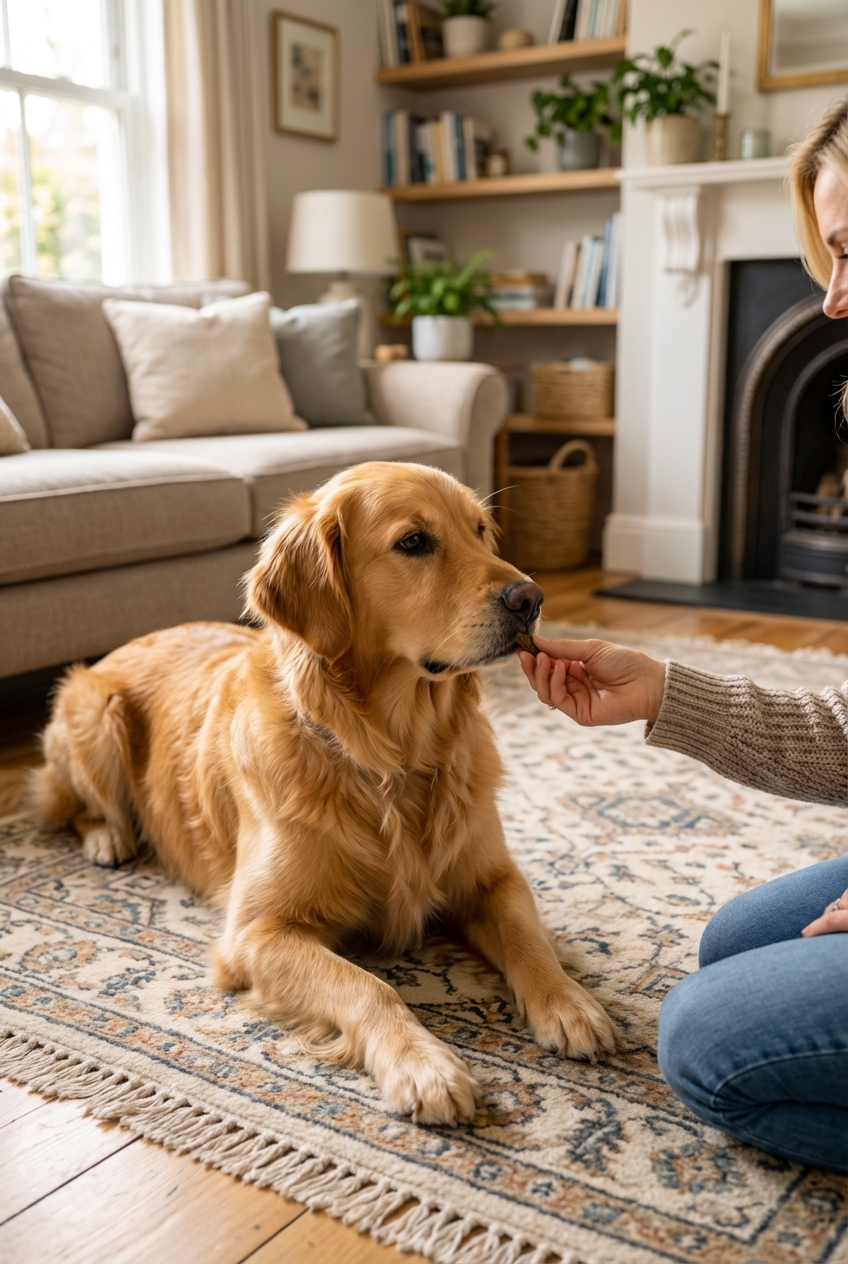
A step-by-step, force-free guide to teaching “down” for real-world calm. Learn luring, under-the-leg, and capture methods, plus duration, release cues, p...
Article
•
Designer Mixes
Train a Dog to Lie Down

Shari Shidate
Designer Mixes contributor
Teaching a dog to lie down is one of those deceptively simple skills that pays off for years. “Down” helps with calm greetings, leash manners, impulse control, and safe handling at the vet or groomer. And the best part is you can teach it with kindness, clarity, and a few tiny treats.
As a veterinary assistant in Frisco, Texas, I love this cue because it is practical for real life. A dog who can smoothly settle into a down is often easier to examine, less stressed, and more confident in new places.
Before You Start
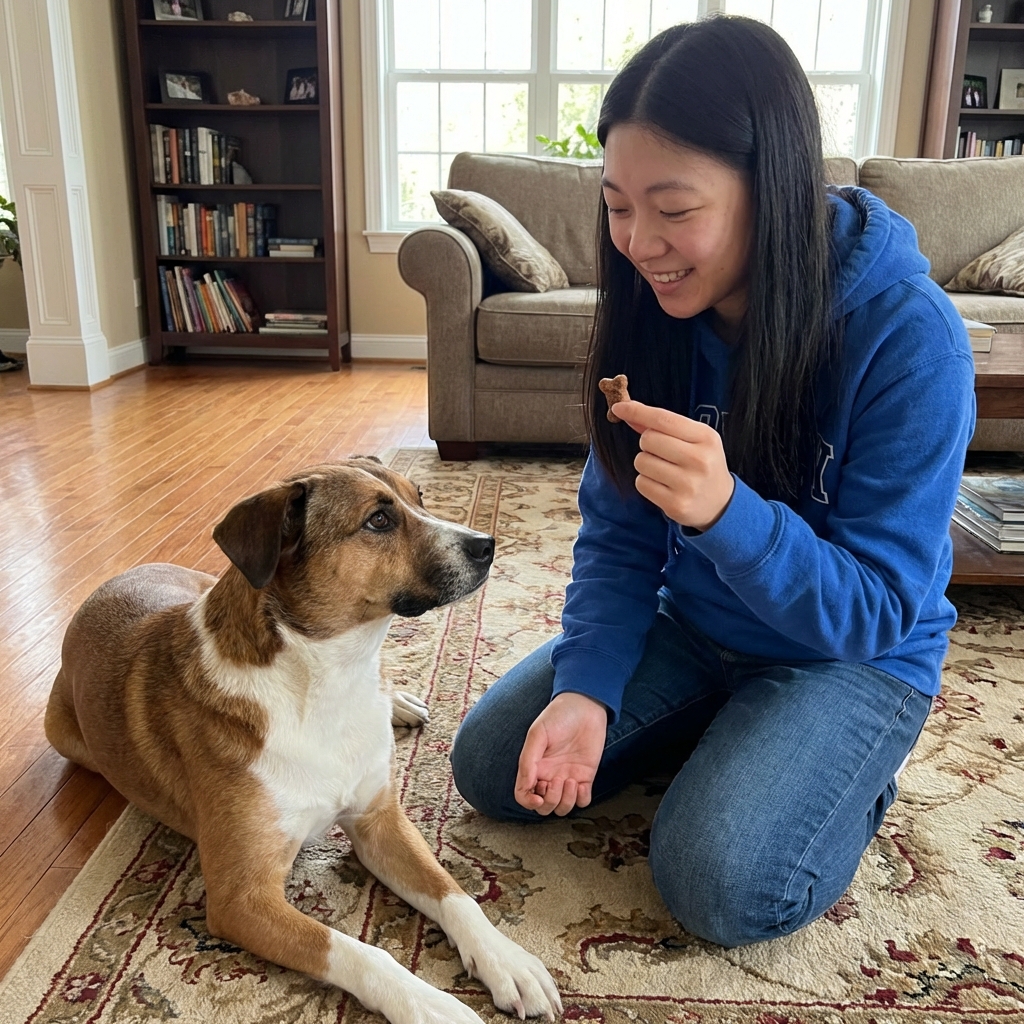
What you need
- High-value, pea-sized treats (soft is best so you can reward quickly)
- A clicker or a consistent marker word like “Yes”
- A non-slip surface like carpet, yoga mat, or a towel
- 2 to 5 minutes for a session
Set your dog up for success
Choose a quiet space and train when your dog is a little hungry, not overly tired or wild. If your dog is worried, distracted, or stiff, training can feel frustrating for both of you. Keep it easy at first and build from there.
Health note: If your dog seems reluctant to bend elbows, tuck hips, or gets up quickly like something hurts, pause training and talk with your veterinarian. Arthritis, hip pain, elbow issues, or nail discomfort can make “down” unpleasant.
How Dogs Learn “Down”
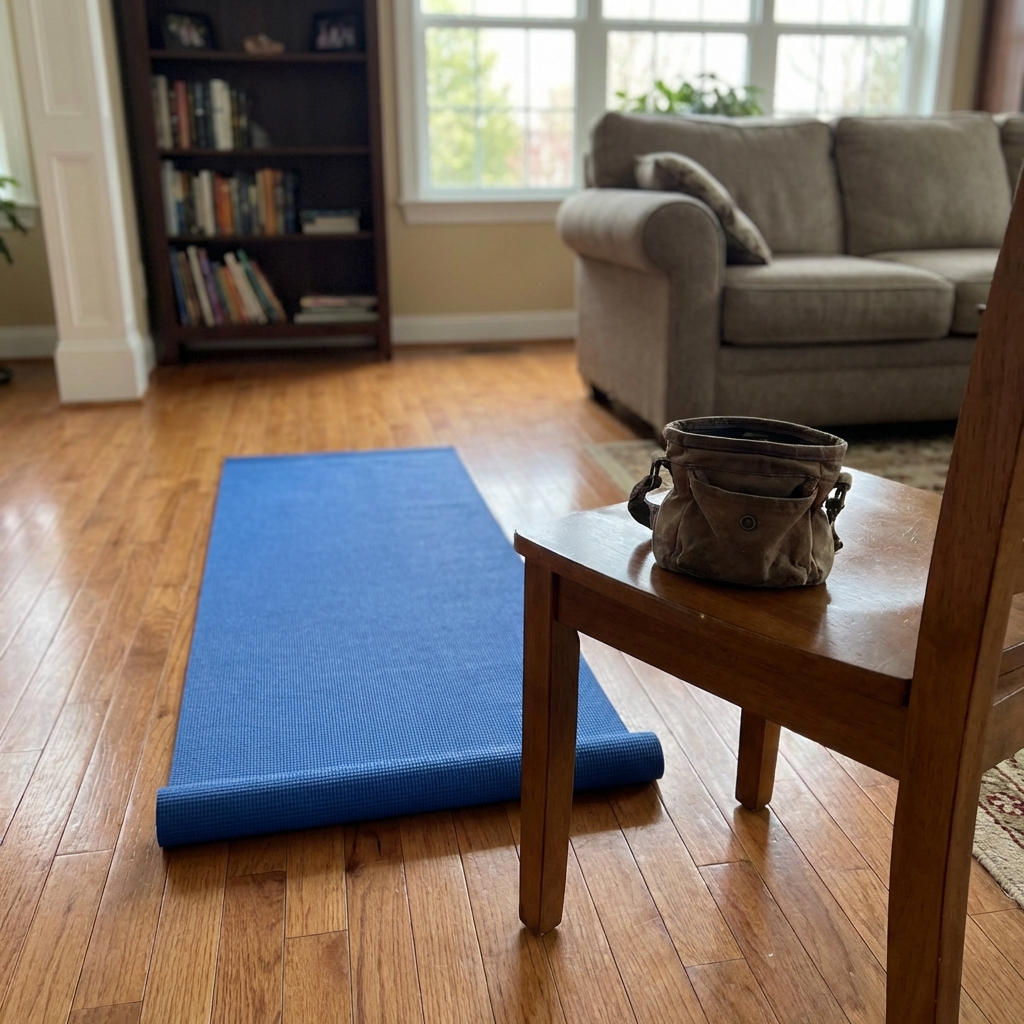
Many dogs learn fastest with positive reinforcement, meaning we reward the behavior we want so it happens more often. You will also use luring (guiding with a treat), then transition to capturing and shaping (rewarding progress and choices) so your dog can do it without seeing food in your hand.
Training should feel like a game. If you feel yourself getting tense, take a break. Calm, consistent, and short sessions win every time.
Before You Pick a Cue
Quick note: some households use “down” to mean “get off” (off the couch, off people, off the counter). If “down” already means “off” in your home, consider using a different cue like “Lie down,” “Settle,” or “Drop.” The goal is one word, one meaning.
Method 1: Lure From a Sit
This works well for many dogs, especially if they already know “sit.”
Step-by-step
- Start in a sit. Mark and treat the sit once if needed to confirm focus.
- Bring the treat to your dog’s nose, then slowly move it straight down toward the floor between their front paws.
- Once their nose follows to the floor, keep the treat on the floor and slide it slightly forward, away from your dog, as if you are drawing a small “L” shape along the ground.
- The moment elbows hit the floor, mark (“Yes” or click) and give the treat.
- Reward again while they are still down with 1 to 2 extra treats delivered low, between the paws, to encourage staying down.
Common snag: If your dog pops up or backs away, slow down and keep the lure close to the floor. Many dogs stand because the treat hand rises even a little.
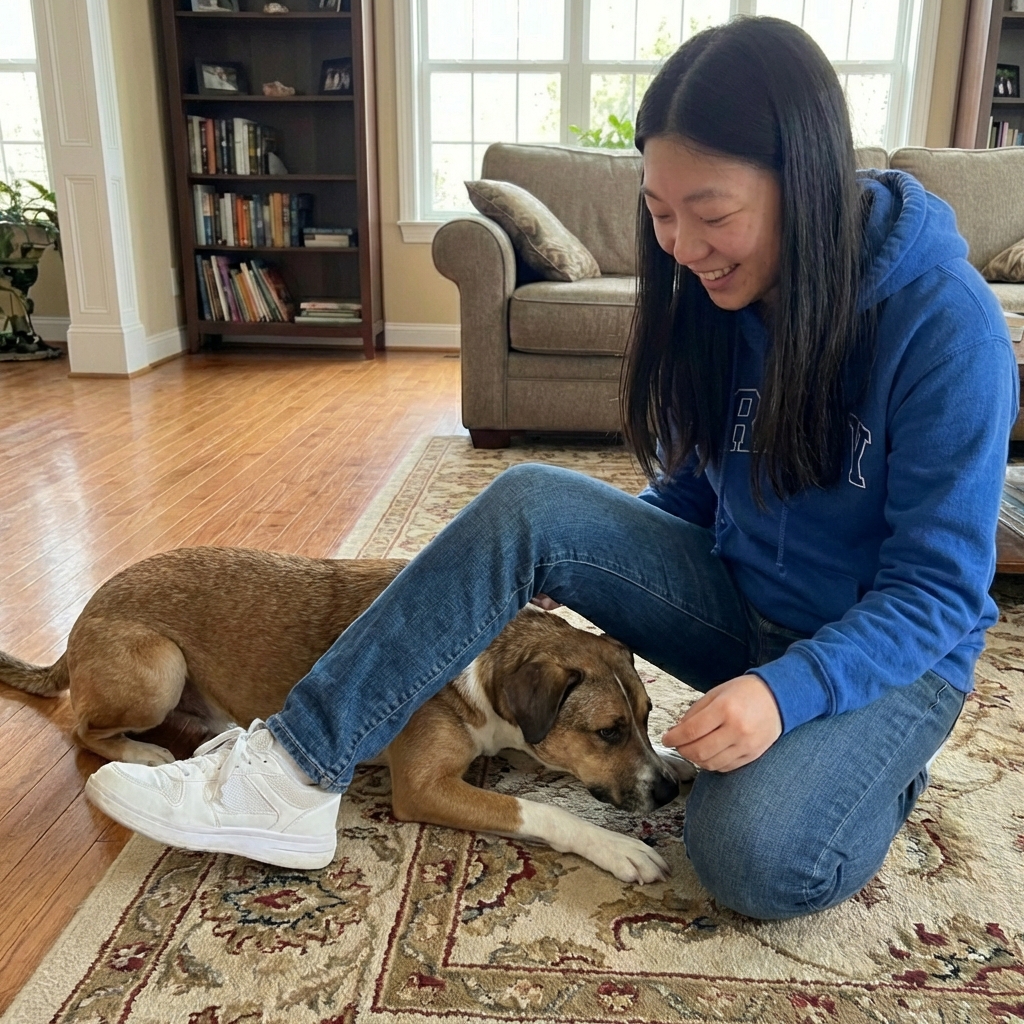
Method 2: Lure Under a Bridge
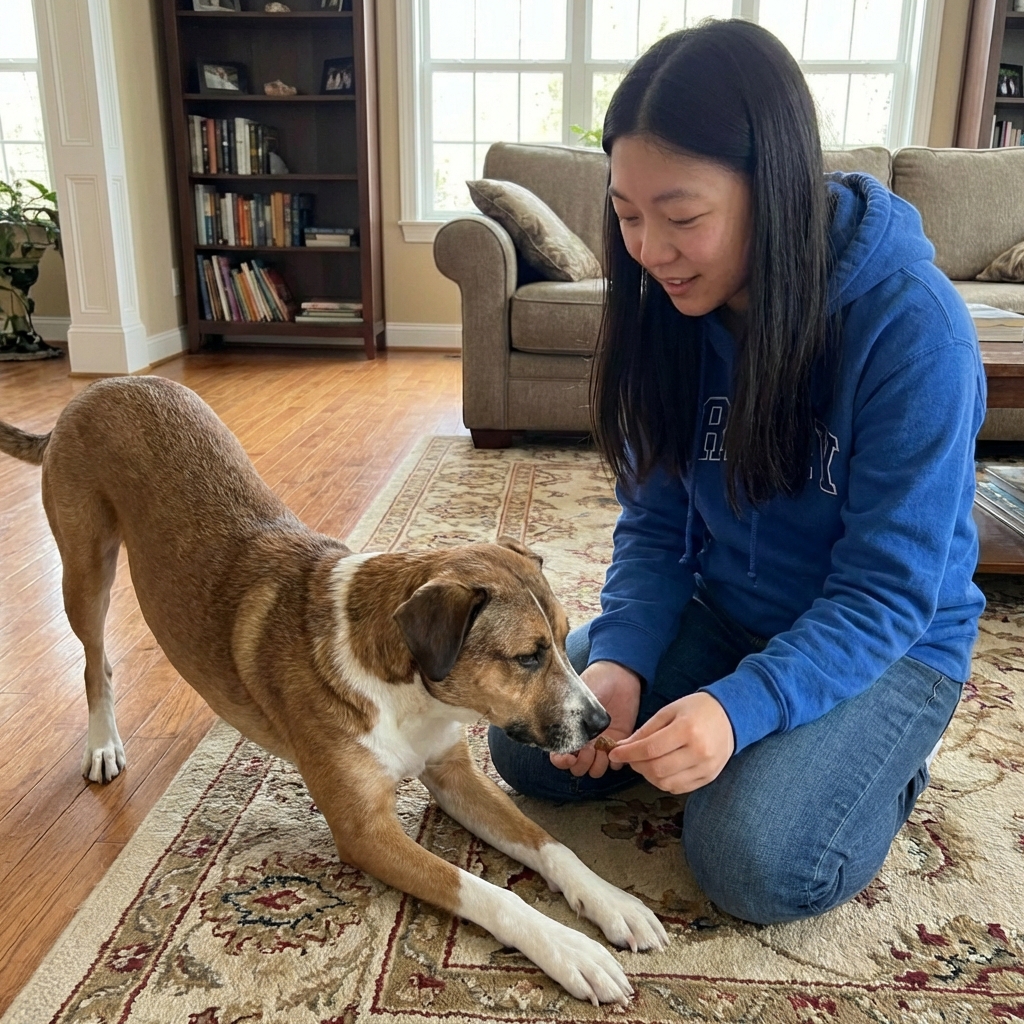
Some dogs are tall, wiggly, or simply prefer standing. This method gently encourages the down position without pushing or forcing.
How to do it
- Sit on the floor and make a “bridge” with your bent leg or your arm, leaving a low opening.
- Place the treat on the far side of the opening so your dog has to duck under.
- When your dog lowers their body to crawl, mark and reward.
- Gradually wait for a full down, then mark and reward when elbows hit the floor.
Keep this fun and brief. The goal is to help your dog discover the body position, not to trap them.
Method 3: Capture the Down
If your dog naturally lies down during the day, you can teach “down” with zero luring.
How to capture it
- Have treats ready.
- When your dog lies down on their own, calmly say “Yes,” then give a treat.
- After several repetitions, begin to say the cue “Down” as your dog starts to lower, then mark and reward.
This method can create a very strong behavior because your dog is choosing it themselves.
Adding the Cue and Signal
Only add the verbal cue when you are about 80% sure your dog will do the behavior. Otherwise, your dog practices ignoring the word, which is the opposite of what we want.
A simple progression
- Dog is reliably following the lure into down.
- Say “Down” one second before you move your hand.
- Reward as soon as the down happens.
- Over time, make the hand motion smaller.
- Eventually, say “Down” with an empty hand, then reach for the treat with your other hand.
Tip: Many owners accidentally turn “down” into “down down down” (repeating). Say it once, then help your dog succeed.
Build Duration
After your dog can get into position, the next skill is staying there calmly. Duration is where real-life usefulness happens.
Start with this easy pattern
- Ask for “Down.”
- Feed 3 to 5 tiny treats one at a time while your dog remains down.
- Pause for one second, then treat again.
- Gradually increase the pause: 1 second, 2 seconds, 3 seconds.
If your dog gets up, that is not “disobedience.” It is information. You increased difficulty too fast. Simply reset and make it easier.
Release word: Teach a release like “OK” or “Free” so your dog knows when the down is finished. Reward the release sometimes too, because clear endings reduce frustration.
Add Difficulty
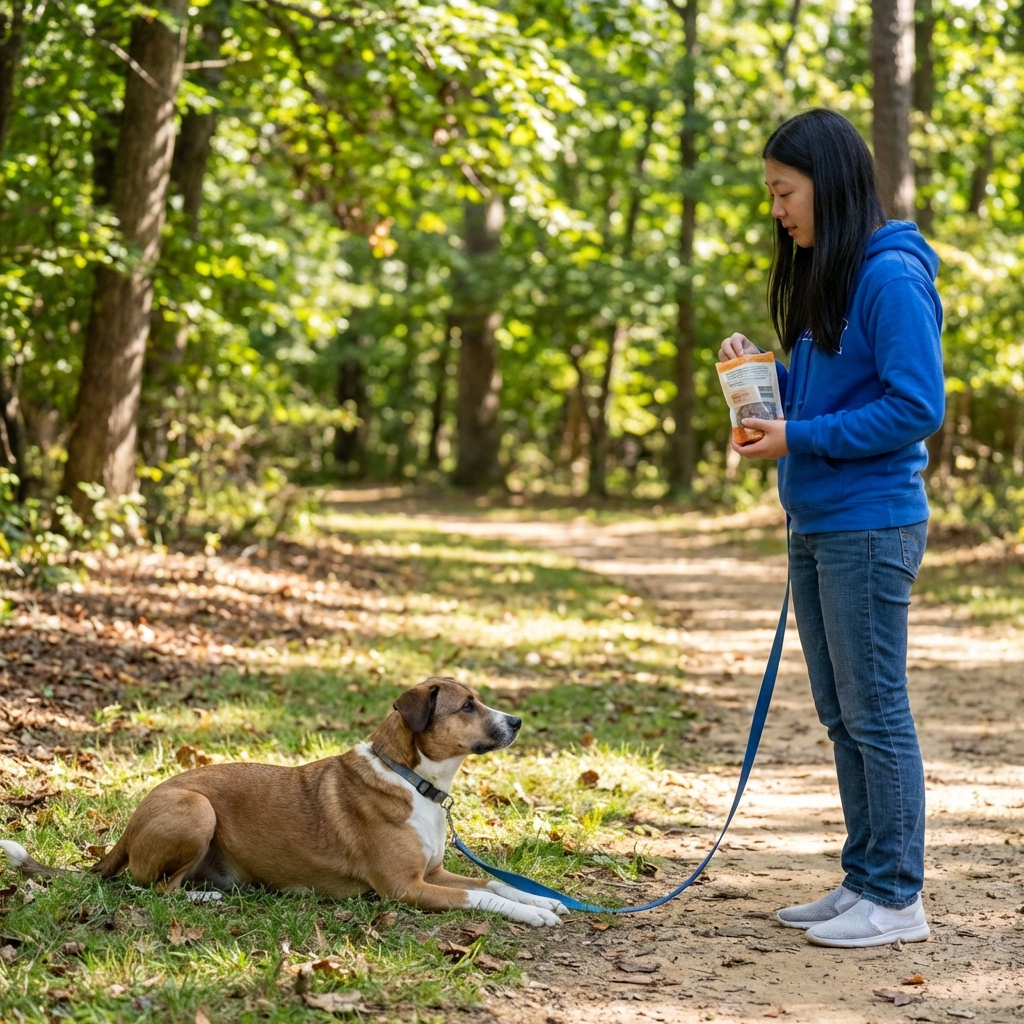
Dogs do not automatically generalize cues. “Down” in your kitchen is not the same as “down” at the park. You will need to practice in many places.
Use the 3 D’s
- Duration: How long the dog stays down
- Distance: How far away you are
- Distraction: What else is happening
Increase only one D at a time. If you increase two or three, most dogs struggle.
Easy practice locations
- Living room with the TV on low
- Backyard on leash
- Front yard while a neighbor walks by at a distance
- Pet-friendly store near the entrance during a quiet time
Troubleshooting
My dog crawls forward instead of lying down
Your lure may be too far forward. Bring it down between the paws first, then move forward just a few inches along the floor.
My dog drops into down too fast
This can happen with very food-motivated dogs. Reward more calmly and feed treats low and slow. You can also ask for “down,” then reward after a half-second of stillness.
My dog refuses on hard floors
Many dogs dislike slippery or cold surfaces. Train on a mat, then gradually practice on different textures. For some dogs, a mat becomes a comfort cue for relaxing.
My dog rolls onto their hip or does a “lazy down”
This is often fine, especially for daily life. If you need a square down for sport work, reward only the straighter versions and keep sessions short. If your dog consistently avoids a certain position, consider a vet check for discomfort.
My dog only does it when I have treats
That is normal early on. Transition by hiding treats in a pocket or on a counter, rewarding after the down. Once your dog is responding reliably, start mixing it up: reward some downs with food, and some with life rewards like going outside, getting a toy, or being invited onto a bed.
As your dog improves, you can shift from rewarding every single repetition to rewarding unpredictably (every 1st, then 2nd, then 1st, then 3rd). That intermittent pattern helps the behavior stay strong without needing a treat every time.
If Down Is Uncomfortable
Some dogs struggle with down because of body shape, age, or mobility limits. If your dog seems uncomfortable or hesitant even on a non-slip mat, talk with your veterinarian and consider teaching an alternative calm behavior you can still use in real life, like:
- Settle on a mat (relaxing with elbows bent or in a comfortable sprawl)
- Chin rest (resting the chin in your hand or on a towel for gentle handling)
- Sit and stay as a temporary substitute while you build comfort and strength
How Long Does It Take?
Many dogs learn the basics of “down” in a few short sessions. Reliability around distractions can take a few weeks or longer. That is not failure, that is normal learning.
Think of training like nutrition. A few solid choices, repeated consistently, create lasting results. With “down,” a few minutes a day builds a behavior you will use for years.
Safety Tips
- Never push your dog’s shoulders down. It can create fear and resistance.
- Avoid long sessions. Stop while your dog still wants more.
- Watch body language. Lip licking, yawning, turning away, or pinned ears can be signs of stress. Make it easier.
- Keep treats tiny. In a 2 to 5 minute session, you might go through dozens of tiny rewards, so size matters.
Quick Practice Plan
Days 1 to 2
- 2 to 3 sessions/day, 2 minutes each
- Lure into down and reward fast
Days 3 to 4
- Add the cue word “Down” right before the lure
- Begin rewarding an extra treat for staying down one second
Days 5 to 6
- Reduce the lure motion
- Practice in a second room or on the porch
Day 7
- Practice 5 to 10 easy repetitions with mild distractions
- Start using a release word consistently
If you need to go slower, go slower. A calm, confident down is the goal.