Treat your cat with simple, protein-first DIY snacks. Get 5 quick recipes plus vet-style guidance on safe ingredients, portion limits, storage, and introduci...
Article
•
Designer Mixes
Toyger Cat Breed: Personality, Care, and What to Know Before You Adopt

Shari Shidate
Designer Mixes contributor
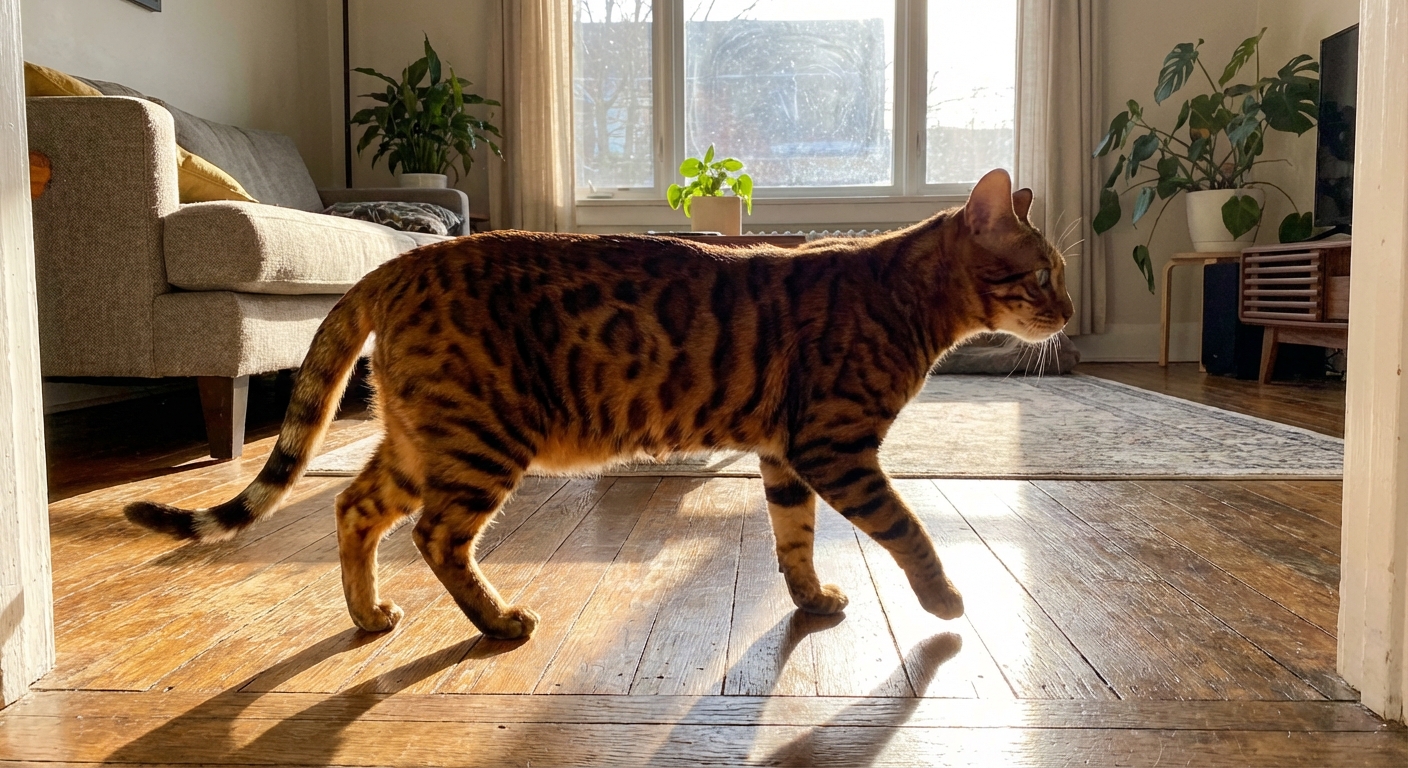
Meet the Toyger: A Domestic Cat With a Tiger Inspired Look
The Toyger is a striking domestic cat breed developed to resemble a “toy tiger” in the most affectionate sense. With its bold, high-contrast striping, confident posture, and alert expression, the Toyger often turns heads. But beyond the beautiful coat, this breed is typically known for being social, people-oriented, and adaptable, which can make it a wonderful companion for many households.
On Designer Mixes, we love breeds that pair distinctive looks with a lifestyle-friendly temperament. The Toyger can be a great fit if you want a cat who enjoys company and interaction rather than a pet who disappears for most of the day.
Quick Facts at a Glance
- Size: Medium, athletic build
- Typical adult weight: About 7 to 15 pounds (varies by sex, genetics, and conditioning)
- Typical lifespan: Often 12 to 15+ years with good care (individuals vary)
- Coat: Short, plush, usually moderate shedding
- Allergies: Not hypoallergenic (no cat is truly hypoallergenic)
Origin and Breed History
The Toyger is a relatively modern breed. It was developed in the United States beginning in the 1980s, with intentional selection to create a coat pattern and body type reminiscent of a tiger while keeping the temperament and manageability of a domestic cat. The breed’s development is often associated with breeder Judy Sugden, who focused on refining the bold striping and overall tiger-like impression.
It is also worth clarifying the breed’s foundation. Early Toygers were developed using domestic cats, including Bengal cats , to help establish the desired pattern and overall look. Bengals have hybrid ancestry in the breed’s development (the Asian Leopard Cat is in the Bengal’s foundation). Toygers today are bred and kept as domestic cats, and the goal has always been a tiger-inspired appearance with no direct breeding with wild big cats.
Today, Toygers are recognized by some cat associations. For example, The International Cat Association (TICA) recognizes the Toyger. Because it is a newer and less common breed, availability can be limited, and reputable breeders may have waitlists.
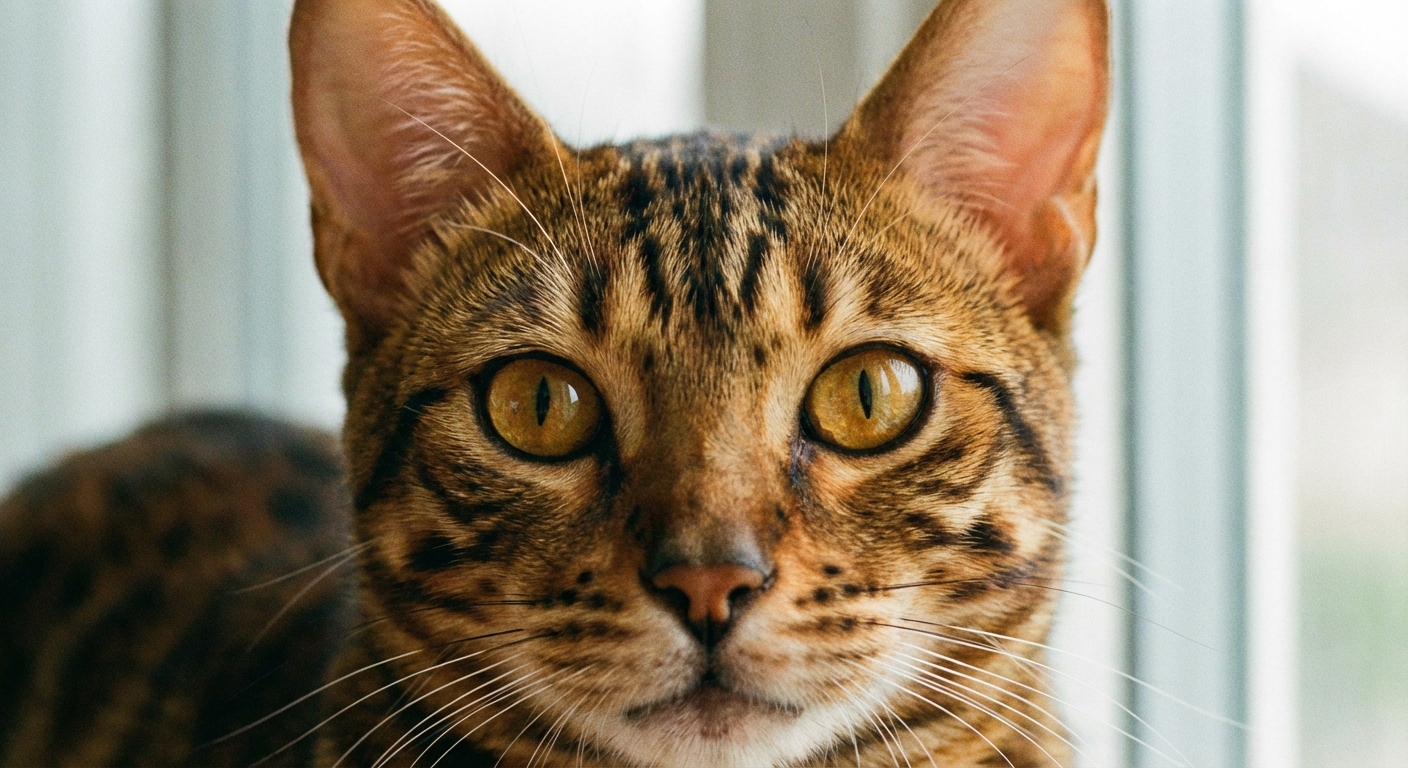
Appearance: Size, Coat, and Signature Markings
Toygers are medium-sized cats with a strong, athletic build. Many have a long body, solid musculature, and a confident gait. Their coat is usually short, dense, and plush, with a noticeable sheen in good lighting.
What makes the Toyger look so unique?
- Bold striping: The hallmark is high-contrast striping that can appear broken or branched, helping create a tiger-like effect.
- Warm base color: Many Toygers have a warm background tone that may range from orange to brown or tan.
- Facial patterning: Distinctive facial markings can add to the big cat look.
- Coat texture: Short, soft, and generally straightforward to groom compared with long-haired breeds.
Keep in mind that coat patterns can vary by line, and markings can change as kittens mature. A reputable breeder can explain what to expect as your kitten grows.
Temperament: Social, Confident, and Often People-Focused
While every cat is an individual, Toygers are commonly described as outgoing, affectionate, and engaged with their families. Many enjoy being in the same room as their people, greeting visitors, and participating in household routines.
From a wellness perspective, temperament matters. A cat who enjoys interaction is often easier to enrich mentally, which can support a healthier weight and reduce boredom-related behaviors.
Common personality traits
- Friendly: Often comfortable around familiar adults and respectful children.
- Playful: Many Toygers stay kitten-like in play for years.
- Trainable: With patience, some can learn basic cues, harness walking, or interactive games.
- Social: In the right setup, Toygers can live well with another cat or a cat-friendly dog, especially with slow, structured introductions.
Is a Toyger a Good Pet for Your Home?
For many households, yes. Toygers can do well in apartments or larger homes as long as their social and activity needs are met. They are often a great match for people who want a cat that feels like a true companion rather than a purely independent pet.
A Toyger may be a good fit if you:
- Want an interactive, people-oriented cat
- Enjoy play sessions, puzzle toys, and routine enrichment
- Can offer daily attention and gentle handling
- Prefer a short-coated breed with straightforward grooming
You may want to think twice if you:
- Are away from home frequently with little time for interaction
- Prefer a very low-energy, highly independent cat
- Do not want to budget for quality food, preventive vet care, and enrichment
If you work long hours, consider adopting two compatible cats or ensuring your Toyger has structured enrichment to reduce loneliness and boredom.
Health: What to Watch For
Toygers are generally considered robust, but like all purebred cats, they can be predisposed to certain inherited or breed-associated issues depending on their lines. Because Toygers are relatively rare, breed-specific data can be limited, and risk can vary from one breeding program to another. Your best protection is choosing a responsible breeder who prioritizes health testing and provides transparent veterinary documentation.
Potential concerns to discuss with a veterinarian
- Heart health: Hypertrophic cardiomyopathy (HCM) is seen across many cat populations. Ask what screening is done in the breeding lines and what your vet recommends for monitoring.
- Weight management: Social cats who love treats can gain weight if activity and portions are not monitored.
- Dental health: Dental disease is common in cats. Routine home care and professional cleanings as advised can make a big difference.
Ask your breeder and your vet about appropriate screening, including cardiac evaluation if indicated, and maintain regular wellness visits. Early detection is one of the most practical tools we have for supporting long-term health.
Care and Grooming: Simple, Consistent, and Cat-Friendly
Toygers typically have a short coat that is easy to maintain. That said, “low-maintenance” does not mean “no maintenance.” A few small routines, done consistently, support comfort and health.
Grooming basics
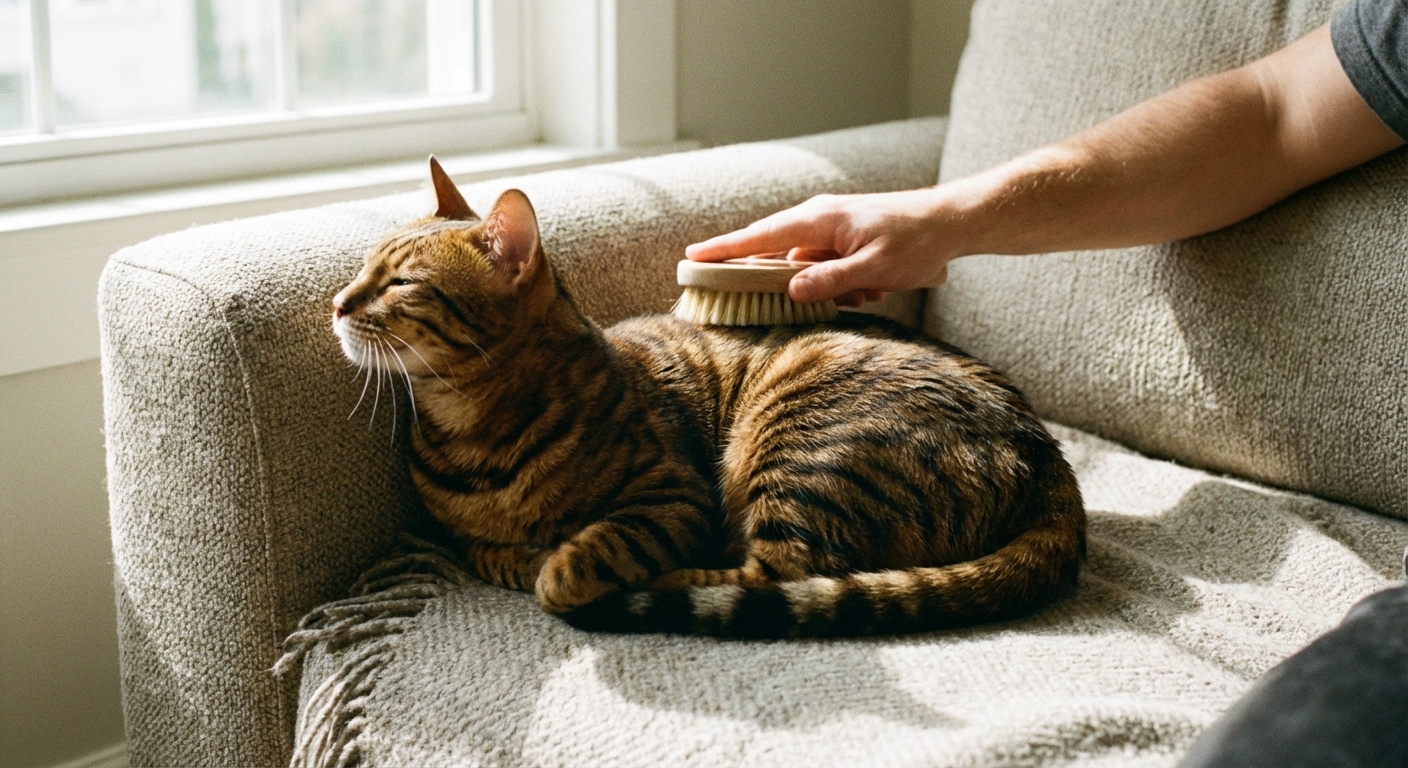
- Brushing: Once weekly is often enough to remove loose hair and reduce shedding.
- Nail trimming: Every 2 to 4 weeks, depending on growth and scratching habits.
- Ear checks: Weekly quick look for redness, odor, or buildup.
- Dental care: Brush when possible, or use vet-recommended dental supports if brushing is not tolerated.
Litter box tips
- Provide one box per cat, plus one extra when possible
- Scoop daily to encourage consistent use
- Place boxes in quiet, accessible locations
Nutrition and Healthy Weight: A Foundation for Long-Term Wellness
Nutrition is where small choices add up. A steady routine with high-quality food, measured portions, and regular play can help support joints, heart health, and overall vitality.
Practical feeding guidance
- Choose complete and balanced food: Look for a reputable brand formulated for your cat’s life stage.
- Prioritize protein: Cats are obligate carnivores and thrive on diets designed for their needs.
- Measure portions: Free-feeding can lead to gradual weight gain, especially in social cats who snack when bored.
- Support hydration: Many cats drink more with a cat water fountain and multiple water stations.
Your veterinarian can help you choose the right calorie target and body condition goal, especially after spay or neuter when metabolism may shift.
Exercise and Enrichment: Keeping Your Toyger Happy Indoors
Toygers tend to enjoy play and interactive attention. Think of enrichment as preventive care for the mind and body. It helps reduce stress, supports healthy weight, and can decrease unwanted behaviors.
Enrichment ideas Toygers often enjoy
- Interactive play: Wand toys, feather toys, and short hunt sessions 1 to 2 times daily
- Food puzzles: Treat balls or puzzle feeders to slow eating and engage natural foraging instincts
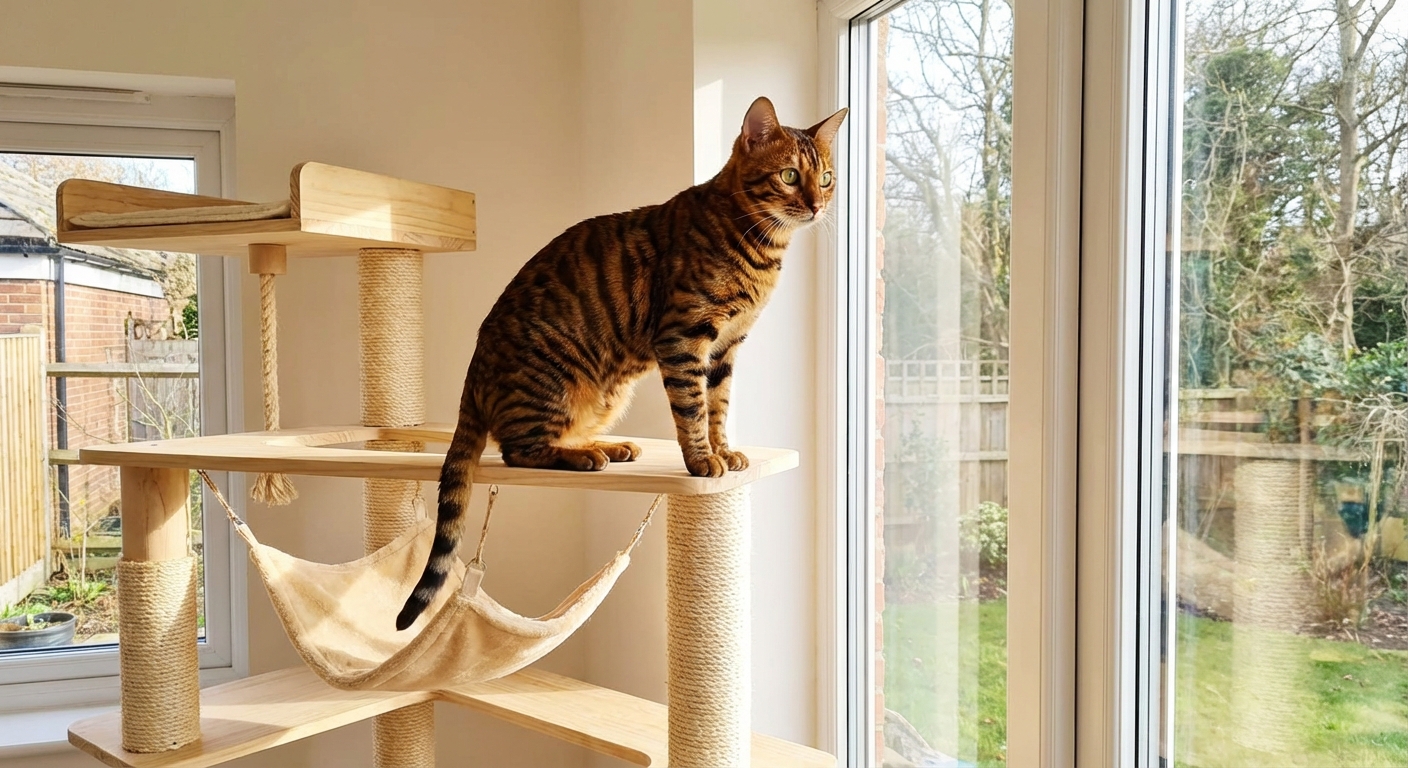
- Vertical space: Cat trees, window perches, and shelves for climbing and observation
- Training: Clicker basics, target training, or harness introduction for confident cats
Family Life, Kids, and Other Pets
Many Toygers do well in family environments, especially when children are taught calm, respectful handling. Social breeds can thrive with gentle interaction, predictable routines, and safe quiet zones where the cat can retreat.
Helpful setup for harmony
- Create a calm resting area away from high traffic
- Use slow introductions with other cats or dogs
- Reward calm behavior and avoid forcing interactions
- Provide multiple scratching posts and resting spots to reduce competition
If you are introducing a Toyger to an existing pet, take it slow. Gradual scent swapping and supervised meetings are often the difference between stress and long-term peace.
Adoption and Choosing a Reputable Breeder
Because Toygers are less common, many people find them through breeders. Occasionally, breed-specific rescues or general shelters may have Toyger or Toyger-mix cats, though confirmation of pedigree is not always possible without paperwork.
Green flags when choosing a breeder
- Health screening transparency and willingness to share results
- Kittens raised in a home environment with early socialization
- Clear contract, veterinary records, and return policy
- Focus on temperament and health, not just coat pattern
A responsible breeder will also ask you thoughtful questions. That is a good sign. They want the right fit for the kitten and for you.
Cost considerations
Toygers can be expensive due to their rarity and the costs of responsible breeding. Pricing varies widely by region, pedigree, and breeder, but it is not unusual to see kittens priced in the four figures. Beyond the purchase price, plan for ongoing costs like preventive veterinary care, parasite prevention, high-quality food, pet insurance (optional), and enrichment.
Final Thoughts: Is the Toyger Right for You?
The Toyger offers a rare combination: a dramatic tiger-inspired look and a typically friendly, interactive personality. If you can provide consistent attention, play, and preventive care, this breed can be a deeply rewarding companion for many years.
If you are considering a Toyger, your next best step is to talk with a veterinarian about health planning and to connect with reputable sources who prioritize well-being over aesthetics. The goal is not just a beautiful cat, but a thriving one.