
Toxoplasmosis in Cats

Toxoplasmosis is one of those topics that can make cat parents feel nervous fast, especially if someone in the home is pregnant or immunocompromised. The good news is this: with a little knowledge and a few simple habits, you can dramatically reduce risk without treating your cat like a walking biohazard.
As a veterinary assistant in Frisco, Texas, I have seen how much calmer families feel once they understand when cats actually shed the parasite, what “dormant” infection means, and what practical litter box hygiene really looks like. (This is general education, not personal medical advice. When in doubt, loop in your veterinarian and your human healthcare team.)
What toxoplasmosis is
Toxoplasmosis is an infection caused by a microscopic parasite called Toxoplasma gondii. Many warm-blooded animals, including people, can be infected. Cats are special in this story because they are the parasite’s definitive host, meaning the parasite can reproduce in a cat’s intestines and produce oocysts, a hardy, environmentally resistant parasite stage that can be shed in poop.
That sounds scary, but the details matter. Most cats that are infected will shed oocysts for a short window and then stop. Many cats shed only once in their lifetime.
Life cycle basics
Here is the key concept: fresh cat feces is not immediately infectious for toxoplasmosis. After a cat passes oocysts in stool, those oocysts usually need time in the environment to sporulate and become infectious. This commonly takes about 1 to 5 days, and is often closer to 24 to 48 hours under ideal conditions.
Why that is reassuring
- If you scoop the litter box daily, you remove stool before oocysts typically become infectious.
- Good routine hygiene often matters more than deep fear about having a cat in the home.

Which cats shed and when
Most cats that shed oocysts do so only after a first-time infection, and shedding usually lasts about 1 to 3 weeks (more commonly 1 to 2). After that, many cats develop immunity and are unlikely to shed again. Rare re-shedding can occur, especially in cats with severe immune suppression, but for most healthy cats it is a one-time event.
Cats more likely to be in that shedding window
- Kittens (they are more likely to have a new infection for the first time).
- Outdoor hunters that eat infected prey (rodents, birds).
- Cats fed raw or undercooked meat (a preventable risk).
- Recently rescued strays with unknown history and outdoor exposure.
If your cat is a long-term, healthy, indoor-only adult cat who does not eat raw meat, the odds that they are currently shedding are generally low.
Indoor vs outdoor risk
Risk is not about “cats are dangerous.” It is about exposure.
Lower risk setups
- Keeping your cat indoors
- Feeding commercially prepared food
- Avoiding raw or undercooked meat diets
- Daily litter box scooping
Higher risk setups
- Indoor-outdoor cats that hunt
- Multiple cats sharing boxes (more stool, harder to keep perfectly clean)
- Access to raw meat, raw scraps, or prey
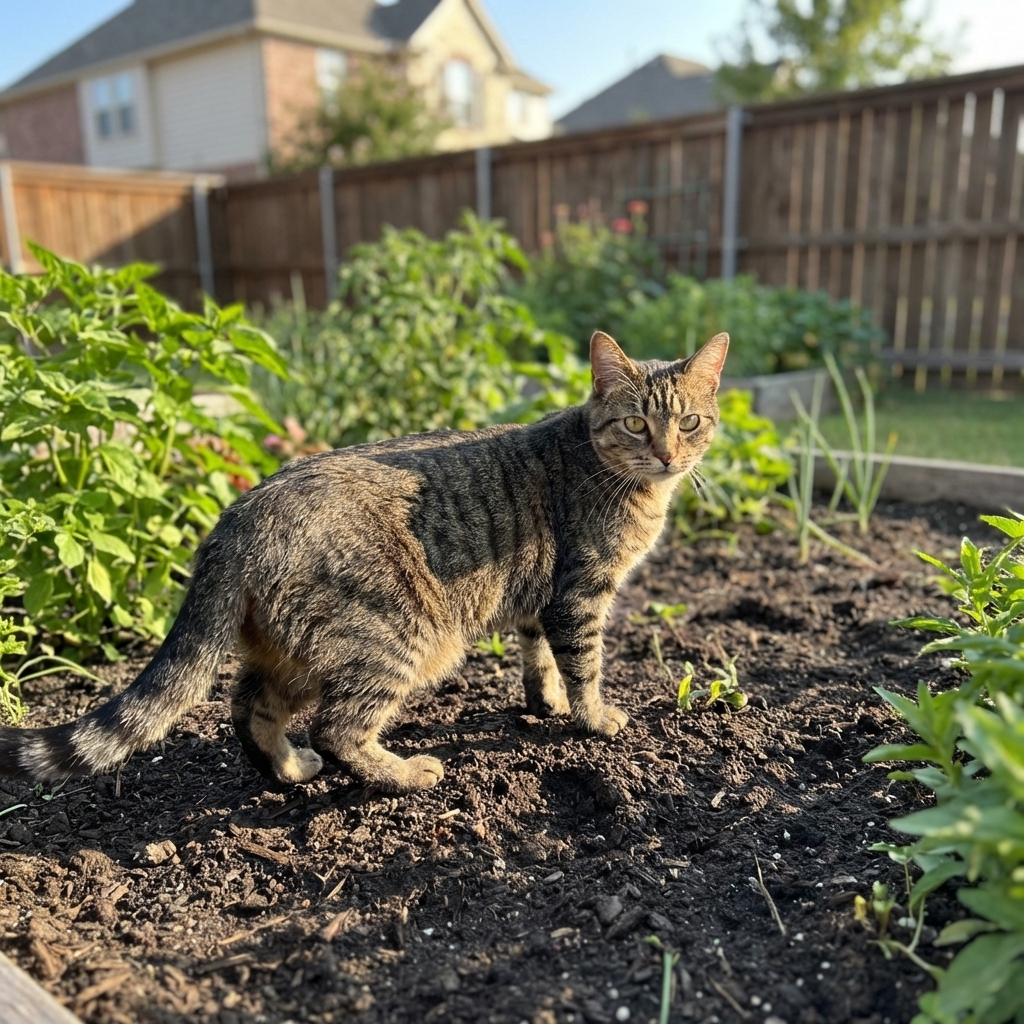
- Frequent gardening without gloves (soil can be a source)
- Uncovered outdoor sandboxes or play areas that neighborhood cats can access
What it looks like in cats
Most cats infected with Toxoplasma gondii have no symptoms. They may carry the parasite in a dormant state in tissues and never appear ill.
When cats can get sick
Clinical toxoplasmosis is more likely in:
- Kittens
- Cats with FIV or FeLV
- Cats on immunosuppressive medications
- Cats with other serious underlying disease
Possible signs
- Lethargy, fever, poor appetite
- Respiratory signs (coughing, trouble breathing)
- Eye inflammation (squinting, redness, cloudy eye)
- Neurologic signs (wobbliness, seizures, head tilt)
If you see these signs, it does not automatically mean toxoplasmosis, but it does mean your cat needs a prompt veterinary exam. Many conditions look similar, and waiting can make treatment harder.
Pregnancy facts
Let’s clear up the biggest misconception: most people do not get toxoplasmosis from petting a cat. In many communities, foodborne exposure is a more common source than household cat contact.
The highest-risk exposures are typically related to:
- Eating undercooked meat (especially pork, lamb, venison)
- Unwashed produce
- Soil (gardening without gloves, contaminated outdoor areas)
- Handling litter without good hygiene, especially if it is not cleaned daily
Do you need to rehome your cat?
In the vast majority of households, no. You need smart habits, not drastic decisions.
What most OB-GYNs and veterinarians recommend
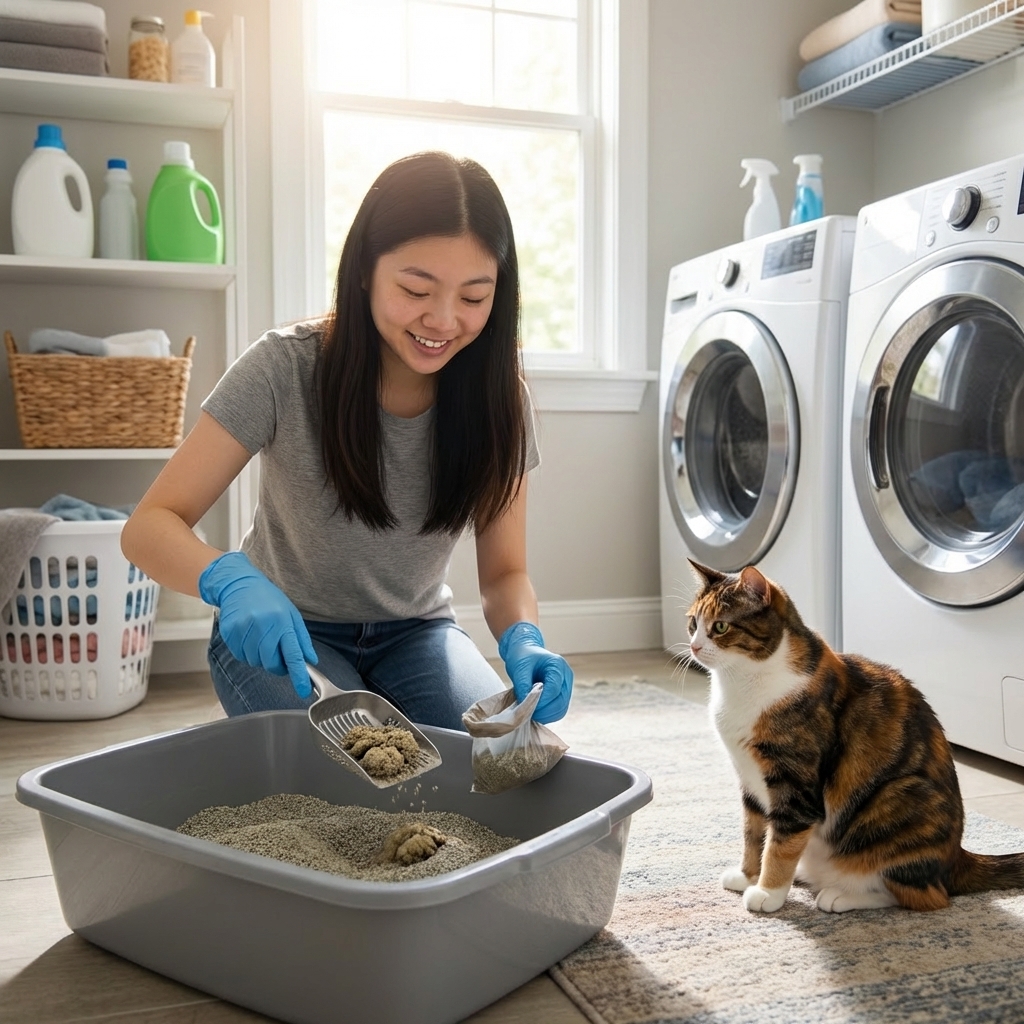
- If possible, have a non-pregnant person handle litter box duties.
- If you must scoop, wear disposable gloves. Consider a well-fitting mask if litter dust bothers you or if you are cleaning a dusty box. (This is mainly about dust and general hygiene, not because a mask blocks toxoplasmosis on its own.)
- Scoop daily so oocysts do not have time to become infectious.
- Keep your cat indoors and avoid feeding raw or undercooked meat.
- Wear gloves for gardening, wash produce well, and keep sandboxes covered.
Practical takeaway: Daily scooping and handwashing are simple steps that meaningfully lower risk. Calm, consistent routines beat panic every time.
When to call your doctor
If you are pregnant or immunocompromised and you think you had a higher-risk exposure (for example, you cleaned a litter box that had not been scooped for several days, ate undercooked meat, or gardened without gloves), contact your OB-GYN or primary care clinician. They can advise you on whether testing or monitoring is appropriate for your situation.

Litter box hygiene
You do not need harsh chemicals everywhere. You need consistency, smart barriers, and good hand hygiene.
Daily routine
- Scoop at least once a day.
- Use a dedicated scoop and a lined trash container or sealed bag.
- Wash hands with soap and water after handling litter or the scoop.
Weekly and monthly habits
- Empty and wash the box regularly (how often depends on number of cats and boxes).
- Hot water and dish soap work well for routine cleaning.
- Important detail: oocysts are tough and can resist many common disinfectants. The most reliable approach is prompt removal of stool plus thorough cleaning with very hot water. If you choose to use a disinfectant, follow the label carefully, rinse well, and never mix cleaning chemicals.
Home setup tips
- Keep litter boxes away from food preparation areas.
- Do not allow toddlers to play near litter boxes.
- Use one box per cat, plus one extra if possible (this also helps behavior and reduces accidents).
Extra precautions if immunocompromised
If someone in the home is immunocompromised, it means their immune system is weaker than usual. This can include people on chemotherapy, transplant medications, high-dose steroids, or those with certain immune disorders. The goal is to reduce exposure to many germs, not just toxoplasmosis.
- Assign litter box duty to the healthiest adult in the home.
- Wear gloves. Consider a well-fitting mask if litter is dusty. Avoid shaking litter.
- Scoop daily and keep boxes very clean.
- Keep cats indoors and prevent hunting.
- Avoid feeding raw diets.
People can live safely with cats even with higher-risk health situations, as long as their medical team and veterinary team are aligned on precautions.
Can you test a cat?
There are blood tests that can look for antibodies to Toxoplasma, but interpretation is nuanced. A positive antibody test often means a cat was exposed at some point, not that they are currently shedding oocysts.
Because shedding is time-limited and can be missed, a single fecal test may not give a clear answer either. This is why veterinarians often focus on risk reduction in the home rather than chasing a perfect test result.
If you are pregnant or immunocompromised and feeling anxious, talk to your veterinarian about your cat’s lifestyle, age, diet, and any symptoms. Those details help determine whether any testing is useful.
Bottom line
Toxoplasmosis is real, but it is also manageable. The biggest household wins are simple:
- Scoop daily
- Wash hands
- Keep cats indoors when possible
- Avoid raw meat diets
- Use gloves for gardening and wash produce well
- Cover outdoor sandboxes and discourage cats from using play areas as litter boxes
If you want help tailoring these steps to your home, your cat’s age and lifestyle, and your family’s health needs, your veterinarian is the best partner. You do not have to figure it out alone.