A vet assistant’s quick guide to fruits dogs should avoid—grapes/raisins, currants, cherry pits, seeds, citrus peels and more—plus symptoms and urgent ...
Article
•
Designer Mixes
Toxic Fruits for Dogs: Need-to-Know Tips

Shari Shidate
Designer Mixes contributor
As a veterinary assistant here in Frisco, Texas, I see it all the time: a well-meaning family shares a “healthy” snack, and suddenly their dog is vomiting, acting wobbly, or worse. Fruit can be a wonderful treat for dogs, but a few specific fruits are truly dangerous, even in small amounts.
This guide will help you quickly recognize the most toxic fruits for dogs, what symptoms to watch for, and what to do if your pup sneaks a bite.

The fruits that are most dangerous
Not all fruits are equal. The biggest risks tend to come from a few specific fruits (like grapes) and from parts like pits, cores, and seeds. Here are the big ones I want every dog parent to memorize.
Grapes and raisins
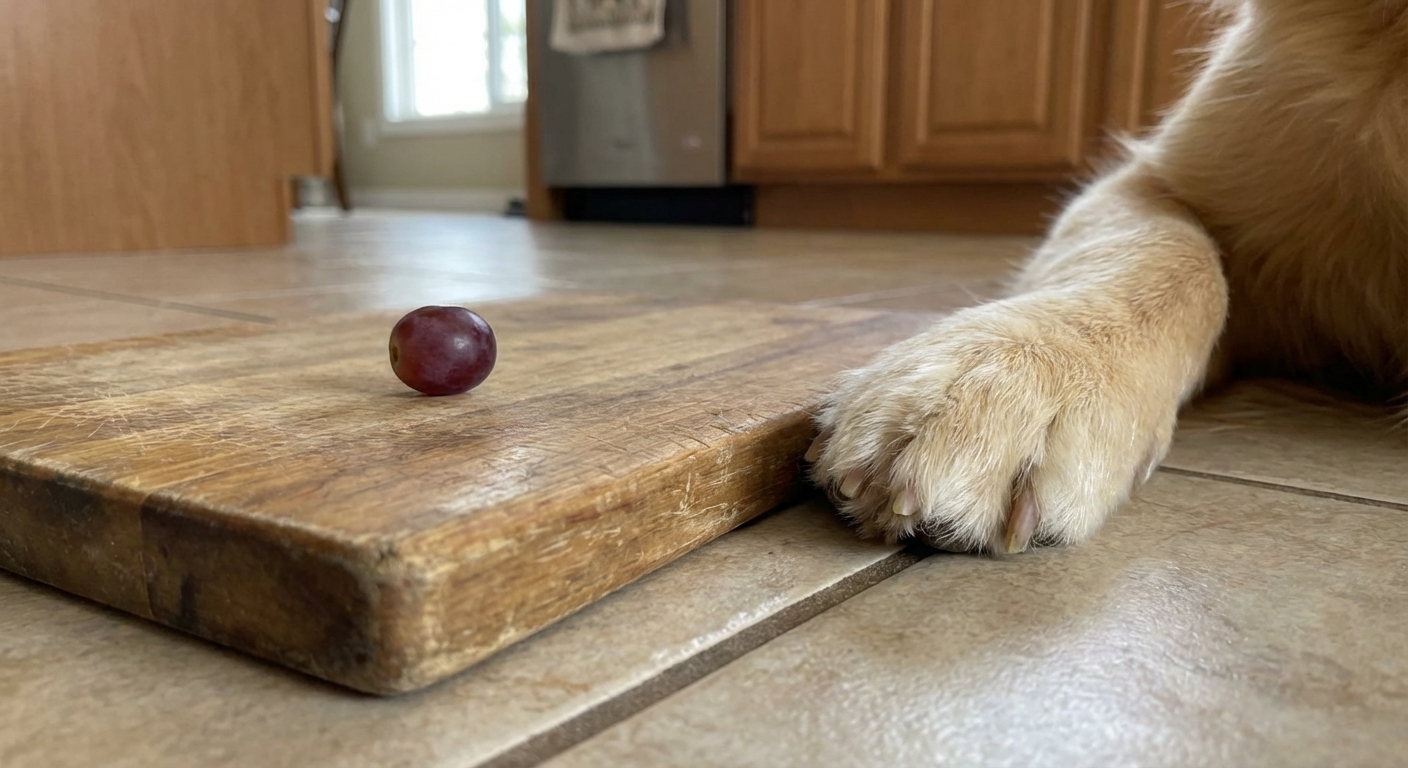
Risk: kidney failure. Grapes and raisins can cause sudden, severe kidney injury in some dogs. The tricky part is that sensitivity varies. Some dogs get very sick from a small amount, while others may not show symptoms right away.
What makes this extra scary: there is no reliable “safe” number of grapes or raisins. Treat any exposure as urgent.
Currants (including Zante currants)
Risk: possible kidney failure, similar concern as grapes and raisins. This topic can be confusing because “Zante currants” (also called Corinth raisins) are actually dried grapes, not the same as true currants. Either way, if something is labeled currants and your dog ate it, treat it like a raisin exposure and call right away.
Cherries
Risk: choking or intestinal blockage from pits, plus cyanide risk from the pit, stem, and leaves. The cherry flesh itself is less of the issue, but most dogs do not politely eat only the flesh.
Reality check: poisoning from a couple of swallowed pits is less common than choking or an obstruction, but it still warrants veterinary guidance.
Fruit pits, cores, and seeds (peaches, plums, apricots, nectarines, apples)
Risk: choking, intestinal obstruction, and irritation. Many pits and some seeds contain cyanogenic compounds.
A single pit can be enough to cause a blockage in a small dog, depending on pit size and your dog’s size.
Apple note: apples do not have pits, but the seeds and core are still a no-go. A few seeds are unlikely to cause poisoning in most cases, but they can still be a choking risk, and the safest choice is to avoid them entirely.
Avocado
Risk: GI upset is the most common concern, and the pit can cause a serious blockage. Some sources discuss persin, but in everyday household cases, I worry most about vomiting, diarrhea, and swallowing the pit or skin.
Symptoms that should raise red flags
If your dog eats a toxic fruit, symptoms can show up quickly or take hours. Call your veterinarian right away if you see any of the following, especially after known exposure.
- Vomiting or diarrhea, especially repeated episodes
- Lethargy, weakness, or acting “off”
- Decreased appetite
- Abdominal pain, bloating, panting, restlessness, or a hunched posture
- Increased thirst or urination, or suddenly not urinating (kidney concern)
- Tremors, wobbliness, or collapse
- Coughing, gagging, drooling, or trouble swallowing (possible choking)
Important: with grapes and raisins, early vomiting may happen, but kidney injury can develop even if your dog seems okay at first.
What to do right now if your dog ate a toxic fruit
When you are scared, it helps to have a simple plan. Here is general guidance I recommend for most households, but your veterinarian should always be your go-to for case-specific advice.
Step 1: Remove access and check what is missing
Take the fruit away and estimate:
- What fruit it was (grapes, raisins, cherries, pit fruit, avocado)
- How much may have been eaten
- When it happened
- Your dog’s approximate weight
If you are heading to the vet or ER, bring the packaging, label, or any leftovers with you if you can. It helps us move faster.
Step 2: Call your veterinarian or a pet poison hotline
If your regular vet is closed, call an emergency animal hospital. You can also contact pet poison resources such as ASPCA Animal Poison Control (888-426-4435) or Pet Poison Helpline (855-764-7661) for guidance (a consultation fee may apply).
Step 3: Do not induce vomiting unless a professional tells you to
Inducing vomiting can be dangerous in some situations, especially if your dog is already weak, is having trouble breathing, or may have swallowed a pit that could injure the esophagus on the way back up.
Step 4: Head in quickly if grapes, raisins, or currants are involved
For grape, raisin, or currant exposure, time matters. Early decontamination and supportive care can make a big difference in outcome.

Common sneaky sources
Dogs rarely steal a bunch of grapes from the fridge. More often, they find toxic fruits hidden in human foods.
- Trail mix, granola, and snack bars (raisins, currants)
- Cookies, cinnamon rolls, and baked goods (raisins, currants)
- Charcuterie boards and salads (grapes)
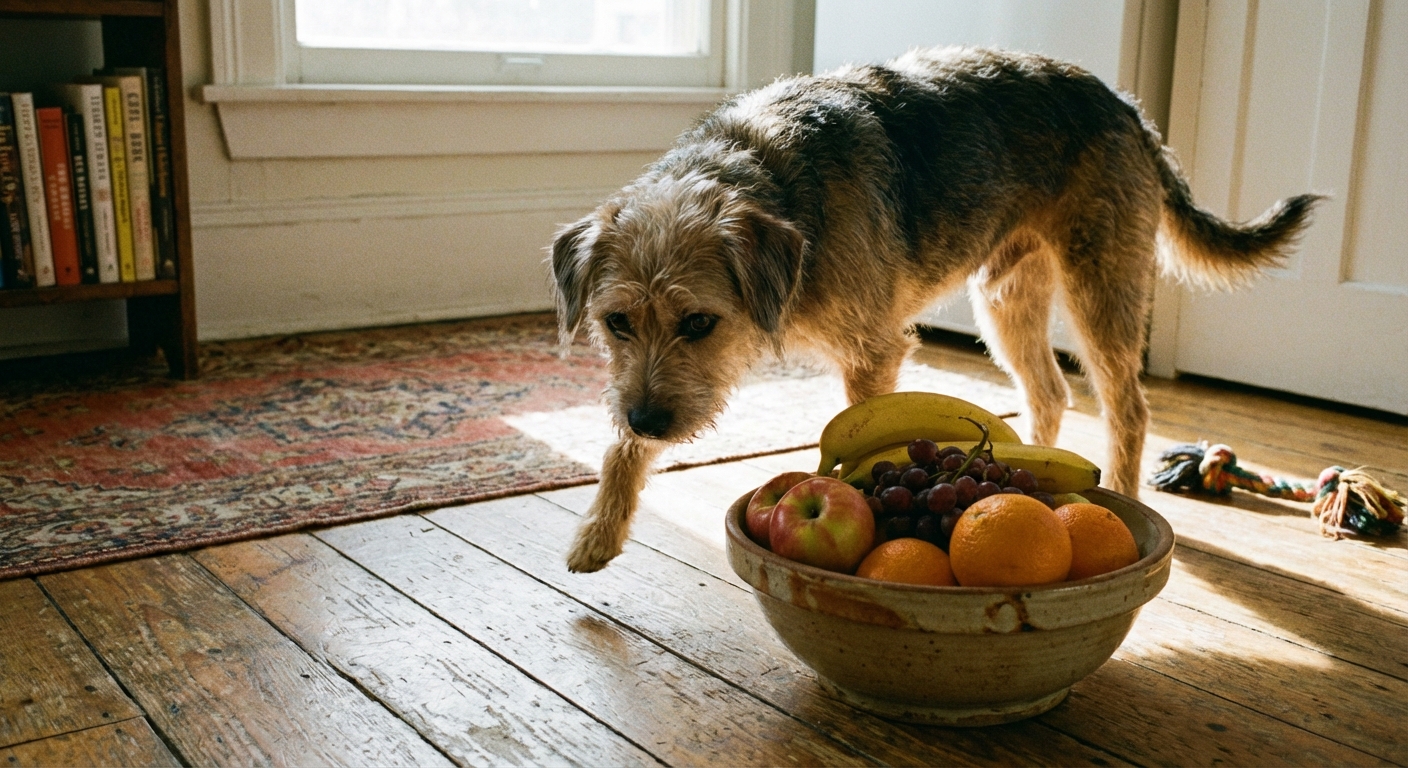
- Fruit bowls left on coffee tables (grapes, cherries)
- Mixed dried fruit blends (may include raisins or currants)
- Compost bins and kitchen trash (fruit pits, avocado pits)
Safer fruit options
The goal is not to fear fruit. It is to choose dog-safe options and serve them in a way that prevents choking and tummy trouble.
Generally dog-friendly fruits
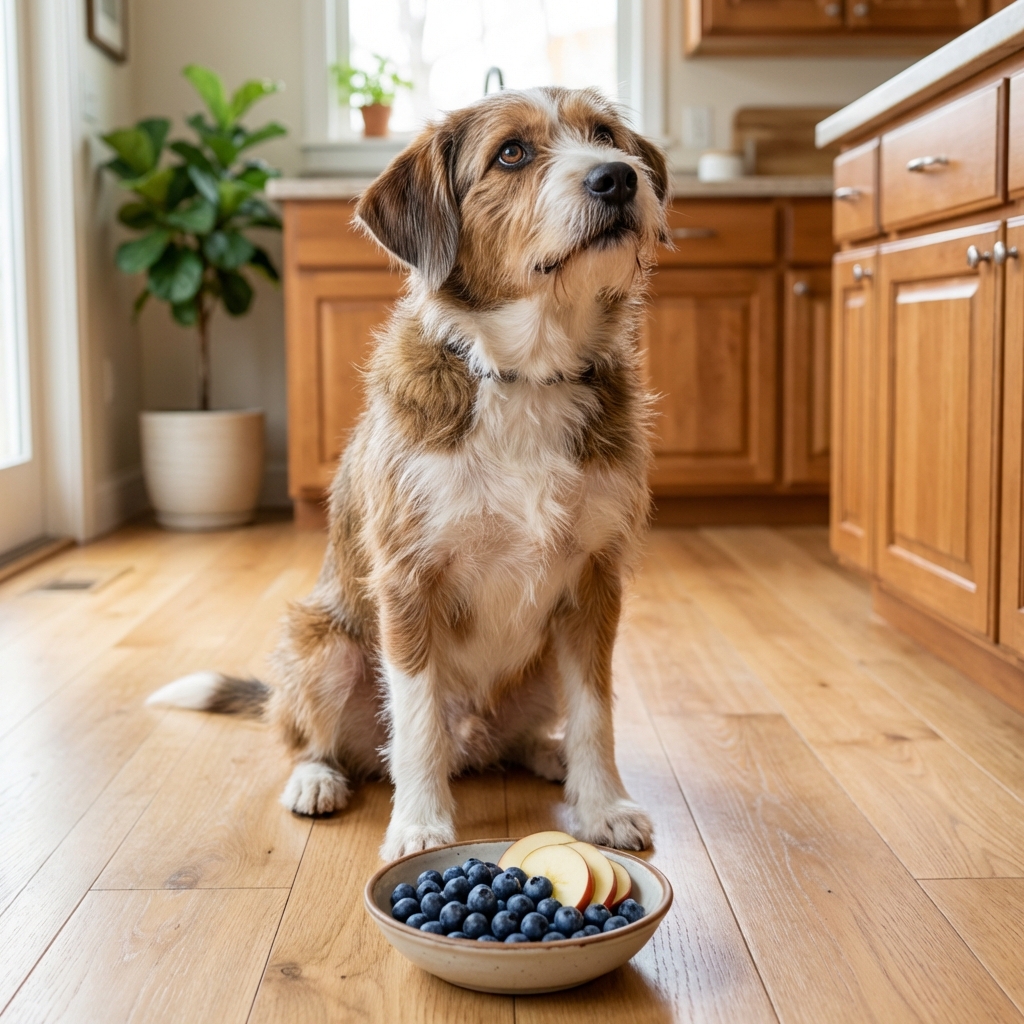
- Blueberries (easy training treat)
- Strawberries (sliced)
- Watermelon (no rind, no seeds)
- Cantaloupe (small pieces)
- Banana (small amounts, higher sugar)
- Apple (no seeds, no core, sliced)
Use caution
Citrus like oranges can be okay in tiny amounts for some dogs, but it commonly causes tummy upset. Skip the peel and seeds, and if your dog has a sensitive stomach, it is usually not worth it.
Portion tip
For most dogs, treats should stay under about 10 percent of daily calories. Fruit is still a treat, even when it is “healthy.” Too much can trigger diarrhea.
Prevention tips
In real life, prevention is less about willpower and more about smart routines.
- Move fruit bowls away from edges of counters and tables.
- Use a lidded trash can and secure compost bins.
- Teach “leave it” and reward heavily for success.
- Ask guests not to share snacks unless you approve first.
- Keep raisins and currants out of reach, especially in bags that are easy to tear open.
When in doubt, call
If you are unsure whether a fruit is safe, it is always okay to pause and call your veterinarian. You are not being dramatic. You are being proactive, and that is exactly how we protect the dogs we love.
If your dog eats grapes, raisins, or currants, treat it as urgent, even if they seem fine.