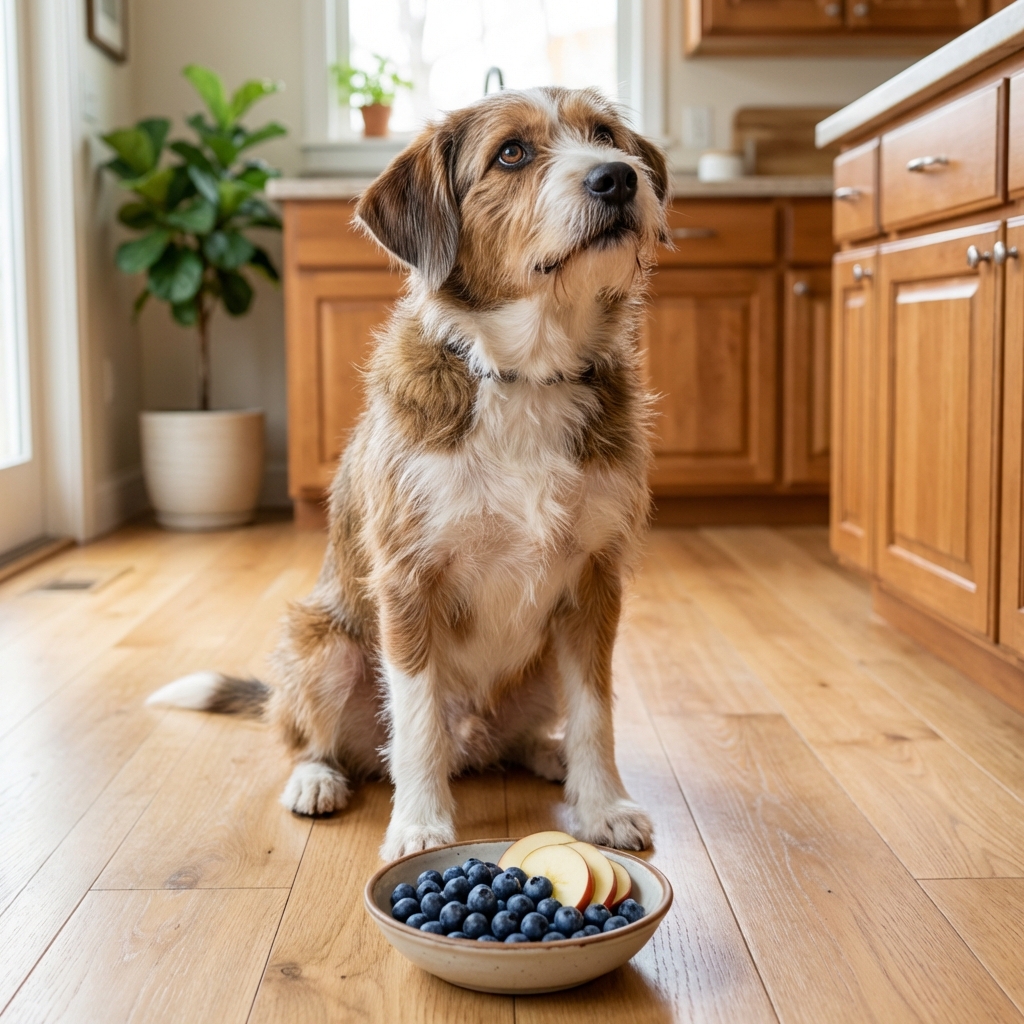
A vet assistant’s guide to toxic fruits for dogs—grapes/raisins, currants, cherries, pits/cores, and avocado. Learn symptoms, urgent steps, and safer fru...
Article
•
Designer Mixes
Top Toxic Fruits For Dogs

Shari Shidate
Designer Mixes contributor
As a veterinary assistant here in Frisco, Texas, I get asked this all the time: “Which fruits are actually dangerous for dogs?” Fruit can be a wonderful treat, but a few common ones can cause anything from an upset stomach to kidney failure.
This list focuses on the fruits I most want you to recognize quickly, avoid completely, and respond quickly if an accident happens.
Quick note: This is general education, not medical advice for your specific pet. If you are worried your dog ate something dangerous, call your vet or an emergency clinic right away.
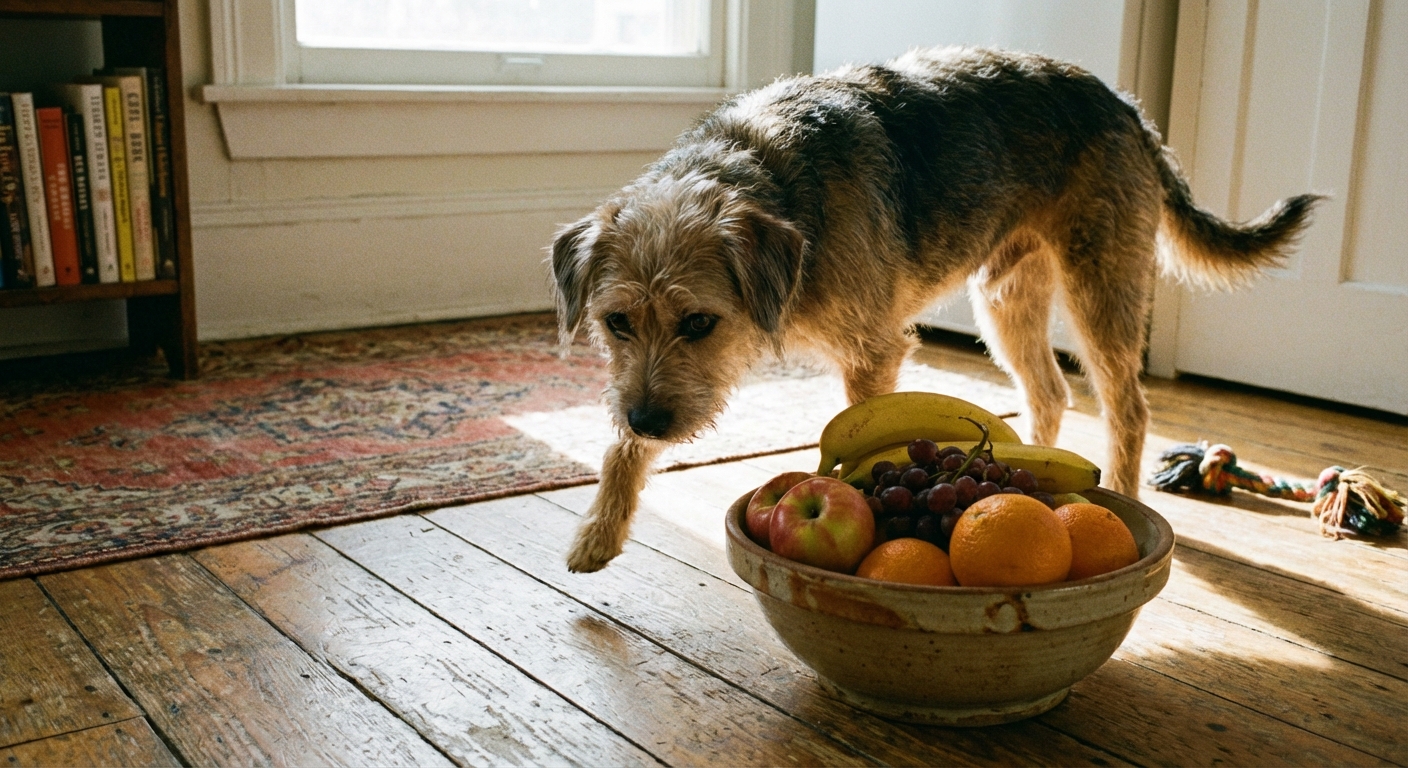
The fruits to avoid
These are the top hazards I recommend keeping off your dog’s menu.
Grapes and raisins
Risk: Potentially life-threatening kidney injury.
Grapes and raisins are one of the scariest toxic foods because dogs can react very differently. Some dogs get very sick from a small amount, while others seem okay at first and then crash later. Recent research points to tartaric acid (and potassium bitartrate) as a likely culprit, but the exact mechanism and why some dogs are more sensitive is still not fully understood.
- Why they are dangerous: Can trigger acute kidney failure in susceptible dogs.
- Important takeaway: There is no known safe dose. Any ingestion is worth an urgent call.
- Common exposures: Grapes, raisins, trail mix, cereal, baked goods, granola bars.
- Early signs to watch for: Vomiting, diarrhea, lethargy, loss of appetite, abdominal pain, increased thirst or urination at first, then decreased urination.
Currants (especially Zante currants)
Risk: Treat as grapes and raisins.
This one is confusing, so here is the simplest way to remember it:
- Zante currants: These are dried grapes (Black Corinth grapes). That means they carry the same risk as raisins.
- True currants (Ribes species): They are botanically different, but because product labeling and ingredient lists can be unclear, many clinics still recommend avoiding them out of caution and calling for guidance after any exposure.
If you see “currants” on an ingredient list and you are not 100% sure what type they are, I recommend treating it like a raisin exposure.
- Common exposures: Scones, cookies, fruit breads, mixed dried fruit.
Cherries (especially pits, stems, and leaves)
Risk: Choking and intestinal blockage from pits, plus toxicity risk from plant parts if chewed.
The fleshy part of a cherry is not typically the main issue. The danger is the pit and the plant parts, which can cause mechanical injury and can release cyanogenic compounds when chewed.
- Why they are dangerous: Pits can block the GI tract; chewing pits or ingesting stems and leaves can contribute to toxicity.
- Signs to watch for: Vomiting, drooling, abdominal pain, constipation or not passing stool (obstruction concerns), plus more urgent signs like difficulty breathing, weakness, collapse, or severe lethargy.
Fruit pits and seeds (mostly a blockage risk)
Risk: Choking or intestinal blockage is usually the biggest concern. Cyanide release is possible if seeds or pits are chewed or crushed, but true cyanide poisoning from small amounts (like a couple apple seeds) is uncommon.
Several fruits have pits or seeds that can be dangerous if your dog gets to them and crunches down.
- Apricot pits
- Peach pits
- Plum pits
- Apple seeds (the core is also a choking hazard)
If your dog swallows a pit whole, the bigger concern may be obstruction. If they chew it, the toxicity concern rises.
Green tomatoes and tomato plant parts
Risk: GI upset and neurologic signs from solanine and tomatine, mainly in unripe tomatoes and the leaves and stems.
Ripe red tomato flesh is not typically considered highly toxic, but dogs that get into a garden, chew vines, or eat lots of green tomatoes can run into trouble.
- Signs to watch for: Drooling, vomiting, diarrhea, weakness, wobbliness, tremors.
Citrus peels and large amounts of citrus
Risk: Stomach upset and irritation, more likely with the peel, pith, and oils.
Many dogs can handle a tiny taste of orange flesh, but citrus peel and the oils in the rind are much more irritating. Lemon and lime tend to cause more GI upset, especially if a dog chews the rind.
- Safer approach: Skip citrus as a treat and choose easier options like blueberries or apple slices without seeds.

What about avocado?
Avocado comes up constantly, and the answer is: it depends on the species and the situation.
- Dogs: Many dogs tolerate small amounts of ripe avocado flesh, but it is high in fat and can trigger diarrhea or pancreatitis in sensitive dogs. The pit is a major choking and obstruction hazard.
- Other pets: Avocado contains persin, which can be much more dangerous for birds, rabbits, horses, and some other animals.
If your dog got into guacamole, the bigger risk is often the other ingredients like onion or garlic, plus the fat load. When in doubt, call your vet.
Signs your dog may be reacting
Not every exposure looks dramatic at first. Some of the most serious cases start with mild symptoms.
- Vomiting or retching
- Diarrhea
- Drooling or pawing at the mouth
- Loss of appetite
- Lethargy or weakness
- Abdominal pain or a “hunched” posture
- Tremors, wobbliness, or unusual behavior
- Difficulty breathing
- Not urinating or urinating much less than normal
Trust your instincts. If your dog ate grapes, raisins, Zante currants, or a fruit pit, do not “wait and see.” Quick action can be the difference between a simple treatment and a life-threatening emergency.
What to do if your dog eats a toxic fruit
Step 1: Remove access and figure out what was eaten
Take the fruit away, check the area for wrappers or dropped pieces, and estimate how much your dog may have eaten. Note your dog’s weight, because dosing decisions are weight-based.
Step 2: Call for help right away
Contact your veterinarian, an emergency vet, or a pet poison hotline. If you are in the U.S., you can also contact:
- ASPCA Animal Poison Control: 1-888-426-4435
- Pet Poison Helpline: 1-855-764-7661
These services may charge a fee, but they can be incredibly helpful, especially after hours. (It is still smart to verify numbers from the official websites before you need them.)
Step 3: Do not induce vomiting unless told to
Please do not give hydrogen peroxide or home remedies unless a professional specifically instructs you. Vomiting can be risky in certain situations, including choking hazards, breathing issues, or if your dog is already weak.
Step 4: Bring the evidence
If you go to the clinic, bring the fruit package, ingredient list (for baked goods), or a photo of what was eaten. It saves time and helps your vet choose the best treatment.
Safer fruit treats
If your dog enjoys fruit, you do have plenty of safer options. Keep treats small, introduce one at a time, and remember that treats should stay under about 10% of daily calories.
- Blueberries (fresh or frozen)
- Seedless watermelon (no rind)
- Strawberries
- Apple slices (no seeds, no core)
- Banana (small amounts due to sugar)
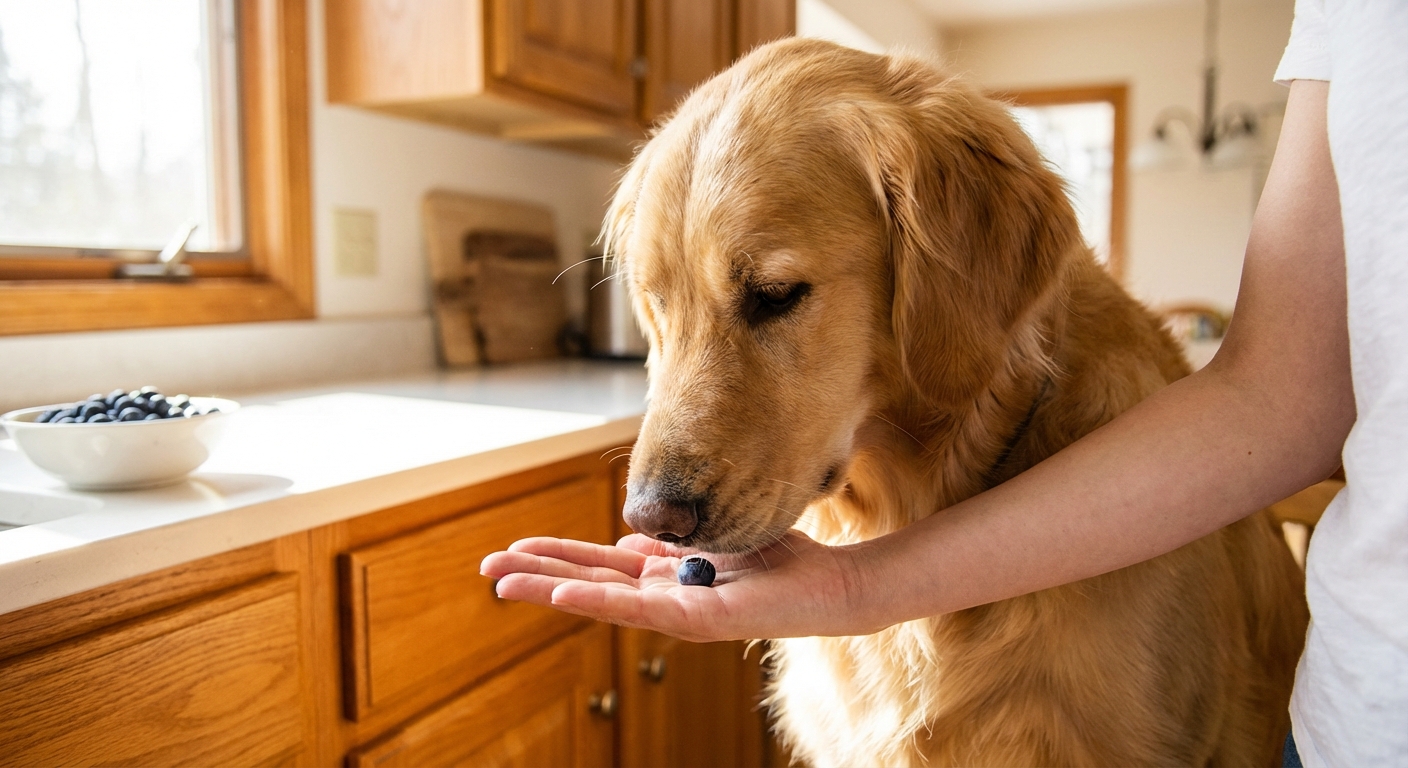
Quick kitchen rules
- Store grapes and raisins up high or in closed cabinets, not in a bowl on the counter.
- Keep trail mix and baked goods out of reach, especially around holidays.
- Trash can security matters. Many “mystery poisonings” start with counter-surfing and a tipped-over trash bin.
- Teach “leave it” and practice it with low-value items first, then build up.
- Tell guests and kids the rules. Most treat slips are well-intentioned.
The bottom line
Fruit can be a sweet little bonus in your dog’s diet, but a few specific fruits are simply not worth the risk. If you remember only one thing, make it this: grapes, raisins, and Zante currants are an emergency.
If you want, tell me your dog’s breed, age, and typical diet, and I can share a short list of fruit treats that fit their needs and sensitivities.