Step-by-step dog tick removal with tweezers, what to do if mouthparts remain, aftercare warning signs, and proven prevention plus home and yard tick control ...
Article
•
Designer Mixes
Tick Removal for Dogs: The Secrets That Actually Work

Shari Shidate
Designer Mixes contributor
Finding a tick on your dog can make your stomach drop. I get it. In Texas, ticks are part of life for many families, and they can carry illnesses that affect both pets and people. The good news is this: removing a tick safely is usually quick and simple when you know what to do, and what not to do.
Below I will walk you through the practical, evidence-based tips veterinarians and vet teams use every day, plus what to watch for afterward.
First, stay calm and confirm it is a tick
Before you grab anything, take a second look. Ticks are usually small, oval, and firm and they cling tightly to the skin. If the bump has legs and does not brush away easily, treat it like a tick.
Pro tip: Part your dog’s coat and use your phone flashlight. Good light prevents the most common problem I see: grabbing hair instead of the tick.
The only tools you really need
You do not need a drawer full of gadgets. These are the basics:
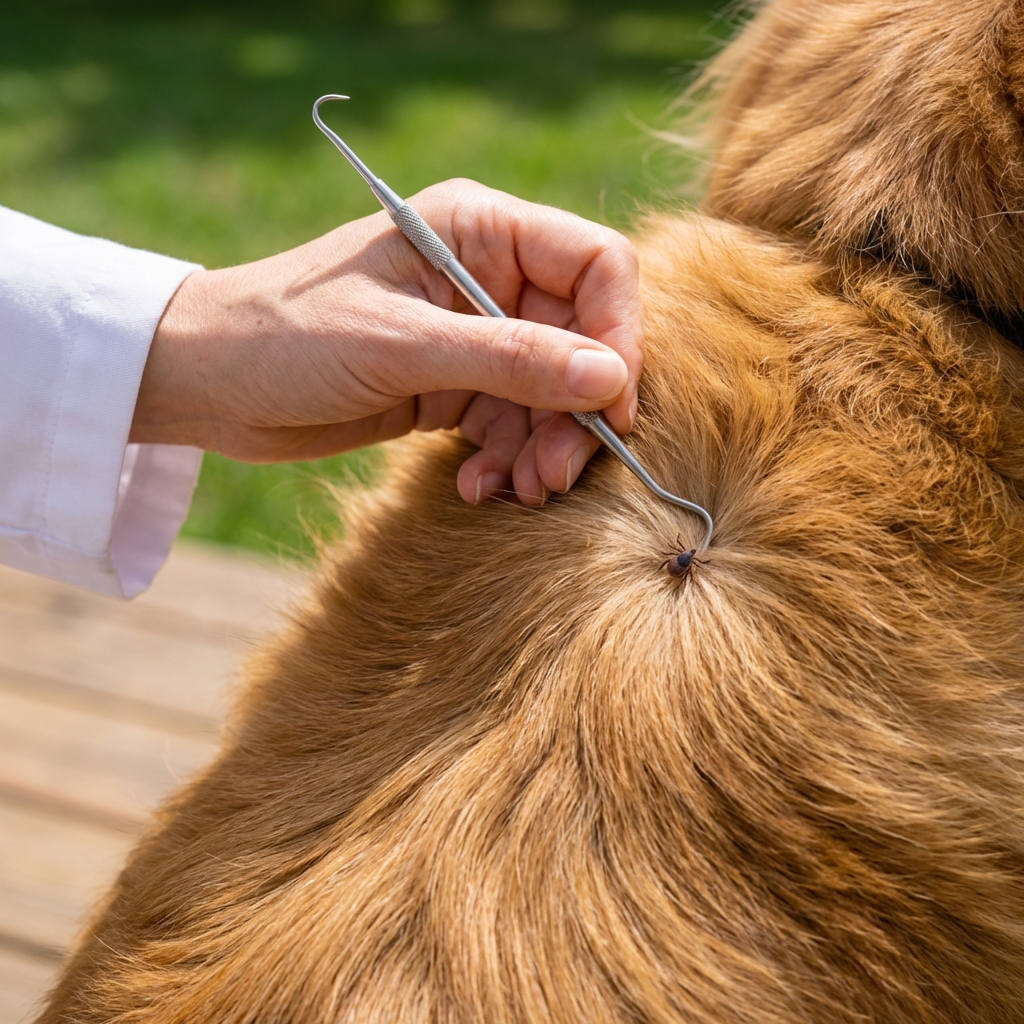
- Fine-tipped tweezers or a tick removal tool (tick key or hook style)
- Disposable gloves (optional but helpful)
- Rubbing alcohol or soap and water
- A small container with a lid (or a zip bag) to save the tick
- Antiseptic safe for skin (your vet can recommend a good option)
Pro tip: Keep a “tick kit” in one spot at home. When you find a tick, you will not waste time searching for tweezers.
How to remove a tick from your dog
This approach is commonly recommended by veterinary and public health sources (including CDC-style guidance) because it focuses on removing the tick cleanly without squeezing the body, which can increase the chance of exposure to tick fluids.
Step-by-step
- Hold your dog steady. If your pup is wiggly, ask someone to gently hold and offer a small treat.
- Part the hair. Make sure you can see exactly where the tick is attached.
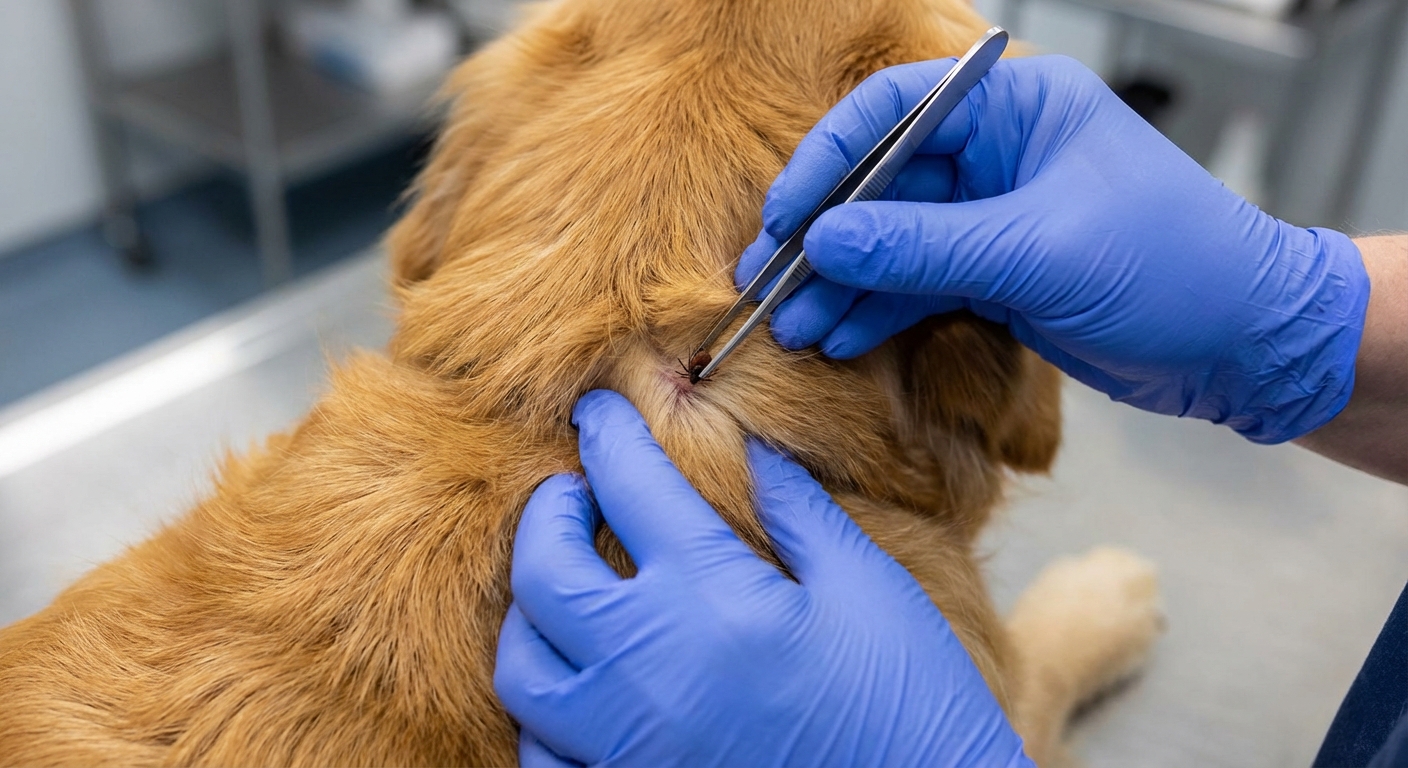
- Grasp at the attachment point. Using tweezers, grab the tick as close to the skin as possible (right where it is attached). Try not to pinch your dog’s skin.
- Pull straight up with steady pressure. No twisting or jerking when using tweezers. If you are using a tick hook or key that is designed for a rotate-and-lift method, follow that tool’s instructions.
- Place the tick in a sealed container. Avoid crushing it with your fingers.
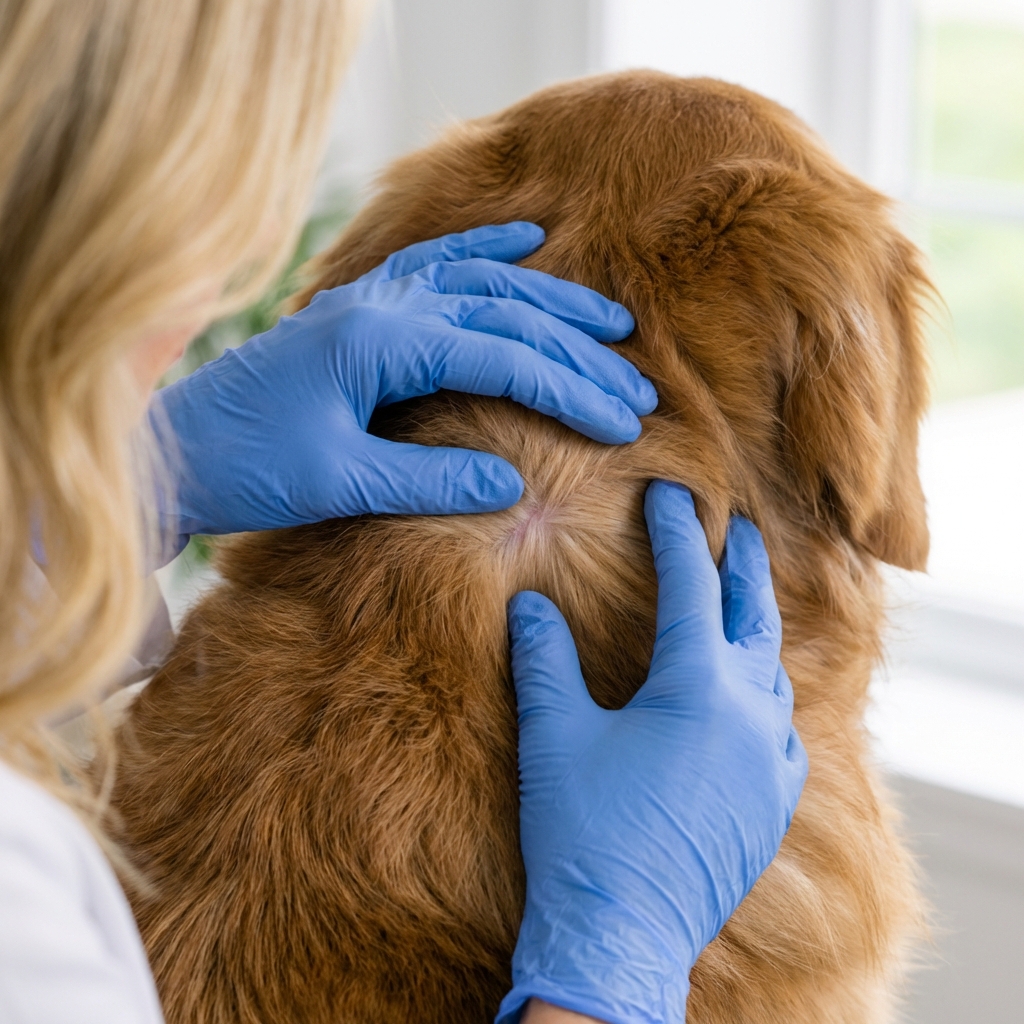
- Clean the bite area and your hands. Soap and water works well.
Secret: The “perfect” removal is not about speed. It is about control. A slow, steady pull lowers the chance the tick tears.
What not to do
Some home remedies get shared online because they feel satisfying, but they can backfire.
- Do not burn the tick with a match or lighter.
- Do not smother it with petroleum jelly, nail polish, essential oils, or dish soap.
- Do not squeeze the tick’s body while pulling.
- Do not twist with tweezers. Only rotate if you are using a tool specifically designed for a twist-and-lift technique.
Why this matters: Irritating a tick or squeezing its body can increase the chance it releases saliva or fluids into the bite, which is exactly what we are trying to avoid.
If mouthparts break off
This happens sometimes, even with careful removal. What people often call the “head” is usually the mouthparts. In many cases, your dog’s skin can work the material out as it heals, similar to a tiny splinter. But retained pieces can also cause local irritation or infection.
What to do
- Clean the area gently.
- Do not dig aggressively with needles or sharp tools.
- Contact your vet if you cannot remove it easily, or if irritation does not improve.
- Watch for increasing redness, swelling, oozing, pain, or a lump that grows over the next few days.
Secret: If you are unsure whether anything is left behind, take a clear, close photo and call your vet. A quick check can save days of worry.
Save the tick (yes, really)
If your dog becomes sick later, identifying the tick can help your veterinarian decide what testing makes sense. Different clinics and labs may prefer different storage methods, so when in doubt, ask your vet what they want.
How to store it
- Place it in a sealed bag or small jar.
- If your vet prefers, add a tiny bit of rubbing alcohol. If they prefer it dry, skip the alcohol.
- Label with the date and where on your dog you found it.
Secret: Also take a photo of the tick next to a coin for size reference. That small detail can be surprisingly useful.
Protect people in the home
Ticks can end up on hands, clothing, and other pets.
- Wash your hands well after removal, even if you wore gloves.
- Keep the tick away from kids and do not crush it with bare fingers.
- After handling a tick, do a quick check on yourself and other pets, especially around socks, waistbands, and hairlines.
What to watch for after removal
Many dogs are totally fine after a tick bite. Still, it is smart to monitor for symptoms over the next several weeks. Incubation times vary by disease, and risk can depend on how long the tick was attached, so keep a steady but calm eye on your dog.
Call your veterinarian if you notice
- Low energy or weakness
- Fever
- Loss of appetite
- Lameness or joint pain
- Vomiting or diarrhea
- Swollen lymph nodes
- Unusual bruising or nosebleeds
Secret: Write down the date you removed the tick. If symptoms appear later, that timeline helps your vet connect the dots.
How to prevent ticks from coming back
Tick removal is important, but prevention is where you win the long game.
Prevention checklist
- Use a veterinarian-recommended tick preventive (oral chew, topical, or collar). The best choice depends on your dog’s age, weight, lifestyle, and any medical history.
- Do regular tick checks after walks, hikes, or time in tall grass.
- Focus on common hiding spots: ears, around the collar, between toes, armpits, groin, and under the tail.
- Keep your yard less tick-friendly: trim tall grass, remove leaf litter, and create a barrier between wooded areas and play spaces.
Secret: Set a recurring reminder for preventives. Missed doses are one of the biggest reasons I see repeat tick problems.
When to go straight to the vet
Sometimes it is safer to let a professional handle it, especially if your dog is uncomfortable or the tick is in a delicate area.
- Tick is attached near the eye, inside the ear, or on the lip line
- Your dog is snapping, painful, or cannot be safely restrained
- You removed the tick but the site becomes increasingly red, swollen, or draining
- Your dog shows any symptoms of illness afterward
My gentle rule: if removing the tick is turning into a wrestling match, pause and call your veterinary clinic. A calm, safe removal is always the goal.
Quick recap
- Use fine-tipped tweezers or a tick tool.
- Grab close to the skin and pull straight up slowly (or follow your tool’s directions).
- Skip myths like burning or smothering.
- Clean the area and watch for symptoms over the next several weeks.
- Preventives plus tick checks are your best “secret weapon.”
If you are unsure about what you removed, if your dog has symptoms, or if you want help choosing a reliable preventive, your veterinarian is your best next call. If this article is on a site that allows comments, you can also share what you are seeing and what region you are in so other readers can learn from your experience.