Vet-assistant guide to feeding hypothyroid dogs at home: lean protein, fiber, smart carbs, omega-3s, iodine/selenium basics, supplement gaps, and levothyroxi...
Article
•
Designer Mixes
Thyroid Problems in Dogs: Symptoms, Care, and Training Tips

Shari Shidate
Designer Mixes contributor
As a veterinary assistant here in Frisco, Texas, I hear this a lot: “My dog is slowing down and gaining weight, but my dog is not eating more.” Sometimes it really is age or less activity. But sometimes it is the thyroid.
Your dog’s thyroid gland helps regulate metabolism, skin and coat health, body temperature, and overall energy. When it is not working properly, the signs can be subtle at first and easy to mistake for “just getting older.” The good news is that many thyroid conditions in dogs are very manageable once properly diagnosed.
Quick note: This article is educational and cannot diagnose your dog. If you are worried, a veterinary exam and the right lab work are the safest next step.

What the thyroid does
The thyroid is a small gland in the neck that produces hormones, mainly T4 and T3. Think of these hormones as your dog’s internal “speed control” for metabolism.
Most thyroid issues in dogs involve hypothyroidism, meaning the thyroid is underactive. Hyperthyroidism, an overactive thyroid, is uncommon in dogs and is more often seen in cats.
Important note: Symptoms alone cannot confirm a thyroid problem. Many other issues can look similar, including allergies, Cushing’s disease, arthritis, parasites, infections, and even diet-related imbalances.
Key signs of hypothyroidism
Hypothyroidism can affect multiple body systems, so the clues often show up in clusters. If you notice several of these together, it is worth a veterinary visit and lab work.
Energy and behavior
- Low energy, fatigue, or “slowing down” that seems out of proportion to age
- Reluctance to exercise or shorter endurance on walks
- Mental dullness or less interest in play
- Behavior changes in some dogs, such as seeming more withdrawn, less tolerant, or a little more anxious than usual (this is variable and not as classic as the skin and weight signs)
Weight and body condition
- Weight gain without increased appetite
- Difficulty losing weight even with diet changes
- Muscle loss or a softer body condition over time
Skin and coat (very common)
- Dry, dull coat
- Excess shedding or thinning hair
- “Rat tail” appearance from hair loss on the tail
- Symmetrical hair loss on both sides of the body
- Darkened skin or thickened skin over time
- Recurring ear infections or skin infections
- Greasy skin or dandruff
Temperature comfort
- Seeking warmth like heaters, sunny patches, or blankets
- Cold intolerance or shivering more easily
Other signs (less obvious)
- Constipation in some dogs
- Lower heart rate or exercise intolerance
- High cholesterol may show up on bloodwork even if you cannot “see” it at home
If you are thinking, “This sounds like my dog,” you are not alone. Hypothyroidism is one of those conditions where caregivers often feel something is off long before the diagnosis is confirmed.
Who is at higher risk
Hypothyroidism is often diagnosed in middle-aged dogs. Your veterinarian will consider age, breed, symptoms, and exam findings together.
Some breeds are seen more often with hypothyroidism (or thyroiditis) in general practice, including:
- Golden Retrievers
- Labrador Retrievers
- Doberman Pinschers
- Boxers
- Cocker Spaniels
This does not mean other breeds cannot be affected. It just helps provide context when a dog fits the overall pattern.
When it might be something else
Here are a few common look-alikes:
- Allergies can cause itching, ear infections, and hair loss.
- Cushing’s disease can cause hair loss, pot-belly, panting, thirst, and infections.
- Arthritis can cause reduced activity and weight gain from moving less.
- Poor diet balance can affect coat quality and energy.
This is why testing matters. If you are seeing multiple symptoms, it is best to get a clear plan from your veterinarian rather than guessing.
How vets diagnose thyroid issues
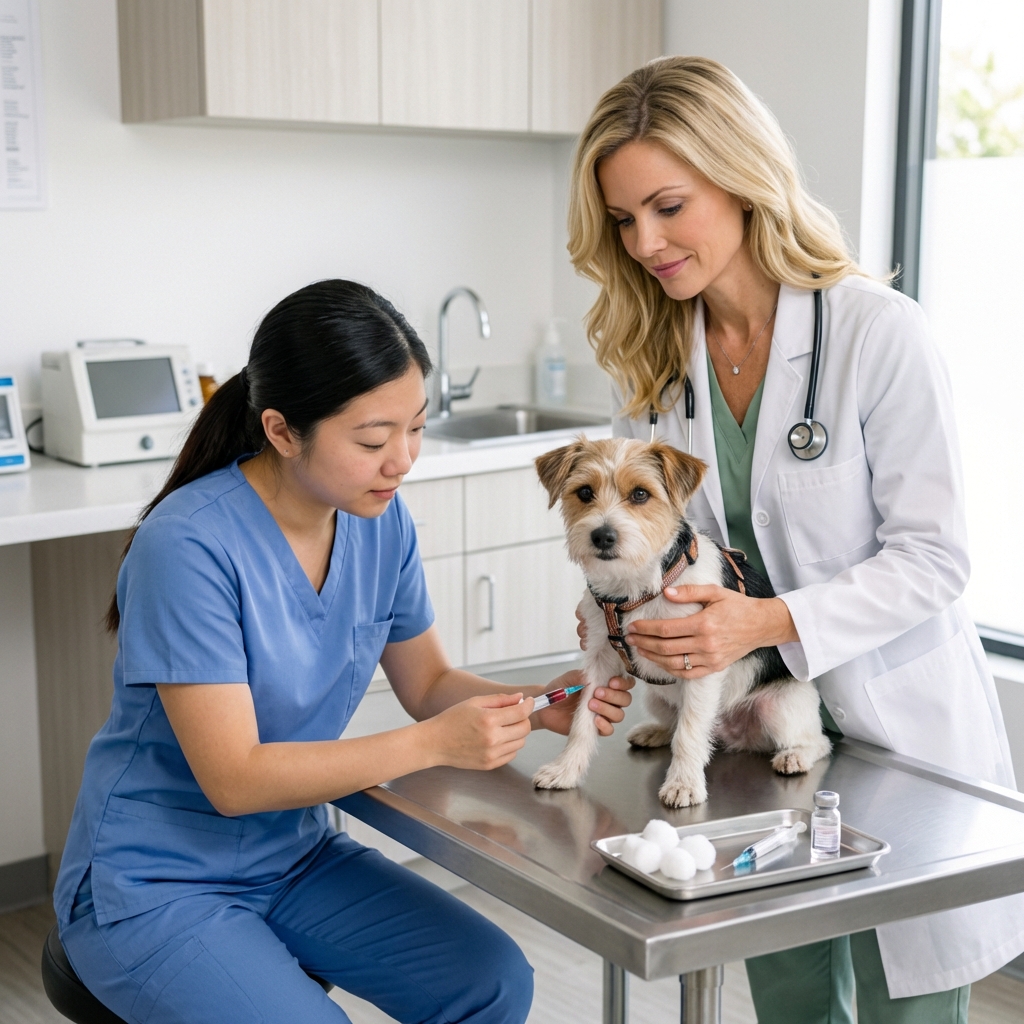
Your veterinarian will combine history, exam findings, and bloodwork. No single test is perfect for every dog, and results have to be interpreted in context, especially if other illnesses are present.
Typical testing may include:
- Total T4 (a common screening test, but it can be low for reasons unrelated to thyroid)
- Free T4 (often more helpful in context; some labs run it by equilibrium dialysis, which is generally considered more reliable)
- TSH (thyroid-stimulating hormone)
- Thyroglobulin autoantibodies in some cases, especially if autoimmune thyroiditis is suspected
- General bloodwork to assess cholesterol, liver values, anemia patterns, and overall health
One evidence-based tip: Illness, certain medications (like steroids), and stress can temporarily lower thyroid values. If your dog is sick for another reason, your vet may recommend re-testing once they are stable.
Treatment and what to expect
Most dogs with hypothyroidism are treated with a prescription thyroid hormone replacement, commonly levothyroxine. It is usually given once or twice daily depending on your veterinarian’s plan and your dog’s response.
How fast do dogs improve
- Energy often improves in 1 to 2 weeks.
- Skin and coat improvements can take 1 to 3 months, sometimes longer.
- Weight may improve gradually with treatment plus a smart nutrition plan.
How to give it
- Be consistent. Give it the same way each day.
- Follow timing instructions. Some dogs do best with a consistent schedule with meals, and some veterinarians prefer dosing on an empty stomach. Your clinic’s guidance matters most.
- Avoid switching brands or generics without checking in first. Small formulation differences can change how a dog absorbs medication.
Monitoring and rechecks
Your vet will recheck blood levels after starting medication, then adjust the dose as needed. Rechecks are part of good care.
Also watch for signs a dose may be too high and call your veterinarian if you notice several together:
- Restlessness or hyperactivity
- Panting when it is not hot or after minimal activity
- Increased thirst and urination
- Rapid weight loss or ravenous appetite
- Fast heart rate or new jitteriness
Home care tips
1) Track what you can see
Small observations are powerful. Keep notes for 2 to 4 weeks:
- Energy level on walks
- Appetite and treat intake
- Stool quality
- Itching, ear odor, or skin redness
- Weekly weight or body condition photos
2) Support the skin
Thyroid imbalance can weaken the skin barrier and invite infections.
- Use vet-recommended shampoos if infections or seborrhea are present.
- Stay current on flea and tick prevention to reduce secondary itching and irritation.
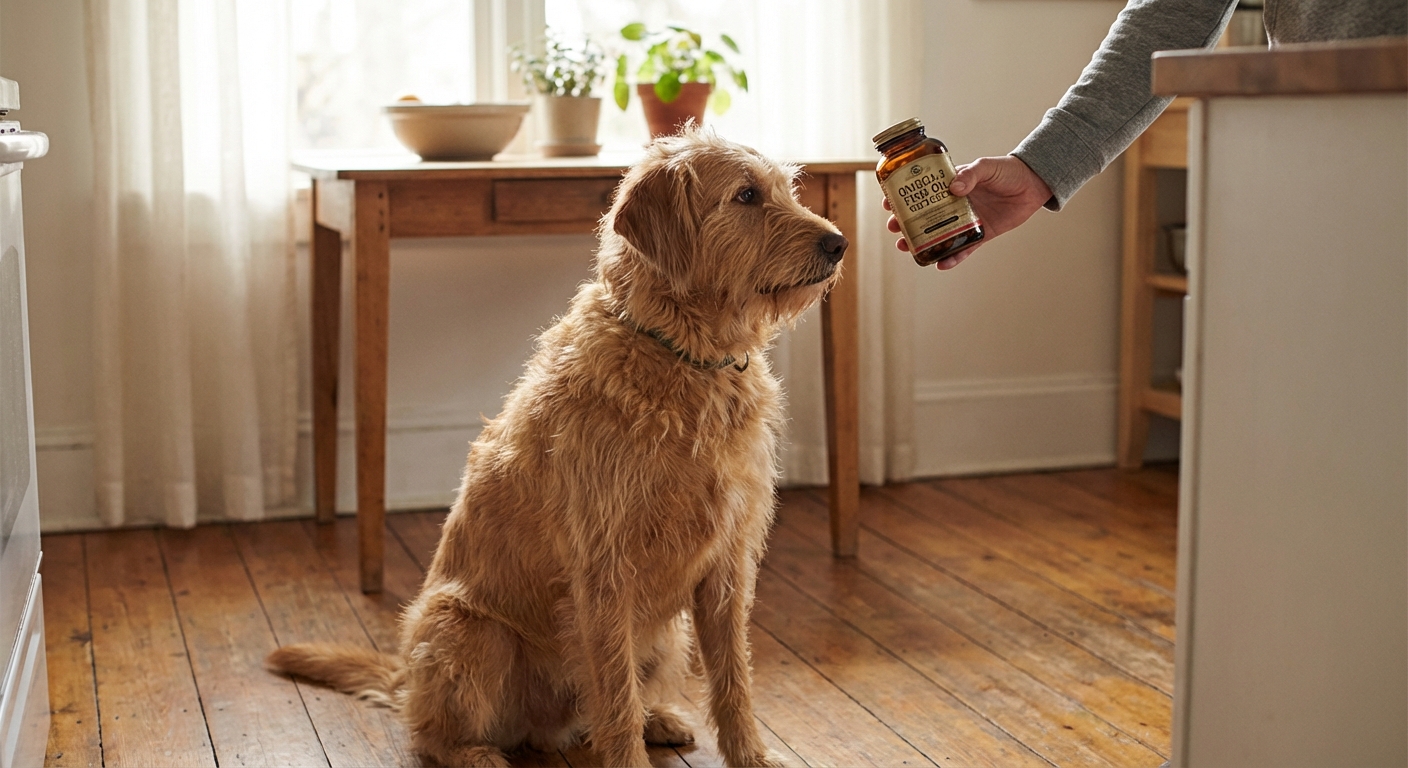
- Ask your vet whether an omega-3 supplement is appropriate for your dog’s skin and inflammation support.
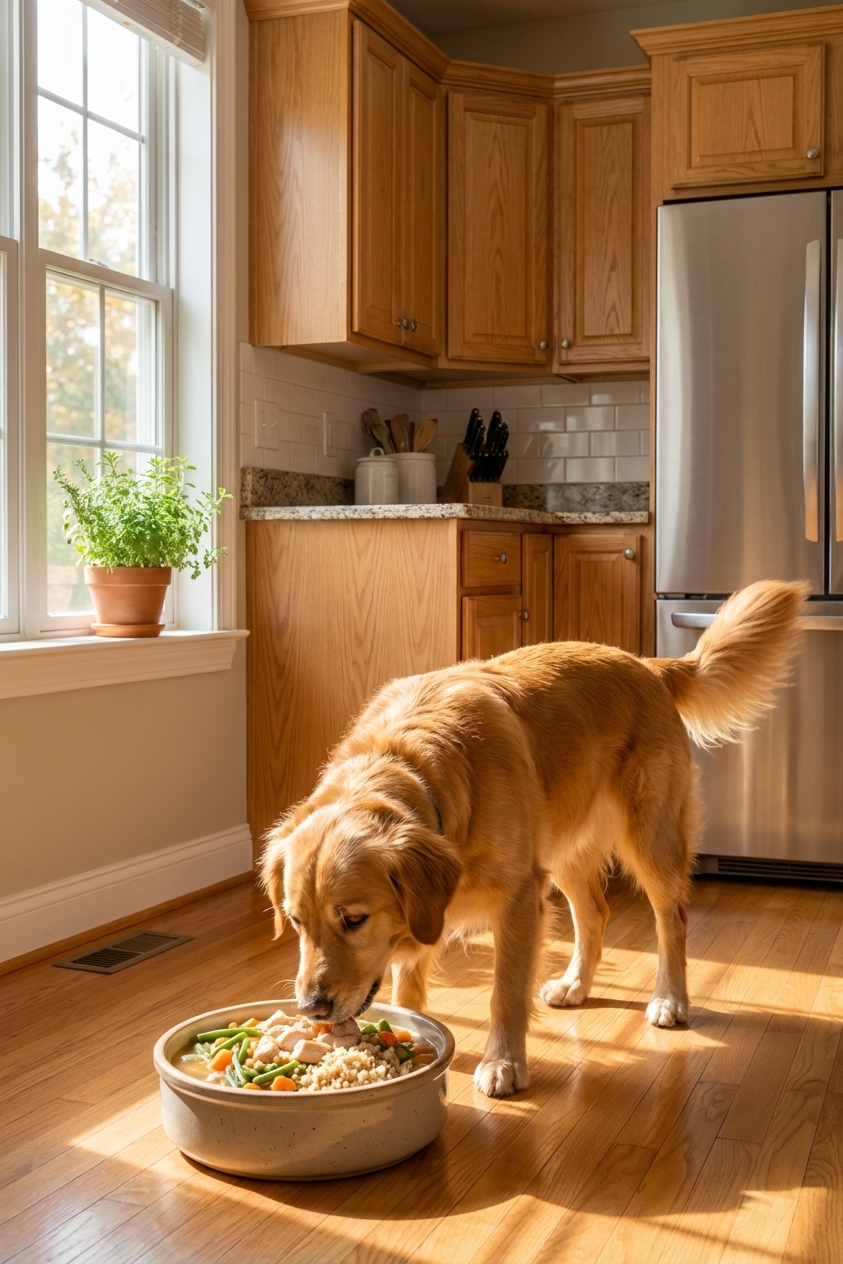
3) Feed for a slower metabolism
Many hypothyroid dogs need fewer calories than you would expect. Focus on:
- Measured portions and a consistent routine
- High-quality protein to support lean muscle
- Fiber and moisture for fullness if weight loss is needed
- Veterinary guidance before major diet changes, especially if you want to do homemade
If you are interested in homemade or partial homemade meals, go slowly and make sure the plan is nutritionally complete. Medication consistency and overall health support go hand in hand, even though diet does not replace thyroid hormone.
4) Exercise low and slow
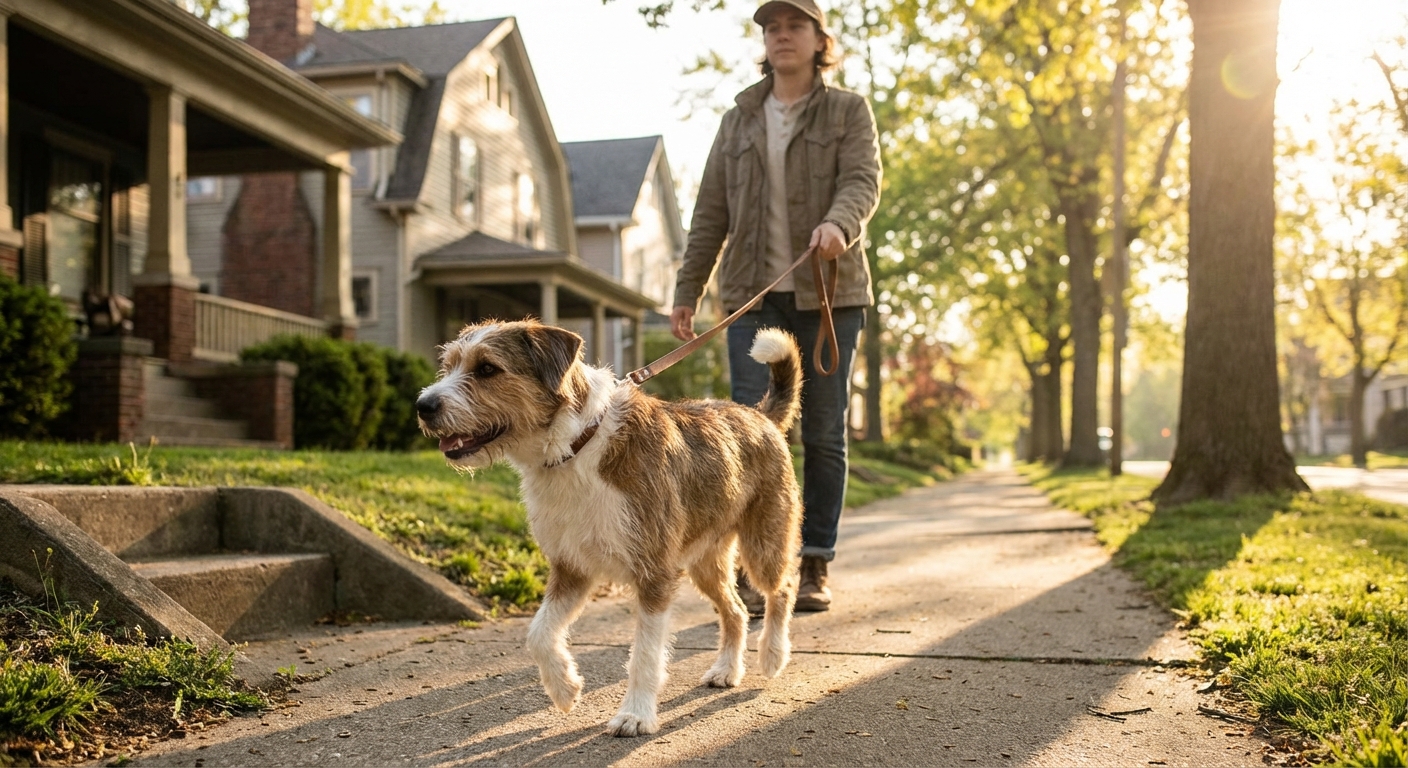
If your dog is sluggish, start with short, frequent walks and gradually build up. Think “easy consistency” rather than weekend warrior workouts.
Training tips
When a dog feels tired, cold, or itchy, training can suddenly feel harder. The goal is to keep progress gentle and confidence-building.
Keep sessions short
- Try 2 to 5 minute sessions, 2 to 4 times a day.
- End on a win, even if it is a simple cue like “sit” or “touch.”
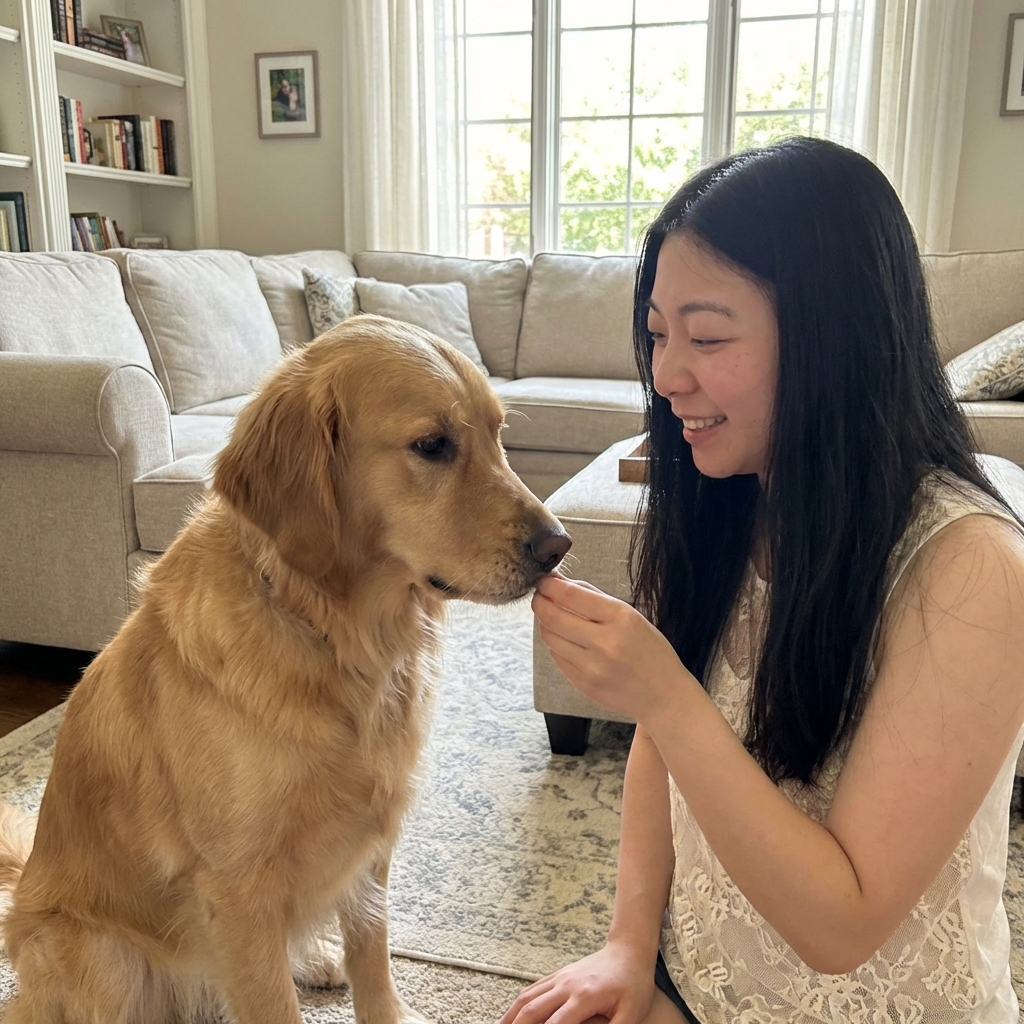
Use smart rewards
For dogs who need weight control, treats add up fast. Options to discuss with your vet include:
- Small pieces of cooked lean meat
- Freeze-dried single-ingredient treats broken into tiny bits
- Portioning daily kibble as training rewards if your dog eats kibble
Train for comfort
- If your dog is cold-sensitive, train indoors on a rug or mat.
- If joint stiffness is present, warm up with slow walking before asking for repetitive sits.
- If skin is irritated, avoid gear that rubs. Consider a well-fitted harness instead of a collar, based on your vet’s guidance.
Watch stress signals
Yawning, lip licking, turning away, or sudden sniffing can mean your dog needs a break. If your dog’s body is uncomfortable, their stress tolerance may be lower than usual, so kindness and pacing matter.
When to call the vet
Make an appointment if your dog has multiple symptoms on this page, especially weight gain plus coat or skin changes. Seek veterinary care promptly if you notice:
- Sudden weakness or collapse
- Severe lethargy or refusal to eat
- Signs of a painful ear or skin infection (head shaking, odor, discharge, raw skin)
- Rapid behavior changes or confusion
Also call your veterinarian if your dog is already on thyroid medication and symptoms return, or if you see possible signs the dose is too high. Dose adjustments are common, and rechecks are part of good care.
The bottom line
Thyroid problems in dogs can be sneaky, but they leave a trail: low energy, weight gain, coat and skin changes, and recurring infections are some of the biggest clues. With the right testing, treatment, and a realistic care and training plan, many dogs feel like themselves again.
If you suspect a thyroid issue, do not wait for symptoms to get severe. A simple conversation and the right bloodwork can save you months of guessing.