A practical guide to methimazole for feline hyperthyroidism—what it treats, common dosing schedules, when cats improve, side effects to watch for, and how ...
Article
•
Designer Mixes
Thyroid In Cats: Symptoms and Facts Every Owner Should Know

Shari Shidate
Designer Mixes contributor
If your cat seems hungrier than ever, is losing weight anyway, or suddenly acts like they have a motor that will not shut off, it is worth thinking about the thyroid. Hyperthyroidism is common in older cats, and the signs can be easy to miss at first. The good news is that feline hyperthyroidism is very treatable once you know what to look for.
What the thyroid does (and why it matters)
The thyroid is a small gland in your cat’s neck that produces hormones (mainly T4) that help control metabolism. Think of it like the body’s accelerator for energy use. When the thyroid produces too much hormone, the whole body speeds up.
In cats, the most common thyroid problem is hyperthyroidism, meaning the thyroid is overactive. Hypothyroidism is very uncommon in cats and is most often iatrogenic (after treatment for hyperthyroidism) rather than happening naturally.
Hyperthyroidism in cats: the key facts
- Most common in senior cats: typically middle-aged to older, often over 10 years old.
- Usually caused by benign changes: most cases involve a non-cancerous enlargement of thyroid tissue. Thyroid cancer is possible but far less common.
- It affects more than weight: the condition can strain the heart, raise blood pressure, and impact the kidneys.
Because multiple body systems get pulled into the “too-fast metabolism” cycle, symptoms can look like many other issues at first. That is why routine senior wellness exams and bloodwork matter so much.
Common symptoms of thyroid problems in cats
Hyperthyroidism can show up in a few classic ways, plus some less obvious ones. If you notice one sign, it does not automatically mean thyroid disease, but a cluster of these signs is a strong reason to call your veterinarian.
Most common signs owners notice
- Weight loss even though appetite is normal or increased
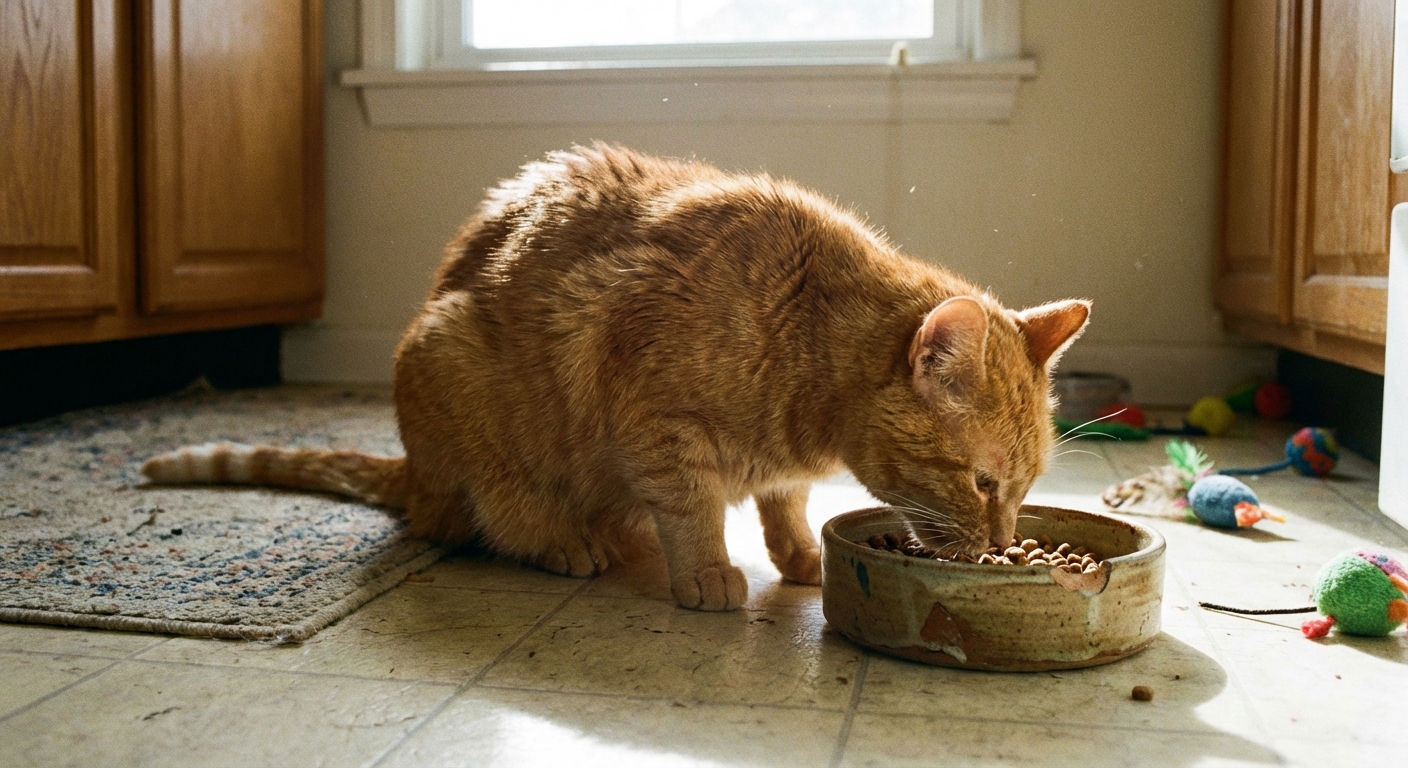
- Increased hunger (some cats act ravenous)
- Hyperactivity, restlessness, or pacing
- Increased thirst and urination
- Vomiting or more frequent hairballs
- Diarrhea or larger, more frequent stools
- Unkempt coat or decreased grooming
Signs that can be easy to miss
- Yowling or vocalizing more than usual, especially at night
- Irritability or changes in social behavior
- Heat intolerance such as seeking cooler surfaces, stretching out on tile, or avoiding warm spots
- Muscle loss along the back or hindquarters
If you are ever unsure, one of the most helpful things you can do is take a short video of the behavior (pacing, yowling, drinking patterns) and bring it to your appointment. Real-life clues help your vet connect the dots faster.
What your vet may find on an exam
Some signs of hyperthyroidism show up clearly during a veterinary visit, even when a cat is acting “normal” at home.
- Fast heart rate or a heart murmur
- High blood pressure (hypertension)
- A palpable thyroid nodule (a small lump in the neck area), not always present
- Body condition changes like weight loss and muscle wasting
Blood pressure matters more than many owners realize. Severe hypertension can damage the eyes and, in some cases, contribute to sudden vision loss.
How thyroid issues are diagnosed
Diagnosis usually starts with a physical exam and bloodwork. The most common first test is a total T4 level. In many cats with hyperthyroidism, total T4 is clearly elevated.
Sometimes, especially early in the disease, total T4 can fall into a high-normal range even when hyperthyroidism is present. In those cases, your veterinarian may recommend additional testing such as:
- Free T4 (often used alongside total T4; it can be more sensitive but is not as specific on its own)
- Repeat testing after a few weeks if symptoms strongly suggest thyroid disease
- Thyroid imaging in select cases (for example, before certain treatments)
Your vet may also run kidney values, liver enzymes, and a complete blood count. This is not “extra.” It is smart medicine because hyperthyroidism can mask kidney disease and can affect other organs. Once thyroid levels are brought under control, underlying kidney issues may become more obvious, which is one reason follow-up labs and dose adjustments are so important.
Why it can look like other problems
Hyperthyroidism can overlap with diabetes, kidney disease, gastrointestinal disorders, and even behavioral changes related to aging. One reason thyroid testing is so important is that you can treat the thyroid problem, and many other symptoms improve dramatically.
In clinic, I have seen cats go from frail and cranky to bright-eyed and comfortable again once their thyroid levels are controlled.
Treatment options (and what to expect)
There is no single “best” treatment for every cat. The right plan depends on your cat’s age, kidney health, heart status, household routine, and budget. Your veterinarian will help you choose an option that is both effective and realistic.
1) Medication (methimazole)
This is a common first-line option. It reduces thyroid hormone production. It does not cure the underlying thyroid growth, but it can control hormone levels well.
- Pros: non-surgical, widely available, adjustable dose
- Considerations: requires daily dosing and follow-up bloodwork; some cats have side effects such as vomiting, appetite changes, facial itching, or changes in blood counts
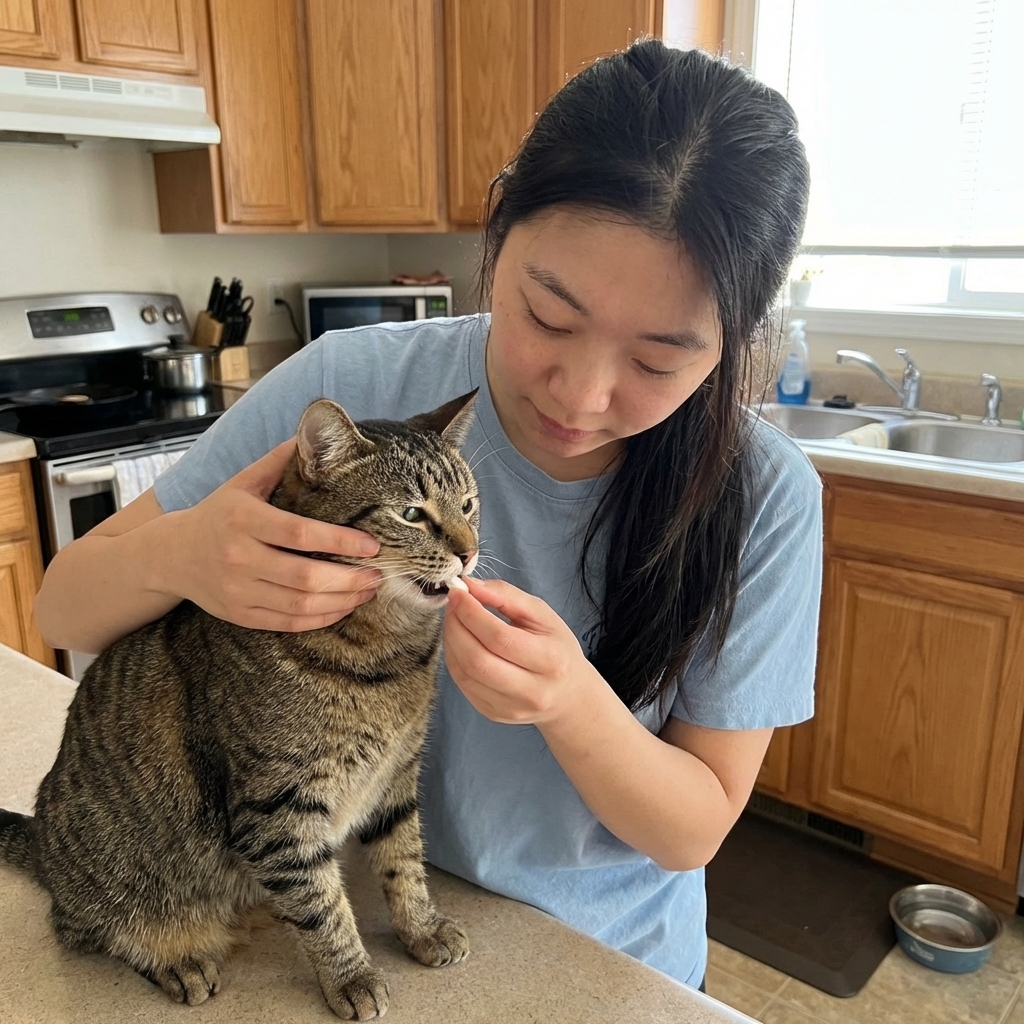
For cats that hate pills, ask your vet whether a transdermal (ear gel) form is appropriate.
2) Prescription diet (iodine-restricted)
This is a therapeutic diet designed to limit iodine, which the thyroid uses to make hormones. Some cats do very well on it, especially when it is a good fit for the household.
- Pros: non-invasive, no pill administration
- Considerations: must be fed exclusively to be effective, which can be hard in multi-cat homes or for cats who snack outdoors. In multi-cat households, some families use separate feeding rooms, scheduled mealtimes, or microchip feeders to keep diets from mixing.
Because every cat’s overall health picture is different, especially if kidney disease is also present, it is worth discussing whether this option is the best long-term match for your cat.
3) Radioactive iodine therapy (I-131)
This treatment targets overactive thyroid tissue. It is considered a definitive treatment for many cats.
- Pros: often curative, no daily meds afterward for many cats
- Considerations: requires referral to a facility and a short isolation period after treatment; cost is higher upfront
4) Surgery (thyroidectomy)
Surgical removal may be recommended in select cases.
- Pros: can be curative
- Considerations: anesthesia and surgical risks, especially in senior cats; requires careful technique to protect nearby structures like the parathyroid glands
What to monitor at home
Once treatment starts, you become an important part of the care team. Small observations at home can catch problems early and help fine-tune treatment.
- Weight: weigh weekly if possible
- Appetite: note increases, decreases, or picky eating
- Water intake: watch for big changes
- Bathroom habits: stool quality and frequency
- Energy and sleep: look for a calmer, more comfortable baseline over time
- Medication tolerance: vomiting, facial scratching, hiding, or mood changes should be reported
Follow-up lab work is not optional. It is how your veterinarian makes sure thyroid levels are controlled and that kidneys, liver, and blood counts are staying safe during treatment. If kidney values shift as thyroid levels normalize, your vet may adjust the plan to find the safest balance for your cat.
When to seek urgent care
Most cats with hyperthyroidism are stable, but complications can happen, especially if the disease is advanced or untreated. Contact your veterinarian or an emergency clinic promptly if your cat has:
- Open-mouth breathing, severe panting, or struggling to breathe
- Collapse, extreme weakness, or sudden inability to walk normally
- Seizures
- Sudden blindness or bumping into objects (can be related to high blood pressure)
- Persistent vomiting, refusal to eat for 24 hours, or signs of dehydration
Owner takeaway
Hyperthyroidism in cats is common, sneaky, and very manageable once identified. If you have an older cat, do not ignore weight loss, a sudden huge appetite, increased thirst, or new nighttime yowling. Those are not just “getting older” behaviors. They are signals.
If you are concerned, schedule a vet visit and ask about thyroid testing, blood pressure, and senior lab work. Catching hyperthyroidism early can protect the heart, support kidney health, and help your cat feel like themselves again.