Vet-assistant guide to feeding hypothyroid dogs at home: lean protein, fiber, smart carbs, omega-3s, iodine/selenium basics, supplement gaps, and levothyroxi...
Article
•
Designer Mixes
Thyroid Conditions in Dogs: Step-by-Step How-To

Shari Shidate
Designer Mixes contributor
When a dog has a thyroid condition, it can feel confusing at first because the symptoms often look like “normal aging.” In my work as a veterinary assistant, I have seen how much better dogs feel once their thyroid issue is correctly diagnosed and treated. The good news is that most thyroid conditions in dogs are manageable with the right plan and steady follow-up.
This guide walks you through what to watch for, what to ask your vet, what testing typically looks like, and how to support your dog at home in a safe, evidence-based way. This is educational information and not a substitute for veterinary diagnosis or treatment.
Step 1: Know the main thyroid issues
The thyroid is a small gland in the neck that helps regulate metabolism. In dogs, the dominant thyroid condition is hypothyroidism, meaning the thyroid is underactive. Hyperthyroidism is uncommon in dogs and is more often seen in cats.
Hypothyroidism (most common)
- What it is: Low thyroid hormone levels, usually due to immune-mediated thyroiditis or thyroid gland atrophy.
- Plain-language cause: The immune system may slowly damage thyroid tissue, or the gland may shrink over time, so it cannot produce enough hormone to meet your dog’s needs.
- Who it affects: Often middle-aged dogs; certain breeds are more represented (including Golden Retrievers, Dobermans, Cocker Spaniels, and others).
- Why it matters: Low thyroid hormone can affect skin, coat, weight, energy, heart rate, and more.
Hyperthyroidism (rare)
- What it is: Excess thyroid hormone.
- In dogs: Rare, and when it occurs it may be associated with thyroid tumors (such as thyroid carcinoma) or accidental exposure to thyroid medication.
This article focuses mainly on hypothyroidism because it is by far the most common thyroid condition in dogs.
Step 2: Spot signs that need a vet visit
Hypothyroidism can be subtle at first. If you notice a pattern, trust your instincts and schedule an exam.
Common signs of hypothyroidism
- Low energy, more sleeping, less interest in play
- Weight gain without an increase in food
- Cold intolerance, seeking warm spots
- Skin issues like dryness, flaking, recurring ear or skin infections
- Hair thinning or hair loss, especially on the trunk or tail (sometimes called “rat tail”)
- Dull coat, slow hair regrowth after shaving
- Slower heart rate in some dogs
- Reproductive changes (less common, but possible)
Some dogs also have signs that overlap with other conditions like allergies, Cushing’s disease, arthritis, or chronic infections. That is why testing matters and why your veterinarian will look at the whole picture.
Step 3: Prep for your appointment
You can help your veterinarian immensely by showing up with clear observations.
What to track for 7 to 14 days
- Energy level: any changes in walks, play, stamina
- Weight: if possible, weigh weekly on the same scale
- Appetite and thirst: increased, decreased, or unchanged
- Skin and coat: itching, odor, dandruff, hair thinning, recurring infections
- Medications and supplements: bring a list and doses
- Diet: brand, treats, table foods, homemade components
If your dog has skin changes, a few clear phone photos taken in good lighting can be extremely helpful.
Step 4: Know what testing looks like
Many people assume one thyroid number is enough. In dogs, thyroid interpretation can be tricky, especially if a dog has other illnesses or is on certain medications. A low number does not automatically mean your dog is hypothyroid, and treatment should follow a real diagnosis.
Common thyroid tests your vet may recommend
- Total T4 (TT4): often used as an initial screening test.
- Free T4 (fT4) by equilibrium dialysis: a more specific test that is helpful when results are borderline or confusing.
- TSH (thyroid-stimulating hormone): can support a hypothyroidism diagnosis when elevated, but it is not perfect on its own.
- Thyroglobulin autoantibodies (TgAA): can help identify immune-mediated thyroiditis.
- Baseline lab work: complete blood count and chemistry panel can show changes sometimes associated with hypothyroidism and also screen for other conditions. Examples your vet may mention include elevated cholesterol or triglycerides and mild anemia in some dogs.
Important note: Many non-thyroid illnesses can temporarily lower T4 (sometimes called “euthyroid sick syndrome”). That is why your vet may recommend a fuller thyroid panel rather than treating based on one low number.
Step 5: Start treatment the right way
The standard treatment for canine hypothyroidism is levothyroxine, a synthetic thyroid hormone replacement. Most dogs do very well once dosing is dialed in.
How levothyroxine is typically used
- Given by mouth: often twice daily, sometimes once daily depending on your veterinarian’s plan and your dog’s response.
- Consistent timing matters: give it the same way each day. Ask your veterinarian whether they want it given with food or on an empty stomach for your specific dog and product.
- Do not adjust the dose on your own: dose is based on your dog’s weight, symptoms, and lab monitoring.
- Tell your vet about other meds and supplements: some products can interfere with absorption or timing (for example calcium or iron supplements, antacids, and certain other medications). Follow your veterinarian’s spacing instructions.
When you might see improvement
- Energy: often improves within a few weeks
- Skin and coat: can take 1 to 3 months, sometimes longer
- Weight: improves with treatment, but many dogs still need a thoughtful nutrition plan and movement routine
What not to do: Do not start leftover thyroid medication from another pet, and do not increase or decrease the dose because you “see a change.” Call your veterinarian instead.
Step 6: Follow up and recheck labs
Thyroid management is not a “set it and forget it” situation, especially in the early months.
Typical monitoring plan (your vet may vary)
- Recheck bloodwork: often about 4 to 8 weeks after starting or changing the dose.
- Timing matters: your veterinarian may ask that the blood draw happen at a specific time relative to the pill (often a standardized window such as 4 to 6 hours after dosing), because inconsistent timing can make results hard to interpret.
- Ongoing checks: commonly every 6 to 12 months once stable, or sooner if symptoms return.
- Watch the dog, not just the number: your veterinarian will interpret labs alongside clinical signs.
If your dog is not improving, ask your vet about other conditions that can mimic hypothyroidism or occur at the same time, such as allergies, chronic ear infections, arthritis, or endocrine diseases.
Step 7: Support at home
Medication is the foundation. Your home routine can make that foundation work even better.
Nutrition basics that help
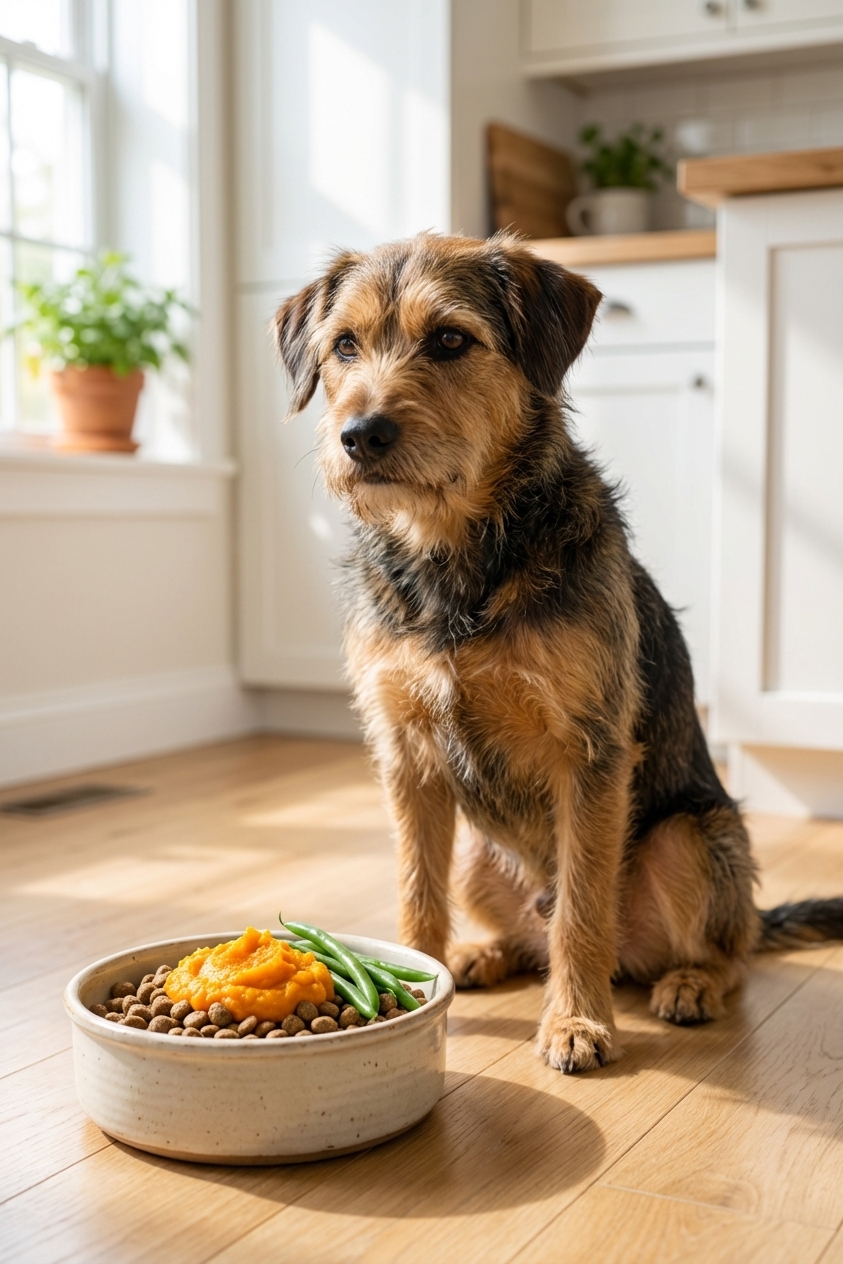
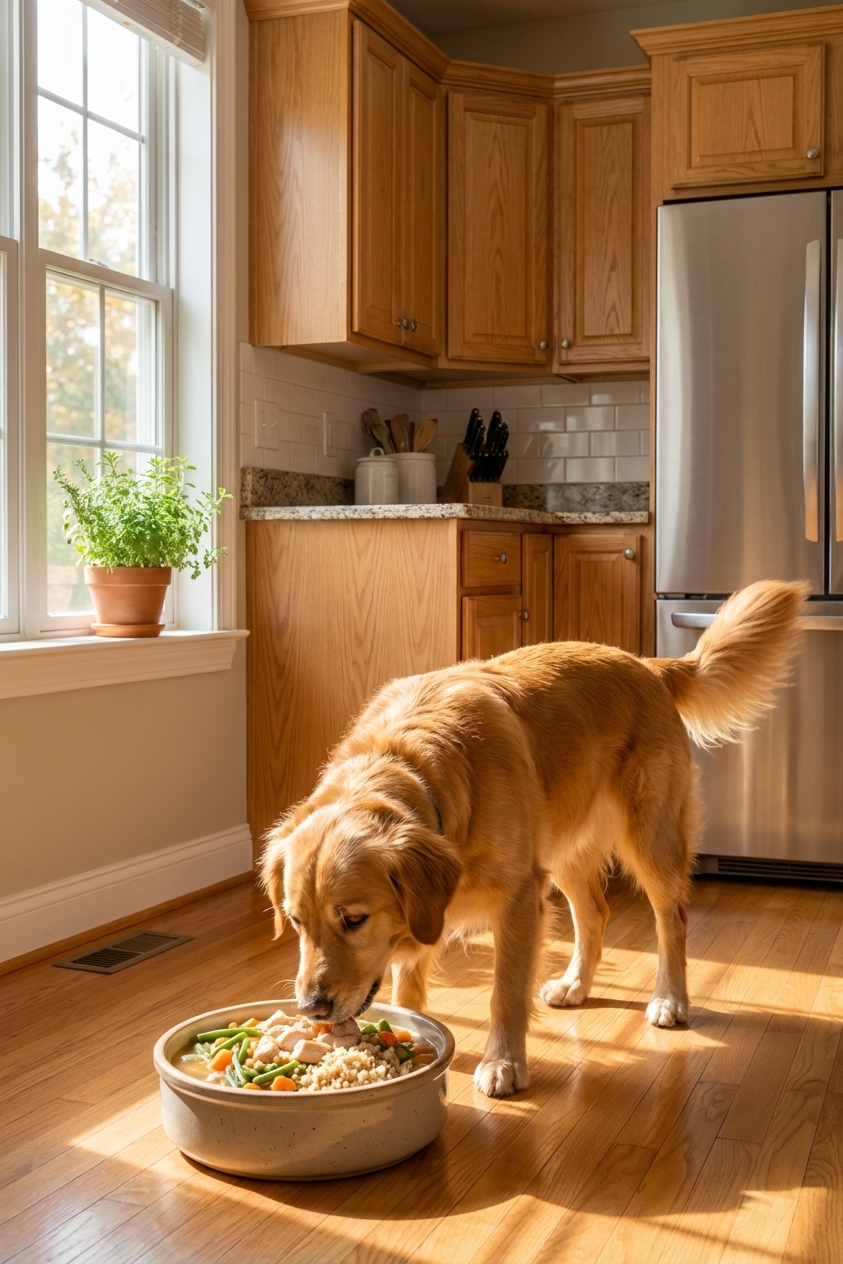
- Choose a consistent, complete diet: a high-quality commercial diet or a properly balanced homemade plan formulated with a veterinary nutritionist.
- Be careful with unbalanced homemade diets: “real food” is wonderful, but dogs need correct calcium, vitamins, and trace minerals. If you want homemade, do it the safe way with a recipe built for your dog.
- Use treats strategically: consider low-calorie, high-volume options like small pieces of cooked green beans or carrots if your dog tolerates them.
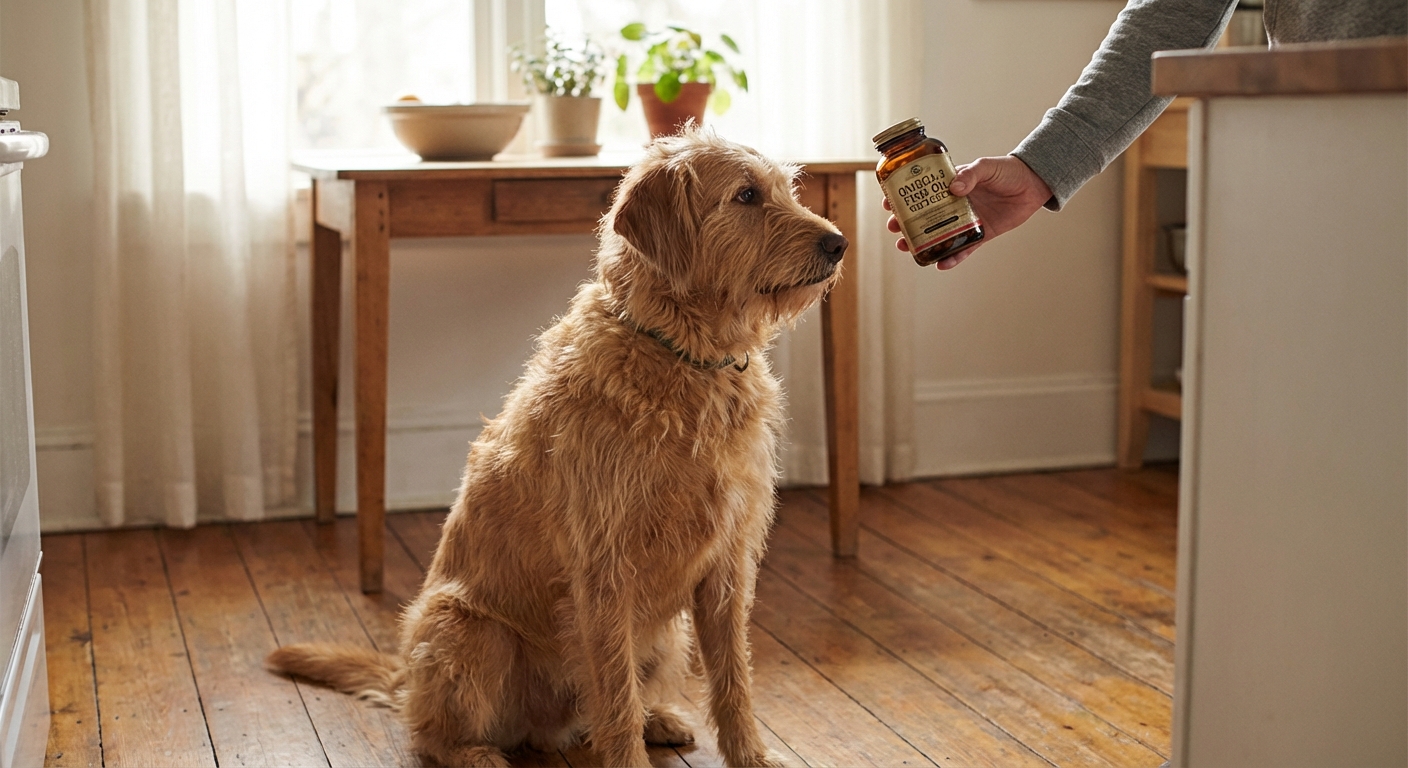
- Omega-3s may help skin: ask your vet whether fish oil is appropriate for your dog’s size and health history.
Movement that respects low energy and joints
- Start with short, consistent walks and slowly build duration.
- Consider low-impact options like leash walks on softer surfaces or swimming if your vet approves.
- Keep an eye on paw pads and nails, since coat and skin changes can affect comfort.
Skin and coat support
- Use vet-recommended shampoos if infections or yeast are an issue.
- Keep ears clean and dry if your dog is prone to ear infections.
- Ask your vet whether your dog needs cytology or cultures for recurring skin problems.
Step 8: Know what is urgent
Most thyroid cases are not emergencies, but you should contact your veterinarian promptly if you see concerning signs, especially after starting medication.
Call your vet if you notice
- Restlessness, panting, rapid heart rate, or hyperactivity after starting levothyroxine
- Vomiting, diarrhea, or refusing meals for more than 24 hours
- Sudden weakness, collapse, or severe lethargy
- New neurologic signs (stumbling, seizures)
These signs may indicate over-supplementation, another illness, or a separate problem that needs attention.
Frequently asked questions
Can hypothyroidism in dogs be cured?
In most cases, it is managed rather than cured. Many dogs stay on levothyroxine for life and do great with regular monitoring.
Will my dog lose weight once treated?
Some weight comes off with proper hormone replacement, but many dogs also need a measured calorie plan and consistent activity. Your vet can help set a safe target weight and timeline.
Should I switch to grain-free food for thyroid issues?
Not automatically. Grain-free is not a thyroid treatment. Some grain-free diets have been associated in reports and observational research with diet-associated dilated cardiomyopathy in certain dogs, and the cause is still being studied. Focus on a complete, balanced diet that fits your dog’s overall health, and ask your vet for brand and formula guidance.
Is it safe to feed homemade food to a hypothyroid dog?
It can be, as long as it is nutritionally complete and balanced. If you want to go homemade, I strongly recommend using a recipe created by a veterinary nutritionist or a trusted formulation tool recommended by your veterinarian.
Your next step
If your dog’s energy, weight, or coat seems “off,” schedule a visit and ask about thyroid testing. Thyroid disease is one of those conditions where the right diagnosis and a steady plan can truly give your dog their spark back.
If you are already treating hypothyroidism, your job is consistency. Give the medication as directed, keep follow-up labs (with the timing your vet recommends), and track symptoms at home. Those simple steps make a big difference.