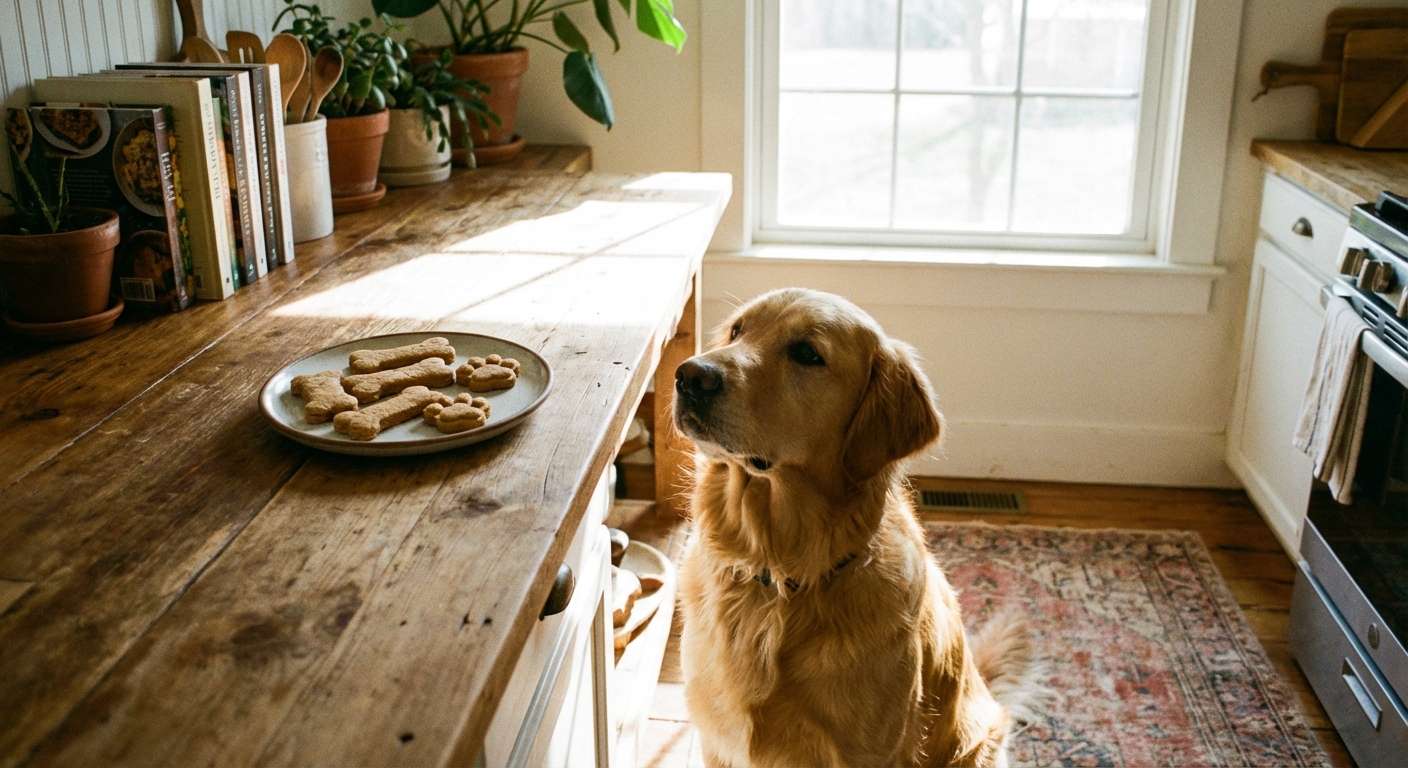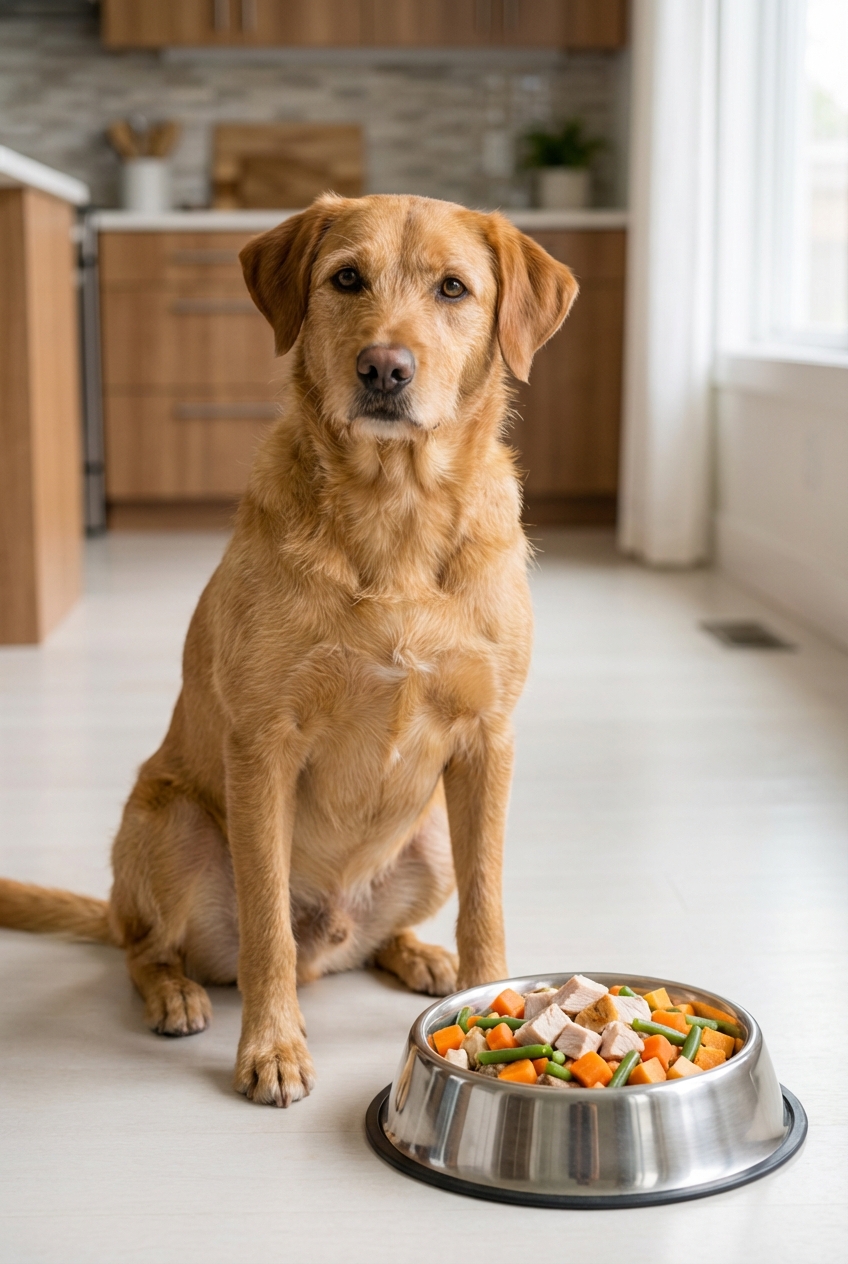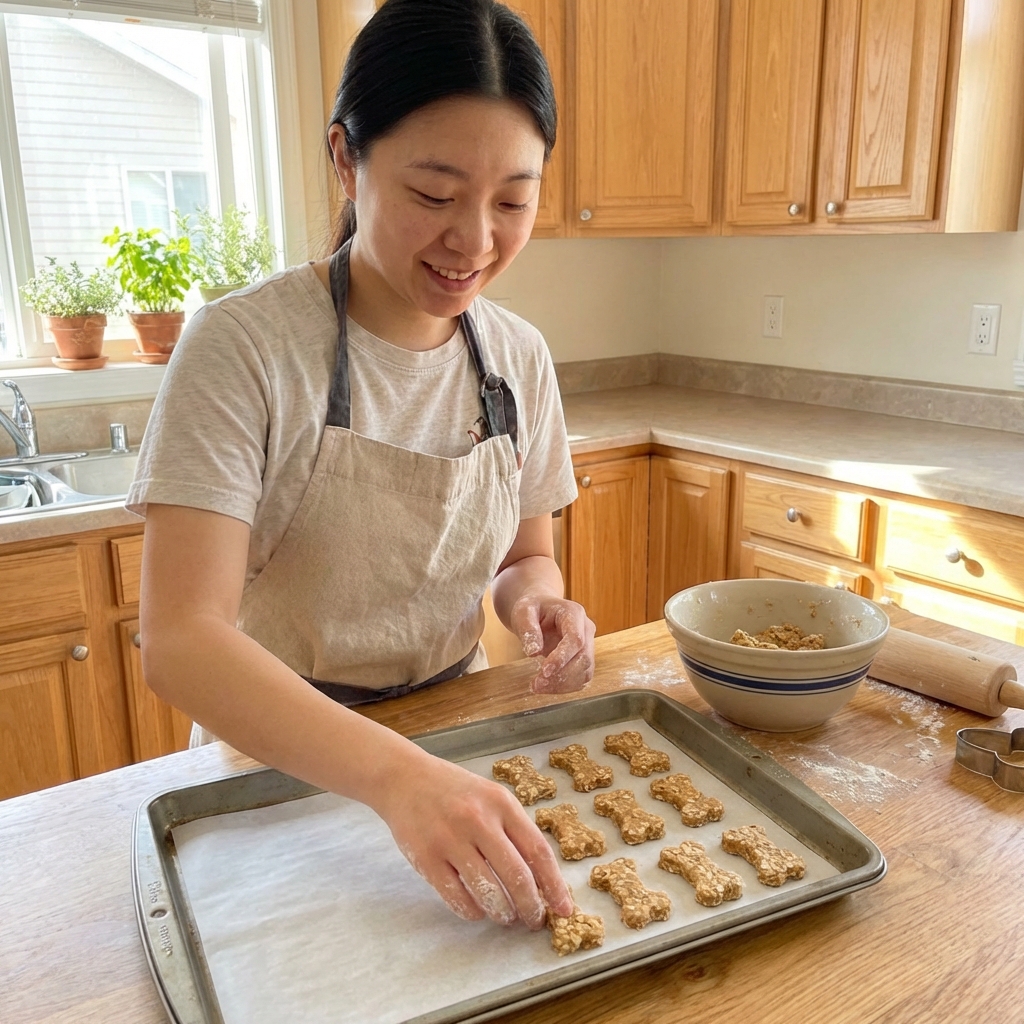
A vet assistant’s guide to safe homemade dog treats: vet-friendly ingredients, common toxins to avoid, 3 simple recipes, portion guidance, and storage best...
Article
•
Designer Mixes
Things Dogs Shouldn’t Eat

Shari Shidate
Designer Mixes contributor
As a veterinary assistant here in Frisco, Texas, I have seen the same scary pattern over and over: a well-meaning family shares “just a little bite,” and a few hours later their dog is vomiting, shaky, bloated and painful, or worse. The hard part is that many foods that are perfectly safe for us can be toxic to dogs, even in small amounts.
This guide will help you quickly spot common food hazards, understand why they are risky, and know what to do if your dog gets into something they should not. I cannot give individualized medical advice online, but I can tell you when it is time to call for help.
When it is an emergency
If your dog ate a known toxin or you see sudden symptoms, do not wait it out. Call your vet, an emergency clinic, or a pet poison hotline right away. Time matters with many toxins, and some are dangerous even before symptoms start.
Go now if you notice
- Repeated vomiting or diarrhea, especially with blood
- Swollen, tight abdomen or unproductive retching (can be bloat)
- Restlessness, pacing, or inability to get comfortable (common early bloat sign)
- Weakness, collapse, tremors, seizures, or unusual wobbliness
- Pale gums, fast breathing, or extreme lethargy
- Drooling, pawing at the mouth, or trouble swallowing
- Ingestion of xylitol, antifreeze, medications, or unknown substances
Quick tip: If you can, save the packaging and write down the amount eaten and the time it happened. That information helps the vet team act faster.
Top foods dogs should not eat
Below are the big “no” items I see most often. Toxicity and sensitivity vary by dog, and small dogs can get into trouble with smaller doses.
Xylitol
Xylitol is a sugar substitute found in many sugar-free products. In dogs, it can trigger a dangerous drop in blood sugar and can also cause liver injury. Low blood sugar can start fast, often within 30 to 60 minutes.
- Common sources: Sugar-free gum, mints, candy, peanut butter, baked goods, “keto” items, some toothpastes, some syrups and powders
- Signs: Weakness, vomiting, tremors, seizures, collapse
- Care: This is an emergency. Call immediately, even if your dog seems okay.
Chocolate and caffeine
Chocolate contains methylxanthines (like theobromine and caffeine) that dogs cannot process well. Dark chocolate and baking chocolate are especially risky.
- Common sources: Brownies, chocolate chips, cocoa powder, espresso beans, energy drinks
- Signs: Vomiting, restlessness, rapid heart rate, tremors
Grapes and raisins
These can cause acute kidney injury (and sometimes kidney failure) in some dogs, and we cannot predict which dogs will be affected or what amount will trigger it.
- Common sources: Trail mix, cookies, cereal, raisin bread
- Signs: Vomiting, lethargy, decreased appetite, increased thirst or reduced urination
- Care: Call right away. Do not wait for symptoms.
Onions and garlic
Allium family foods (onions, garlic, chives, leeks) can damage red blood cells and lead to anemia. This includes fresh, powdered, cooked, or dehydrated forms, and it is a common hidden ingredient in seasoned foods.
- Common sources: Seasoning blends, soups, sauces, onion rings, garlic bread
- Signs: Weakness, pale gums, fast breathing, lethargy (can appear later)
Alcohol and raw dough
Alcohol is toxic to dogs. Raw yeast dough can expand in the stomach and produce alcohol during fermentation, creating a double risk.
- Common sources: Beer, wine, cocktails, uncooked pizza dough
- Signs: Disorientation, vomiting, bloating, stumbling, slow breathing
Macadamia nuts
Macadamia nuts can cause weakness and neurologic signs. The exact mechanism is unknown. Many cases improve with supportive care, but some dogs can become very uncomfortable and symptoms can be severe.
- Common sources: Cookies, mixed nuts, snack bars
- Signs: Weakness (often hind legs), tremors, vomiting, fever
Cooked bones and fatty scraps
Cooked bones can splinter and cause choking, intestinal blockage, or tears. Fatty foods can trigger pancreatitis, which is painful and can become serious quickly.
- Common sources: BBQ ribs, chicken wings, bacon grease, holiday leftovers
- Signs: Vomiting, abdominal pain, hunched posture, refusal to eat
Too much salt
Very high salt intake can cause hypernatremia (salt toxicosis), dehydration, and dangerous electrolyte imbalances. Everyday salty snacks usually cause thirst and stomach upset unless a lot is eaten, but certain items are much higher risk.
- Higher-risk examples: Salt dough, rock salt/ice melt, paintballs, homemade play dough
- Also common: Chips, pretzels, salted popcorn, seasoned jerky
- Signs: Excessive thirst, vomiting, tremors, wobbliness
Medications and supplements
This is not a food, but it belongs on every toxin list. Many over-the-counter medications are common causes of pet poisoning. Some supplements can also be dangerous in small doses.
- High-risk examples: Ibuprofen, naproxen, acetaminophen, cold and flu products
- Supplement hazards: Iron, vitamin D (and combination “multi” products)
- Care: Call immediately. Do not guess on dosing.
Also watch out for
These come up often in real-life calls and clinic visits. Some are toxic, and some are dangerous mainly because they can obstruct the gut.
- Corn cobs: High risk for intestinal blockage
- Avocado: Often causes stomach upset; the pit is a choking and blockage hazard
- Mushrooms: Wild mushrooms can be dangerous; store-bought usually cause mild stomach upset but still call if symptoms start
- Nutmeg: Can cause neurologic signs at higher doses
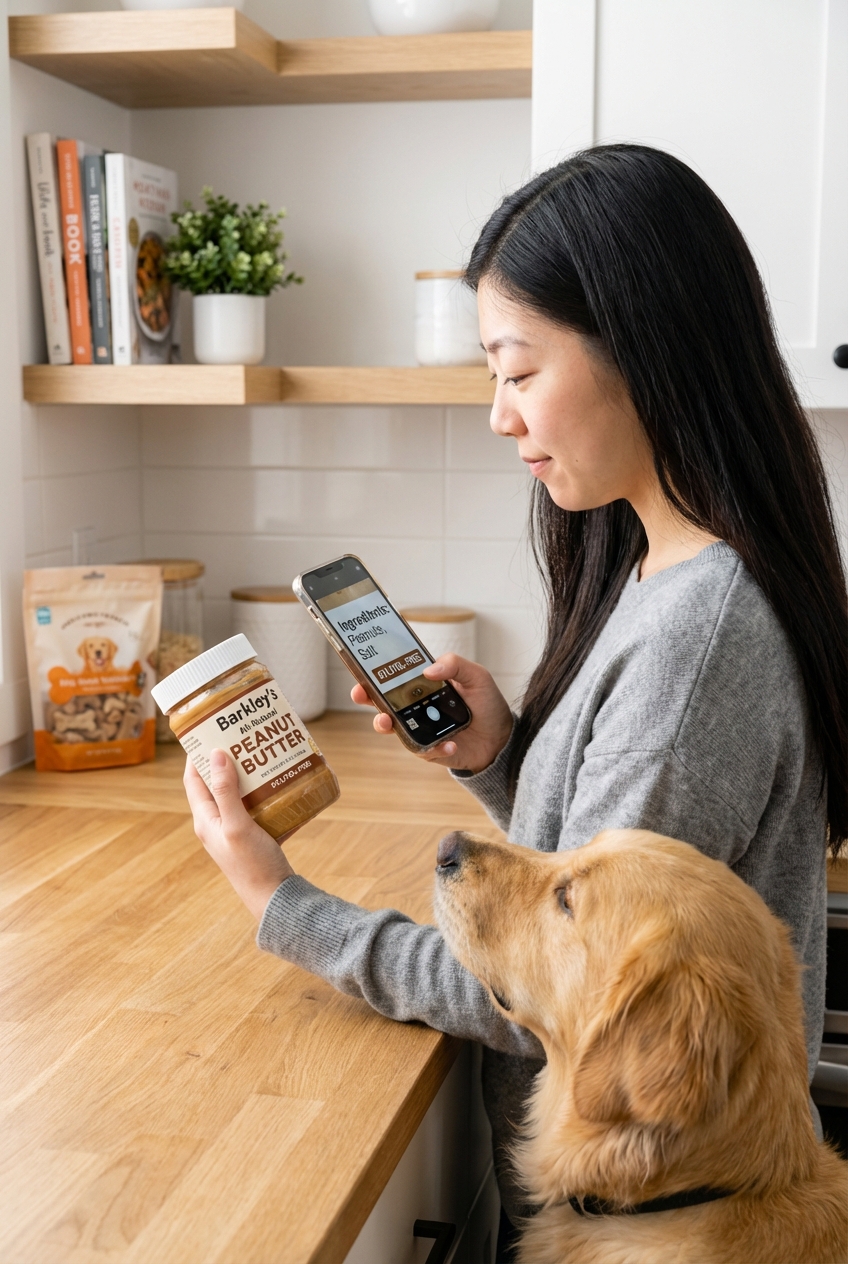
- Sugar-free products: Always check labels for xylitol
Foods that are sometimes risky
These are not always toxic, but they can cause problems depending on the dog, the amount, and how the food is prepared.
Dairy
Many dogs are lactose intolerant. Dairy can lead to gas, diarrhea, and discomfort. The biggest issue is usually stomach upset, but rich dairy (like ice cream) can also be too fatty for some dogs.
Peanut butter
Peanut butter itself is usually fine in moderation, but always check the ingredient label for xylitol. Also watch calories, since it is very dense.
Raw eggs, raw meat, and raw fish
Raw foods can carry bacteria and parasites. If you are considering a raw diet, work with a veterinarian or a board-certified veterinary nutritionist for safety and balance.
Fruit pits and seeds
Pits and large seeds can be choking or obstruction hazards. Some seeds and pits (like apple seeds and stone fruit pits) can also contain cyanogenic compounds, especially if crushed and eaten in quantity.
What to do if your dog ate something unsafe
Step 1: Stay calm
Secure your dog and move any remaining food out of reach so you can estimate how much was eaten.
Step 2: Gather details
- What was eaten (ingredient list helps)
- How much and when
- Your dog’s weight, age, and any medical conditions
- Current symptoms
Step 3: Call the right place
- Your veterinarian (or the nearest emergency vet)
- ASPCA Animal Poison Control Center: 1-888-426-4435 (fee may apply)
- Pet Poison Helpline: 1-855-764-7661 (fee may apply)
Step 4: Do not induce vomiting
Do not induce vomiting unless a professional tells you to. Vomiting can be dangerous with certain toxins, or if your dog is already weak, flat-faced, or at risk of aspiration.
Also skip home remedies like milk, bread, oil, or “detox” supplements. They can delay proper treatment and sometimes make things worse.
Step 5: Do not wait for symptoms
With high-risk toxins like xylitol and grapes or raisins, call right away even if your dog seems normal. Early treatment can make a big difference.
Prevention that works
The best poison control is simple household systems. Most emergencies happen during busy moments: cooking, parties, holidays, and travel.
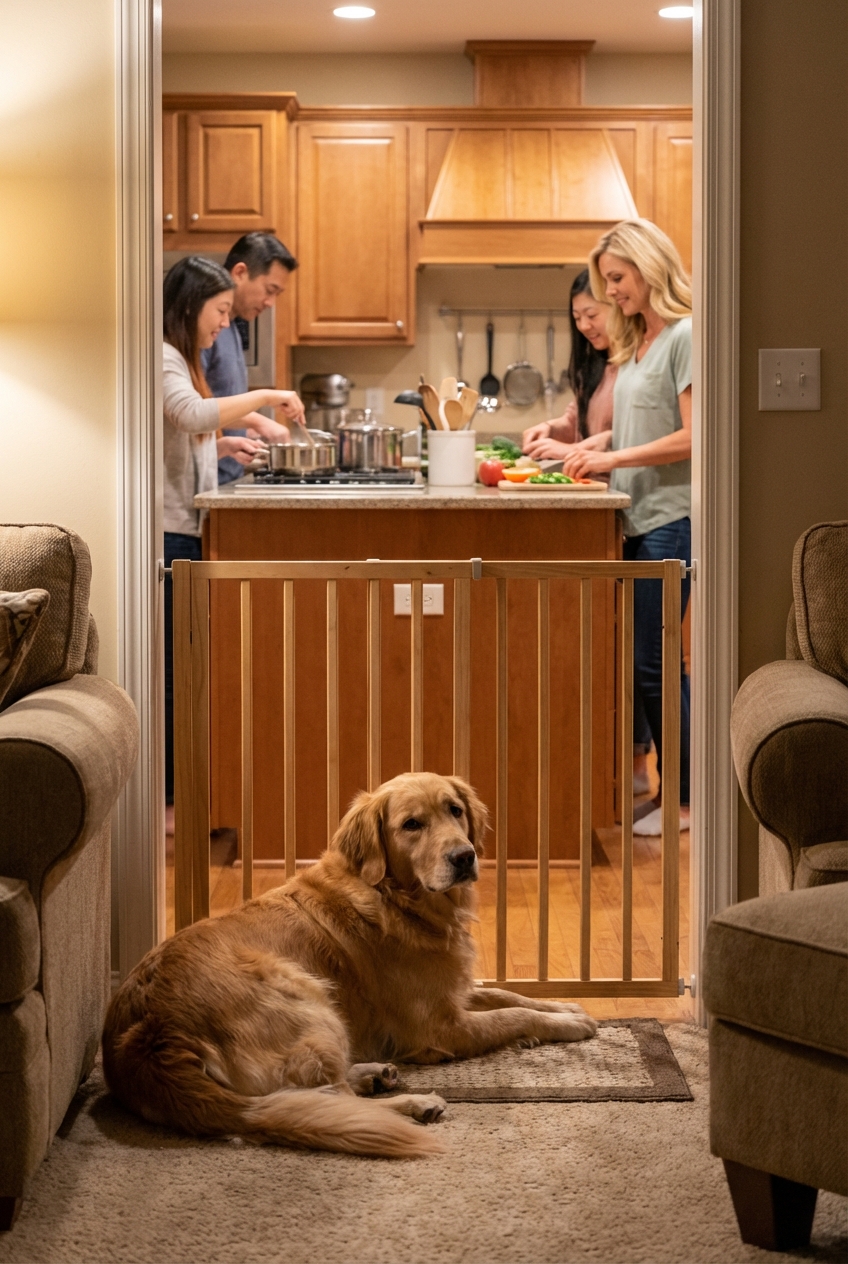
- Create a dog-safe zone during cooking and gatherings, like a baby-gated room with a chew
- Use locking trash cans and keep compost off the floor
- Teach “leave it” and “drop it” with high-value rewards
- Store gum, candy, meds, and vitamins in closed cabinets, not purses or nightstands
- Ask guests not to share food, especially with small dogs and puppies
Local tip: If you are in the Frisco area, look up a 24/7 emergency vet near you now and save the number in your phone, before you need it.
Safe snack swaps
If your dog loves to snack, you do not have to say “no” all the time. You just need safer options.
- Crunchy: Baby carrots, cucumber slices, or a few green beans
- Sweet: Blueberries or a small slice of apple with the core removed
- Protein: Plain cooked chicken or turkey (no onion, garlic, or heavy seasoning)
- Cooling treat: Frozen plain yogurt in a lick mat if your dog tolerates dairy
Portion reminder: Treats should stay around 10% or less of your dog’s daily calories to help prevent weight gain.
Quick reference list
If you only remember one section, let it be this one.
- Never: Xylitol, chocolate and caffeine, grapes or raisins, alcohol, raw dough, onions or garlic, macadamia nuts
- Avoid: Cooked bones, fatty scraps, salty snacks in large amounts, most seasoned foods
- Extra caution: Peanut butter (check label), dairy, fruit pits and large seeds, raw diets without guidance
If you are unsure, it is always okay to call your veterinarian first. Asking early is one of the kindest things you can do for your dog.