A practical guide to caring for hairless cats: skin checks, warming and bedding, wipe-downs, bathing routines, ear/nail/teeth care, sun safety, and when to c...
Article
•
Designer Mixes
The Lykoi Cat: The “Werewolf” Breed With a Surprisingly Sweet Personality

Shari Shidate
Designer Mixes contributor
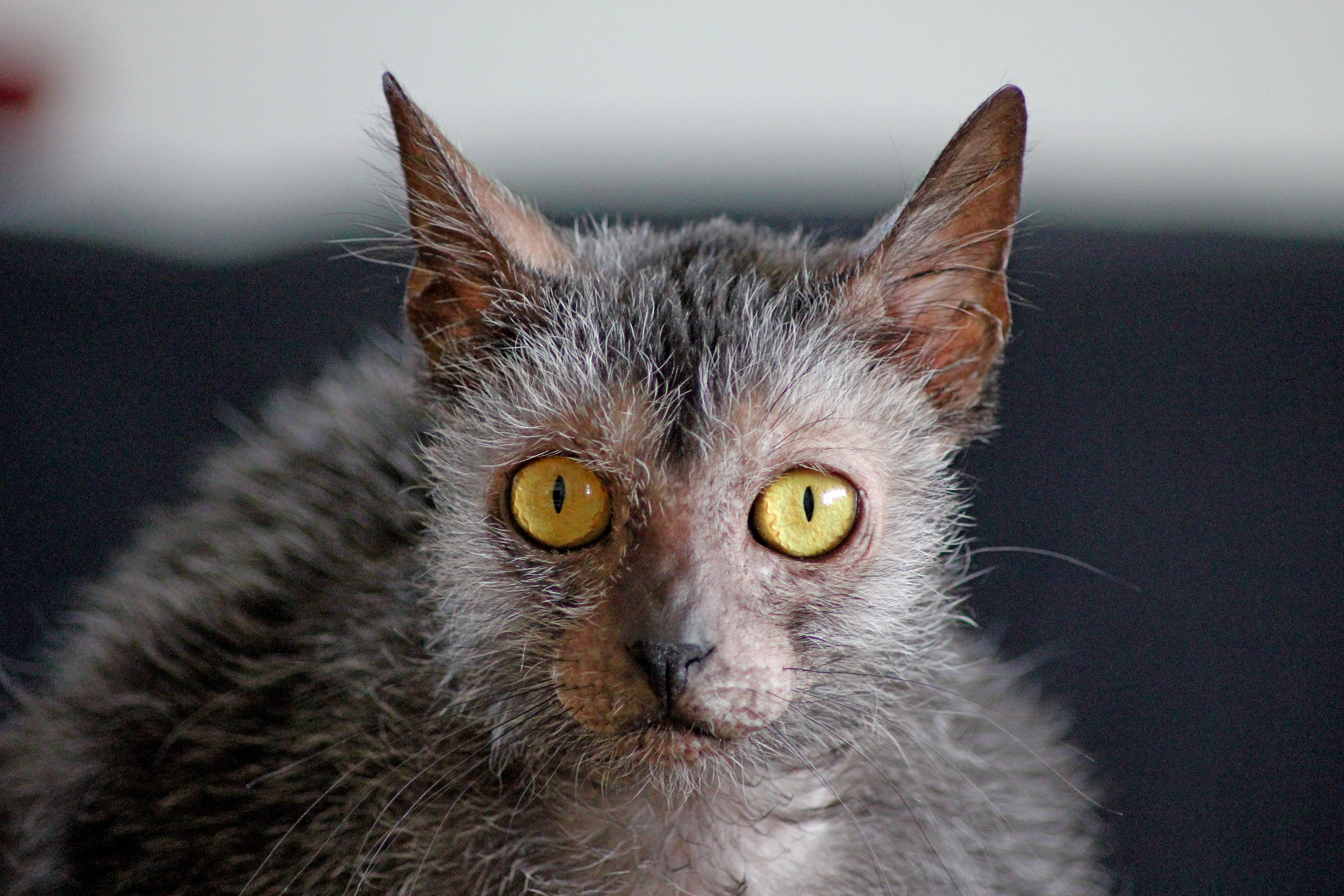
Some cat breeds win you over with a plush coat or a perfectly round face. The Lykoi does it differently. With a partially sparse coat, a striking mask-like pattern around the eyes, and an alert, curious expression, this breed has earned the nickname “werewolf cat.” But beneath that wild look is a companion that many families describe as affectionate, people-focused, and entertainingly smart.
In this guide, I will walk you through where the Lykoi came from, what daily care looks like, and how to decide if this unusual cat is the right match for your home and lifestyle.
Quick overview: what makes the Lykoi unique?
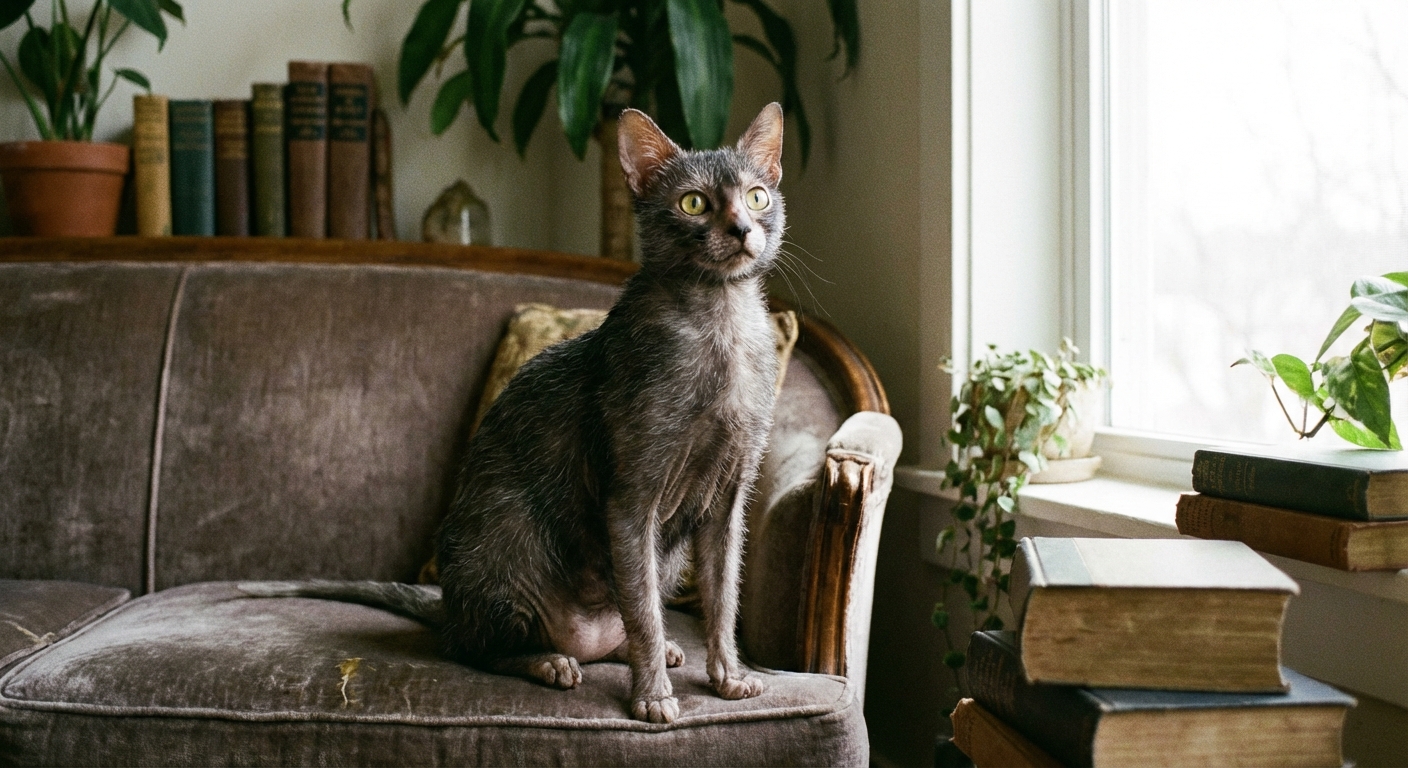
The Lykoi is a natural mutation that affects the hair follicles, leading to a coat that is thin in some areas and fuller in others. Many Lykoi have a “roan” pattern, meaning a mix of colored and white hairs that can look silvery or smoky. It is common to see reduced hair on the face, around the eyes, and on the legs, which contributes to that signature werewolf appearance.
- Size: Medium, athletic build
- Coat: Sparse to moderately dense, often roan
- Shedding: Can be unpredictable and sometimes seasonal
- Energy level: Moderately high, playful and engaged
- Personality: Curious, loyal, social with their people
Origin and history
The Lykoi is a relatively new breed. It originated in the United States around 2010, when breeders and veterinarians identified a naturally occurring mutation in some domestic shorthair cats that produced the distinctive sparse coat. Importantly, the Lykoi was not created by crossing with hairless breeds. It developed from domestic cats, with breeders working to establish healthy lines and consistent traits.
The name “Lykoi” is derived from the Greek lykos, meaning wolf, a nod to the breed’s appearance. While the look is dramatic, reputable breeding programs focus on health screening, genetic diversity, and temperaments that fit well in home environments. The breed is recognized by major cat registries, including TICA, which has helped formalize standards and responsible breeding practices.
Temperament: what living with a Lykoi is really like
Lykoi cats are often described as dog-like in their loyalty and interest in people. Many enjoy following their favorite human from room to room, investigating whatever you are doing, and engaging in interactive play. They tend to be confident, curious, and quick learners.
Common personality traits
- Highly curious: They like to explore and may open cabinets or inspect new items.
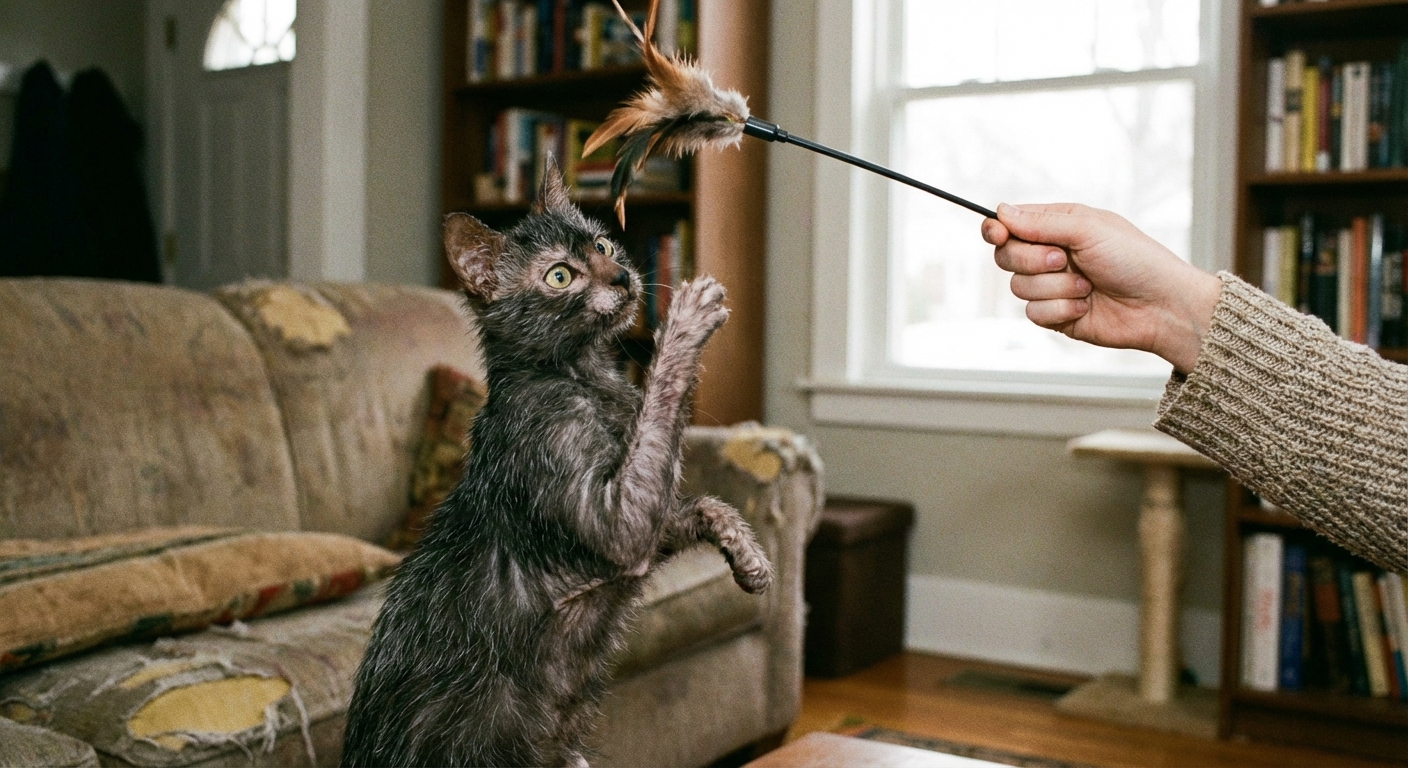
- Playful hunters: Expect enthusiasm for wand toys, puzzle feeders, and games that mimic chasing.
- Affectionate on their terms: Many enjoy cuddles, but they also appreciate autonomy.
- Social with family: With proper introductions, many do well with respectful children and other pets.
If you want a cat that quietly decorates your couch, the Lykoi might feel too involved. If you enjoy an engaged, interactive companion, this breed can be a wonderful fit.
Is the Lykoi a good pet for you?
I always encourage people to match a pet’s needs with the reality of their day-to-day life. The Lykoi tends to thrive in homes that can offer attention, play, and a stable routine.
Great match for
- People who want an interactive, social cat
- Homes that can provide daily play and enrichment
- Families with older, gentle children who understand respectful handling
- Multi-pet households that can manage slow introductions
May not be ideal for
- Anyone wanting a very low-maintenance coat and grooming routine
- Homes where the cat is alone for long stretches with little stimulation
- People who strongly prefer a consistently plush, uniform coat
Because this is a rare breed, take your time finding a reputable breeder or consider breed-specific rescues when available. A good source will prioritize health screening, transparency, and lifetime support.
Coat, grooming, and skin care
The Lykoi coat can be surprising. Some individuals have fuller coats than others, and some go through phases where they shed heavily or even appear to “molt” and look much barer for a period. This variation is common in the breed, though the timing and degree can vary widely by individual.
Grooming basics
- Gentle brushing: Use a soft brush once or twice a week, or as tolerated. Over-brushing can irritate sensitive skin.
- Bathing as needed: Some Lykoi develop oily buildup on the skin. Occasional baths with a cat-safe shampoo may help, but frequency varies by individual. Some may need a bath every few weeks, while others only need one every couple of months.
- Ear care: With less fur, ears can accumulate wax. Check weekly and clean only if needed using a vet-approved ear cleaner.
- Nail trimming: Every 2 to 4 weeks is typical.
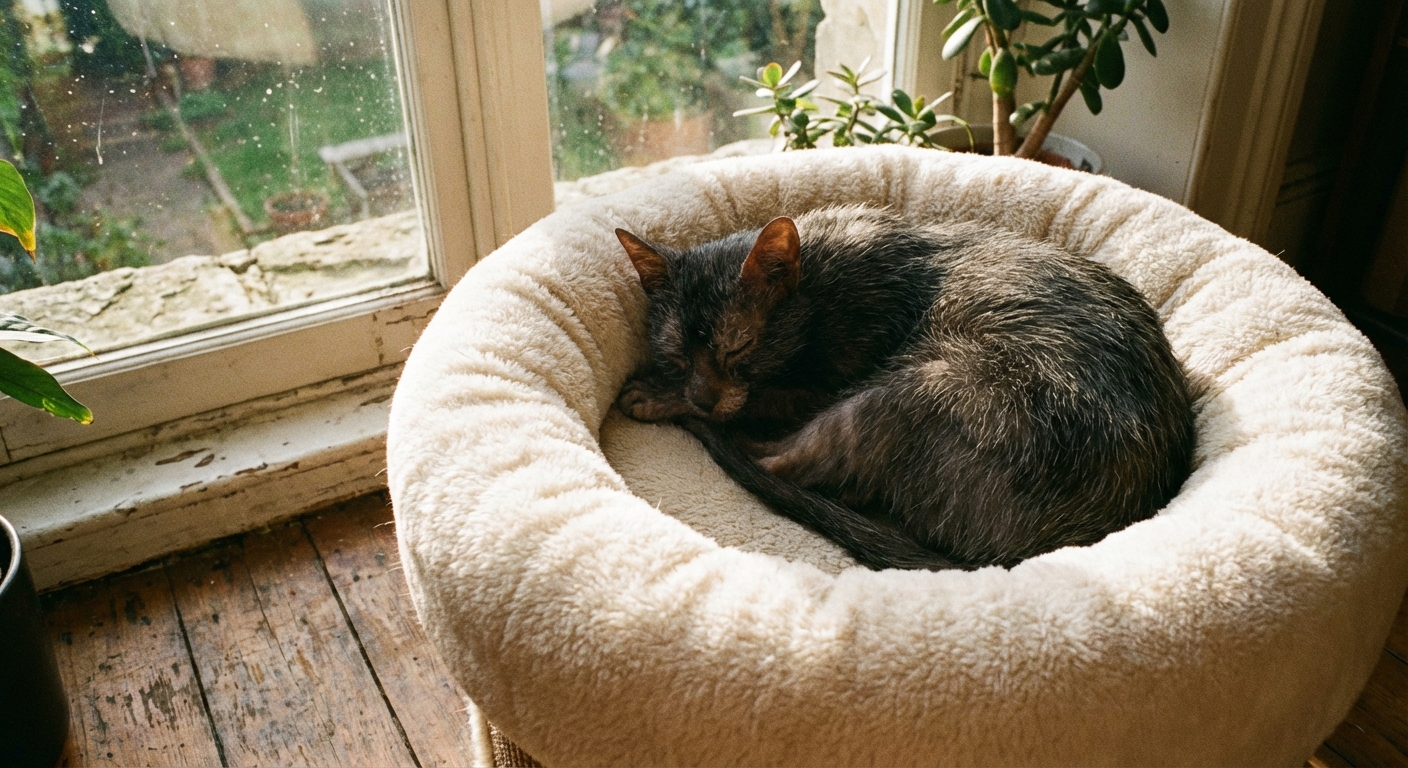
Because their coat offers less insulation, many Lykoi prefer warm sleeping spots. Provide cozy beds and keep your home comfortably heated, especially in colder months.
With sparser fur, some Lykoi are also more vulnerable to sunburn. If your cat spends long stretches sunbathing in bright windows, consider UV-filtering window film or limiting prolonged direct exposure during peak sun. If you notice persistent redness, flaking, a strong odor, scabs, or frequent scratching, schedule a veterinary check since these can be signs of dermatitis or infection.
Health considerations
Overall, the Lykoi is considered a generally healthy breed, especially when bred responsibly with attention to genetic diversity. That said, every breed has considerations, and any cat can develop common feline health issues over time.
Potential concerns to discuss with your veterinarian
- Skin sensitivity: Sparse coats can mean more exposure. Some individuals are more prone to irritation, dryness, or oily buildup.
- Temperature sensitivity: Less fur can make them less comfortable in cold environments.
- Parasite prevention: Flea and tick prevention is often recommended year-round, but the right plan depends on your region and your cat’s lifestyle. Ask your veterinarian what is appropriate for an indoor-only cat versus a cat with outdoor access.
- Routine feline risks: Dental disease, obesity, and urinary issues can occur in any cat, so preventive care matters.
Work with your veterinarian to tailor a preventive plan that includes regular exams, dental care, appropriate vaccines, and parasite control based on your cat’s lifestyle.
Nutrition and healthy weight
Consistency is key to pet nutrition. A few simple, steady habits can support a healthier weight, better energy, and long-term well-being.
Lykoi cats are typically active and playful, but they can still gain weight if portions creep up or treats become the main event.
Practical feeding tips
- Choose a high-quality, complete diet: Look for foods that meet AAFCO standards for your cat’s life stage.
- Prioritize protein: Cats are obligate carnivores and do best with protein-forward nutrition.
- Use measured portions: Even active cats benefit from consistent serving sizes.
- Make hydration easy: Offer fresh water daily. Many cats drink more from a fountain, and wet food can support moisture intake.
- Keep treats modest: Use treats for training and bonding, not as a calorie substitute.
Exercise, enrichment, and training
Lykoi cats are often problem-solvers. Without enough enrichment, they may invent their own activities, like counter surfing or redecorating your shelves. The goal is not to stop their curiosity, but to channel it.
Enrichment ideas that work well for this breed
- Interactive wand play for 10 to 15 minutes daily
- Puzzle feeders to slow eating and stimulate the brain
- Cat trees and shelves for climbing and observation
- Short training sessions using treats, like “sit,” “touch,” or coming when called
Many Lykoi do well with clicker training. Keep sessions short and positive. Consistency matters more than intensity.
Living environment and family compatibility
Lykoi cats can adapt to apartments or larger homes as long as their needs are met. They generally do best indoors, where you can control temperature, reduce parasite exposure, and protect them from hazards.
Kids, cats, and other pets
- Children: Teach kids to avoid grabbing and to let the cat approach first. Calm, gentle handling supports trust.
- Other cats: Many Lykoi do well with feline companions, especially if introduced slowly.
- Dogs: Friendly, cat-savvy dogs can be a good match. Use gradual introductions and provide vertical escape routes.
Finding a responsible breeder or adopting
Because the Lykoi is rare, it is especially important to avoid impulse purchases and questionable sources. A responsible breeder should be willing to answer detailed questions and to show you how their cats are raised.
What to look for
- Health screening information and veterinary records, plus clear FeLV and FIV status
- Transparent discussion of coat changes, skin care, and grooming needs
- Kittens raised in a home environment with intentional socialization
- A contract that prioritizes the cat’s welfare, including spay or neuter terms for pet kittens and a return policy if needed
- A breeder who can explain their approach to genetic diversity and how they monitor for inherited concerns over time
If you find a Lykoi through rescue, ask about skin care needs, temperament around other pets, and any known medical history.
Frequently asked questions
Are Lykoi cats hypoallergenic?
No cat breed is truly hypoallergenic. Allergies are often triggered by proteins in saliva and skin oils, not just fur. Some people may react differently to different cats, but there is no guarantee with the Lykoi.
Do Lykoi cats shed?
Yes, and shedding can be uneven or seasonal. Some Lykoi go through phases where their coat looks thinner.
Are they friendly?
Many are very people-oriented and playful. You will often see them shadowing their person, initiating play, and settling nearby once they feel secure. Individual temperament varies, and early socialization makes a big difference.
Takeaway: a distinctive look with a loyal, lively heart
The Lykoi is not just a novelty breed. For the right household, it can be a deeply rewarding companion, curious, engaged, and often surprisingly cuddly once trust is established. If you are drawn to their unusual appearance, make sure you are equally ready for their need for enrichment, attention, and thoughtful skin and coat care.
If you are considering a Lykoi, I recommend scheduling a “new cat” veterinary visit soon after adoption to establish a preventive plan tailored to your home, your climate, and your cat’s individual coat and skin needs.