Feeling overwhelmed by homemade cat food? Get safety basics, key nutrients like taurine and calcium balance, an easy transition plan, and 18 cooked toppers a...
Article
•
Designer Mixes
The #1 Homemade Cat Topper for Picky Eaters

Shari Shidate
Designer Mixes contributor
If you have a picky cat, you already know the look. One sniff, a tiny lick, then they walk away like you served cardboard. The good news is that many picky eaters are not “being difficult” so much as following their instincts. Cats are strongly driven by smell, texture, temperature, and routine. And when something is even slightly “off,” they often refuse it.
As a veterinary assistant, I always remind families of two things: picky eating can be normal, but sudden changes in appetite can also signal illness. We can absolutely make a homemade option that’s enticing, gentle on the stomach, and safer and more appropriate than most seasoned table foods.
First, a quick safety note
Before we talk recipes, please keep this in mind. Cats can develop serious complications if they stop eating, especially overweight cats. If your cat is not eating at all, is hiding, vomiting, drooling, losing weight, or seems to be in pain, call your veterinarian promptly.
Also, homemade foods can be a wonderful bridge and an occasional topper, but a long-term fully homemade diet needs a complete and balanced formulation. For maintenance feeding, most cats need specific amounts of taurine , calcium, essential fatty acids, and several vitamins that are not reliably provided by “a little of this and that.”
Quick reminder: This article is educational and does not replace veterinary care. When in doubt, especially with older cats or cats with medical conditions, ask your vet.
The #1 homemade topper picky cats accept
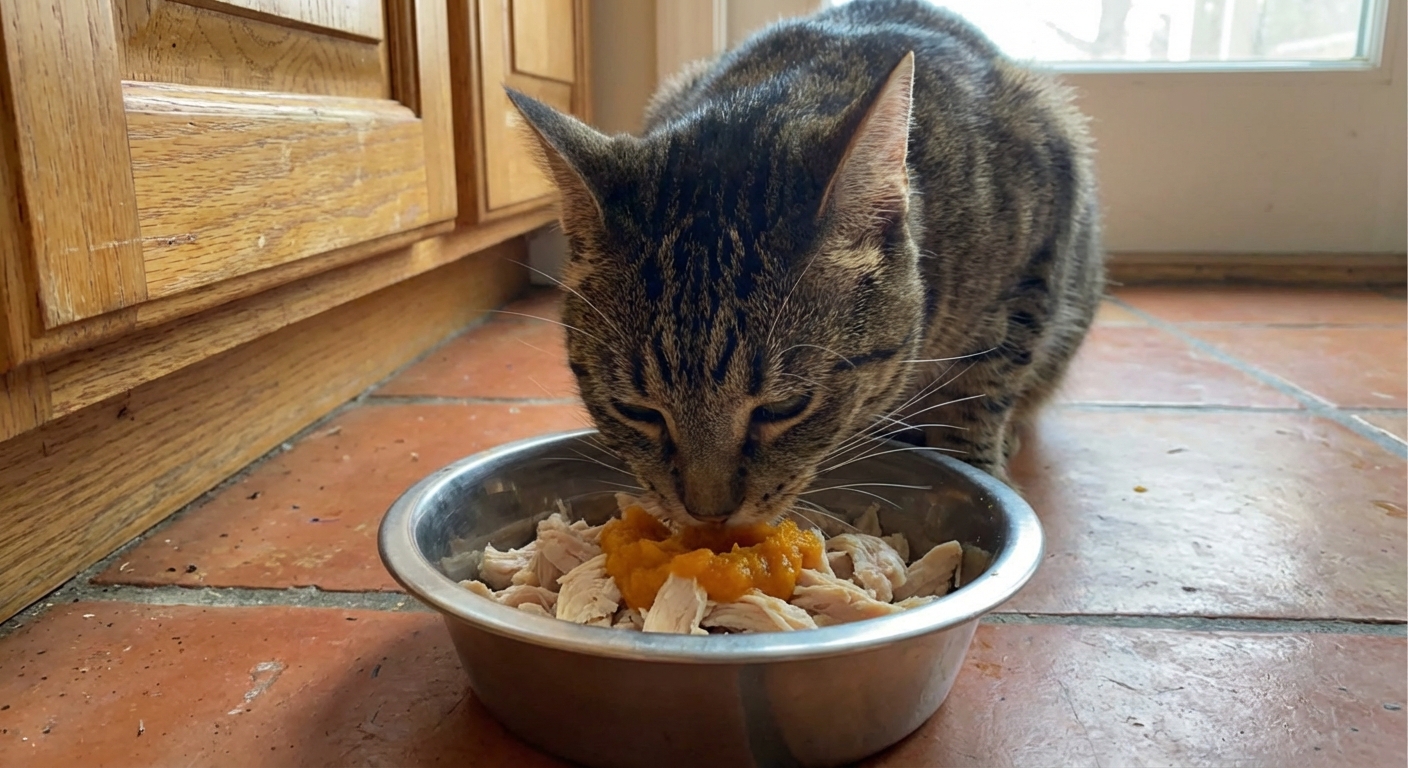
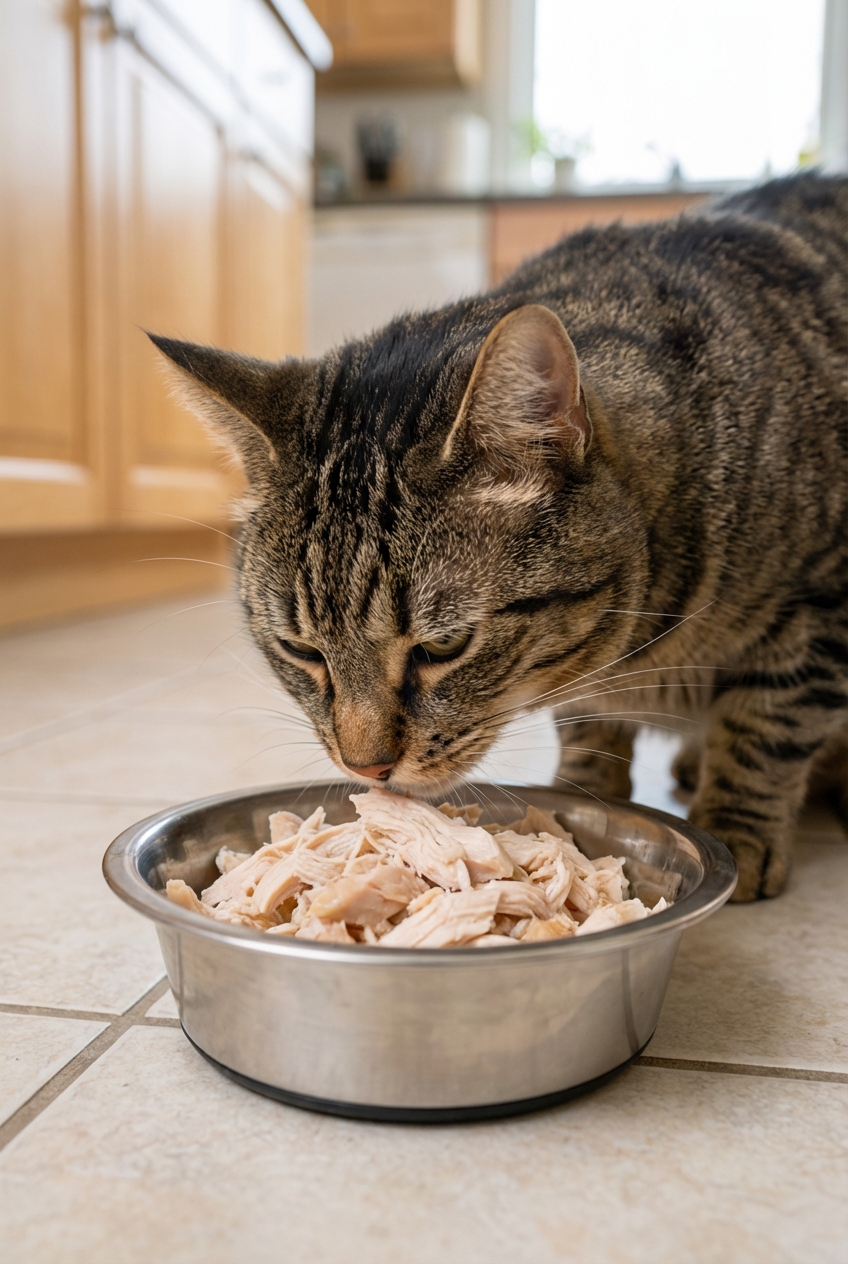
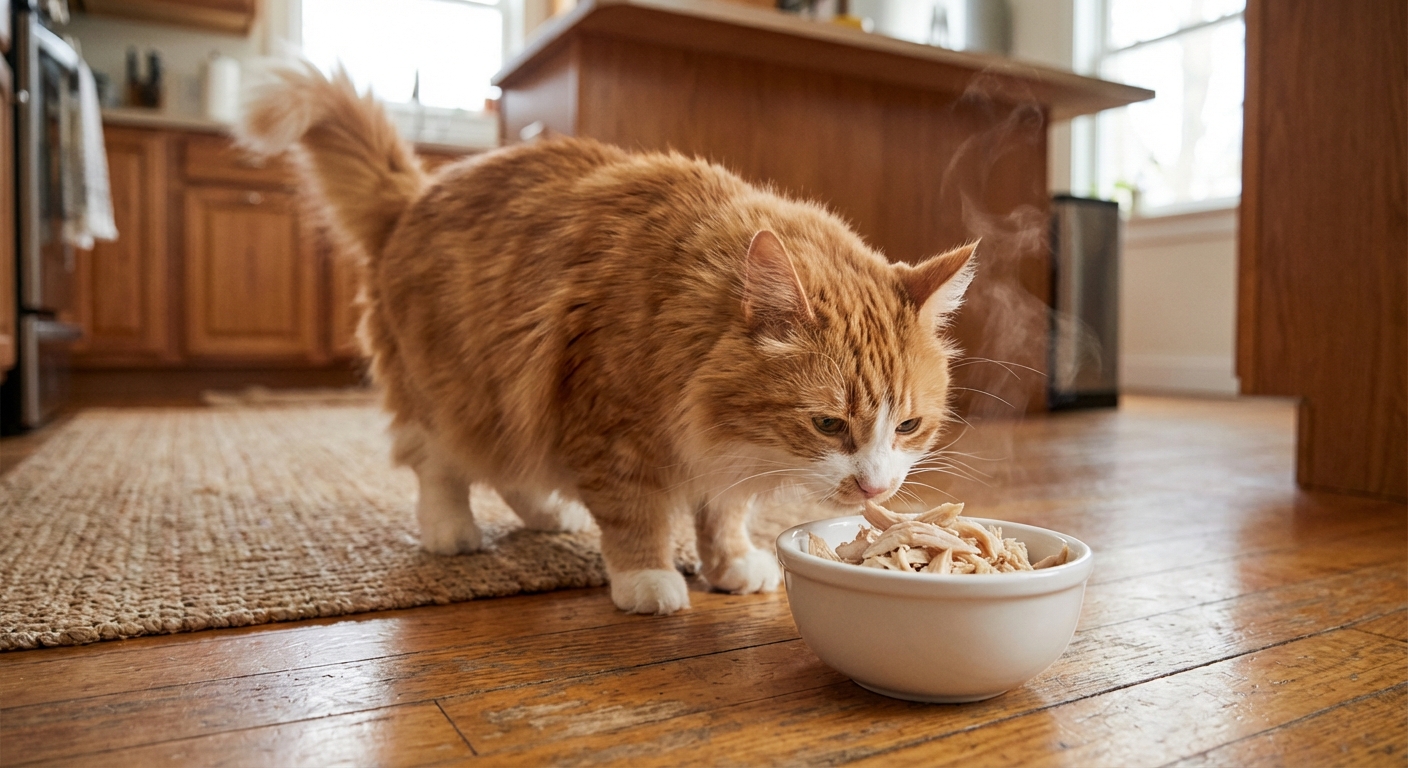
Warm “Shredded Chicken and Broth” Bowl
This is the option I reach for most often when a cat is being finicky. It works because it hits the big picky-eater triggers: strong aroma, moist texture, and a warm temperature that boosts scent and mimics “fresh” food.
Why this works (biology-based, cat logic)
- Aroma is a major driver: cats rely heavily on smell. Warming food can increase aroma and helps many cats engage with it.
- Moisture supports hydration: many cats do not drink enough water, so wet meals can help increase total water intake. It is not a substitute for addressing dehydration or illness.
- Texture is gentle: shredded, soft chicken is easy to lick and chew, especially for seniors or cats with mild dental discomfort.
- Simple ingredients reduce “suspicion”: picky cats often prefer foods with fewer competing flavors.
Ingredients (small meal or topper)
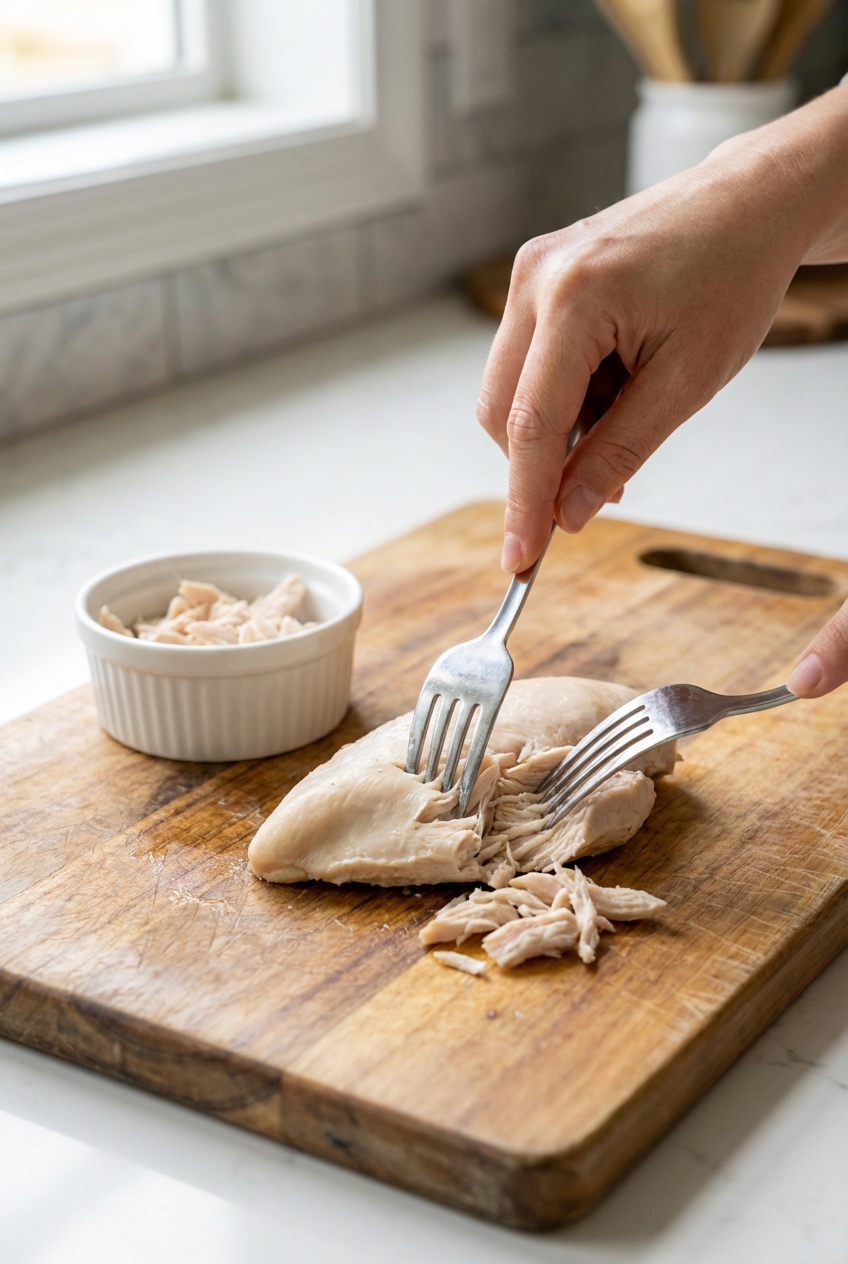
- 2 to 3 tablespoons cooked boneless, skinless chicken, finely shredded
- 1 to 2 tablespoons unsalted chicken broth or warm water (no onion, no garlic)
- Optional: 1 teaspoon of the chicken cooking liquid (fat skimmed if your cat has a sensitive stomach)
How to make it
- Cook the chicken plainly: poach or bake with no seasoning. Avoid oils, butter, salt, and spice blends.
- Shred it very small: the smaller the shred, the more surface area for aroma and the easier it is to eat.
- Warm and moisten: add warm broth or warm water until it looks like a juicy, spoonable mixture.
- Serve slightly warm, not hot: aim for “skin temperature.” Always stir and test with your finger first.
Important: Use broth that is truly cat-safe. Many store broths contain onion and garlic, which can be toxic to cats. When in doubt, use warm water and a little of the chicken cooking liquid.
How to use it
Best use: transition tool
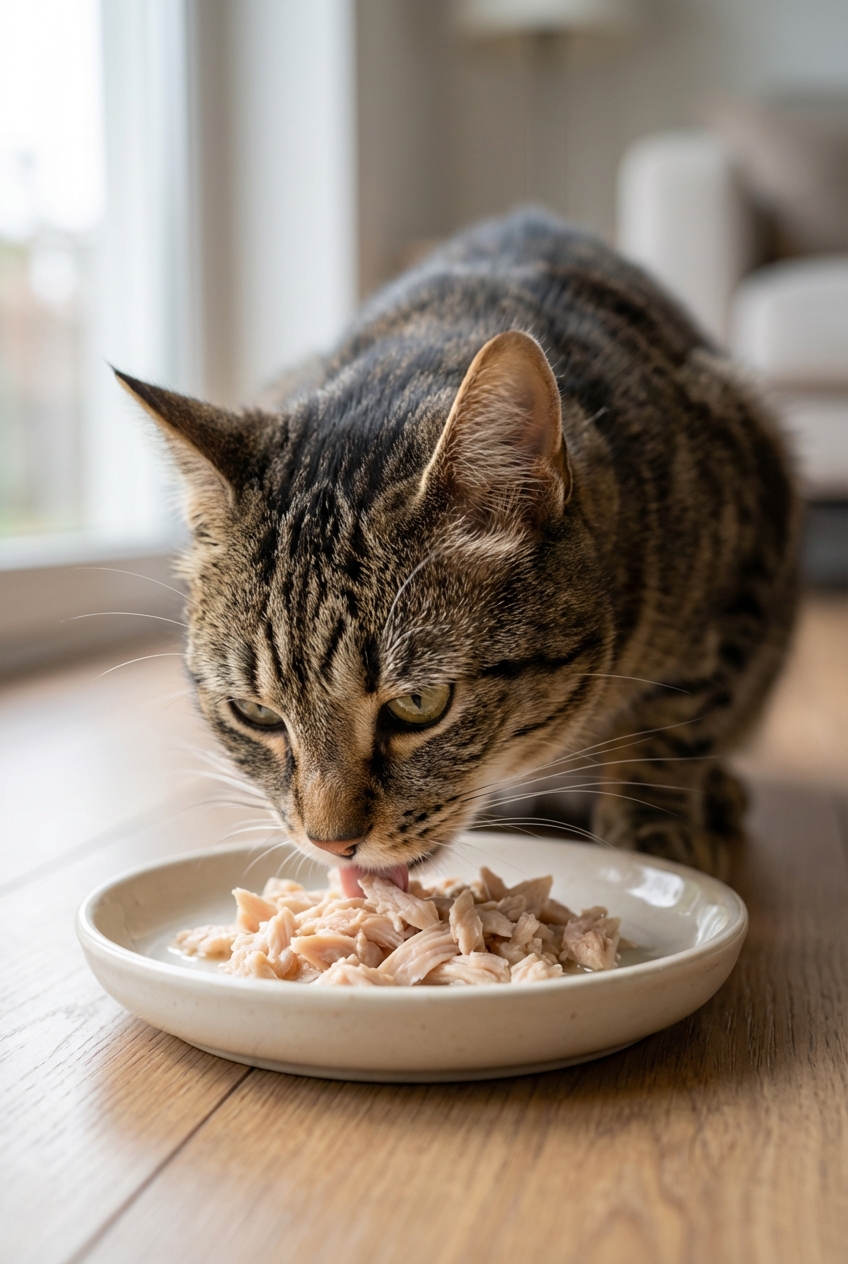
For most cats, this works beautifully as a topper over their regular complete and balanced wet food. (A topper is a small amount of something extra mixed into their usual food to encourage the first bite.) Start with a small amount so you do not accidentally teach your cat to hold out for chicken only.
Tip: As a general rule, keep toppers to under 10% of daily calories unless your veterinarian directs otherwise.
- Day 1 to 3: 1 teaspoon mixed into their usual wet food.
- Day 4 to 7: 1 to 2 tablespoons mixed in, if stools stay normal.
- Goal: your cat reliably eats their balanced food again, and the chicken becomes an occasional “yes, please” helper.
Portion and frequency tips
- If your cat is under the weather or recovering, offer smaller, more frequent servings to reduce nausea.
- If your cat is prone to pancreatitis or has a sensitive stomach, keep it lean and avoid fatty drippings.
- If your cat is on a prescription diet, ask your veterinarian before adding toppers.
- If chicken does not agree with your cat, stop and ask your vet about alternatives like plain cooked turkey, or using a veterinary GI canned diet as a temporary bridge.
Make it more tempting
Here are gentle palatability boosters that are commonly used in veterinary settings and at home. Use just one at a time so you know what helps.
- Warm it: 5 to 10 seconds in the microwave can make a huge difference. Stir well and test the temperature.
- Change the texture: some cats prefer minced, some prefer smooth. You can pulse chicken with warm water to make a soft slurry.
- Add a tiny drizzle of tuna water: only if it is packed in water with no added salt and no flavorings. Use sparingly (a teaspoon is plenty), since strong smells can create a “hold out for the good stuff” habit.
- Try a lickable topper: a pea-sized amount mixed in can encourage the first bite.
Common mistakes
- Using broth with onion or garlic: even small amounts can be harmful to cats.
- Switching foods too fast: abrupt changes can cause vomiting, diarrhea, or food refusal.
- Creating a “chicken-only” cat: chicken alone is not a complete diet. Treat it as a tool, not the whole plan.
- Leaving food out too long: moist foods spoil quickly. Pick up leftovers within 30 to 60 minutes, sooner in warm environments. Refrigerate promptly.
- Ignoring dental pain: picky eating can be the first clue. If your cat suddenly prefers only soft food, schedule an oral exam.
When it is a red flag
Contact your veterinarian the same day if you notice any of the following:
- Your cat is not eating or is eating almost nothing for about 24 hours
- Repeated vomiting or diarrhea
- Weight loss, lethargy, hiding, or changes in grooming
- Drooling, bad breath, pawing at the mouth, or chewing on one side
- Increased thirst or urination
Seek advice sooner (often within 12 hours, or immediately) for kittens, diabetics, cats with a history of hepatic lipidosis, or cats on medications where missing meals is risky. If your gut says “this is not normal for my cat,” trust that and call.
Picky eating is common. But a sudden change often deserves a quick check-in, especially for older cats.
Storage and handling
- Refrigerate cooked plain chicken within 2 hours (sooner if your home is warm).
- Use refrigerated portions within 3 to 4 days.
- Freeze small portions if you will not use them in time, and thaw in the fridge.
- Rewarm gently to “skin temperature” before serving.
Simple next step
If your cat has been turning up their nose at dinner, try the warm shredded chicken and broth bowl as a topper tonight. Keep the portion small, warm it slightly, and mix it into their regular wet food. Then watch what happens.
In my experience, once you solve for aroma, moisture, and texture, picky cats become a lot less mysterious. You are not failing. You are learning what your cat is trying to tell you.