Stop kitten biting without punishment. Learn why kittens bite, how to freeze and disengage, redirect to toys, prevent ankle attacks, and build a daily play r...
Article
•
Designer Mixes
Teaching a Kitten Not to Bite

Shari Shidate
Designer Mixes contributor
Kitten bites can feel like a tiny surprise attack, but in most cases they are completely normal behavior. Kittens explore with their mouths, practice hunting skills, and learn social boundaries through play. The goal is not to punish biting. It is to teach your kitten what is acceptable, and to set them up to succeed with the right play outlets.
As a veterinary assistant, I want you to know this can improve when you respond consistently. Below you will find practical steps, fun facts, and a simple training plan you can start today.
Quick note: This guide is educational and not a substitute for veterinary care. If you are worried your kitten may be in pain or acting unusually, please contact your veterinarian.
Why kittens bite
Before we fix biting, it helps to understand what your kitten is trying to do. Most kitten biting fits into a few common buckets.
Play practice (the most common)
Kittens are little athletes in training. They pounce, grab, and bite because their brains are wired to rehearse hunting. If hands are the “toy,” hands become the target.
Teething and oral exploration
Kittens lose baby teeth and cut adult teeth around 3 to 6 months of age, and chewing can increase during this window. Some teething or mouthy exploration can start earlier, too. They may seek texture and pressure relief.
Overstimulation during petting
Some kittens love petting until suddenly they do not. Their body language usually warns you first, such as twitching tail, skin rippling, ears turning sideways, or sudden stillness.
Fear, stress, or pain
If biting seems sudden, intense, or happens when you touch a certain area, consider discomfort. Medical issues like mouth pain, injury, or illness can lower bite tolerance.
Age and bite inhibition
Very young kittens, especially under about 8 to 10 weeks, often have less bite inhibition. They need gentler expectations and lots of consistent practice.
Normal kitten play biting often improves with consistent redirection and also tends to decrease with maturity. Intense biting paired with hissing, dilated pupils, or hiding needs a slower, gentler plan and sometimes a vet check.
Fun facts about biting
- Littermates teach bite inhibition. When one kitten bites too hard, the other yelps and stops playing. That feedback is powerful.
- Single kittens may bite more. Without another kitten to practice on, they can aim those skills at humans. This is one reason many shelters and behavior professionals often recommend adopting kittens in pairs when it fits the home.
- Fast hands trigger chase instincts. Wiggling fingers look exactly like prey. The more they “catch” your hand, the more the behavior is reinforced.
- Biting is communication. For some kittens, biting means “play with me,” “stop touching me,” or “I am overwhelmed.”
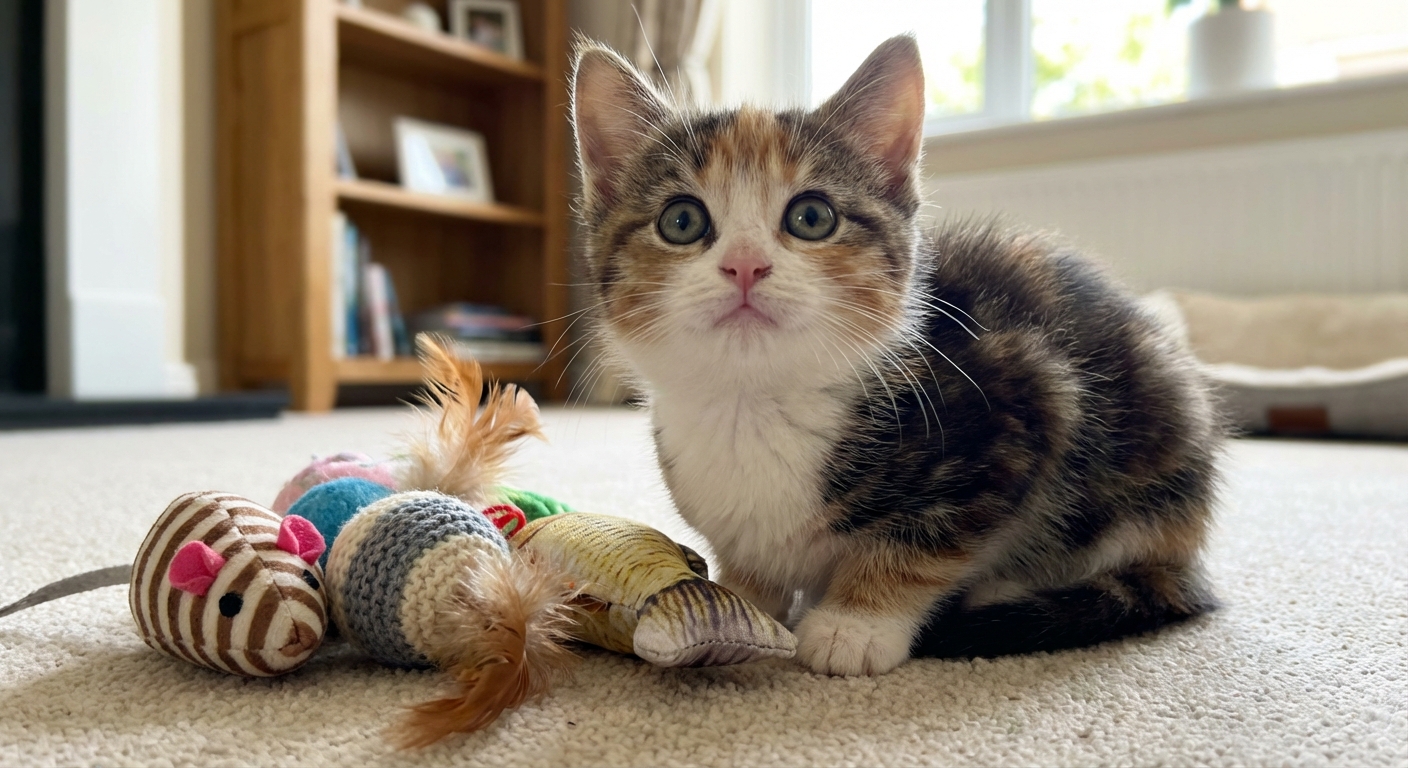
What not to do
These common reactions can accidentally make biting worse or create fear.
- Do not use your hands as toys. Wrestling hands teach your kitten that skin is fair game.
- Do not hit, flick, or scruff. Physical punishment often increases anxiety and can lead to more defensive biting.
- Do not yell. Loud reactions can be scary, and some kittens interpret squealing or big movements as exciting play.
- Do not endure a bite. Do not “take it” to teach a lesson. Calmly disengage so biting never pays off with attention or motion.
Teach bite inhibition
Think of this as a two-part plan.
- Part 1: Make biting humans boring and unproductive.
- Part 2: Make appropriate play and chewing very rewarding.
When teeth touch skin
- Freeze. Stop moving your hand. Movement triggers more chasing and grabbing.
- Go neutral. Calm face, calm body. No squealing, no big reaction.
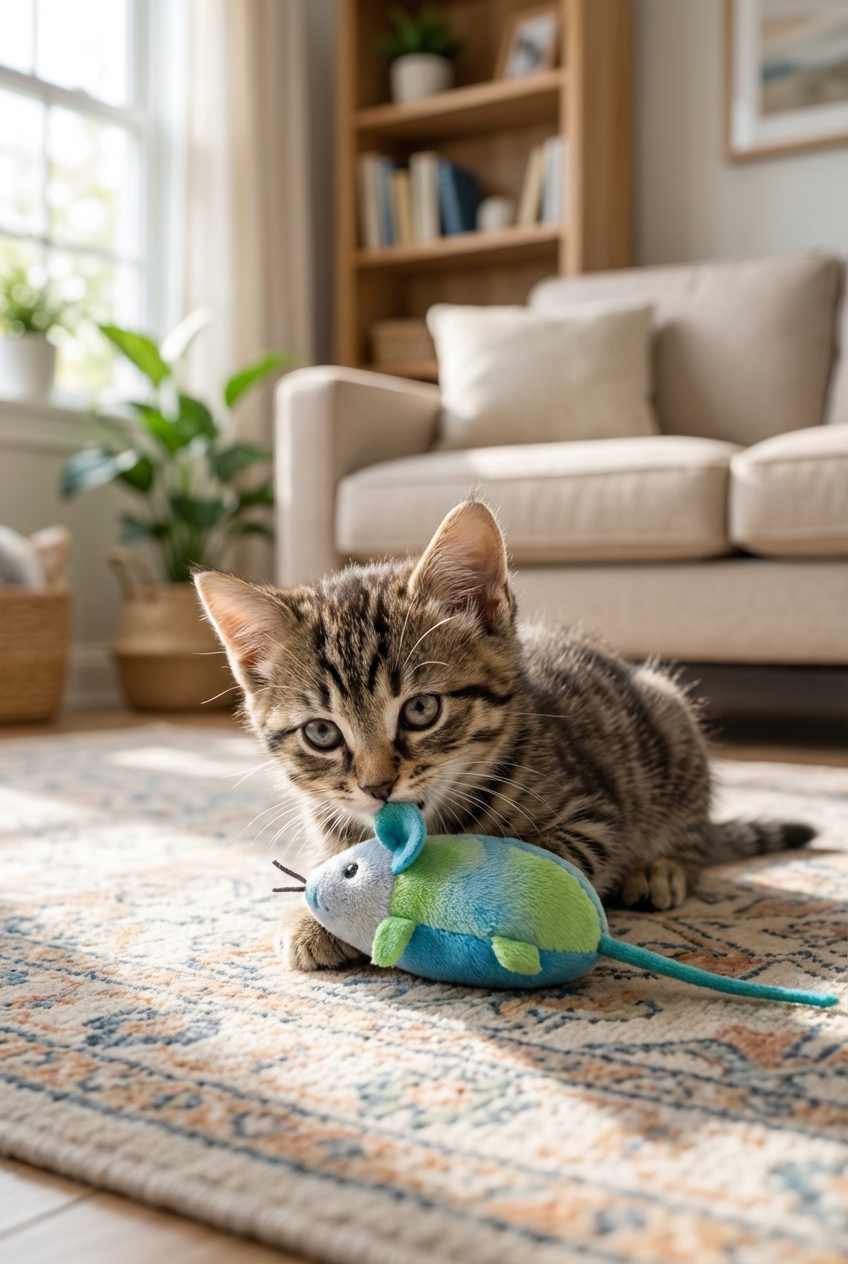
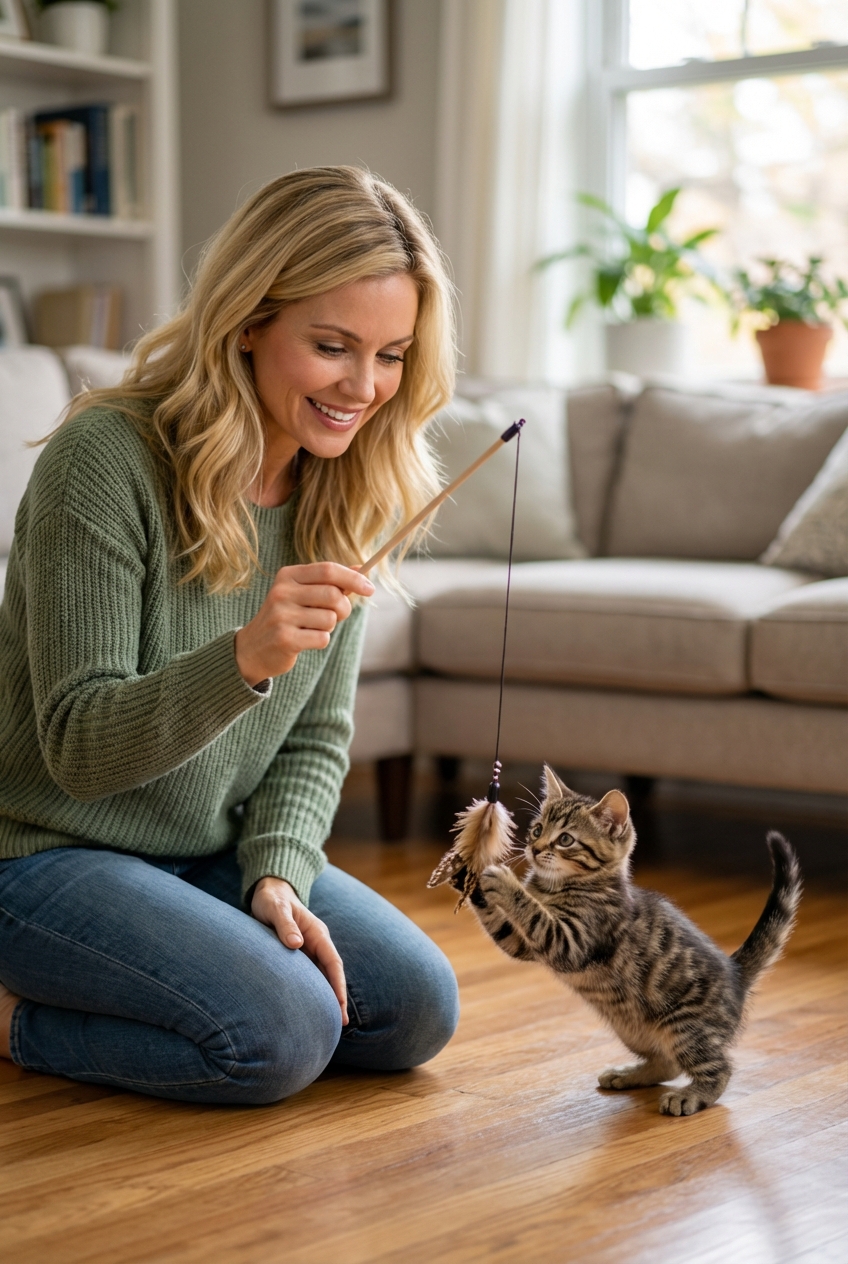
- Redirect immediately. Offer a wand toy, kicker toy, or small plush. Aim for “bite this instead.”
- Pause play for 10 to 30 seconds if needed. If your kitten keeps coming back for skin, stand up and calmly step away. The lesson is that biting makes attention go away.
- Return and reward gentle play. When your kitten plays with the toy, praise softly and keep the game going.
Consistency matters more than perfection. If everyone in the home follows the same routine, kittens learn quickly.
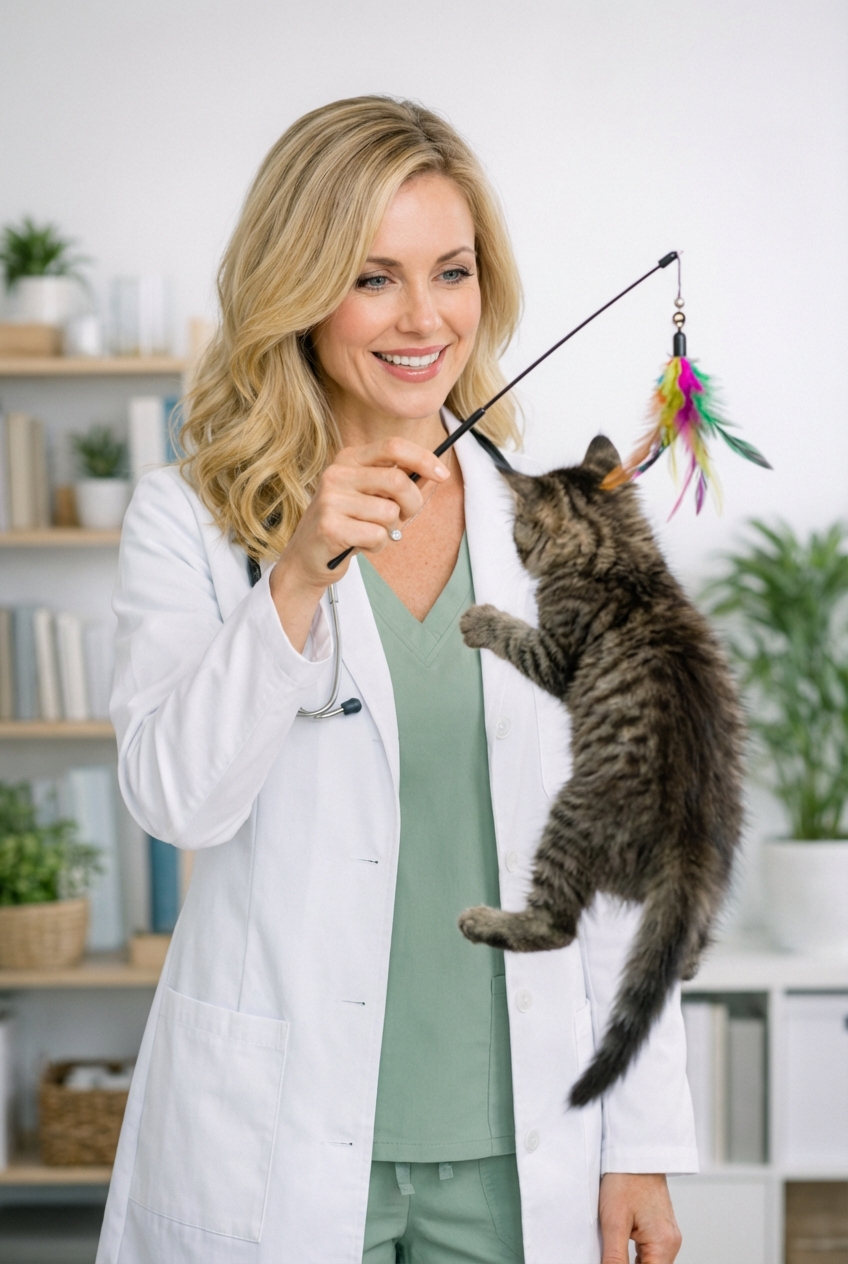
Play routine that prevents bites
Many biting problems improve when kittens get the right kind of play at the right times. A simple schedule can make a huge difference.
Hunt, catch, eat, rest
Kittens thrive when play mimics hunting. Try this sequence 1 to 3 times daily:
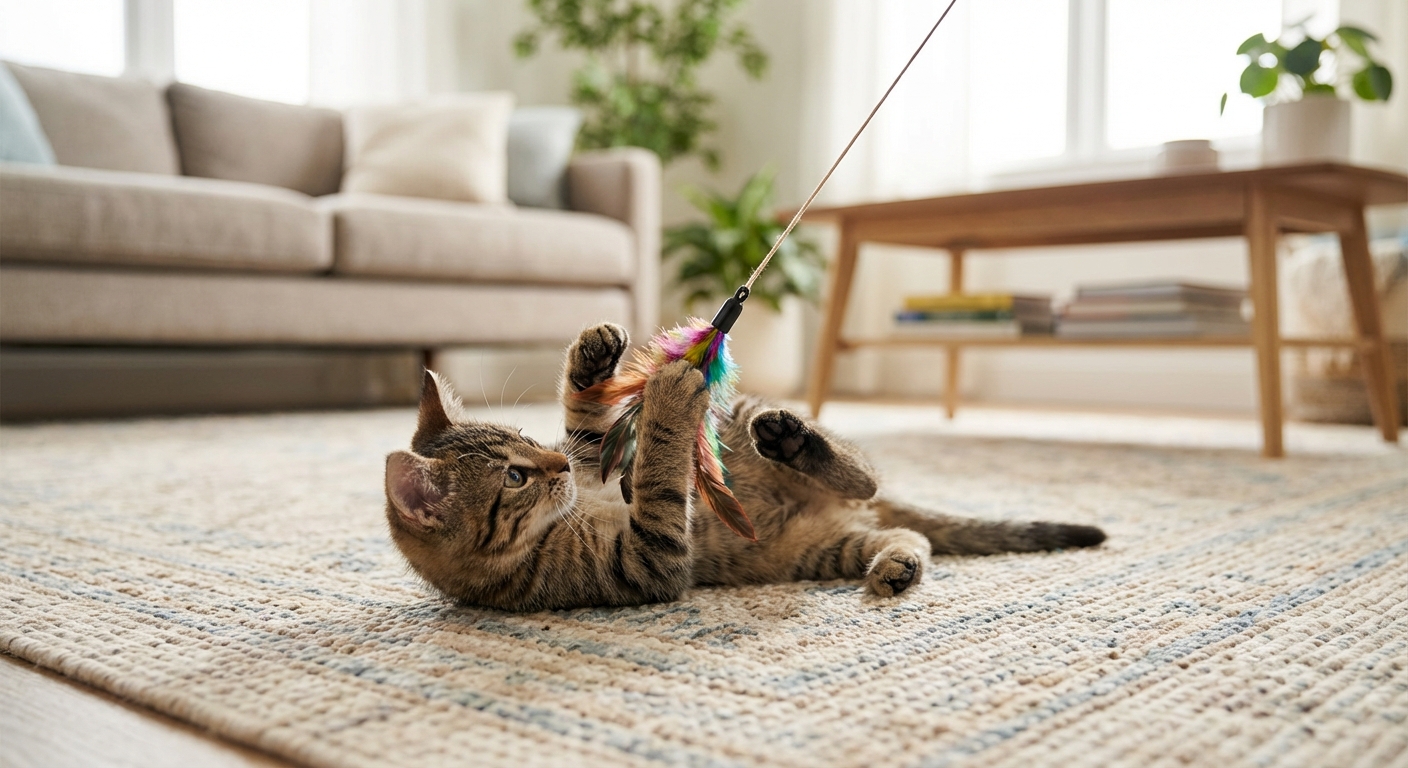
- Hunt: 10 to 15 minutes of wand toy play.
- Catch: Let them “win” often by catching the toy.
- Eat: Offer a meal or a few treats right after play.
- Calm down: Many kittens will groom and nap afterward.
Best toys for bitey kittens
- Wand toys: Keep teeth away from hands while still being interactive.
- Kicker toys: Great for bunny-kicking and biting with the back legs engaged.
- Food puzzles: Burn mental energy and reduce boredom biting.
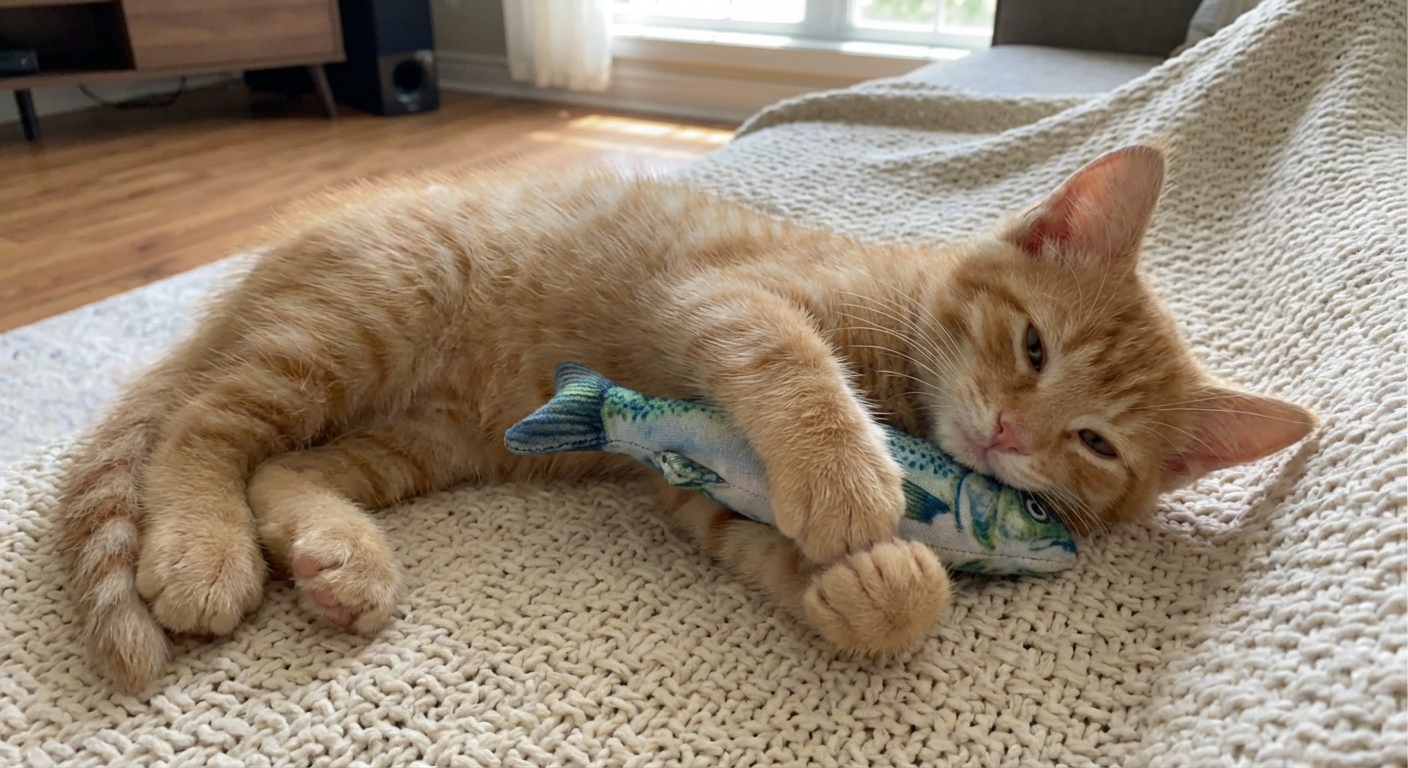
- Cat-safe teething toys: Some kittens enjoy soft, cat-safe chew or teething toys. Supervise, and retire toys that crack, shred, or shed pieces.
Quick safety note: Put away string, yarn, hair ties, and ribbon when you are not actively supervising. These can be dangerous if swallowed.
Overstimulation bites
If your kitten bites during petting, it is often a sign of overstimulation, not “bad attitude.”
Warning signs
- Tail swishing or thumping
- Ears turning sideways or back
- Skin twitching along the back
- Sudden stillness
- Head turning toward your hand
Prevent petting bites
- Keep sessions short. Stop before your kitten gets revved up.
- Focus on favorite zones. Many kittens prefer cheeks, chin, and head scratches.
- Use consent testing. Pause and see if your kitten leans in for more or walks away.
- Redirect to play. If your kitten seems energized, swap petting for a toy session. Use the “when teeth touch skin” steps above.
Teething tips
When teething is in full swing, your kitten may seek more chewing input. You can help without offering your hands.
- Offer a variety of textures. Soft plush, rubbery cat-safe toys, and kicker toys.
- Try chilled comfort. A clean, damp washcloth twisted into a rope and chilled briefly can be soothing for some kittens. Supervise closely and remove if it frays.
- Increase play. Tired kittens bite less.
If you notice drooling, foul breath, refusing food, pawing at the mouth, or bleeding gums, schedule a veterinary visit. Mouth pain can look like “behavior.”
Training games
1) Gentle treat taking
Teach your kitten that calm behavior around hands earns rewards.
- Place a treat on an open palm.
- If your kitten grabs with teeth, close your hand calmly.
- Try again and reward when they lick or take gently.
2) Target training
Teach your kitten to touch a finger or target stick with their nose. This gives them a job that is not biting.
- Present a target a few inches away.
- Mark success with a happy “yes” and reward.
- Gradually move the target to guide them away from hands when excited.
3) The toy swap habit
Keep a small toy in your pocket or nearby. If your kitten goes for hands, immediately present the toy. Over time, many kittens start looking for the toy instead of the skin.
If biting is not improving
Check the environment
- Are they bored? Add puzzle feeders, vertical climbing space, and daily interactive play.
- Are they overstimulated? Reduce rough play and watch petting tolerance.
- Are kids using hands as toys? One person can unintentionally teach biting to the whole kitten.
Consider a second kitten
This is not right for every home, but for some kittens, a well-matched second kitten can help teach social play and bite inhibition. If you are considering this, talk to a shelter or rescue about the best match.
Rule out medical causes
Please contact your veterinarian if:
- Biting is new and sudden
- Your kitten seems painful when touched
- There is limping, hiding, appetite changes, or lethargy
- You see mouth discomfort signs like drooling or dropping food
If your kitten breaks skin
Even tiny punctures can get infected. If your kitten bite breaks skin:
- Wash right away with soap and running water for several minutes.
- Do not ignore swelling or redness. Watch for increasing pain, warmth, pus, red streaks, or fever.
- Seek medical care for deep punctures, bites to the hand or face, or if you are immunocompromised, diabetic, or have poor circulation.
If your kitten is not vaccinated for rabies yet, or you are unsure of their status, ask your veterinarian and your healthcare provider what to do next based on your local guidelines.
A simple 7-day plan
- Day 1 to 2: Remove hand play. Add 2 structured wand toy sessions daily.
- Day 3 to 4: Start “freeze, redirect, pause” every single time teeth touch skin.
- Day 5: Add one food puzzle feeding.
- Day 6: Practice gentle treat taking for 2 minutes.
- Day 7: Review progress and adjust. If biting is worse, increase play and reduce petting intensity.
Many families notice improvement within a couple of weeks when they are consistent, though timelines vary by kitten and age. The biggest secret is this: you are not trying to stop your kitten from being a kitten. You are teaching them where those natural behaviors belong.