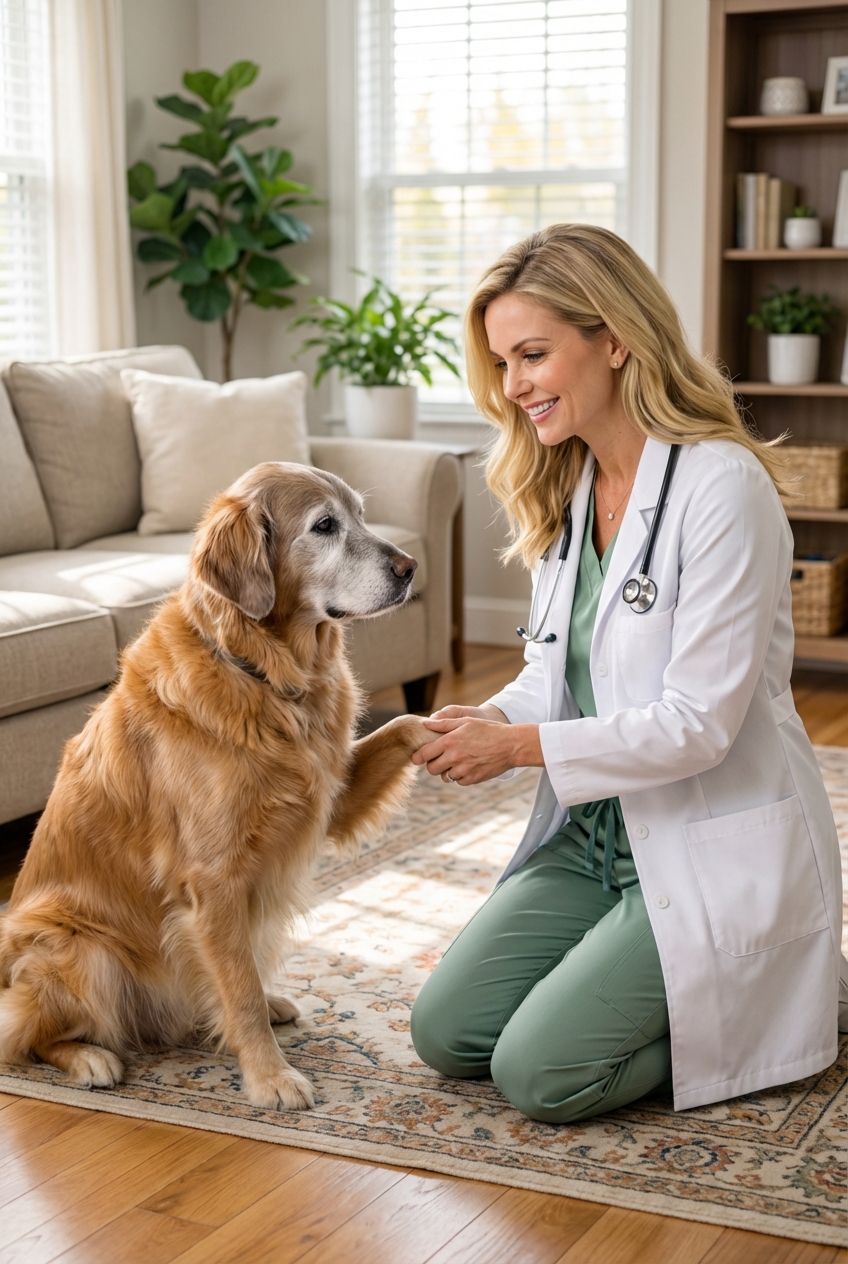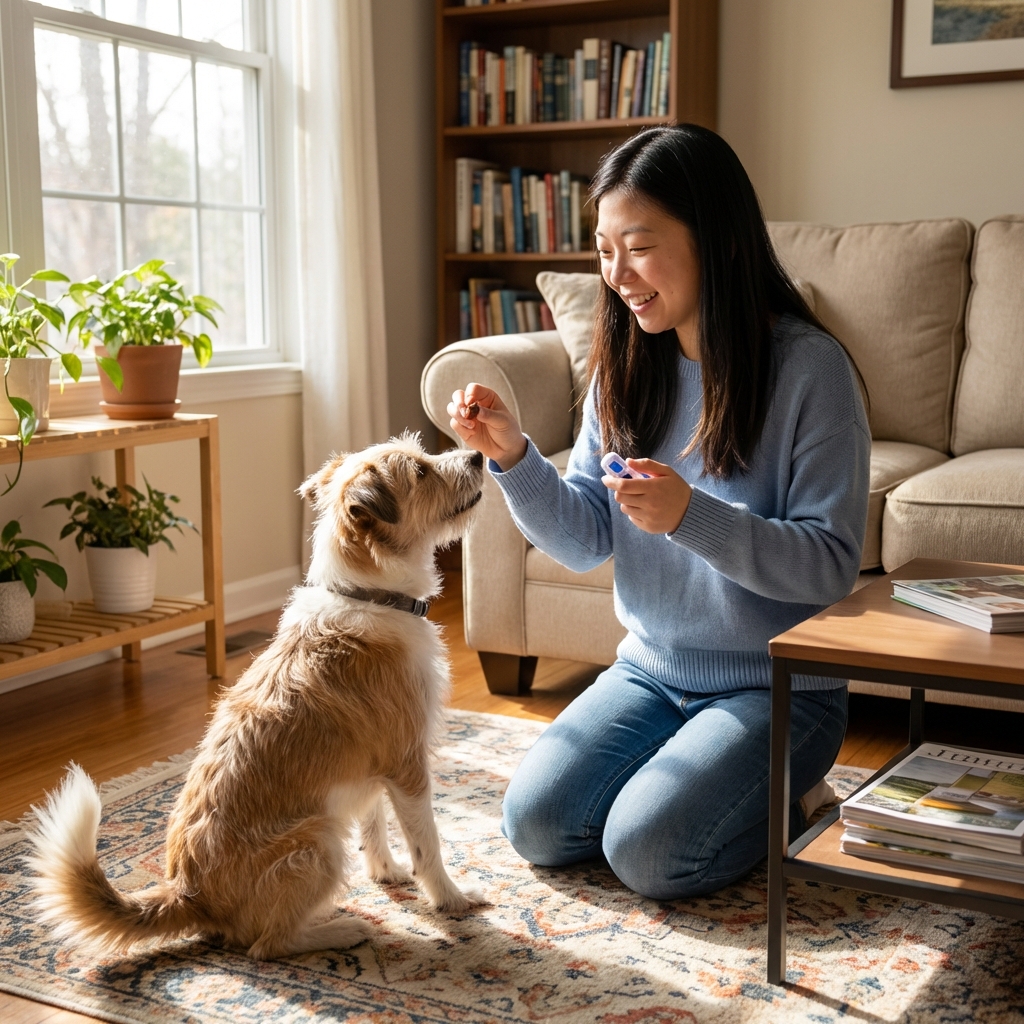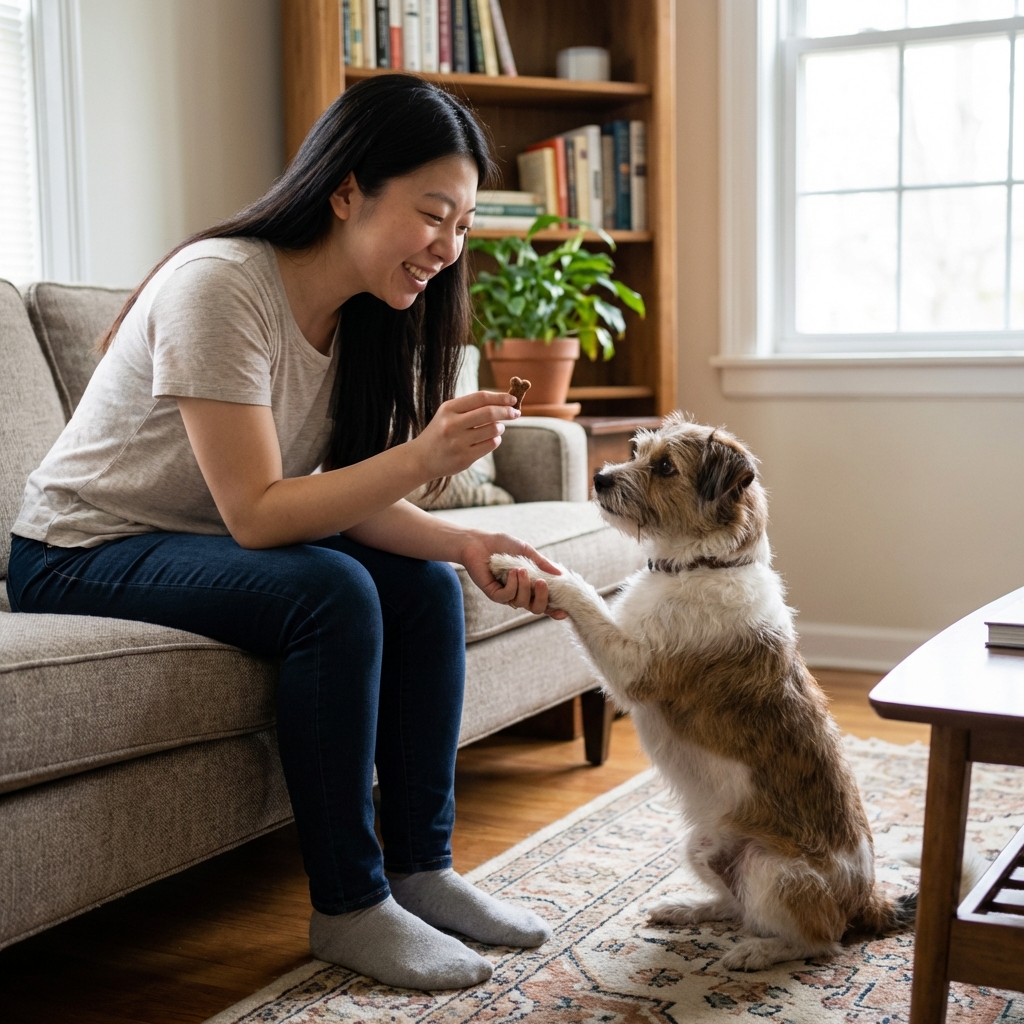
Teach “paw” (shake) with kind, reward-based training. Choose the best setup, try capturing or a closed-fist lure, add the cue, fix common mistakes, and f...
Article
•
Designer Mixes
Teach Your Dog to Shake

Shari Shidate
Designer Mixes contributor
Teaching a dog to shake is one of those feel-good tricks that can also be genuinely practical. It can support polite paw handling (helpful during nail trims and vet visits), strengthen your bond, and give your dog a simple “job” that boosts confidence. Just remember: a solid “shake” does not replace separate desensitization to clippers, grinders, and the positions you use for nail care.
As a veterinary assistant in Frisco, Texas, I love shake because it can support two big life skills: impulse control (waiting for the cue) and gentle handling (offering a paw without grabbing or scratching). The best part is that dogs of all ages can learn it, from bouncy puppies to sweet seniors.
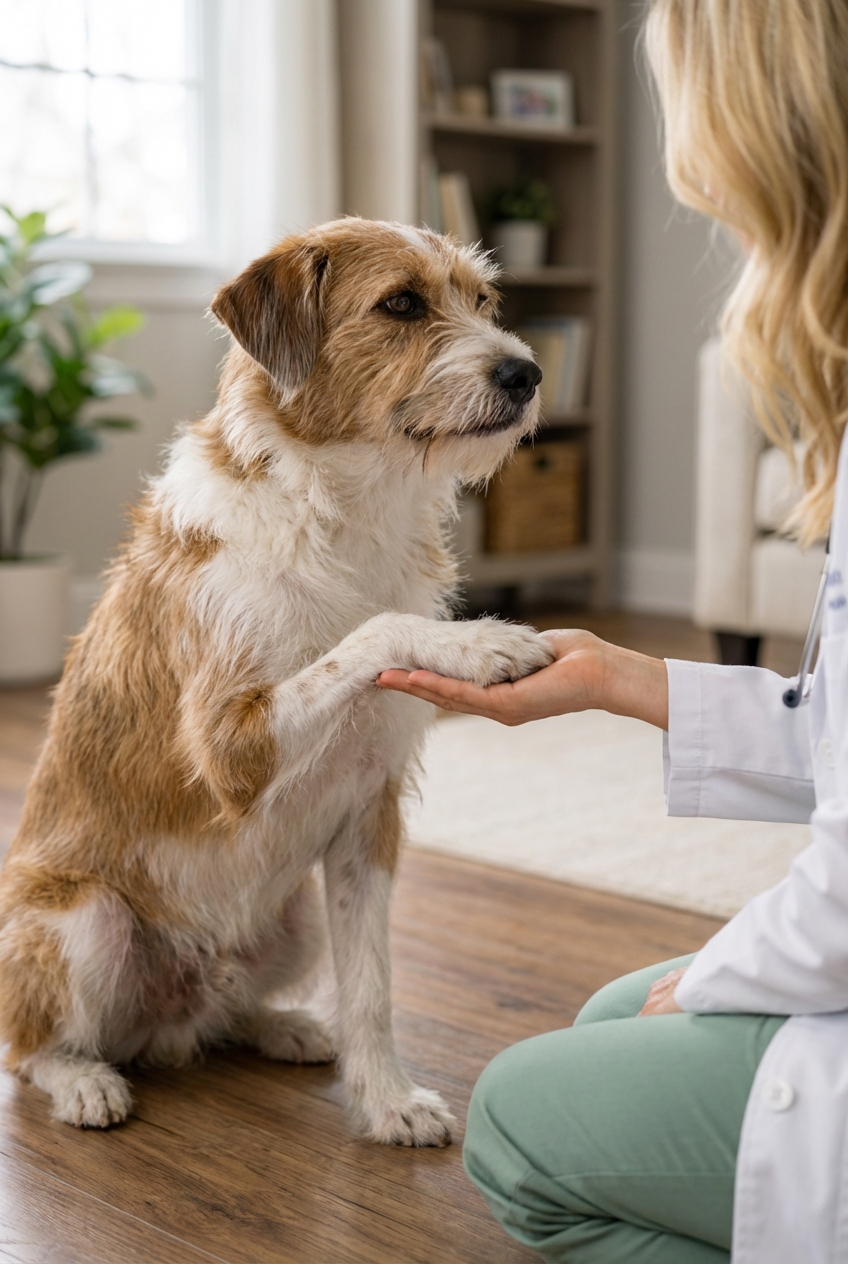
Before you start
What you need
- Tiny, high-value treats (soft and pea-sized). If your dog is on a diet, use part of their daily kibble or small bits of cooked chicken.
- A clicker (optional) or a consistent marker word like “Yes.”
- A non-slip surface so your dog feels stable.
Time and place
Choose a quiet spot with minimal distractions. Keep sessions short: 2 to 5 minutes is plenty. Aim for 1 to 3 short sessions a day rather than one long one. Ending while your dog is still engaged keeps training upbeat and prevents frustration.
Comfort first
Never force your dog’s paw into your hand. If your dog pulls away, flinches, or seems worried, pause and make it easier. Some dogs have paw sensitivity from allergies, arthritis, long nails, or past negative experiences. If paw handling seems painful, check with your veterinarian before pushing forward.
Core method: lure a paw lift
This approach works for most dogs and is especially puppy-friendly.
Step 1: Get a calm sit
Ask for a sit, or simply wait for one. Reward calm, still posture. If your dog is wiggly, do a few easy reps of “sit” or “touch” first to help them focus.
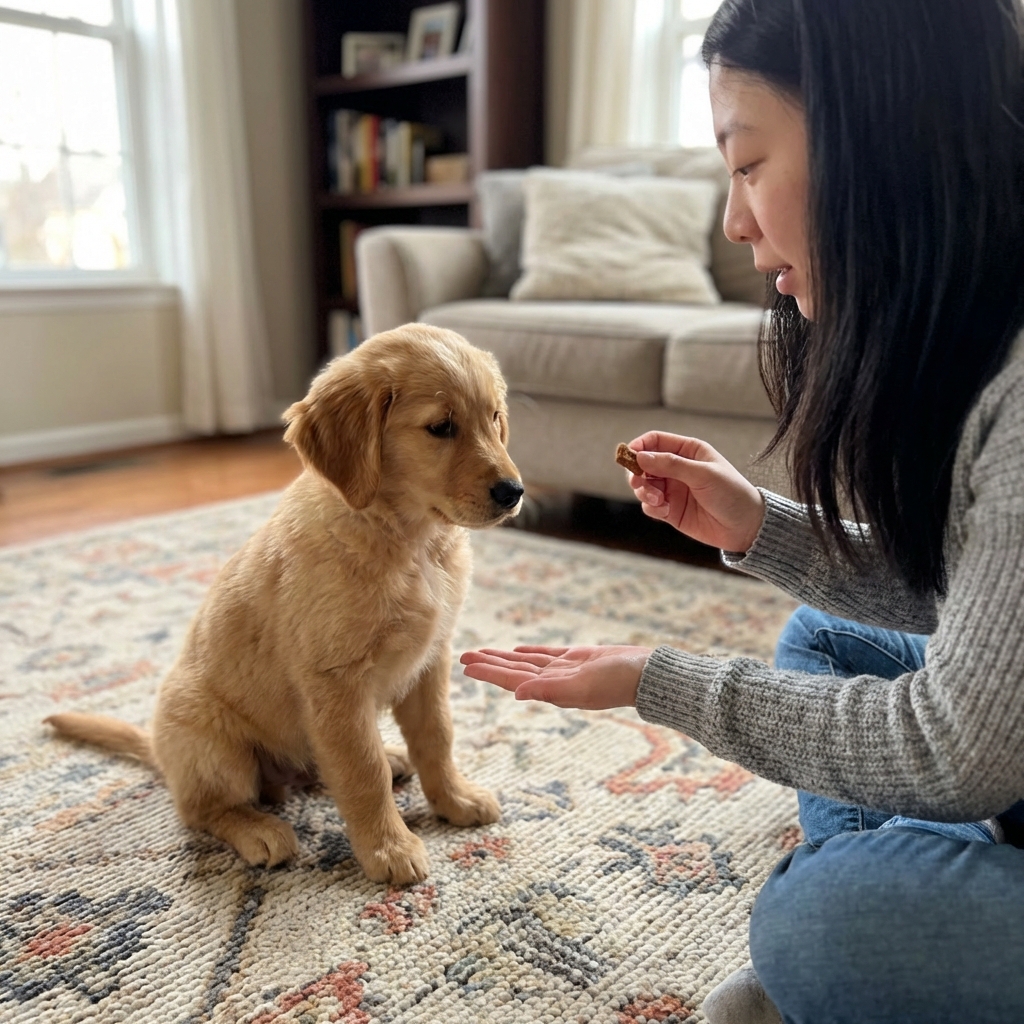
Step 2: Offer your hand
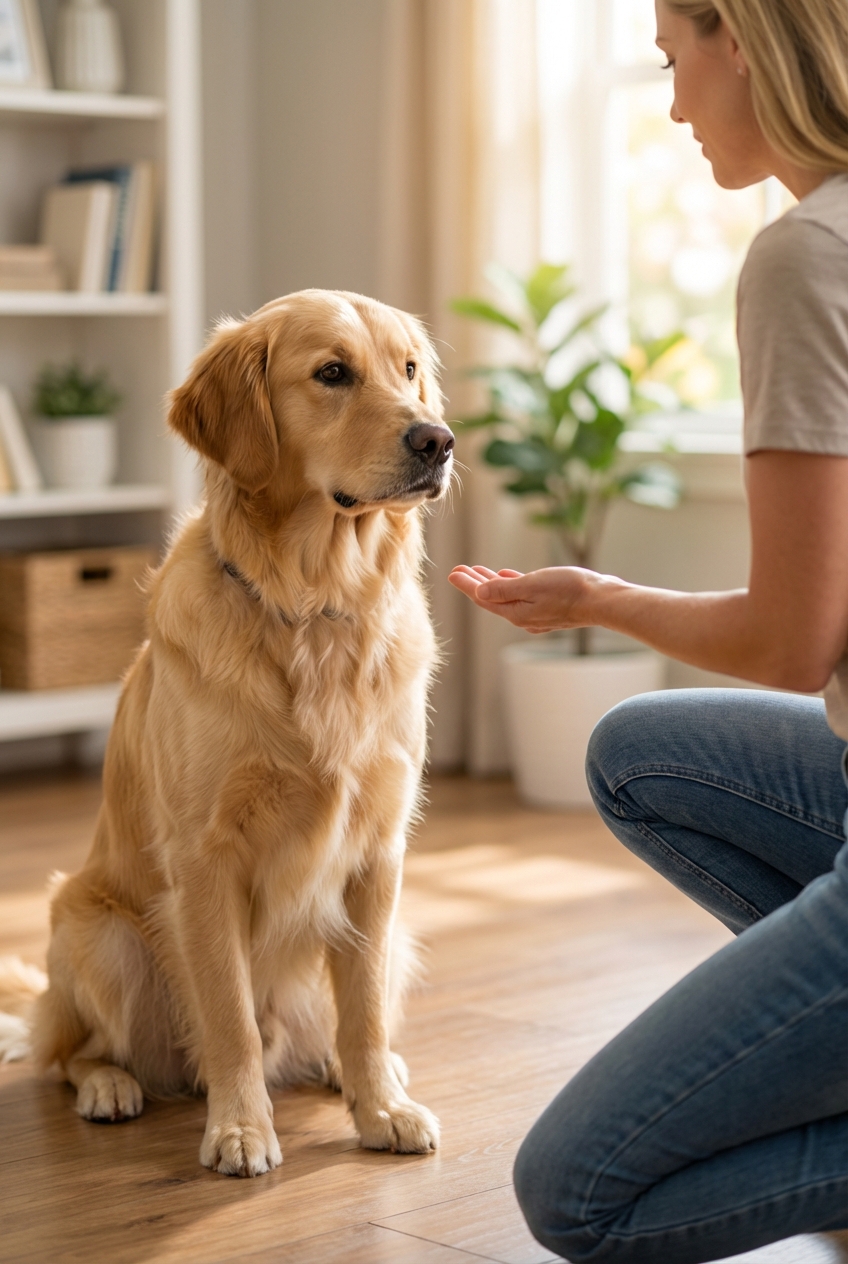
Hold your open hand, palm up, where it is easy for your dog to reach. For most dogs, that means at your dog’s chest height and close to their body, not way out in front.
Step 3: Create the paw lift
Hold a treat in the hand that is not the open palm. Keep the treat close to your dog’s nose, then slowly move it slightly upward and a little to the side. Many dogs will shift weight and lift a paw naturally. Keeping the treat close helps prevent jumping.
The moment the paw lifts, mark (click or “Yes”) and then reward.
Step 4: Pay for paw-to-hand contact
After a few repetitions, wait an extra beat so the paw has a chance to land on your open palm. Mark and reward the moment you feel paw-to-hand contact. This is where “shake” becomes a clear, repeatable behavior.
Alternate method: shape a paw lift
If your dog is not offering a paw lift with luring, shaping can be easier and less frustrating.
Option A: Towel method
- Place a small towel on the floor.
- Wait for your dog to investigate. Mark and reward any interest.
- Mark and reward when your dog steps on the towel.
- Gradually reward only when a front paw steps on it.
- Once the paw lift is consistent, present your open hand instead of the towel and reward paw-to-hand contact.
Option B: Targeting first
Teach nose “touch” to your hand, then reposition your hand lower and slightly to the side so your dog shifts weight and offers a paw. Mark tiny progress. This works well for thoughtful, cautious dogs.
Add the cue
Many people say “Shake” repeatedly while teaching. Instead, wait until your dog is offering the behavior reliably, then add the cue.
When to add it
Once your dog can place a paw in your hand about 8 out of 10 tries, you are ready. That number is just a guideline. The real goal is that it feels predictable for your dog.
How to add it
- Say “Shake” once.
- Pause for half a second.
- Present your open palm.
- When the paw lands in your hand, mark and reward.
Keep it consistent. Use one cue word and one hand signal so your dog does not have to guess.
Keep it polite
Shake is adorable, until your dog starts slapping everyone for attention. The fix is simple: reward the behavior only when it is cued and gentle.
Gentle paw rule
- If the paw hits hard, remove your hand calmly.
- Wait one second.
- Try again and reward only a softer touch.
No cue, no shake
If your dog offers a paw without being asked, do not scold. Just do not reward it. Ask for a different behavior like “sit,” reward that, and move on.
Four on the floor
If your dog jumps, pause training until all four paws are on the ground. Reward calm. Then cue “Shake.” This teaches self-control as part of the trick.
Left, right, and high five
Left and right paw
Dogs do not automatically understand “left” and “right,” but they can learn different cues.
- Use two different cue words like “Left” and “Right,” or “Shake” and “Other.”
- Present your hand slightly to the side of the paw you want.
- Reward only the correct paw. If your dog offers the wrong one, calmly reset without a treat.
If your dog is stuck on one “favorite” paw, change your position so the other paw is closer to your hand. You can also briefly pause your hand cue when the wrong paw starts to lift, then present your hand again and reward the alternate paw when it appears. Keep it calm and frustration-free.
High five
Once shake is solid, raise your open palm a few inches higher. Say “High five,” present the palm, mark and reward when your dog taps it. Keep it gentle, especially for big dogs with enthusiastic paws.
Age tips
Puppies
- Use extra soft treats and keep sessions very short.
- Focus on calm sitting and gentle paw contact.
- Skip long holds. One quick paw touch is plenty.
Adults
- Build duration gradually: paw in hand for 1 second, then 2 seconds.
- Practice in new locations to generalize the behavior.
- Add polite greetings: sit first, then shake.
Seniors
- Consider arthritis and balance. Train on carpet or a yoga mat for traction.
- Reward small paw lifts. Do not require a high reach.
- Keep repetitions low and stop if your dog seems stiff or tired.
Senior dogs can absolutely learn shake, but comfort matters. A low, gentle paw touch is still a win.
Extra note for giant breeds and orthopedic issues: Keep the paw low and brief, and avoid encouraging your dog to lean weight into your hand. You want a light touch, not a balance test.
Troubleshooting
“My dog won’t lift a paw.”
- Try the towel method or shaping.
- Make the treat more enticing.
- Reward tiny weight shifts at first.
“My dog mouths my hand.”
- Use a flatter hand presentation and reward quickly.
- Do not wiggle fingers.
- Mark and reward calm behavior. If mouthing continues, take a short break and switch to a calmer cue like “sit.”
“My dog scratches me.”
- Hold your palm steady and low.
- Reward only gentle contact.
- Trim nails and consider a nail file routine. Long nails can make shake uncomfortable for both of you.
“My dog shakes only for treats.”
- That is normal early on.
- Once the behavior is strong, switch to variable rewards: treat every time at first, then every other time, then unpredictably.
- Use occasional jackpots (a few treats in a row) for especially good reps to keep enthusiasm high.
- Keep praise and a calm “good dog” every time, even when you do not treat.
“My dog refuses when strangers ask.”
Generalization takes practice. Ask friends to cue shake in a quiet setting. Also, it is okay for your dog to opt out. If your dog looks uncomfortable, reduce pressure, create more distance, and reward calm instead. That is practical handling etiquette and it keeps trust intact.
Guest etiquette
Not everyone wants muddy paws on their hands, and not every dog wants to greet that way. Encourage guests to ask first, and wipe paws if your dog has been outside. Polite tricks are even better with polite humans.
7-day plan
If you love structure, this is a realistic pace for most dogs.
- Day 1: Capture any paw lift, mark and reward.
- Day 2: Paw lift becomes paw-to-hand contact.
- Day 3: Repeat until reliable in a quiet room.
- Day 4: Add cue word “Shake.”
- Day 5: Practice with different family members.
- Day 6: Practice in a slightly new location at home.
- Day 7: Begin thinning treats gradually while keeping praise and occasional jackpots.
When to skip shake
Shake is not the best fit for every dog. Consider alternatives if your dog has significant arthritis, a recent paw injury, or strong fear around paw handling.
Great low-impact options include:
- Touch (nose to hand)
- Spin (slow and controlled)
- Find it (scent game with treats)
Final thoughts
Teaching shake is not about having the fanciest trick. It is about building trust, communication, and a calm dog who loves to learn. Go slow, keep it positive, and celebrate the tiny wins. Those small moments of connection add up to a dog who feels safe and understood.
If you want to take it one step further, practice “shake” as part of real life: sit at the door, shake once, then go for the walk. Skills stick best when they become part of a happy routine.