
Taurine for Dogs: Why It Matters and Best Food Sources

Taurine is one of those nutrients you might never think about until you hear scary words like DCM (dilated cardiomyopathy) and “grain-free diets” in the same sentence. As a veterinary assistant, I can tell you this comes up a lot, especially for families feeding boutique, exotic-protein, or grain-free foods.
The reassuring news is that most dogs do just fine. But for some dogs, taurine status can matter a great deal for heart health. Let’s break it down in a clear, practical way, including which dogs are at higher risk, what signs to watch for, and the best natural food sources.
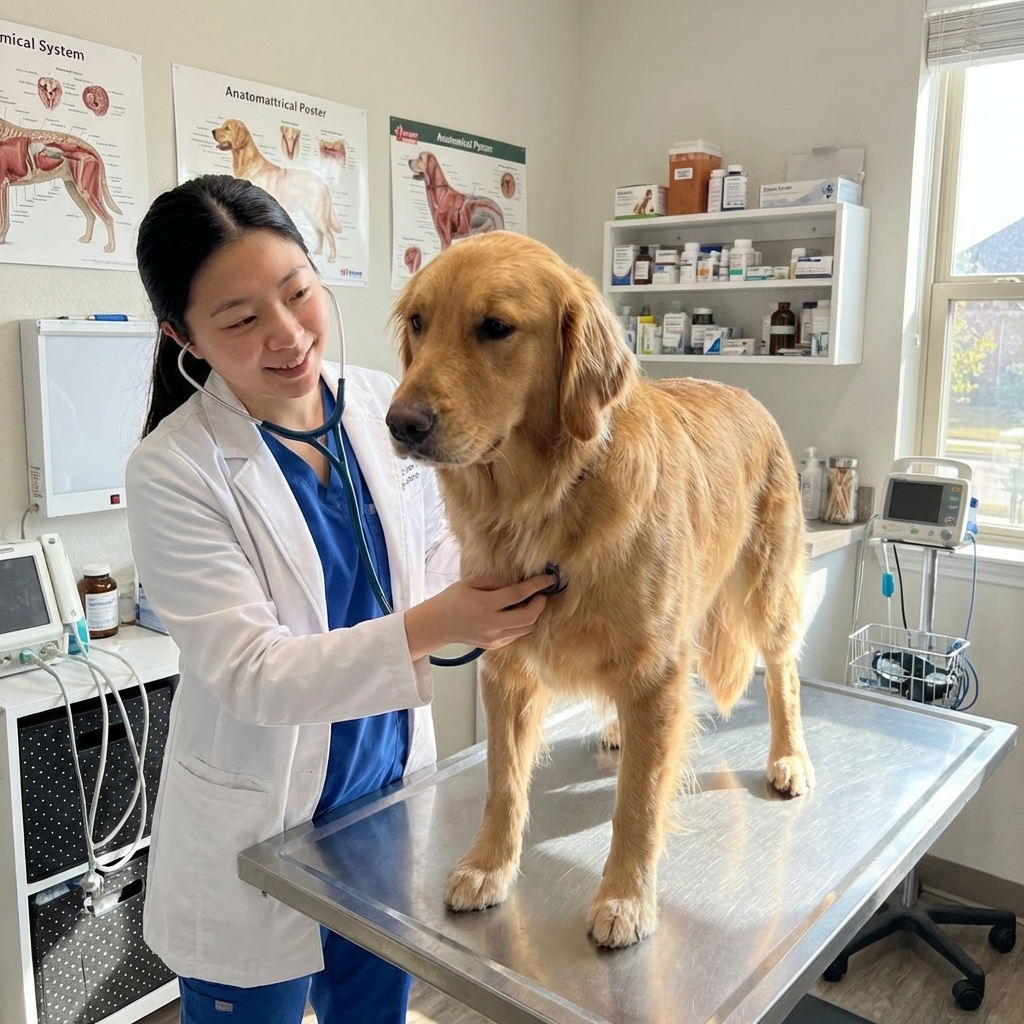
What taurine does in a dog’s body
Taurine is a sulfur-containing compound related to amino acids. Dogs can usually make taurine from other amino acids (mainly methionine and cysteine), but that does not guarantee every dog will make enough in every situation.
Taurine supports several essential functions:
- Heart muscle function (supports normal contraction and heart rhythm stability)
- Bile acid production for fat digestion
- Eye and retinal health
- Antioxidant and cell membrane support
In dogs, taurine is not considered “essential” the way it is in cats, but it can become conditionally essential depending on diet composition, digestion, and individual needs.
Taurine and DCM: what we know
Dilated cardiomyopathy (DCM) is a disease where the heart muscle weakens and the chambers enlarge, making it harder to pump blood. Some DCM is genetic, and some cases have been associated with diet-related taurine deficiency or other diet formulation factors.
In recent years, veterinary cardiologists and the FDA have evaluated reports of DCM in dogs eating certain diets, especially some grain-free, boutique, or exotic ingredient formulas. Not every grain-free food causes problems, and not every dog on a grain-free diet becomes taurine-deficient. Also, it is important to know that a direct cause-and-effect has not been confirmed. DCM appears to be multifactorial in many cases, and research is still ongoing.
Why diet might matter
Researchers are still working out the full picture. Here are possible contributors that may reduce taurine status in some dogs:
- Taurine bioavailability or losses in the finished diet (what’s on the label is not always what the dog absorbs and retains)
- Low methionine and cysteine (the building blocks dogs use to make taurine)
- Higher fiber formulas that may increase loss of taurine through bile acids in the digestive tract
- Legume-heavy recipes (peas, lentils, chickpeas) that may change digestion and bile acid recycling in ways that could impact taurine status in some dogs
- Low animal-protein density in the overall recipe
What’s important for pet parents is this: taurine is one piece of the DCM conversation. A heart-healthy diet is also about overall formulation, amino acid balance, digestibility, and quality control.
DCM can also be quiet in the early stages. Some dogs look totally normal until the disease is advanced, which is why screening and diagnostics matter for higher-risk dogs.

Dogs most at risk
Risk can come from genetics, diet, or both. Some breeds are predisposed to DCM regardless of diet. Others have shown taurine-responsive DCM more often in case reports.
Breeds with genetic DCM risk
- Doberman Pinscher
- Great Dane
- Boxer
- Irish Wolfhound
- Other large and giant breeds (overrepresented in many DCM discussions)
- Cocker Spaniel (also linked to taurine deficiency in some cases)
Higher taurine deficiency risk groups
- Golden Retrievers (one of the most documented breeds for taurine-responsive DCM)
- Large and giant breeds (some research suggests they may be more susceptible to low taurine status)
- Dogs eating grain-free, legume-rich diets for long periods
- Dogs with gastrointestinal disease (chronic diarrhea, IBD, malabsorption)
- Dogs on home-cooked diets that are not properly formulated by a veterinary nutritionist
If your dog is in one of these groups, it does not mean DCM will happen. It means you should be a little more proactive about diet choice and monitoring.
Signs to watch for
Taurine deficiency itself usually does not have a clear “signature” symptom you can spot at home. What pet parents typically notice are signs of heart disease as DCM develops.
Contact your veterinarian promptly if you notice:
- Decreased stamina or tiring easily on walks
- Coughing, especially at night or after activity
- Fast or difficult breathing
- Weakness or fainting episodes
- Restlessness or trouble getting comfortable
- Swollen belly (fluid buildup can occur in some cases)
These symptoms can be caused by multiple conditions, not just DCM, but they should never be ignored.
Best natural food sources
Taurine is found naturally in animal-based foods. Plant foods are generally not meaningful sources of taurine.
Top dog-friendly sources
- Dark meat poultry (turkey and chicken thighs)
- Fish (sardines, salmon, mackerel)
- Shellfish (shrimp, mussels, scallops) in small amounts and prepared plainly
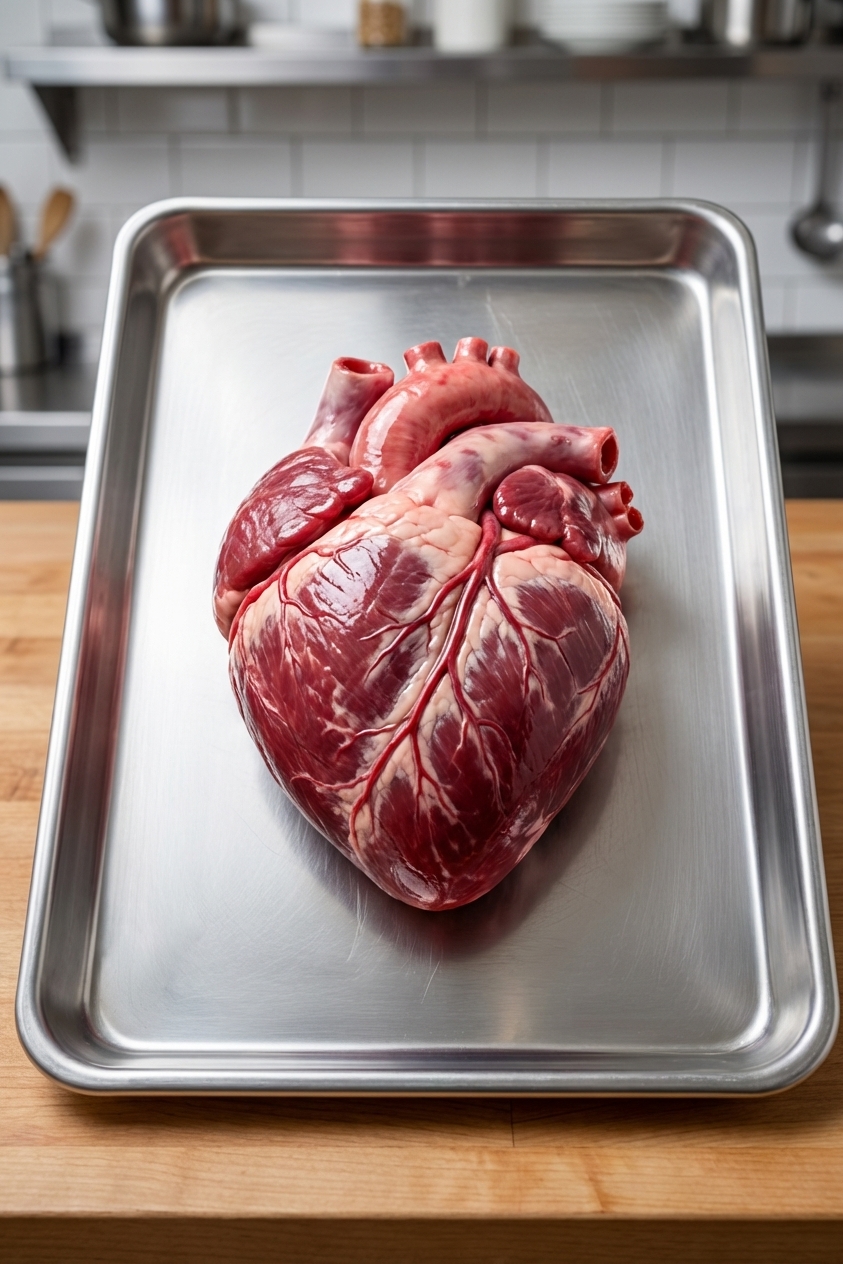
- Beef, especially heart and other organ meats
- Lamb
Organ meats and fish: use wisely
Heart is an especially taurine-rich muscle meat. Liver is nutrient-dense too, but it is very high in vitamin A, so it should be fed in appropriate amounts.
Safety and balance tips I give clients:
- Keep add-ins under 10% of daily calories unless your dog’s diet is specifically formulated to include more.
- Choose plain preparations (no garlic, onion, heavy seasoning, butter, or sauces).
- With sardines, use packed in water when possible and avoid heavily salted options.
- Be mindful that some dogs do not tolerate shellfish, and certain fish choices can be higher in mercury (your vet can help you pick the best options for your dog).
- Raw feeding has additional safety considerations, especially for immunocompromised pets or people in the household.
If you like adding fresh foods to kibble, consider small, consistent add-ins rather than huge changes all at once.
Do dogs need supplements?
Many dogs do not. But in specific situations, supplementation can be helpful and is commonly used by veterinary cardiologists.
When to ask your vet
- Your dog has suspected or confirmed DCM.
- Your dog has low taurine levels on lab testing.
- Your dog is in a higher-risk group and has been on a grain-free or legume-heavy diet long-term.
- Your dog eats a home-cooked diet that is not formulated by a board-certified veterinary nutritionist.
- Your dog has chronic gastrointestinal issues that could affect absorption.
Testing and screening
Veterinarians can measure taurine using blood tests. Whole blood taurine is often considered more reflective of longer-term status, while plasma can be more variable (your veterinarian will choose what fits the case and the lab used).
If heart disease is a concern, your vet may also recommend:
- Chest radiographs (X-rays)
- ECG (electrocardiogram)
- Echocardiogram (ultrasound of the heart, the gold standard for diagnosing DCM)
Please do not self-prescribe high-dose supplements without guidance. Taurine is generally considered safe, but you still want the plan to fit your dog’s size, diet, and medical situation.
Grain-free diets: my take
If your dog is thriving on a grain-free food, it can be tempting to assume “if it looks good, it is good.” Sometimes that’s true. But because DCM is serious and can be silent early on, I encourage a cautious, evidence-based approach.
Practical steps
- Review your dog’s food label. If peas, lentils, chickpeas, or pea protein are among the first few ingredients, talk to your veterinarian about whether that formula is the best choice long-term.
- Choose brands with strong formulation and quality control. A helpful starting point is looking for companies that align with WSAVA guidelines, including qualified nutrition expertise, feeding trials, and transparent quality control.
- Avoid boutique diets that rely on marketing more than nutrition science.
- If you need grain-free for a medical reason, ask your vet about alternatives and monitoring. Food allergies are most commonly tied to proteins, although some dogs can react to grains too.
- If your dog is on a higher-risk diet but has no symptoms, do not panic and do not switch abruptly. Schedule a diet check with your veterinarian, transition foods gradually, and ask whether baseline taurine testing or cardiac screening makes sense for your dog’s breed and age.
- Add taurine-rich whole foods thoughtfully if your vet says it fits your dog’s overall plan.
If your dog is on grain-free because it “seems healthier,” it is absolutely okay to reconsider. A balanced diet that supports the heart is always the goal.
Quick FAQ
Is taurine only for heart health?
No. Taurine supports bile acid function, eye health, and cellular stability. Heart health is where we talk about it most because deficiency can be so serious.
Can I just feed more meat instead of supplementing?
Sometimes dietary adjustments help, but if DCM is suspected, veterinarians often use both diet change and taurine supplementation while monitoring the heart.
Does cooking reduce taurine?
Some taurine can be lost in cooking juices. If you prepare fresh foods, using the cooking broth (when safe and appropriate) can help retain nutrients. For complete and balanced home-cooked diets, it is best to work with a veterinary nutritionist.
Should I panic if my dog eats peas?
No. Peas and legumes are not automatically “bad.” The concern is more about diets where legumes are a major feature, especially in grain-free formulas, and fed long-term without monitoring.
The bottom line
Taurine matters because, in some dogs, low taurine status is linked to DCM, a potentially life-threatening heart disease. The best prevention is not guessing. It is choosing well-formulated diets, watching for symptoms, and involving your veterinarian early if your dog is high-risk or on a grain-free, legume-heavy diet.
If you want one simple next step: bring your dog’s food bag or a screenshot of the ingredient list to your next vet visit. A quick diet conversation can go a long way toward protecting your dog’s heart.