Cats can’t synthesize enough taurine, making it a true dietary essential. Learn what taurine does, deficiency warning signs, top food sources, and how to c...
Article
•
Designer Mixes
Taurine for Cats: How Much and Best Sources

Shari Shidate
Designer Mixes contributor
Taurine is one of those nutrients I wish every cat parent knew by name. Cats cannot make enough taurine on their own, so they must get it from food. When they do not, the consequences can be serious and sometimes irreversible. The good news is that meeting taurine needs is very doable once you know what to look for.
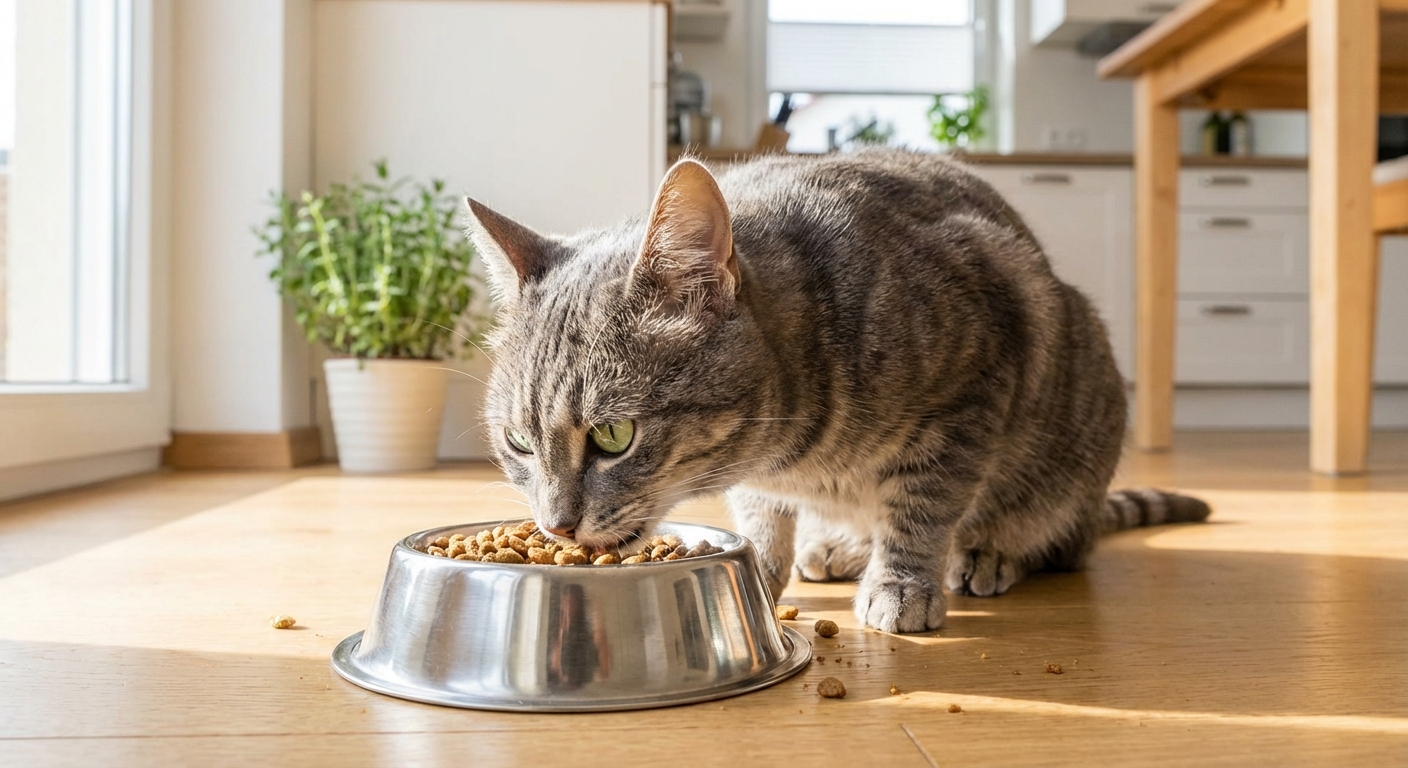
In this article, I will walk you through how much taurine cats need, the best sources, and how to make smart choices whether you feed kibble, canned, raw, or homemade meals.
What taurine does
Taurine is a sulfur-containing compound related to amino acids. It supports several vital systems in cats. Unlike many mammals, cats have a limited ability to synthesize taurine, and they also lose taurine through normal bile acid processes. That combination is why dietary taurine is non-negotiable.
- Heart health: Taurine supports normal heart muscle function. Deficiency is linked with dilated cardiomyopathy (DCM).
- Vision: Taurine is essential for the retina. Low taurine can lead to retinal degeneration and vision loss.
- Reproduction and growth: It supports fetal development and kitten growth.
- Digestion: Taurine is involved in bile acid conjugation, helping with fat digestion.
- Nervous system and immune function: It plays roles in cellular stability and antioxidant activity.
Because cats are obligate carnivores, taurine is naturally abundant in animal tissues, especially organs and dark muscle meats.
How much taurine do cats need?
If you are feeding a complete and balanced commercial cat food that meets AAFCO or FEDIAF standards for your cat’s life stage, taurine is already included at levels designed to prevent deficiency. Kittens and pregnant or nursing cats have different overall nutrient targets than adults, which is exactly why choosing the correct life-stage statement matters.
For context, AAFCO nutrient profiles set minimum taurine levels by product type (and the basis can be confusing, so always check the current official tables). Commonly cited AAFCO minimums are:
- Dry (kibble): 0.10% taurine (dry matter basis)
- Canned/wet: 0.20% taurine (dry matter basis)
Canned diets typically carry a higher minimum because formulation and manufacturing can affect taurine retention and availability. For example, taurine is water soluble, and it can be lost with cooking liquids. Some ingredients and processing steps can also influence how much taurine remains in the final food.
Sources: AAFCO Official Publication, Cat Food Nutrient Profiles; FEDIAF Nutritional Guidelines for Complete and Complementary Pet Food for Cats and Dogs.
What this means for you as a cat parent:
- If your cat eats a reputable “complete and balanced” food, you typically do not need to calculate milligrams of taurine per day.
- If you feed homemade (cooked or raw), taurine becomes a nutrient you must plan for intentionally.
Supplement amounts for homemade diets: There is no single perfect number for every recipe because taurine content varies by ingredient choice (especially how much heart and dark meat you use), grind size, storage time, and cooking method. You will sometimes see non-analyzed home-prepared recipes use taurine supplementation in the ballpark of 250 to 500 mg per cat per day for an average adult cat, often split between meals, as a safety buffer. That said, this is the most important takeaway: your recipe should specify the taurine dose for the exact batch size and your cat’s needs. The safest route is a recipe created by a board-certified veterinary nutritionist (DACVIM Nutrition or ECVCN) or a reputable formulation service that provides precise supplement instructions.
Please do not “wing it” with homemade cat food. Cats are far less forgiving than dogs when key nutrients are off, and taurine is a prime example.
Best taurine sources
Taurine occurs naturally in animal-based foods. Plant foods do not provide taurine in meaningful amounts for cats.
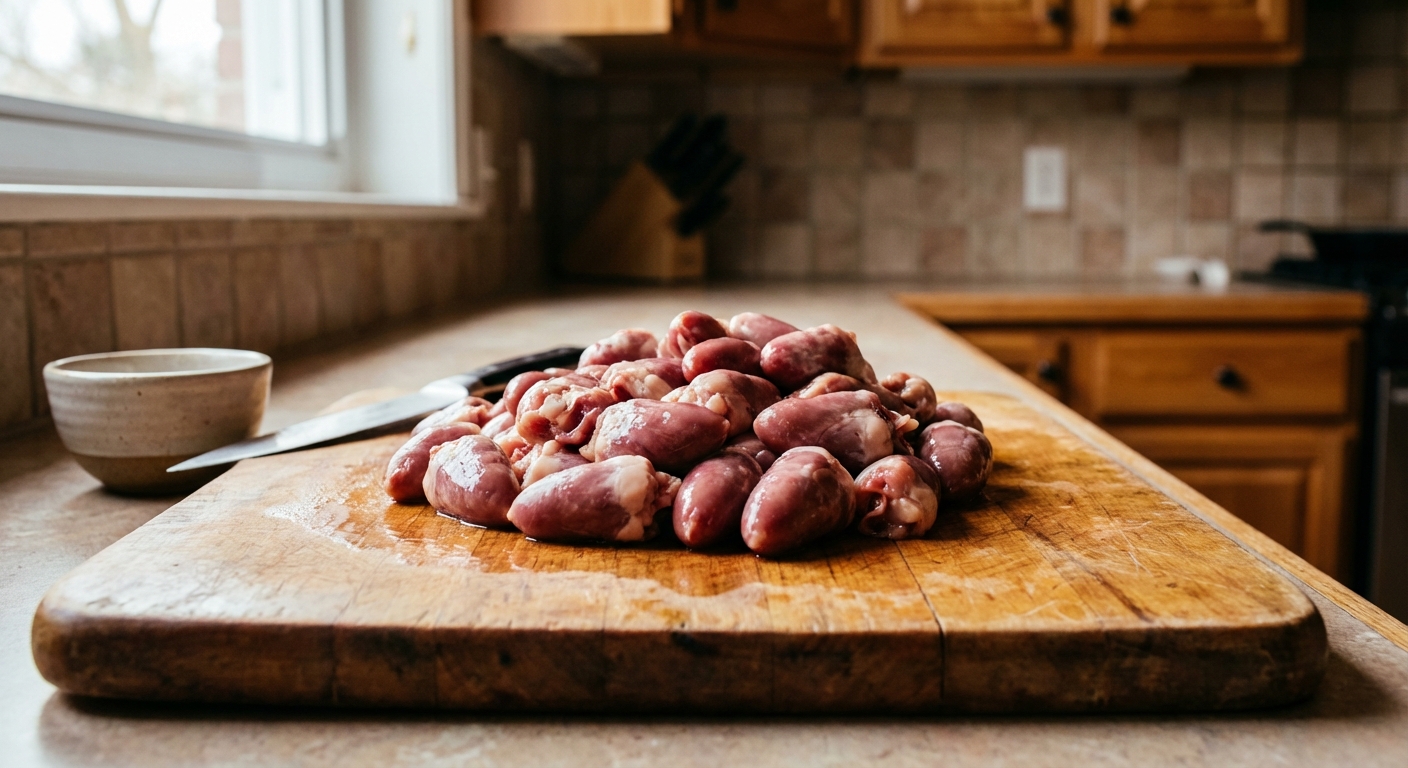
1) Heart
Heart is famously rich in taurine. Chicken hearts, turkey hearts, and beef heart are commonly used in cat diets. Many raw feeders include heart routinely for this reason.
2) Dark poultry meat
Thigh and leg meat generally contain more taurine than breast meat. If you are preparing food at home, relying heavily on lean breast meat can be a taurine mistake.
3) Other organs and muscle meats
Liver is essential for nutrients like vitamin A, but it is not the best taurine source compared with heart. A mix of muscle meats plus taurine-rich items like heart tends to be more supportive.
4) Seafood (use thoughtfully)
Fish and shellfish can contain taurine, but fish-based diets have their own concerns such as thiaminase in some fish, potential heavy metal exposure, and the fact that many cats become very fixated on fish flavors. Fish can be a part of rotation, but I do not recommend it as the cornerstone of a cat’s diet unless formulated appropriately.
5) Commercial foods with added taurine
Most quality cat foods add taurine because processing can reduce natural taurine and because cats have strict needs. Look for “taurine” listed on the ingredient panel, and confirm the food is complete and balanced for your cat’s life stage.
Does cooking reduce taurine?
It can. Taurine is water soluble, so losses are more likely when meat is cooked in ways that cause juices to drip away or when cooking water is discarded. Grinding increases surface area, which can increase nutrient losses into liquids. Longer storage and repeated thawing can also contribute to drip loss. The exact magnitude depends on the ingredient and method, which is one reason formulated supplementation is so helpful in cooked homemade diets.
- If you cook for your cat: Use a properly formulated recipe that includes taurine supplementation, and include any cooking juices in the final food when the recipe allows.
- If you feed raw: Taurine can still vary by ingredient and handling, so balanced formulation matters just as much. Also remember raw diets carry additional risks (pathogens, bone hazards) beyond nutrition, so use extra care with sourcing and preparation.
Signs of deficiency
Taurine deficiency often develops over time, which is why it can sneak up on well-meaning pet parents feeding unbalanced homemade diets or dog food, or relying too heavily on treats and toppers.
- Vision changes, bumping into objects, trouble seeing in dim light
- Heart issues such as lethargy, weakness, exercise intolerance, or breathing changes
- Poor growth or developmental concerns in kittens
- Reproductive problems in breeding cats
These signs are not specific to taurine deficiency, and they can signal other urgent conditions too. If you notice them, contact your veterinarian promptly. Eye and breathing changes should always be treated as urgent.
How vets diagnose it
If taurine deficiency is on the table, your veterinarian may recommend testing taurine status (often whole blood taurine, sometimes plasma), plus targeted exams based on symptoms. That can include an eye exam for retinal changes and heart testing such as chest imaging and an echocardiogram if DCM is suspected.
Should you supplement?
Sometimes yes, sometimes no.
- Usually not needed: Cats eating a complete and balanced commercial cat diet as their primary food.
- Often needed: Cats eating homemade cooked or raw diets, or cats eating diets that are not clearly complete and balanced.
- Situations to ask your vet: Heart disease, certain gastrointestinal conditions that affect nutrient absorption, or if your cat has a restricted diet for medical reasons.
Taurine has a wide safety margin in cats, and excess is typically excreted, but “safe” does not mean “random.” The right dose should fit the whole diet.
Practical tip: As a general guideline used by many veterinarians, keep treats and toppers to about 10 percent or less of daily calories. When extras creep higher, they can dilute key nutrients in the base diet over time, including taurine.
Why dog food is risky
Dog food is not formulated for a cat’s unique requirements, and it may not provide enough taurine (or other essential cat nutrients). An occasional bite is usually not a crisis, but dog food should not be a routine meal for cats.
Quick checklist
- Choose foods labeled complete and balanced for your cat’s life stage (kitten, adult, gestation-lactation when applicable).
- If feeding homemade, use a veterinary nutritionist-formulated recipe and include taurine as directed.
- Favor taurine-rich animal ingredients like heart when appropriate for the recipe.
- Avoid feeding dog food as a routine meal for cats.
- See your veterinarian if you notice vision changes, lethargy, or breathing changes.
Warm reminder: taurine is not a “nice-to-have” for cats. It is a must-have. If you keep the diet balanced, you are doing one of the most powerful things you can do for your cat’s long-term health.