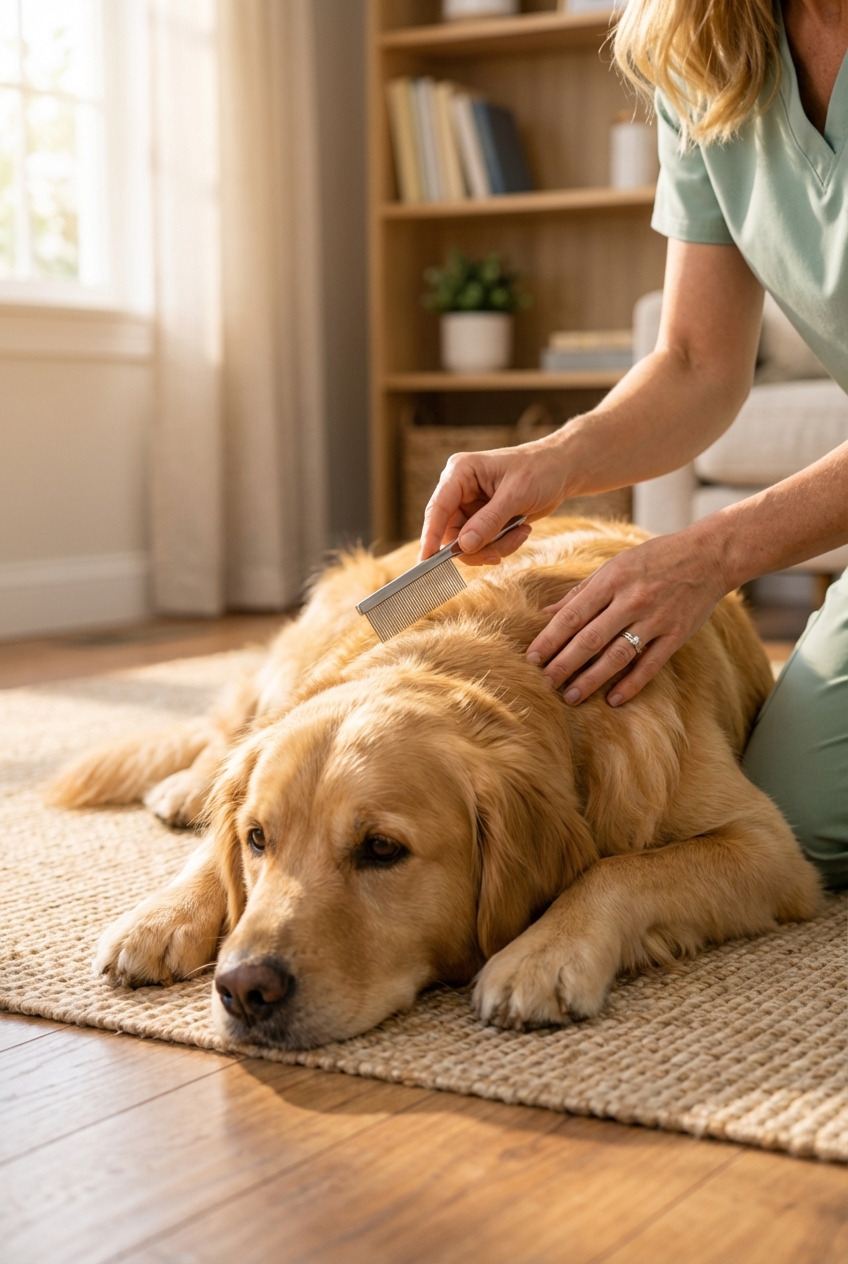
Spot rice-like segments or spaghetti-like worms in your dog’s stool? Learn the key differences between tapeworms and roundworms, how dogs get them, what to...
Article
•
Designer Mixes
Tapeworms in Dogs: Symptoms, Causes, and Treatment

Shari Shidate
Designer Mixes contributor
If you have ever spotted something that looks like tiny grains of rice near your dog’s rear end, on their bedding, or in their poop, your stomach probably dropped. The good news is that tapeworms in dogs are very common and very treatable. The catch is that treatment only truly “sticks” when we stop the source. For the most common tapeworm we see in dogs, that source is usually fleas.
As a veterinary assistant here in Frisco, Texas, I have seen plenty of worried pet parents walk in with a photo on their phone and one big question: “Is this a tapeworm?” Let’s walk through what tapeworms are, how dogs get them, what symptoms to watch for, and what actually works to clear the infection and prevent it from coming right back.
What are tapeworms in dogs?
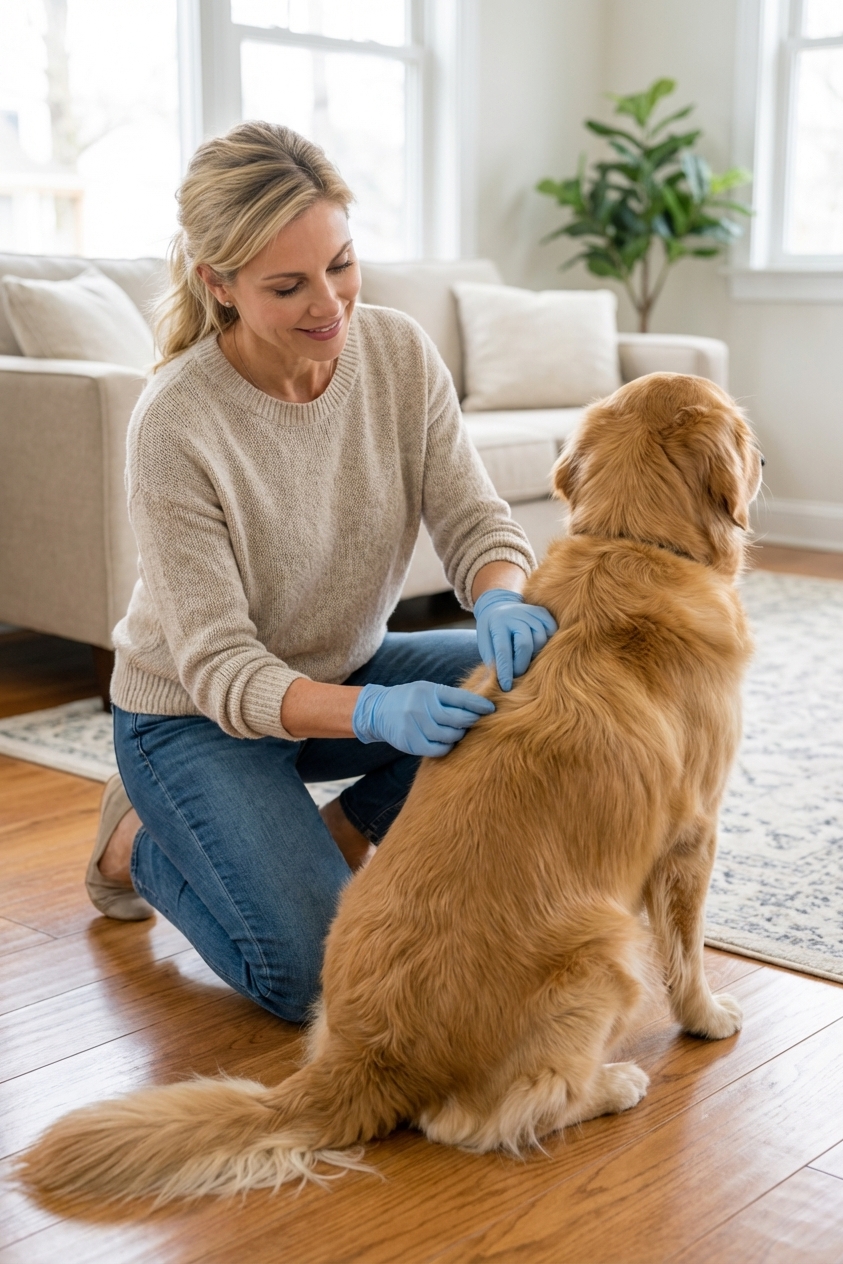
Tapeworms are flat, segmented intestinal parasites. In dogs, the most common tapeworm is Dipylidium caninum, often called the flea tapeworm because fleas are typically involved in transmission.
Adult tapeworms live in the small intestine. They shed segments (called proglottids) that can pass in poop or crawl out around the anus. Those segments contain eggs and are the reason many pet parents notice the problem in the first place.
What do tapeworm segments look like?
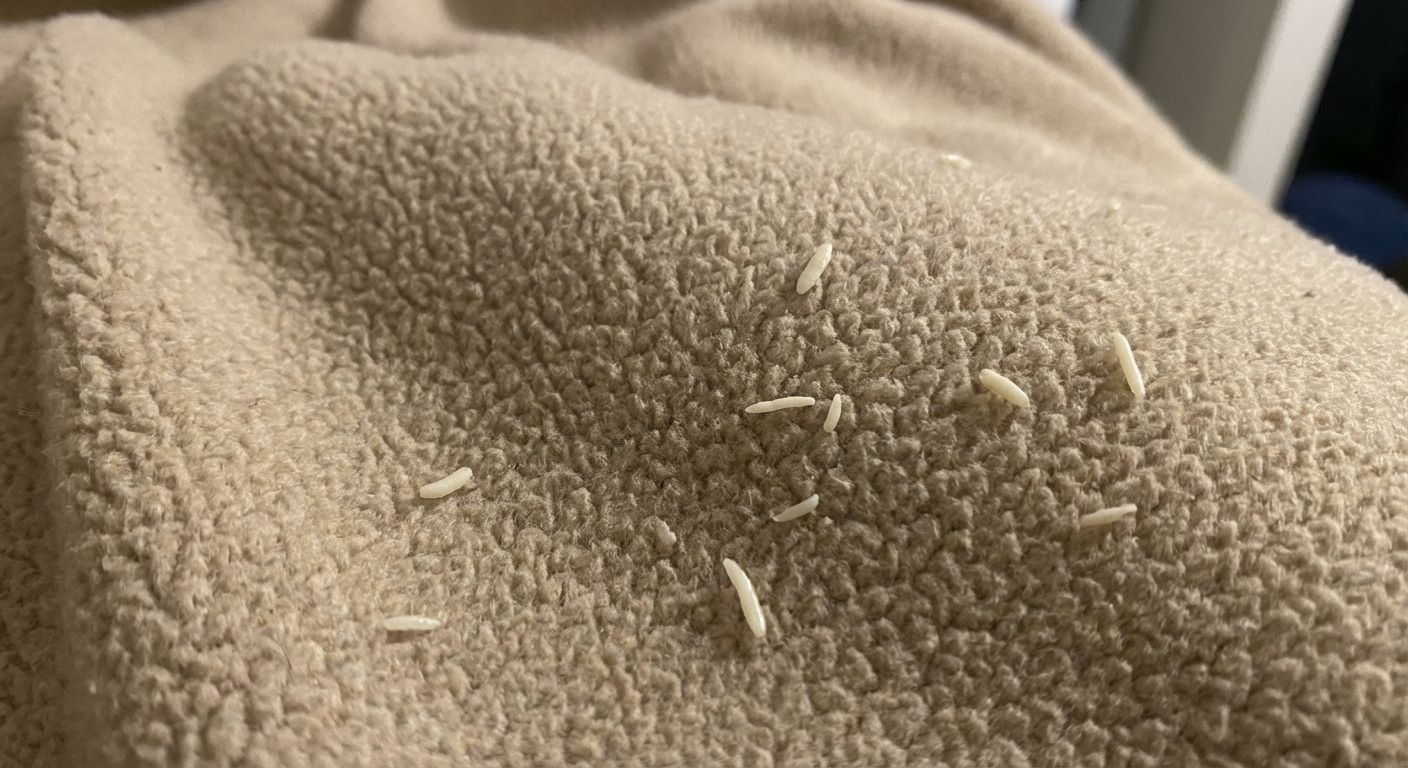
- Fresh segments: small, creamy-white, and mobile. They often look like a grain of rice or a cucumber seed.
- Dried segments: yellowish and flaky, sometimes described as looking like sesame seeds stuck to fur or bedding.
If you are seeing these segments, you do not need to guess. Take a clear photo or place a fresh segment in a sealed baggie and bring it to your veterinarian for confirmation.
What else can look like “rice”? Dried skin flakes, bits of litter, sesame seeds from treats, and even fly larvae can confuse the picture. If it is moving, that is a big clue, but your vet can confirm what you are actually dealing with.
How dogs get tapeworms
Most dogs get tapeworms by swallowing an infected flea. This can happen during normal grooming or nibbling at itchy skin.
The most common cause: fleas
Here is the simple chain of events:
- A flea larva ingests tapeworm eggs in the environment.
- The flea matures and jumps onto a dog.
- Your dog bites or licks, swallows the flea, and becomes infected.
This is why you can successfully deworm a dog and still see tapeworms again if fleas are not fully controlled.
Other ways dogs can get tapeworms
Less commonly, dogs can get certain tapeworm species by eating infected prey animals (like rodents or rabbits) or scavenging raw meat or offal. In those cases, flea control will not prevent reinfection, so your veterinarian may talk with you about hunting, scavenging, or diet risks based on your dog’s lifestyle and geography.
Tapeworm symptoms in dogs
Many dogs with tapeworms act totally normal. Tapeworms tend to be less dramatic than parasites like roundworms or hookworms. Still, symptoms can happen, especially with heavier infestations.
- Rice-like segments in stool, around the anus, or on bedding
- Scooting or licking the rear end (segments can irritate the area)
- Mild digestive upset like intermittent diarrhea or soft stool
- Increased appetite in some dogs (many have no appetite change)
- Weight loss is possible but not common with typical flea tapeworm infections
Important note: Tapeworm segments may show up off and on. Not seeing segments every day does not rule out tapeworms.
When to call your vet right away
Tapeworms are usually not an emergency, but you should contact your veterinarian promptly if:
- Your dog is a puppy, very small, or immunocompromised
- There is vomiting, lethargy, dehydration, or refusal to eat
- You see signs of a heavy flea infestation (flea dirt, intense itching, hair loss)
- You are unsure whether what you found is a tapeworm segment, a different parasite, or something else entirely
Your vet may also recommend checking for additional intestinal parasites, since co-infections can happen.
Diagnosis: how vets confirm tapeworms
Tapeworms are sometimes missed on routine fecal flotation tests because eggs are often contained inside segments rather than freely floating in stool.
Common ways your vet confirms tapeworms include:
- Visual identification of segments you bring in (often the quickest)
- Microscopic exam of crushed segments to identify egg packets
- Fecal testing to screen for other parasites at the same time
In clinic, the most common “diagnostic tool” is still a good photo from a pet parent or a segment in a baggie. It is simple, but it works.
Treatment: what kills tapeworms in dogs?
The go-to medication for most canine tapeworm infections is praziquantel. It is highly effective and commonly given as either a pill or an injection, depending on your veterinarian’s preference and your dog’s needs.
Praziquantel for dogs (what to expect)
- Works quickly: It dissolves the tapeworm in the intestine, so you may not see a whole worm passed.
- Often one dose is enough: Many cases resolve with a single treatment, but follow your vet’s directions. Some dogs need repeat dosing.
- Side effects are uncommon: Mild GI upset can occur in some dogs.
Please avoid “guess and treat” at home without guidance. Over-the-counter dewormers may treat roundworms and hookworms but not tapeworms, depending on the product. Also, many “all-in-one” monthly preventives do not treat tapeworms unless praziquantel is specifically included on the label.
Do you need to treat all pets in the home?
If other pets share the same flea exposure, your veterinarian may recommend evaluating and potentially treating them too. Cats can get Dipylidium caninum as well, and fleas do not respect species boundaries.
Flea prevention: stop reinfection
If I could underline one sentence for every pet parent, it would be this: tapeworm treatment without flea control is incomplete for flea-transmitted tapeworms.
To prevent tapeworms from coming back, you need to stop flea bites and flea ingestion. Your veterinarian can recommend an effective product for your dog’s age, weight, and health status, including options that are:
- Oral chewables
- Topical monthly preventives
- Longer-acting options in some cases
Home cleanup helps your flea plan work
Fleas spend much of their life cycle in the environment. In addition to treating your pets, it helps to:
- Wash bedding in hot water
- Vacuum rugs and upholstery thoroughly and frequently
- Empty the vacuum container or bag promptly
- Ask your vet whether an environmental flea treatment is appropriate for your home
Safety note: If you use any home or yard flea products, make sure they are pet-safe and follow label directions carefully. If you have cats, avoid products that can expose them to permethrin, which can be dangerous for cats.

Can people catch tapeworms from dogs?
It is understandable to worry about your family. The most common canine tapeworm, Dipylidium caninum, typically requires a flea as an intermediate host. That means a person would generally need to accidentally swallow an infected flea to become infected. This is uncommon, but it can happen, especially in households with uncontrolled fleas.
Other tapeworms exist, and some have different public health considerations depending on region and exposure. If your dog hunts wildlife, is fed raw offal, or you live in an area where certain tapeworms are a known concern, your veterinarian is the best source of guidance for your household.
Practical steps that protect both pets and people include:
- Consistent flea prevention for all pets
- Good hand hygiene, especially after handling pets or cleaning up stool
- Prompt disposal of pet waste
If anyone in the household has health concerns or symptoms, contact a human healthcare provider for guidance.
How long does it take to get rid of tapeworms?
With appropriate deworming (often praziquantel), tapeworms are usually eliminated quickly. Many dogs stop shedding segments within 1 to 3 days, but occasionally you might notice segments for a few days as leftover segments pass or dry out.
If you keep seeing segments after your veterinarian’s recommended timeframe, call the clinic. Common reasons include reinfection from fleas, an incorrect dose, or a different parasite that needs a different approach.
Prevention checklist
Here is a simple, evidence-based routine that helps prevent tapeworms in dogs:
- Use veterinarian-recommended flea prevention year-round in flea-prone regions
- Keep your dog’s environment clean with regular vacuuming and bedding washes
- Schedule routine fecal testing as advised by your vet
- Discourage hunting and scavenging if your dog has access to rodents or rabbits
- Call your vet quickly when you see segments so treatment can start promptly
If you take away one thing, let it be this: praziquantel treats the tapeworm, but prevention depends on stopping how your dog is getting exposed in the first place.
Quick FAQs
Do tapeworms make dogs itchy?
Tapeworms themselves can cause mild anal irritation, which may lead to scooting. However, flea allergy and flea bites are a much more common cause of intense itchiness. If your dog is itchy and has tapeworms, treat both the worms and the fleas.
Can I see tapeworms in dog poop?
Yes. You usually see segments, not the whole worm. Segments may be on the surface of stool or around the anus after a bowel movement.
Will tapeworms go away on their own?
They typically do not. They require proper deworming medication, and reinfection is likely if fleas are still present.
References
- Companion Animal Parasite Council (CAPC). Tapeworm guidelines and parasite education resources.
- Centers for Disease Control and Prevention (CDC). Information on Dipylidium caninum and flea-associated transmission.
- Merck Veterinary Manual. Clinical overview of cestode (tapeworm) infections and treatment options including praziquantel.
Medical note: This article is for general education and does not replace veterinary care. If you suspect tapeworms, your veterinarian can confirm the diagnosis and recommend the safest, most effective treatment for your dog.