
A practical, evidence-based guide to caring for feral cats: how to tell feral vs. stray, stay safe, plan TNR, trap and transport, post-op recovery, feeding, ...
Article
•
Designer Mixes
Tame a Feral Cat: Vet-Approved Help

Shari Shidate
Designer Mixes contributor
As a veterinary assistant here in Frisco, Texas, I have met many community cats, meaning unowned, free-roaming cats who may be feral or stray, that people call “feral.” Some truly are unsocialized and terrified of humans. Others are simply scared, hungry, and trying to survive. The good news is that with the right plan, you can reduce stress, keep everyone safe, and often earn a cat’s trust over time.
This article focuses on veterinarian-approved, humane steps you can take right now, plus what to avoid. And if there is one theme to remember, it is this: go slowly. Slow is kind. Slow is safe.
Quick note: This is general guidance, not a substitute for veterinary care or local program instructions, especially for bites, sick cats, or kittens.

Feral vs. stray: why it matters
These terms get used interchangeably, but they can describe very different cats. Understanding the difference helps you choose the safest approach.
- Feral cat: Little to no socialization to humans. Often avoids eye contact, stays hidden, and may panic if cornered. Many cannot be safely handled, even with time.
- Stray cat: Previously socialized to people. May approach for food, vocalize, or tolerate being near you. With consistency, many strays can be re-socialized and adopted.
- Friendly outdoor cat: Might belong to someone nearby. If you can safely contain them, check for a microchip at a vet clinic or shelter.
Quick clue: If the cat watches you from a distance and slowly starts showing up at the same time each day, you may be dealing with a cautious stray or a semi-feral cat. If the cat bolts instantly and seems frantic when you are within several feet, it is more likely truly feral.
Start with safety
Veterinary teams treat cat bites and scratches very seriously. Cat bites can drive bacteria deep under the skin and may require antibiotics quickly. If you attempt to “grab” a frightened cat, you risk injury and you risk teaching the cat that humans are dangerous.
Do this instead
- Never use your hands to corner or pick up an unknown cat. Use a humane trap or a carrier only if the cat is calm enough to enter.
- Wear thick gloves if you must handle the trap, the carrier, or any soiled materials. Avoid direct contact whenever possible.
- Keep pets indoors while you are working with a community cat, especially until vaccines and parasite control are addressed.
- Have a plan for kids and neighbors so nobody approaches the cat unexpectedly.
If you are scratched or bitten, wash the wound immediately with soap and running water and contact a medical provider promptly. In some situations, bites may also require public health guidance and rabies precautions, so do not “wait and see.”
Step one: feeding routine
Trust begins with consistency. A predictable routine can reduce stress and helps the cat learn that your presence does not equal danger.
A simple routine that works
- Feed at the same times daily, ideally morning and evening.
- Put food down, then step back 10 to 20 feet. Avoid hovering.
- Use high-value food like canned wet food, warmed slightly so it smells stronger.
- Pick up leftovers after 30 to 45 minutes to avoid attracting wildlife and insects.
- Offer fresh water in a stable, heavy bowl.
Texas heat tip: In warm weather, remove wet food promptly and keep water in the shade if you can. Swap water frequently so it stays clean and cool.
At first, your goal is not petting. Your goal is “I show up, good things happen, and nothing bad happens.”

Step two: body language
To a fearful cat, direct staring and fast movement can feel like a predator. Small changes in your posture can make a big difference.
Use non-threatening signals
- Turn your body sideways instead of facing the cat head-on.
- Avoid direct eye contact. Look “past” the cat rather than at them.
- Move slowly, and pause often.
- Try the slow blink. Soft eyes and slow blinks are a friendly feline signal.
- Let the cat choose the distance. If they back away, do not follow.
As days and weeks pass, you can gradually sit closer during meals. Progress may be measured in inches, not feet, and that is still progress.
Step three: shelter
Fearful cats need a place to hide. When they feel safe, they are more likely to eat, rest, and become predictable. That predictability makes TNR and veterinary care more possible.
What a vet team loves to see
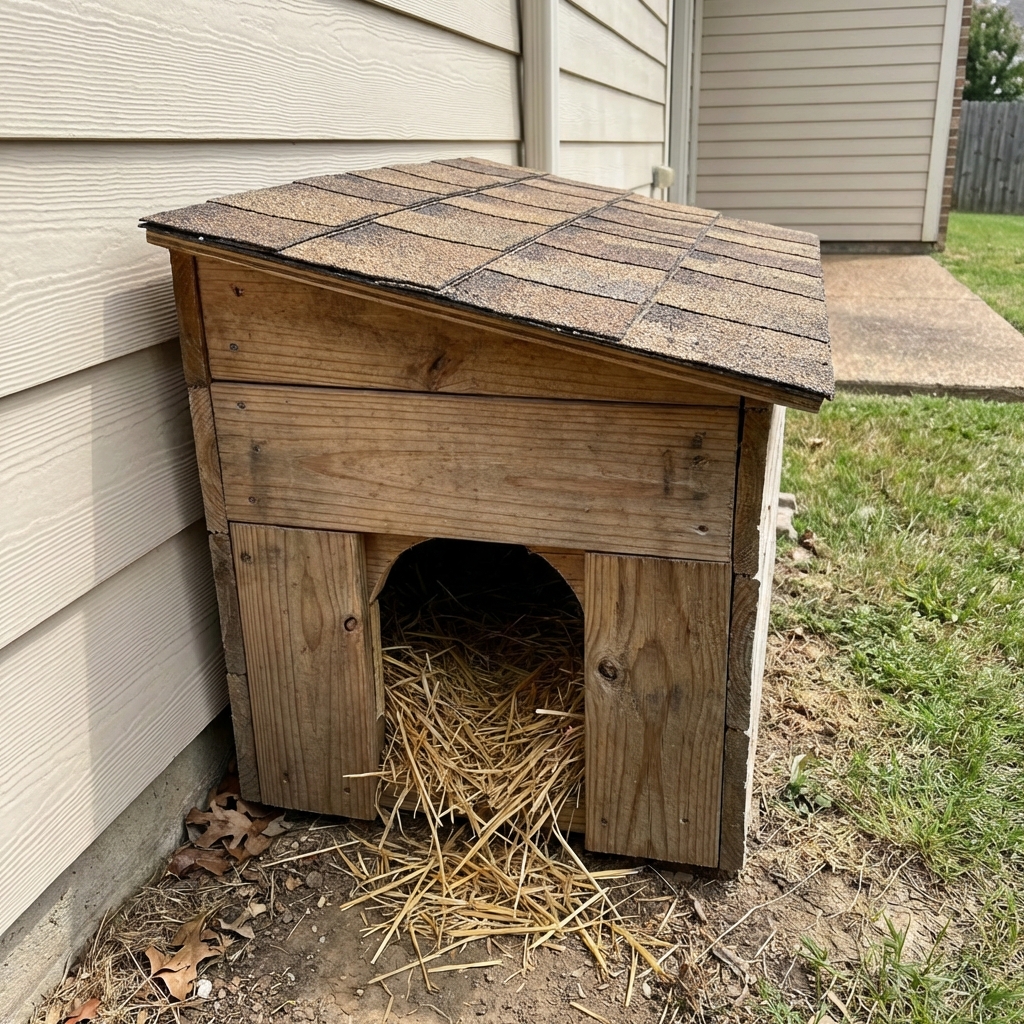
- Dry, insulated shelter with a small entry, placed out of wind and rain.
- Straw bedding for warmth. Straw is preferred outdoors because it sheds moisture and holds heat better.
- If you use fabric (like a towel), it must be kept dry and changed often. Damp fabric can chill a cat quickly.
- A quiet location away from heavy foot traffic.
- Multiple shelters if there is more than one cat, since not all cats share space peacefully.
The cornerstone: TNR
If you want real, long-term help for community cats, Trap-Neuter-Return (TNR) is one of the most widely used, evidence-supported, and humane approaches endorsed by many veterinarians and animal welfare groups. It helps stabilize the population and can improve quality of life.
Why TNR matters
- Stops the cycle of kittens, which is the fastest way suffering grows outdoors.
- Reduces fighting and roaming associated with mating.
- Often reduces spraying and noise.
- Allows vaccination and parasite treatment at the time of surgery in many programs.
- Ear-tipping (a small notch on one ear) helps identify cats who have already been fixed.
Call local shelters, rescue groups, or community cat programs to find low-cost TNR options. Many areas around North Texas have resources, and some lend humane traps.
How to trap humanely
Trapping can feel intimidating, but a good plan makes it smoother for you and less stressful for the cat.
Humane trapping basics
- Use a real humane box trap sized for cats. Do not use makeshift traps.
- Do not trap in extreme temperatures. Heat and cold can become dangerous fast, especially in a covered trap.
- Line the trap with newspaper or a thin piece of cardboard so it feels more stable underfoot.
- Withhold food only if your TNR program or clinic instructs it, commonly 12 to 24 hours (water should remain available). Do not fast kittens, visibly ill cats, or fragile cats without professional guidance.
- Bait with smelly food like tuna in water, sardines, or warm wet food.
- Never leave a set trap unattended. Check frequently.
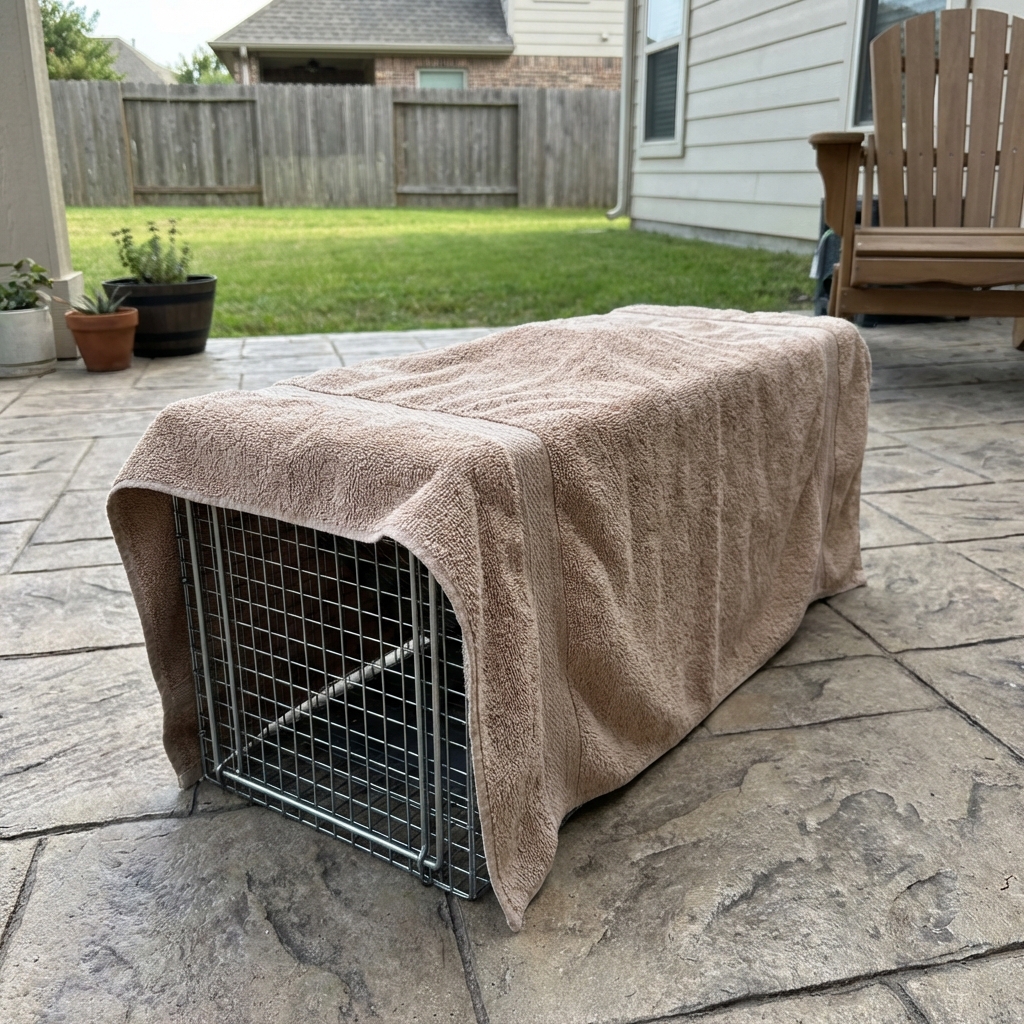
- Cover the trap immediately with a towel or sheet once the cat is inside. Darkness helps cats calm down.
- Label the trap with your name and phone number, plus the cat’s location and trap time, if your program recommends it.
- Keep the trapped cat in a quiet, temperature-controlled area until transport.
- Do not feed after the clinic’s cutoff time to reduce anesthesia risk. Follow their instructions exactly.
Important: Do not attempt to transfer a feral cat from a trap into a carrier unless you have been trained and have the right equipment. Many clinics will treat in-trap, and TNR programs are set up for this.
After spay or neuter
After surgery, most cats need a short, quiet recovery period. TNR programs typically provide specific instructions, but these are common veterinarian-backed guidelines.
- Keep the cat in the covered trap in a calm indoor space, away from pets and children.
- Do not open the trap or attempt hands-on handling.
- Do not give medications unless the clinic specifically prescribed them and explained how they will be administered safely.
- Monitor breathing and alertness from a distance. The cat should gradually become more responsive as anesthesia wears off.
- Prevent overheating. A covered trap should still have good airflow, and the recovery area should be temperature-controlled.
- Offer a small meal when fully awake, following the program’s timing guidance.
- Release windows vary. Many programs often recommend around 24 hours for males and 48 hours for females, but longer holds may be advised for females, seniors, lactating moms, complications, or weather. Always follow clinic guidance.
- Release only when fully alert and back in the same location they were trapped, unless a rescue has a different plan.
If you notice heavy bleeding, extreme lethargy that does not improve, open-mouth breathing, or anything that feels “off,” contact the clinic or program immediately.
Can you tame a feral cat?
Sometimes yes, sometimes no. Adult cats that are fully feral may never enjoy being touched, and that is okay. A successful outcome can simply be a healthier, fixed, vaccinated cat who can live with less stress outdoors.
Signs the cat may be socializing
- Eating while you sit nearby
- Remaining in the open rather than hiding immediately
- Slow blinking, relaxed posture, grooming near you
- Curiosity, like approaching a few steps closer
When it is less likely
- Panicked flight response even after weeks of consistent feeding
- Hissing, lunging, or charging when you are still at a distance
- Extreme fear behaviors such as injuring themselves in a trap
Kitten note: Kittens are far more likely to be successfully socialized, especially under 8 to 10 weeks. If kittens look under about 5 to 6 weeks, they may still be nursing. Do not remove them from mom without rescue guidance. Contact a rescue promptly so they can guide age-appropriate, humane steps.
What not to do
- Do not chase, corner, or force contact. This delays trust and increases injury risk.
- Do not relocate cats unless you are working with experienced professionals. Relocation can lead to disorientation, injury, and conflict with other cats.
- Do not use poisons or harmful deterrents. They are unsafe and can harm wildlife and pets, and they may violate local laws or ordinances.
- Do not leave food out all day. It can attract raccoons, opossums, and ants, and it can also create neighbor conflict.
- Do not skip the vet step if the cat is injured or ill. Some problems, like abscesses, upper respiratory infections, or severe parasites, truly need medical care.
When to call help
Please seek professional help if you notice any of the following:
- Limping, open wounds, or swelling (possible abscess)
- Labored breathing, nasal discharge, or eyes crusted shut
- Extreme thinness, weakness, or inability to stand
- Neurologic signs like stumbling, head tilt, or seizures
- Friendly behavior with no ear tip, especially if the cat may be lost and needs scanning for a microchip
If you are unsure, take a photo or short video from a safe distance and share it with a local rescue or community cat program for guidance.
If the cat may be owned
If the cat seems friendly, consider the possibility that they are lost or allowed outdoors.
- Look for a collar, but do not assume a cat without a collar is unowned.
- Check for a microchip by safely containing the cat in a carrier if possible, then visiting a local vet clinic or shelter for a scan.
- Post locally in neighborhood groups and lost pet pages, using a photo and the cross streets, not your full address.
A gentle plan you can start today
If you feel overwhelmed, here is a simple, doable roadmap:
- Week 1: Set a feeding schedule and keep your distance.
- Week 2: Sit closer during meals, use calm body language, and add a basic outdoor shelter.
- Week 3: Contact a TNR program, borrow a trap, and plan a trapping day based on their instructions and the weather.
- After TNR: Continue consistent feeding and shelter. Let trust build naturally.
You do not have to “fix everything” in a day. When you provide consistency, safety, and TNR, you are already improving that cat’s life in a real, measurable way.