Vet assistant tips to tell UTI vs FLUTD in female cats, recognize urgent red flags, and prevent repeat flare-ups with hydration, wet food, stress control, an...
Article
•
Designer Mixes
Symptoms of UTI in Cats

Shari Shidate
Designer Mixes contributor
As a veterinary assistant here in Frisco, Texas, I have seen how quickly a simple urinary issue can turn into a serious emergency for cats. The tricky part is that “UTI” is often used as a catch-all phrase, but many cats actually have feline lower urinary tract disease (FLUTD), which can include inflammation, crystals, stones, stress-related cystitis, and sometimes true bacterial infection.
This quick guide will help you spot the most important symptoms to watch for, understand what they can mean, and know when to get urgent care. While I am writing from my experience locally, these warning signs and next steps apply anywhere. If your cat is showing urinary signs, your veterinarian is the best next call.
Common symptoms to watch for
Cats are masters at hiding pain, so subtle changes matter. If you notice one sign, monitor closely. If it persists, worsens, or you see multiple signs together, call your veterinarian.
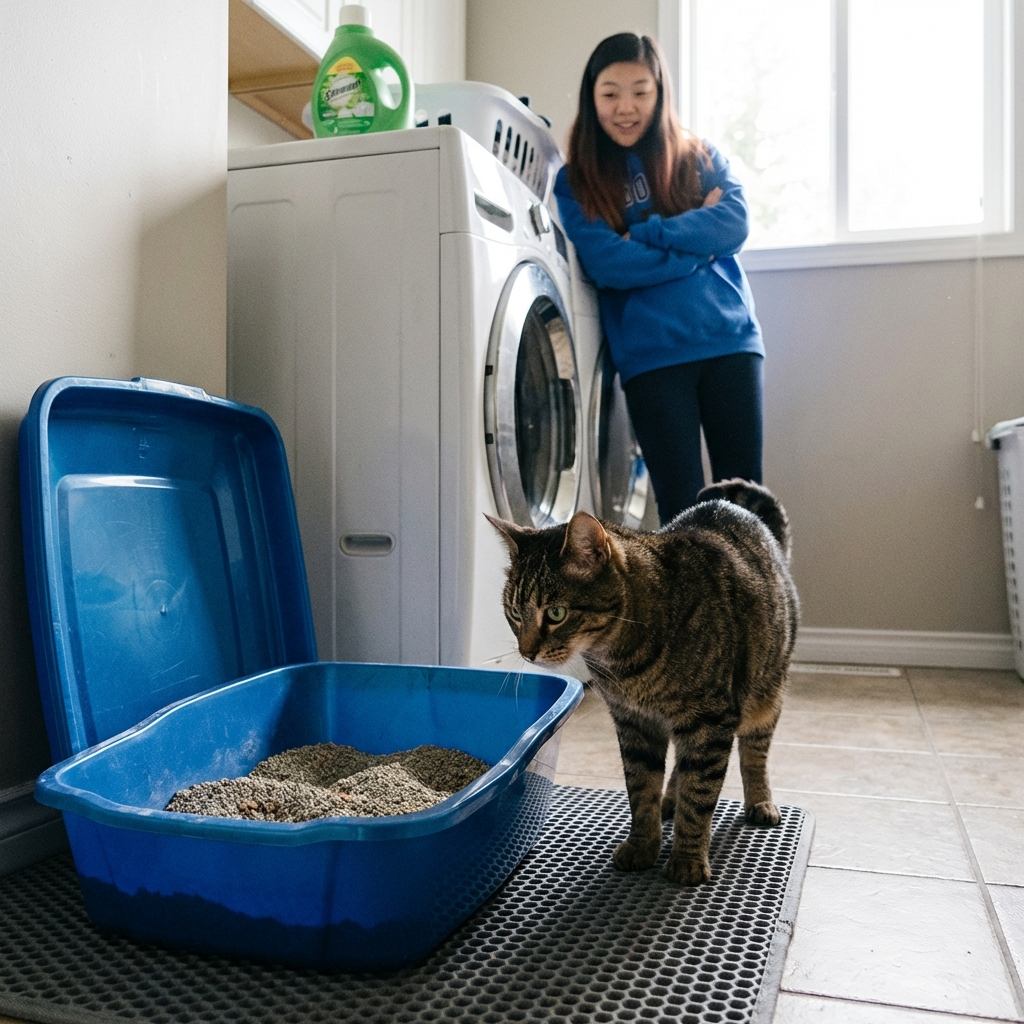
- Frequent trips to the litter box (often with little to no urine produced)
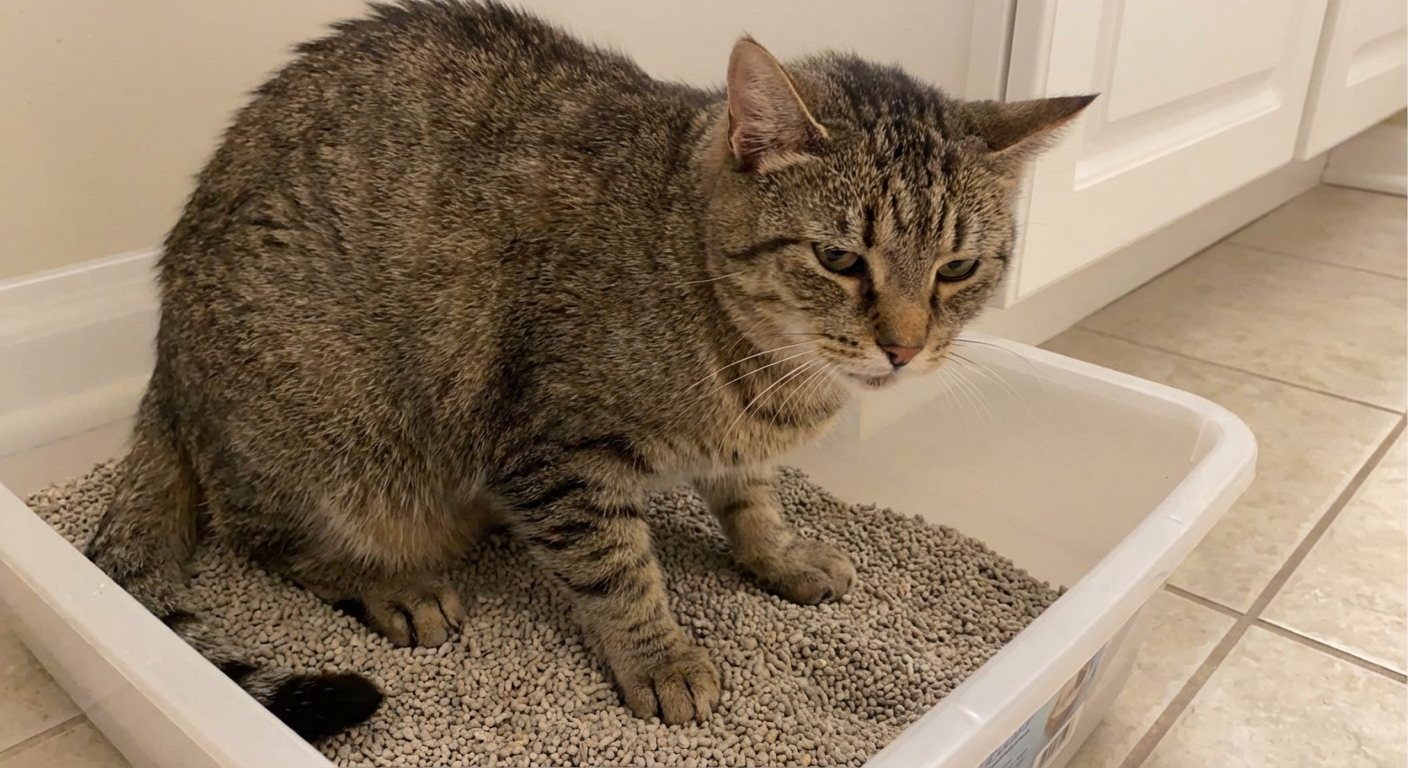
- Straining to urinate or a tense, hunched posture
- Crying, growling, or yowling while urinating
- Blood in the urine (pink, red, or rusty staining)
- Urinating outside the litter box (on rugs, laundry, bathtub, or cool tile)
- Over-grooming the genital area or irritation around the vulva or penis
- Changes in urine such as smaller clumps than usual, darker urine, or an unusual odor (odor alone does not confirm infection)
- Behavior changes such as hiding, irritability, decreased appetite, or restlessness
Urgent red flags: possible blockage
This is the “do not wait” section. A blocked urethra is most common in male cats, and it can become life-threatening fast.
Go to an emergency vet now if you see:
- Repeated straining with no urine produced (or only a few drops)
- Vomiting plus urinary signs
- Severe lethargy, collapse, or acting unsteady
- A painful belly or crying when picked up
- Hiding and refusing food along with frequent litter box attempts
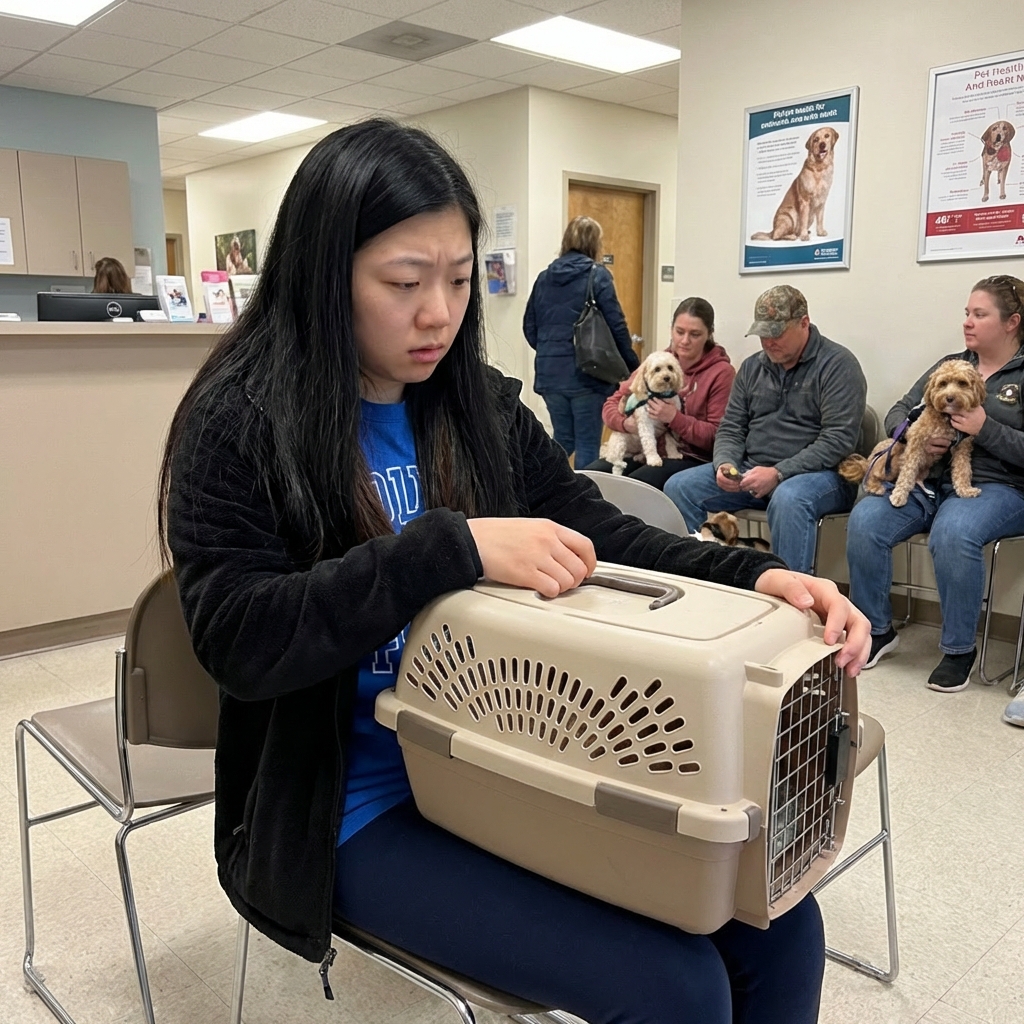
If you are unsure whether urine is coming out, it is safest to treat it as an emergency until proven otherwise.
Cats at higher risk
Any cat can develop a blockage, but it is seen most often in male cats, especially those who are indoor-only, overweight, or have a history of FLUTD signs.
UTI vs FLUTD: why it looks the same
Here is an evidence-based truth that surprises many cat parents: in otherwise healthy, young-to-middle-aged cats with lower urinary signs, a bacterial UTI is not the most common cause. Many have sterile inflammation (often stress-related), crystals, or stones. The symptoms can look very similar, which is why testing matters.
Problems that can mimic a “UTI”
- Idiopathic cystitis (bladder inflammation, often linked with stress)
- Urinary crystals (struvite or calcium oxalate)
- Bladder stones
- Urethral plugs (can cause blockage)
- True bacterial UTI (more common in senior cats or cats with diabetes or kidney disease)
The takeaway: symptoms tell you something is wrong, but a urinalysis and sometimes a urine culture help your veterinarian choose the right treatment.
What you can do at home today
You cannot diagnose a UTI at home, but you can support your cat and gather helpful clues for your appointment.
- Monitor litter box output: note how often your cat goes and whether urine is produced. If you use clumping litter, watch for very small clumps or repeated trips with no clumps.
- Keep your cat indoors so you can observe urination and keep them safe.
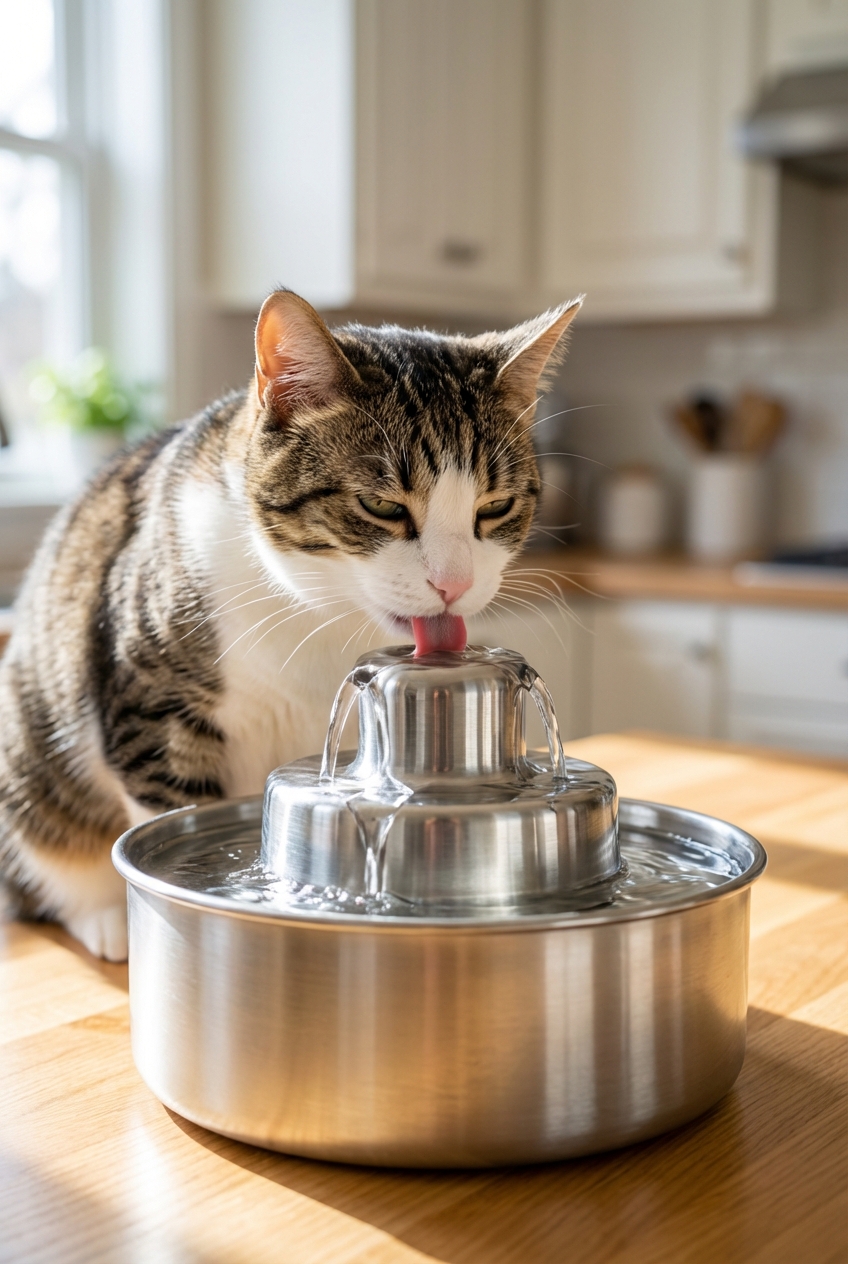
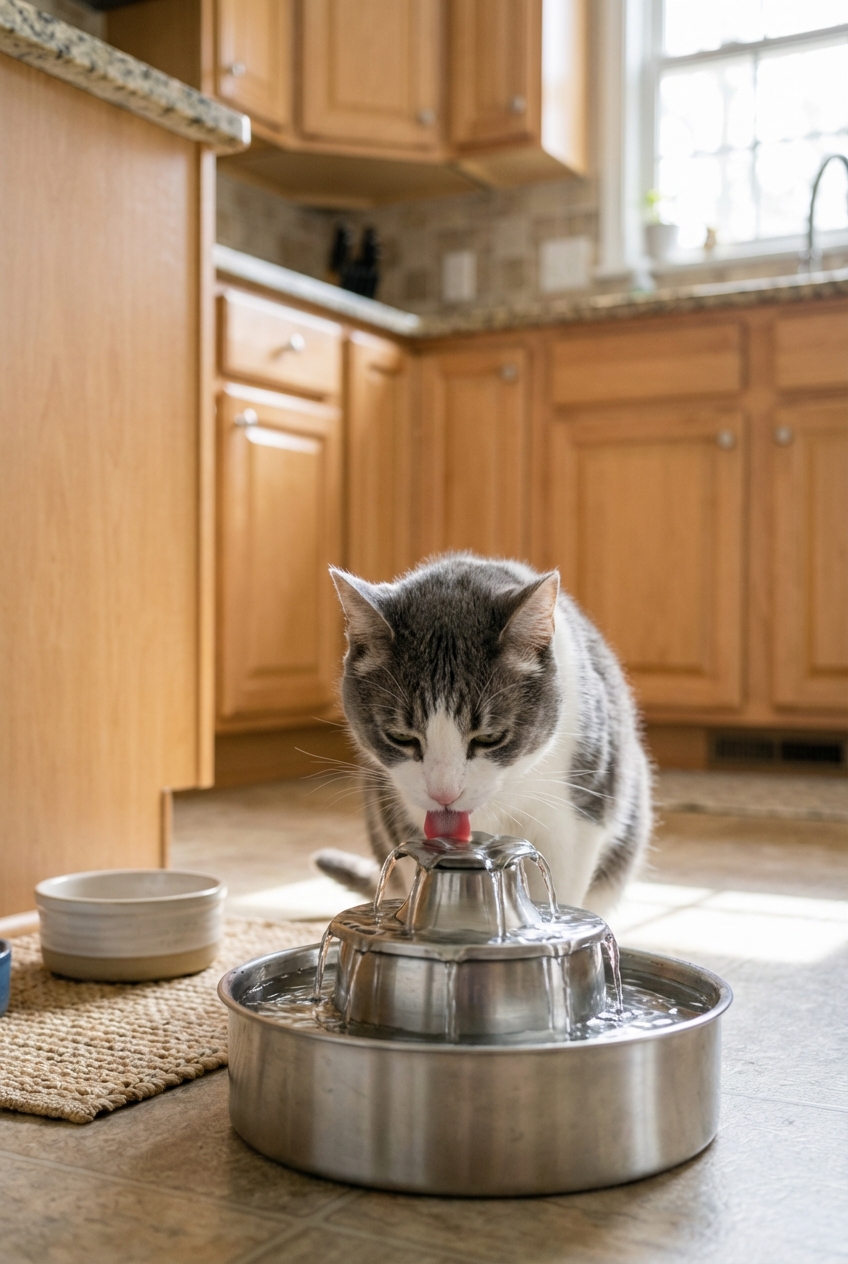
- Encourage hydration: offer fresh water, try a pet fountain, and ask your vet about adding wet food if your cat tolerates it.
- Reduce stress: keep the home quiet, maintain routine, and ensure easy litter box access.
What not to do
- Do not give human pain meds: many are toxic to cats.
- Do not use leftover antibiotics (from another pet or a previous illness): the wrong drug or dose can delay proper care and make infection harder to treat.
- Do not wait it out if your cat is straining, especially a male cat. A blockage can become critical quickly.
If your cat seems unable to urinate, skip home care and go straight to urgent or emergency veterinary care.
What the vet may recommend
In clinic, your veterinarian may recommend tests to confirm the cause and protect the kidneys and bladder.
- Urinalysis to check for blood, crystals, urine concentration, and signs consistent with inflammation or infection
- Urine culture to confirm a bacterial infection before choosing antibiotics
- How the sample is collected matters: for the most accurate culture results, vets often collect urine directly from the bladder with a sterile technique (your vet will recommend the best option for your cat).
- X-rays or ultrasound if stones or blockage are suspected (the best imaging depends on what your vet is looking for, since some stones show up better on certain tests)
- Pain control (often a key part of treatment)
- Diet changes if crystals or stones are present
- Stress support plans for cats with recurrent cystitis
Ask your vet whether your cat’s history suggests a bacterial UTI or another FLUTD cause. That one question can help you understand why antibiotics might be used, or why they might not be the best first step.
Prevention tips that help
Some cats are prone to repeat episodes, but there is a lot you can do to lower the odds.
- Increase water intake with wet food, fountains, and multiple water bowls
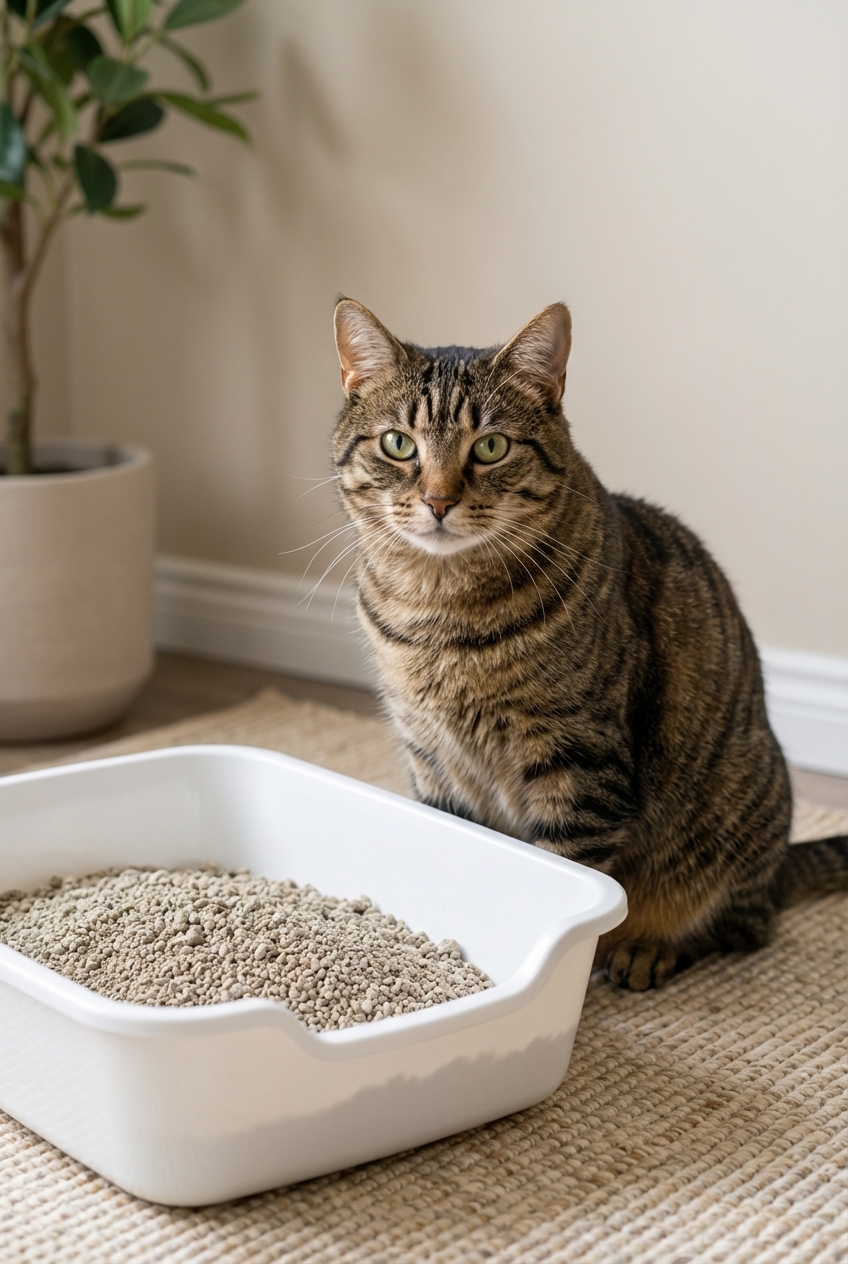
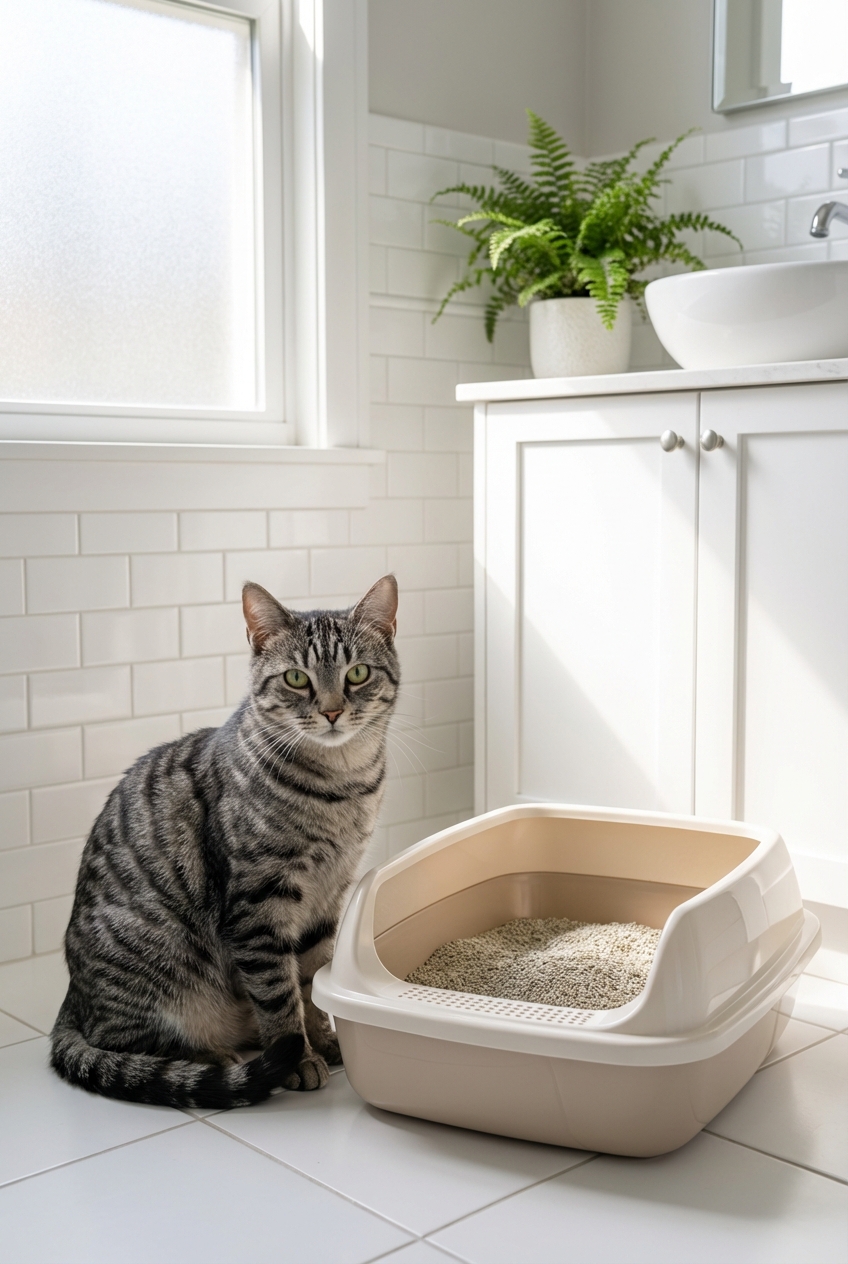
- Keep litter boxes appealing: scoop daily and aim for 1 box per cat plus 1 extra
- Support a healthy weight, since obesity is linked with urinary issues
- Reduce household stress: provide vertical space, hiding spots, play sessions, and predictable routines
- Follow diet guidance carefully if your vet recommends a urinary diet for crystals or stones
Most importantly, trust your instincts. If your cat’s litter box habits change, it is worth a call. Early care is often simpler, less painful, and far less expensive than waiting.
Medical note: This guide is educational and cannot diagnose your cat. Any urinary signs deserve veterinary advice, and possible blockage is always an emergency.